10 Home Repairs You’re Not Legally Allowed to Do Yourself
When DIY ambition collides with legal limits, even a single unpermitted repair can turn a dream project into a costly and dangerous liability.
There is a deep satisfaction that comes with rolling up your sleeves and tackling a home improvement project. From patching drywall to replacing a leaky faucet, the DIY spirit is alive and well across America, saving homeowners a bundle while giving them bragging rights at the next neighborhood cookout. However, sometimes that can-do attitude needs to be firmly checked at the door when dealing with specific house jobs. Going rogue on some repairs can land you in hot water with local building codes, insurance companies, or, worst of all, create a dangerous situation for your family.
Building departments in cities and counties set repair rules to ensure public safety and protect property values. Skipping the proper permits and licensed labor for regulated work is like playing Russian roulette with your home’s structural integrity and your financial future. Before you start demolition, here are ten major projects that almost certainly require a licensed specialist and official permission.
Structural Wall Removal Or Modification

That open-concept kitchen you’re dreaming of is not worth risking your house caving in. If the wall you plan to take down is load-bearing, its removal requires a professional structural engineer to design a new support system, usually involving a header beam. Removing a load-bearing wall without proper bracing could result in significant structural damage, making the house unsafe.
Even if the wall isn’t load-bearing, modifying framing or cutting into supports often still requires a permit to confirm the remaining structure is sound. Building codes specify things like the size of support beams and how they must be tied into the existing structure. You wouldn’t attempt to perform surgery on yourself, so don’t take shortcuts on the bones of your home.
Major Electrical System Wiring

Thinking about adding a new circuit for your workshop or replacing your main electrical panel? While changing a light switch is simple, working on the main service or interior wiring often requires a special license and a permit because of the serious fire hazard posed by incorrect installation. You need a licensed electrician to pull the permit, which guarantees the work meets the National Electrical Code standards. According to the National Fire Protection Association, electrical failures are the second leading cause of house fires in the United States, so this is one area where playing it safe is essential.
Even seemingly small additions, such as running new wires through walls, must be inspected to confirm that the wire gauges, connections, and placement are correct. Most insurance policies will refuse to cover damage from an electrical fire if it is traced to unpermitted or non-compliant DIY work. If you mess up, you’re not just risking an expensive repair; you’re risking your entire home and everything in it.
Installing Or Replacing A Water Heater

Swapping out an old, corroded water heater might seem straightforward, but it involves several crucial connections, including gas lines, high-pressure water pipes, and venting systems. A botched installation can lead to gas leaks, explosions, or major water damage. Almost every local jurisdiction demands a licensed plumber and a permit for this replacement due to the potential for catastrophic failure.
Permitting ensures that the pressure relief valve is correctly installed and vented, preventing the tank from becoming a literal bomb. A study by the Consumer Product Safety Commission found that improperly vented appliances, including water heaters, contribute to thousands of carbon monoxide poisoning incidents annually. When dealing with gas and pressurized water, hiring a professional isn’t a suggestion; it is a necessity for the safety of your household.
Major Changes To The Plumbing System

We’re not talking about fixing a leaky faucet here; we mean adding a new bathroom, relocating a toilet, or re-piping a significant portion of your home. Any alterations that impact the drain, waste, and vent (DWV) system or the supply lines require a permit and the oversight of a licensed plumber. An incorrect slope on drain pipes can cause permanent blockages and sewage backups, which is a mess you absolutely want to avoid.
The rules also govern the materials used and how they connect to the municipal sewer system or septic tank. A plumbing permit is your city’s way of verifying that water is clean and waste is flowing out correctly.
Installing New HVAC Ducts And Gas Furnaces

While replacing the filter is a simple chore, installing a new gas furnace, boiler, or major air conditioning unit goes far beyond a DIY project. This work often involves high-voltage electricity, gas piping, and complex venting systems that must be sized precisely for safe operation. It’s a job for licensed HVAC technicians who know how to prevent gas leaks and carbon monoxide hazards.
Permits are required to verify proper combustion air, adequate venting, and the correct connection of flues. These inspections are lifesaving. The Environmental Protection Agency reports that poorly maintained or improperly installed heating systems can pose major indoor air pollution and safety risks. Even the ductwork sizing needs professional calibration to ensure the system is energy efficient and not overworked.
Building A New Deck More Than Thirty Inches Off The Ground

Building a ground-level patio is fine, but constructing a raised deck or porch that is above a certain height, often 30 inches, demands a permit and a contractor. A deck must be engineered to withstand specific live loads, including the weight of people and snow, as well as dead loads. Improperly secured ledgers, footings, and support posts are responsible for numerous deck collapses annually across the country.
The permit process verifies that the foundation is sound and that the deck is properly fastened to the house structure. Thousands of emergency room visits each year are due to deck failures. Specifications for fasteners, wood treatments, and railing heights are strictly regulated to keep people safe.
Major Roof Replacements

Tearing off a large section of your existing roof and installing a new one typically triggers a permitting requirement, especially if you are changing the roofing material or adding layers. The permit ensures that the new roof meets wind-resistance and fire-resistance standards for your local climate.
A professional roofer knows the local rules governing ventilation, flashing, and moisture barriers, all of which are essential to prevent leaks and mold. In high-wind zones, for instance, codes specify the specific nailing patterns and sealants required to prevent the entire roof from blowing off, a critical detail often missed by amateurs.
Replacing Or Installing Windows That Change The Opening Size
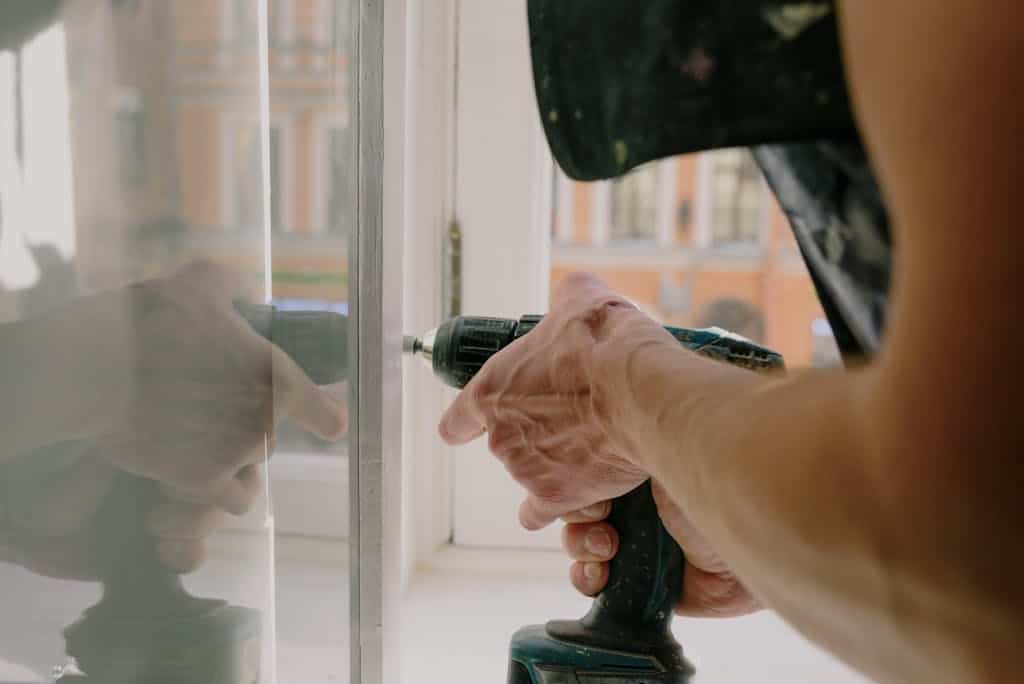
If you’re swapping out a window for another of the same size, you might be in the clear. However, if you are enlarging the opening, cutting a new one, or changing the window type, you will likely need a permit. This modification changes the structural integrity of your wall, affecting the load-bearing header above the window.
Local codes also govern ‘egress’ windows, meaning windows large enough to serve as an emergency exit, especially in basement bedrooms. The International Residential Code specifies minimum sizes and opening mechanisms for these windows, a rule intended to save lives during a fire.
Septic System Installation Or Repair

Your septic system is a critical component of your property’s waste management, and both local and state health departments heavily regulate its installation. Working on a septic system without a license and permit is illegal because of the serious public health and environmental hazards involved.
The design, including the tank size and drain field placement, depends on your soil type and expected usage. Unpermitted work can lead to groundwater contamination, which affects your property and the surrounding community. A proper percolation test and approval from a health inspector are mandatory steps that a certified professional handles.
Adding Or Converting A Living Space To An Accessory Dwelling Unit (ADU)

The popularity of ADUs, or mother-in-law suites, has skyrocketed, but converting a garage or adding a separate living space is never a DIY job. ADUs are classified as separate dwellings and must comply with a host of codes relating to fire separation, utility metering, parking, and setbacks. It’s essentially building a small, complete home, and every part of the process requires official approval and licensed tradespeople.
This project impacts everything from property taxes to zoning rules. Homeowners attempting to build their own ADUs often fail the final inspection, resulting in significant, costly rework due to code violations. Bringing in professionals ensures the final result is a legal, safe, and value-adding asset.
15 Things Women Only Do With the Men They Love

The 15 Things Women Only Do With the Men They Love
Love is a complex, beautiful emotion that inspires profound behaviors. We express our love in various ways, some universal, while others are unique to each individual. Among these expressions, there are specific actions women often reserve for the men they deeply love.
This piece explores 15 unique gestures women make when they’re in love. From tiny, almost invisible actions to grand declarations, each tells a story of deep affection and unwavering commitment.