How the Rich Got Richer During America’s Toughest Years
Recessions don’t destroy money; they force it to move. As asset prices fall, liquid capital, the kind only the rich have, sees an opportunity. For example, an analysis by the Federal Reserve found that during downturns, wealth often shifts from illiquid, highly leveraged assets (such as homes) held by the middle class to liquid assets and private capital held by the top 1%.
This mechanism ensures that the financial crisis for one group becomes an asset fire sale for another, leaving wealthy buyers as the only game in town.
Just as a major recession leads to the consolidation of talent for the working class, where the few thriving companies often snap up the best and most experienced workers, financial crises consolidate capital for a handful of well-organized opportunists.
Investing Where Governments Fear to Tread
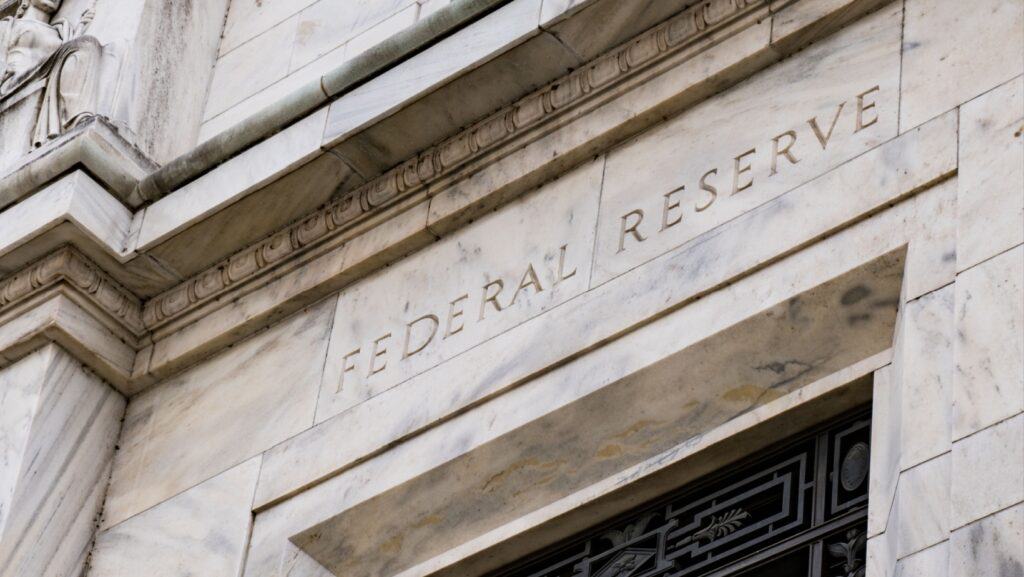
The 2008 crisis revealed a harsh truth: some financial institutions are too big to fail. While taxpayers footed the bill, legendary investors like Warren Buffett stepped in, not as rescuers, but as shrewd creditors. His investment in Goldman Sachs during the 2008 panic and later in Bank of America earned billions after the recovery, often with preferential terms.
Public filings, like those from Berkshire Hathaway’s annual letters and SEC filings, document these deals, showcasing how the rich secured low-risk, high-return positions by backing the very entities the government was desperate to save.
The Short Seller’s Score
For the elite investors, catastrophe is a tradeable commodity. The collapse of the housing market and toxic mortgage-backed securities fueled the financial crisis. Men like John Paulson didn’t wait for things to improve; they made a massive, counterintuitive bet that the market would fail.
By shorting these securities, Paulson’s hedge fund made an estimated $15 billion or more as millions lost their homes.
Servicing the Scramble
When companies collapse, and households buckle under debt, a different sector thrives: legal services. The period from 2007 to 2010 saw a staggering rise in distress. U.S. Courts statistics show that bankruptcy filings soared from about 800,000 in 2007 to over 1.5 million in 2010.
Wealthy partners in major law firms specializing in Chapter 11 corporate restructuring and mass personal bankruptcy saw huge demand and skyrocketing fees. The money didn’t stop flowing; it simply rerouted into the pockets of the professionals managing the financial clean-up.
Discounted Real Estate Riches

The housing crash created a deluge of foreclosed properties, pushing values to rock-bottom lows. While everyday buyers were locked out by tight credit, wealthy private equity firms and cash-rich investors swooped in. They bought up thousands of homes at deep discounts, often bundled together.
Institutional investors continued to accelerate home purchases, fundamentally changing the housing market. They transitioned from distressed sellers to future landlords, creating massive rental portfolios and securing long-term wealth from assets bought for pennies on the dollar.
Lending at the Edge
As banks pulled back and credit vanished for low- and middle-income families, predatory high-interest lenders and pawn shops became the last resort. Companies catering to immediate household liquidity stress reported increased business during the toughest years.
For example, pawn shop chains like Cash America reported significant revenue increases between 2008 and 2010. These businesses, often backed by wealthy investors, profit directly from households’ desperation for fast cash to cover basic expenses, a cycle that only deepens the wealth divide.
Gold Rush

In times of economic panic and uncertainty, investors flock to traditional safe-haven assets. Gold is the classic example. As trust in banks and paper money plummeted during the 2008-2011 period, the price of gold skyrocketed.
Data shows gold prices jumped from approximately $800 per ounce in 2008 to over $1,800 per ounce by 2011. Those already wealthy enough to hold significant gold reserves saw their assets double or more in value just by sitting tight while everyone else’s net worth evaporated.
The Digital Fortress
The crisis barely touched the burgeoning technology sector. Companies focused on the future—like Apple, Amazon, and Google—continued their march toward dominance. Wealthy investors shifted capital out of sinking banks and into these growth stocks.
A 2024 analysis by Goldman Sachs confirms that post-2008, capital concentration heavily favored tech. The shift accelerated the fortunes of tech entrepreneurs and early investors, widening the gap between the physical economy (factories, retail) and the digital economy.
Global Arbitrage
The wealthy don’t limit their opportunities to one country’s distress. When the U.S. recovered slowly, many elite investors moved capital internationally, seeking faster growth or even new crises to exploit.
For instance, the European sovereign debt crisis provided new short-selling opportunities. This ability to instantly shift capital across borders, a form of global arbitrage, ensures that the rich are always positioned where the highest returns can be found, insulating them from domestic downturns.
Tax Shield
Crucially, the wealthy often employ complex tax strategies to minimize the impact of economic changes on their capital. While the middle class faced potential job losses and shrinking salaries, top financial advisors worked to secure wealth.
A 2023 report by the Center on Budget and Policy Priorities (CBPP) highlighted that tax expenditures heavily favor high-income households. This proactive preservation of capital means that the wealthy have more reserves ready to deploy when crisis-driven investment opportunities emerge.
Key Takeaway:
- Crisis is a Capital Event: The wealthy capitalize on downturns by acting as buyers of last resort for distressed assets, generating long-term returns from short-term public panic.
- Arbitrage of Misery: Profits are made by short-selling collapsing sectors (housing), lending at high rates to the desperate (pawn shops), and betting on safe havens (gold).
- Legal Fortress: Massive legal demand from bankruptcies and regulatory changes ensures professional services continue to extract high fees, even in a financial crisis.
- Digital Divide: The shift of capital into insulated tech sectors widened the fortune gap between the old and new economies.
Disclosure line: This article was developed with the assistance of AI and was subsequently reviewed, revised, and approved by our editorial team.
20 of the Worst American Tourist Attractions, Ranked in Order

20 of the Worst American Tourist Attractions, Ranked in Order
If you’ve found yourself here, it’s likely because you’re on a noble quest for the worst of the worst—the crème de la crème of the most underwhelming and downright disappointing tourist traps America offers. Maybe you’re looking to avoid common pitfalls, or perhaps just a connoisseur of the hilariously bad.
Whatever the reason, here is a list that’s sure to entertain, if not educate. Hold onto the hats and explore the ranking, in sequential order, of the 20 worst American tourist attractions.
Weight Loss Journal Ideas- How To Use Bullet Journaling To Lose Weight

Weight Loss Journal Ideas- How To Use Bullet Journaling To Lose Weight
Your weight loss journal doesn’t have to be anything fancy. You can start by just using a notebook and a pen. But if you want something a little more organized, you can use bullet point templates specifically designed for weight loss journals. Bullet journals are so hot right now!
You can use them to organize everything in your life, not just weight loss. But they’re perfect for weight loss because you can use them to track your progress and keep yourself accountable.