What awaits your kids & grandkids as climate extremes intensify
Babies born today will grow up in a world where climate change is part of the background of everyday life. Their summers will be hotter, their cities will look greener and more high-tech, and their schools, homes, and health systems will be redesigned with extreme weather in mind.
A hotter “normal” for today’s babies
By the time today’s infants are in middle school—around the Class of 2043—the planet is expected to be about 1.5°C warmer than in the preindustrial era, according to the IPCC’s 1.5°C report. That might sound abstract, but it shows up in daily life as longer, more intense heatwaves, warmer nights, and seasons that feel “off” compared with what their parents grew up with.
Global climate agencies report that temperatures over the next several years are likely to stay at or near record levels, which means these kids will barely remember a time before extreme heat was routine. For families, that means treating heat the way we already treat snowstorms or hurricanes: something you plan for every year, not a one‑off disaster.
Growing up with more extremes

Researchers estimate that children born in 2020 and beyond will face “unprecedented lifetime exposure” to climate extremes like heatwaves, droughts, and wildfires compared with people born just a few decades earlier. One analysis suggests that under high‑warming scenarios, more than 9 in 10 children could experience potentially life‑threatening heatwaves at some point in their lives.
The World Economic Forum highlights that this generation is also more likely to see extreme floods and crop failures, which can affect everything from food prices to school closures. Instead of treating these events as rare shocks, governments and communities are slowly learning to design systems, like disaster plans, insurance, and social safety nets, around the idea that extremes will keep coming.
Health, childhood, and climate stress
Children’s bodies are more vulnerable to heat and pollution than adults’, and that shapes what “normal” childhood looks like in the climate era. A review in a leading medical journal warns that climate change can worsen heat stress, asthma, infectious diseases, and malnutrition in kids, especially in low‑income communities. That means more days where pediatricians issue heat or air‑quality advisories, and more conversations about keeping babies, toddlers, and pregnant people cool and safe during extreme weather.
Advocacy groups focused on children and climate note that schools and childcare centers are already adjusting—adding shade, improving ventilation, and changing outdoor schedules during heatwaves. On top of the physical risks, educators are also naming and addressing “eco‑anxiety,” helping kids manage worry about the future by turning it into age‑appropriate action and community projects.
A cleaner, more electric world
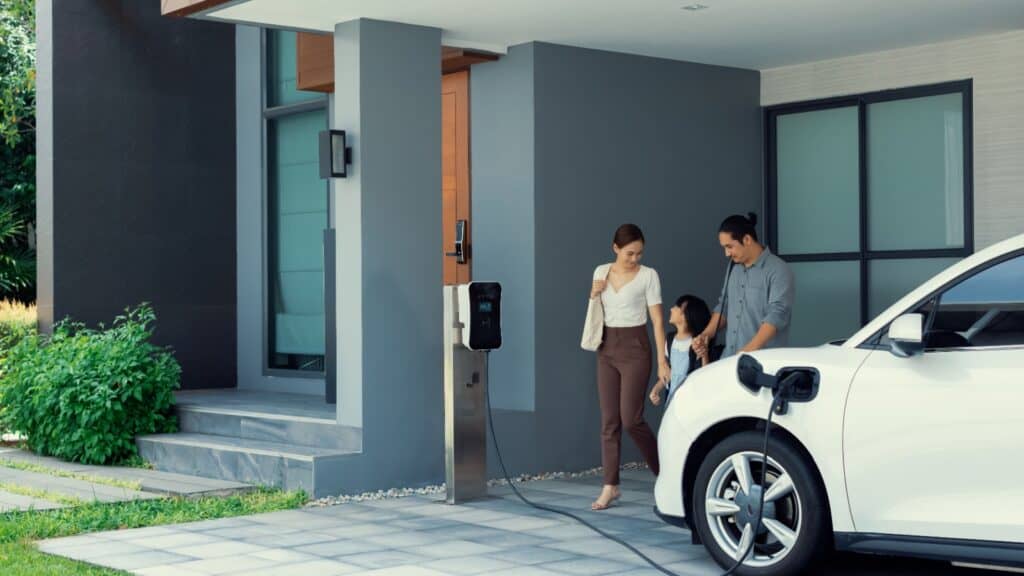
The Class of 2043 will also inherit an energy system that looks very different from today’s. Energy analysts expect that renewables will provide the majority of global electricity by around 2040, with solar and wind doing much of the heavy lifting. One outlook suggests solar power alone could supply close to 30% of the world’s electricity by then, supported by massive growth in battery storage.
Reports from McKinsey’s Global Energy Perspective and BloombergNEF’s New Energy Outlook point to a world that’s more electric overall, with cleaner grids but still some fossil fuels in the mix, especially natural gas. For kids, this may show up as more rooftop solar in their neighborhoods, electric school buses, fewer gas stations, and more charging points at grocery stores and along highways.
Cities, coasts, and where they’ll live
Many of these children will grow up in cities that are actively redesigning themselves to handle heat and heavy rain. Climate services and urban planners expect more “cool roofs,” tree‑lined streets, shaded bus stops, and redesigned storm water systems as cities adapt to a hotter, wetter world. These changes aren’t only about comfort—they’re about keeping hospitals, transit, and schools functioning during weather extremes.
Coastal communities face a tougher balancing act. A U.S. National Intelligence Estimate warns that by 2040, some low‑lying island nations could see around a fifth of their land area exposed to annual wave‑driven flooding, forcing hard choices about sea walls, relocation, and migration. Children in those regions may grow up hearing about “managed retreat” as a normal policy term, much like previous generations grew up with words like “recession” or “inflation.”
How parents and communities can prepare
For parents, preparation starts with basic protections: good prenatal care, access to cooling and clean air during heatwaves, and plans for storms or smoke events. Health experts stress that reducing maternal exposure to extreme heat, pollution, and disasters can improve birth and developmental outcomes, making climate‑smart healthcare an investment in children’s futures. Communities can also advocate for policies that expand cooling centers, improve building codes, and ensure that low‑income families are not left behind.
On the education side, child‑focused climate groups argue that kids should learn not just about the risks, but about solutions—renewables, conservation, local resilience projects—so they can see themselves as part of the response. Big climate and energy reports make it clear that decisions made in the 2020s and early 2030s—how fast we cut emissions and how much we invest in resilience—will shape whether the Class of 2043 experiences climate change as a constant emergency or a tough but manageable reality.
You may also want to read:
- 11 Perils Threatening America’s National Parks Right Now
- 20 American Trees Species We May Lose In Our Lifetime
- The Most Common Allergens Globally – Are You at Risk When You Travel?