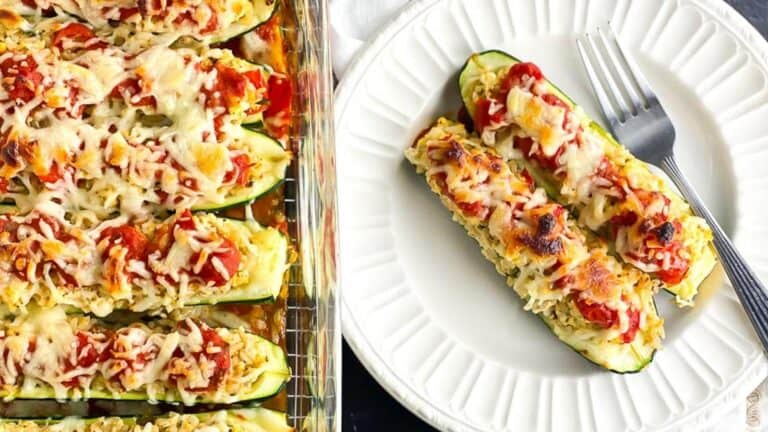
10 dishes your parents may have served that reflect upper-middle-class living
For the upper-middle class, the dining table has never been a mere piece of furniture; it is a theatrical stage. For decades, meals have served as edible manifestos, where ingredients are curated not just for their flavor, but for their ability to whisper or occasionally shout of one’s worldly travels, moral virtues, and refined sensibilities.
What began as the polished silver and heavy creams of 1980s dinner parties has evolved into a modern, high-stakes choreography of “clean eating” and artisanal sourcing. This isn’t just hunger; it’s cultural alchemy. In 2023, U.S. food-away-from-home spending reached a record high, driven by a 12% increase as consumers resumed dining out, notes the USDA Economic Research Service.
In this landscape, a dish is rarely just a dish; it is social currency plated with precision. It is a chance to communicate sophistication through the medium of a rare spice or a perfectly blistered crust.
Brie and ham croissant sandwiches
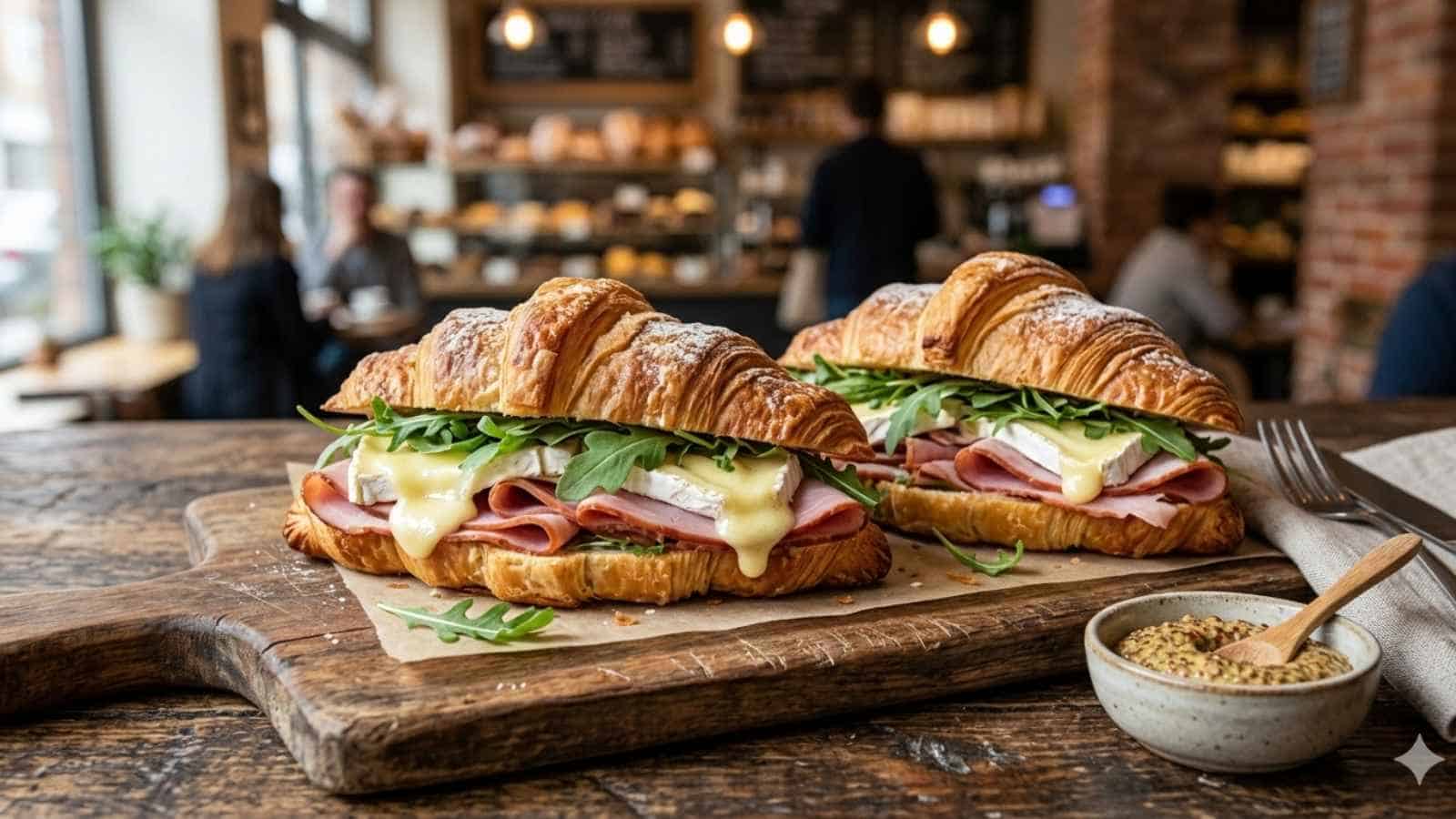
If your mom ever served you a brie-and-ham croissant sandwich, you likely felt like you were eating in Paris without the airfare. In the 1980s, imported cheeses like brie made their way into suburban grocery stores, and suddenly, ham-and-brie sandwiches were the epitome of “fancy” casual meals.
Modern upper-income households spend a significant portion of their food budgets on dining out, with Europe-inspired cafe fare leading the charge. Large cheese boards and dishes like these continue to be associated with a “continental” flair that Many upper-middle-class families embrace today.
Salmon en croûte with asparagus

Ah, the pièce de résistance of any fancy dinner: Salmon en croûte, elegantly paired with fresh asparagus. By the 1980s, this dish became the go-to “company dinner” in Many aspirational homes.
Why? Well, data show that 79% of upper-income Americans have easy access to high-quality fresh produce, making such dishes more feasible for home cooks, as noted by HelloFresh. It’s a true status symbol in the culinary worldelegant, delicate, and requiring a dash of sophistication. Experts argue that these dishes mirror the higher education and refined technical skills of the home chefs who whip them up today.
Spinach and ricotta cannelloni or baked Camembert
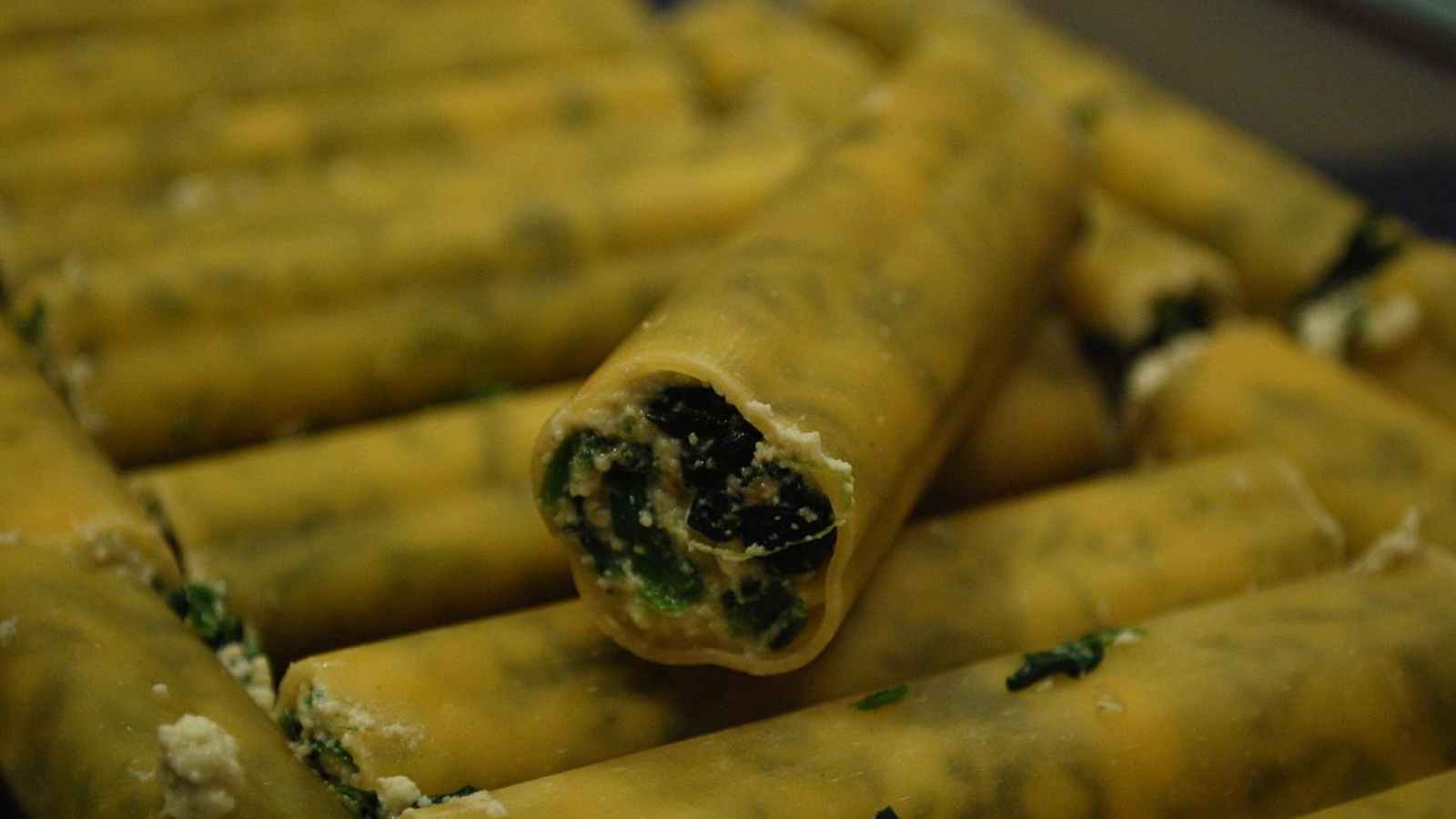
Euro-influenced comfort food provides a specific kind of elegant indulgence. As Americans spent more at restaurants in 2024, upper-income consumers frequented Italian trattorias and wine bars more often. These dishes appeal to people who value perceived sophistication over simple calories.
It is the culinary equivalent of wearing a cashmere sweater to a casual brunch. This dining trend reflects a desire for curated experiences where quality outweighs quantity. Ultimately, these patrons seek a refined atmosphere that mirrors their lifestyle, blending high-end taste with cozy, approachable charm.
Chicken cordon bleu or veal Marsala

These French-inspired dishes were once the hallmark of upper-middle-class family dinner tables. Whether frozen or homemade, chicken cordon bleu and veal marsala were reserved for “impress the guests” nights in the late 20th century. Based on Bank of America Institute data, a “k-shaped” consumption pattern has emerged: High-income households drive restaurant dining, while lower-income consumers cut back due to inflation and tighter budgets.
These dishes signified status, blending French flair with the American palate, a true suburban classic that defined a generation of aspiration and taste.
Grilled lamb chops with rosemary

Lamb remains the “confidence” protein for the backyard griller. Most people meet lamb in a restaurant before trying it at home. This path requires a budget that supports both the $50 steakhouse dinner and the expensive butcher shop run.
If your dad owned a dedicated Rosemary bush, you were likely doing just fine. It is a matter of status, requiring a bit of flair and a steady hand over the charcoal. While it can be intimidating for a novice, the rewards are savory. Mastering the rack of lamb is a sign you have arrived. Just ensure you have enough fresh herbs and a very hot flame ready to go now.
Seafood paella or Thai green curry
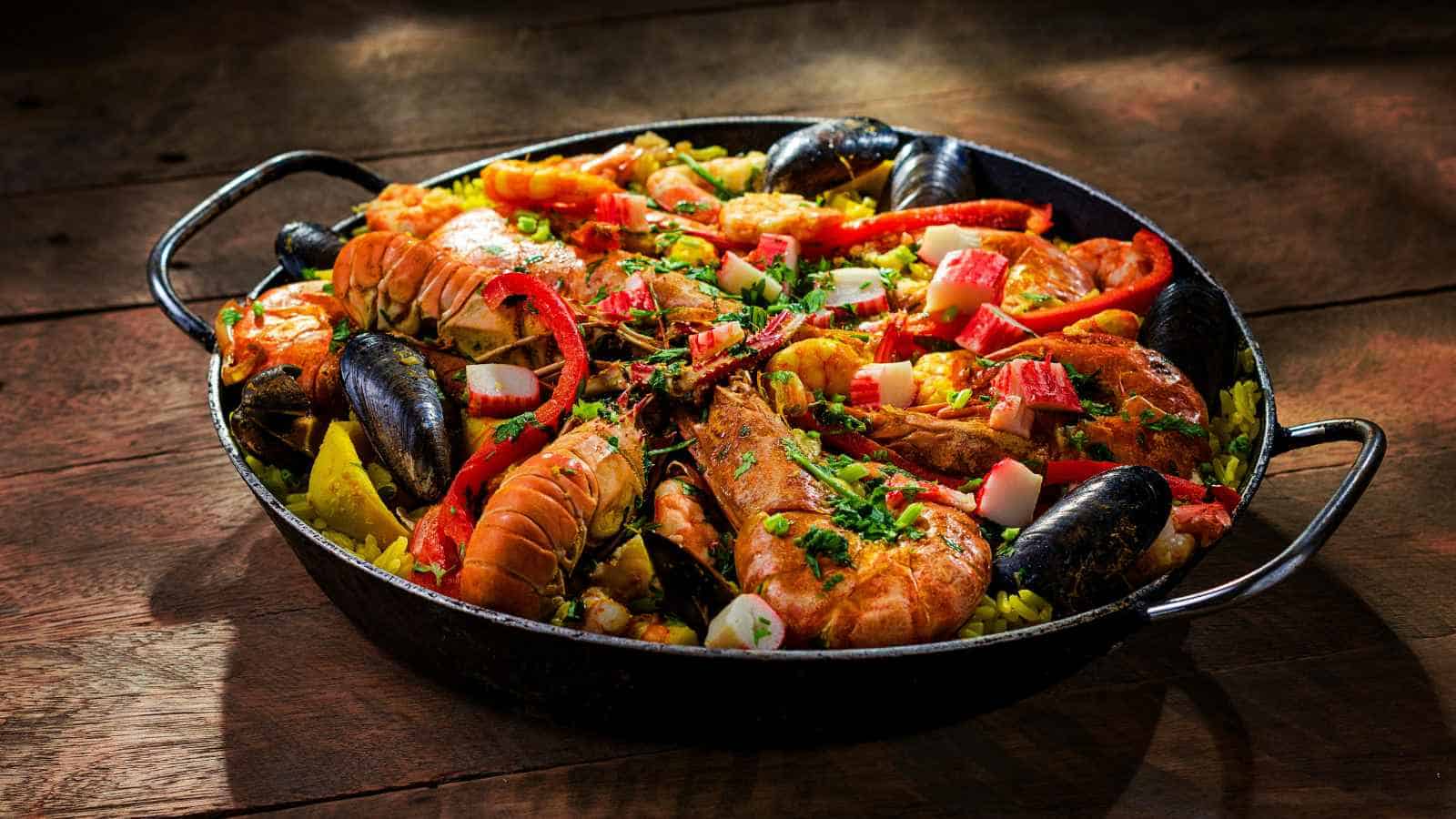
Aspirational pantries began filling with saffron and curry paste as international aisles expanded. Analysis of the American Time Use Survey indicates that, while home cooking generally increased, the growth in participation and time spent cooking was primarily driven by, and strongest among, adults with a college degree or higher.
These families were the early adopters of global cuisine kits. They turned Tuesday night into a trip to Valencia or Bangkok. This demographic shifted the culinary landscape, making exotic spices a staple of the modern kitchen. They cooked with a curious and bold spirit.
Salmon terrine, pâté, or crab cakes

Upper-middle-class buffets always featured a spread of cold appetizers. High earners rarely eat out less than once a week and favor multi-course establishments. This frequency makes fancy starters like pâté feel like standard household snacks.
Fine-dining servers often note that affluent guests treat appetizers as the main event. This habit reflects a comfort with restaurant etiquette and a budget for extra courses. It shows a lifestyle where luxury becomes a routine, blending high-end dining with daily habits.
For these diners, the meal begins with elegance and ends in indulgence.
Vegetable quiche and leek-and-potato soup

A silky leek soup signaled a “light” and French approach to healthy living. According to the 2025 International Food Information Council Food & Health Survey, while taste remains the top driver for food purchases, high-income households earning $100,000 or more are unique in that healthfulness surpasses price as a key driver.
Quiche serves as a “gateway” recipe for expert home cooks, according to top culinary schools. Enrollment in these classes skews heavily toward students with higher education. These dishes prove that you have the time to blind-bake a crust and the money to buy heavy cream.
Curried chicken salad with nuts and fruit
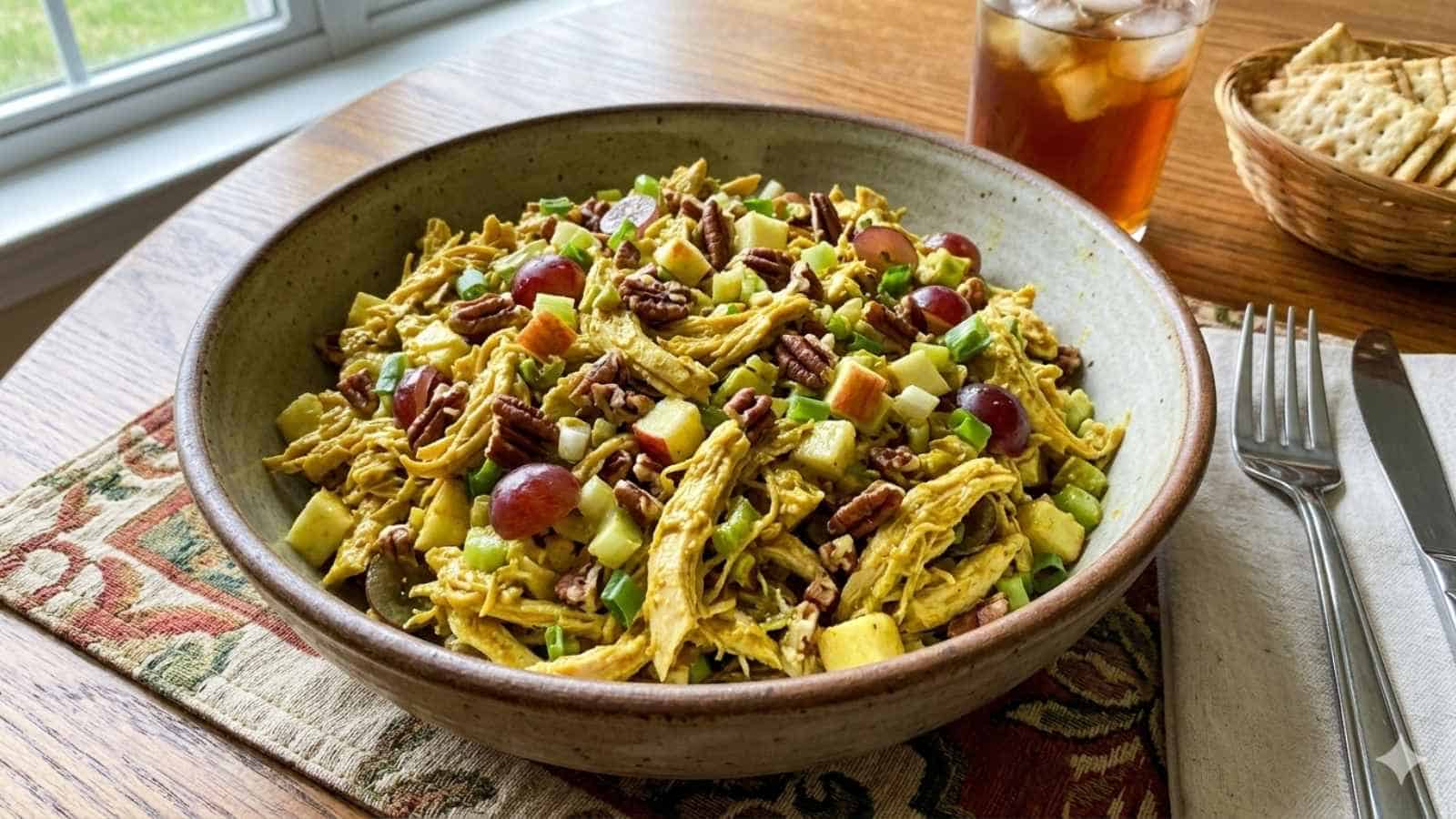
A “gourmet” deli counter changed how the suburbs did picnics. Research from The Freedonia Group shows affluent shoppers earning $150,000 or more prioritize quality, health, and flavor, favoring premium, organic, and fresh perimeter products over traditional center-store, shelf-stable items.
These households balance flavor with health by adding spices and fruit to healthier proteins. Restaurant consultants at firms like Leafy Green relate these “marker foods” to a specific clientele. They also want a layered spice profile that suggests they have traveled or, at least, read the Silver Palate Cookbook.
Steak Diane or blackened fish
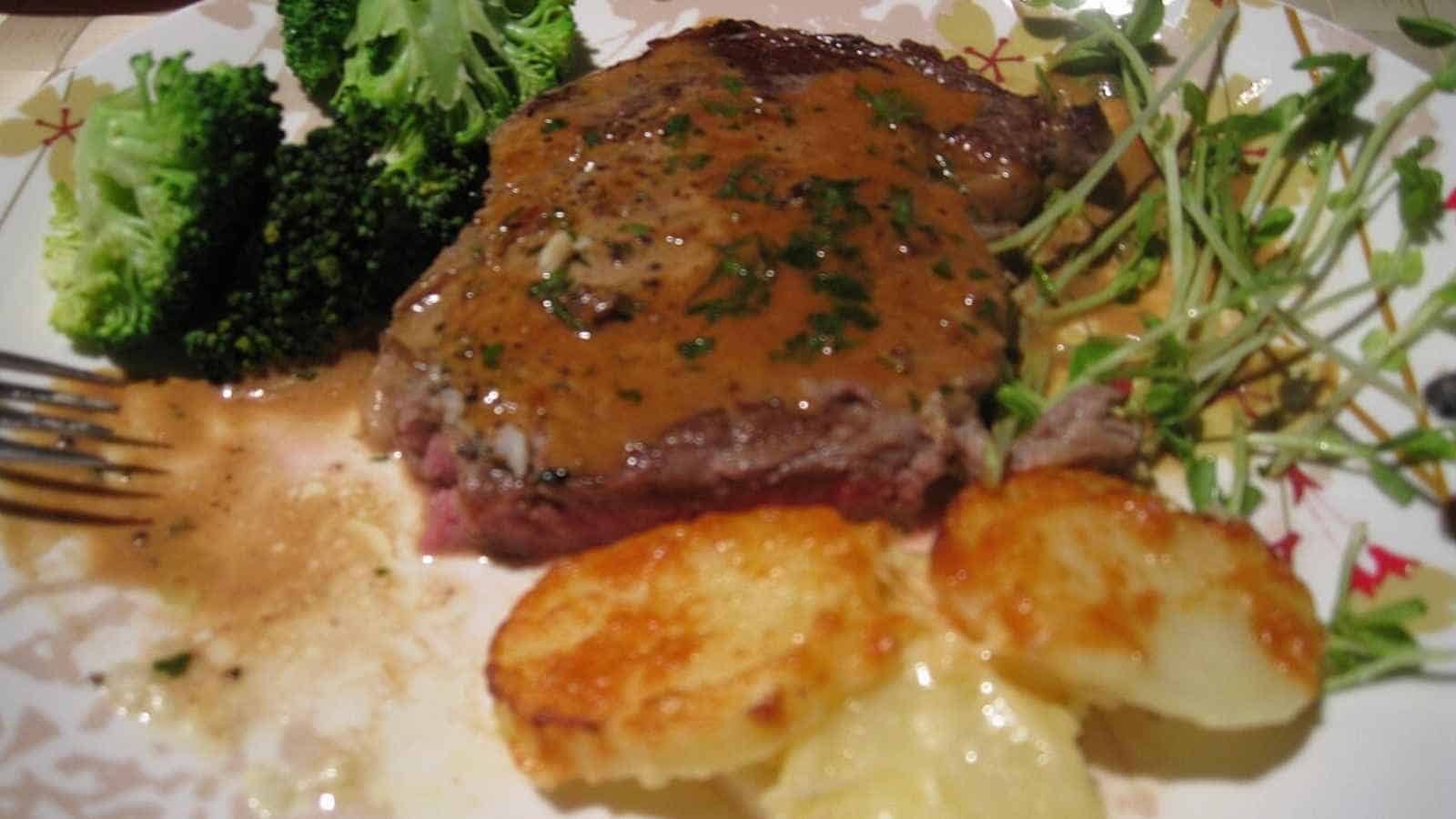
Preparing a pan sauce tableside was the 1990s version of a “special night.” Upper-income households account for most of this spending through trend-driven restaurants. You can chart income by seeing who treats a steakhouse menu as an everyday meal versus a ceremony.
For the upper middle class, bringing these restaurant vibes home marked every graduation and promotion. This culinary theater symbolized success, bridging the Gap between home cooking and fine dining. As habits shift, the ritual remains a memory of a time when a simple sauce could signal status and celebration for the suburban elite.
Key takeaways

- Dining as status: Food choices often function as “cultural capital” to signal education and wealth.
- Access matters: Higher income levels correlate with better access to fresh, diverse ingredients.
- The restaurant-to-home pipeline: Affluent families frequently recreate expensive restaurant experiences at home.
- Spending trends: Upper-income households drive the increase in U.S. dining spend.
Like our content? Be sure to follow us