10 questions atheists ask that Christians struggle to answer
You know that moment when a simple question suddenly makes your lifelong beliefs feel a lot less simple?
Faith is often like walking on a tightrope without a safety net underneath you, forcing you to hold onto belief while the wind blows hard enough to shake your confidence. You cling to what you know, but sometimes the gusts of doubt are strong enough to make even the most devout believer wobble. Questions from skeptics can feel like that wind, testing the very foundation you stand on in ways you never expected.
It turns out that asking tough questions is becoming a national pastime here in the States, with the religious environment shifting like sand under our feet. Believers often find themselves stumped by logic that seems to cut right through the usual Sunday school answers. These ten inquiries are the ones that usually make the room go completely silent during a dinner party debate.
The Problem Of Suffering

If God is all good and all-powerful, then why do bad things happen to good people who simply do not deserve such pain? This ancient riddle keeps many awake at night, wondering why a benevolent creator allows heartbreak, disease, and tragedy to run rampant. It is the heavy rock in the shoe of theology that just will not go away, no matter how you adjust your step.
You might hear standard answers about free will, but they often fall short when tragedy strikes the innocent or the defenseless. A 2025 Pew Research Center report highlights this disconnect, noting that for every one converted to Christianity, there are now six former Christians walking away. That statistic suggests that for many, the silence of God in the face of suffering is simply too loud to ignore.
The Silence Of God

If the creator of the universe wanted a relationship with us, why does he seem to be playing the ultimate game of hide and seek? Skeptics argue that a God who wants to save everyone would make his presence undeniable rather than relying on ancient texts and invisible promptings. It feels less like a relationship and more like a one-sided conversation where you are never quite sure if the phone is connected.
Believers often say that God reveals himself to those who seek him, but that answer can feel dismissive to those who have tried and felt nothing. It is difficult to maintain a connection with a being who refuses to show up for coffee or even send a text message confirmation. The ambiguity of his existence is a stumbling block that faith alone often struggles to vault over.
Hell And Good People

The idea that a kind, moral person could face eternal torment simply for checking the wrong religious box sits very poorly with modern sensibilities. It seems incredibly harsh to think that Gandhi or your sweet agnostic neighbor might be doomed while a repentant murderer gets a pass. This concept of exclusive salvation feels less like justice and more like a cosmic club with an arbitrary bouncer.
Most people instinctively feel that character should count for more than the specific label you wear on your soul. According to a 2025 Pew Research Center survey, 48% of Americans now say that many religions may be true, reflecting a major shift away from exclusive dogmas. We are moving toward a view where goodness is recognized regardless of the name you use when you pray.
Science Versus Genesis
Trying to reconcile the six-day creation story with dinosaurs and carbon dating is a mental gymnastics routine that leaves many exhausted. The scientific consensus on the age of the Earth and evolution is overwhelming, making the literal interpretation of Genesis a hard pill to swallow. For many, choosing between their faith and their high school biology textbook feels like an unfair ultimatum.
While some Christians view the creation story as a metaphor, others insist on a literal reading that clashes directly with modern geology and physics. A Gallup poll found that only 20% of Americans now view the Bible as the literal Word of God, the lowest point on record. This dropping number shows that fewer people are willing to deny visible evidence for the sake of ancient tradition.
The Geographic Lottery

If you had been born in India, you would likely be Hindu; if you were born in Tibet, you would almost certainly be Buddhist. This simple fact of geography claims that one religion is the “absolute truth” seems incredibly dependent on your zip code. It raises the uncomfortable suspicion that your faith is less about divine revelation and more about where your parents decided to settle down.
Christians often struggle to explain why a just God would base salvation on a game of geographic chance that billions are destined to lose. It implies that the vast majority of the human population was born in the wrong place at the wrong time. Realizing that your belief system is largely an accident of birth can be a disorienting moment for anyone.
Old Testament Morality
Reading the Old Testament can be a shocking experience, filled with stories of sanctioned slavery, genocide, and harsh retributions that would be illegal today. It is jarring to see the same God who is described as love also commanding armies to wipe out entire civilizations. Trying to square these violent ancient commands with modern ethics is like trying to fit a square peg into a round hole.
Apologists will talk about historical context or a progressive revelation, but those explanations often sound like excuses for behavior we would condemn in any other leader. Skeptics point out that objective morality should not have an expiration date or a cultural loophole. If God is the standard of goodness, his past resume should probably not include war crimes.
Unanswered Prayers

You may have heard stories of miraculous healing, but for every success, thousands of prayers seem to hit the ceiling and bounce back. It is heartbreaking to watch faithful people pray fervently for a sick child, only to face the same outcome as those who never prayed at all. The inconsistency makes prayer look less like a direct line to heaven and more like a roll of the dice.
When statistically analyzed, the outcomes for prayed-for patients often look indistinguishable from those without prayer, which is a hard pill to swallow. A 2025 Gallup poll indicates that 59% of Americans believe religion is losing its influence on society, perhaps partly due to this lack of tangible results. When the rubber meets the road, people want to see a vehicle that actually starts.
Free Will And Omniscience

If God knows everything that will happen before it happens, then your future choices are already set in stone, effectively before you are born. This creates a paradox where you are told you have free will, yet the script has already been written by an all-knowing author. It is like being told you can drive anywhere you want, but the car is on a fixed track at an amusement park.
Theological attempts to explain this away often end up in a dizzying loop of logic that satisfies almost no one. If the ending is already known to the director, then the actors are just going through the motions without any real agency. The tension between being free to choose and being destined to act is a knot that theology cannot quite untie.
Verification Of Miracles
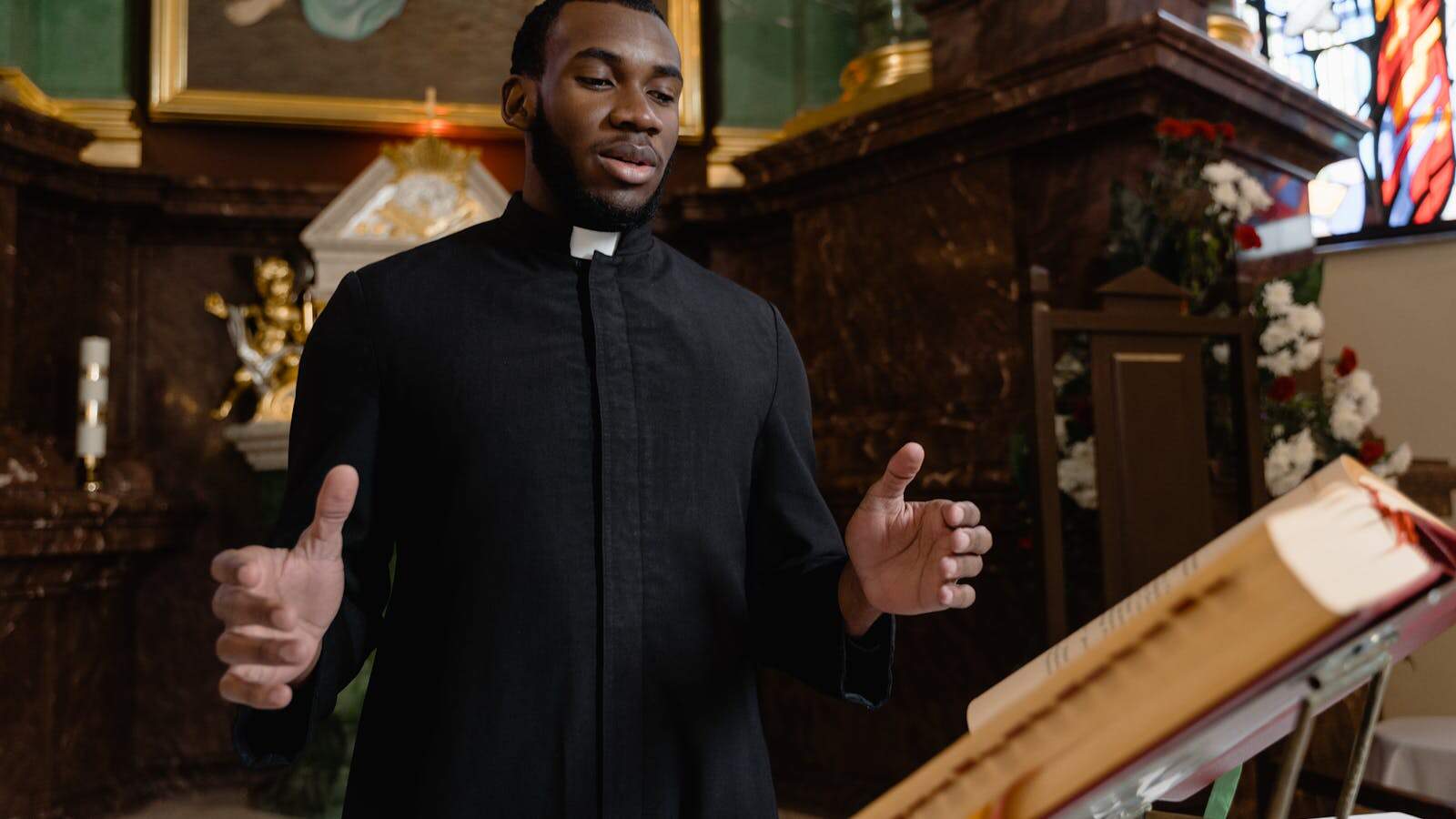
In an age where everyone has a high-definition camera in their pocket, why is the footage of miracles still so grainy and ambiguous? We see plenty of claims about healed back pain or cured headaches, but we never see a regrown limb or a restored eye. The miraculous seems to shy away from the scrutiny of clear documentation and reproducible evidence.
This lack of hard proof leads many to wonder if “miracles” are just natural anomalies that we dress up in religious language. A Barna Group report from 2025 notes that while Bible reading among Gen Z has jumped to 49%, literal belief remains low, suggesting young people are looking for metaphor rather than magic. They are interested in the stories, but they are not necessarily buying the special effects.
One Way To God
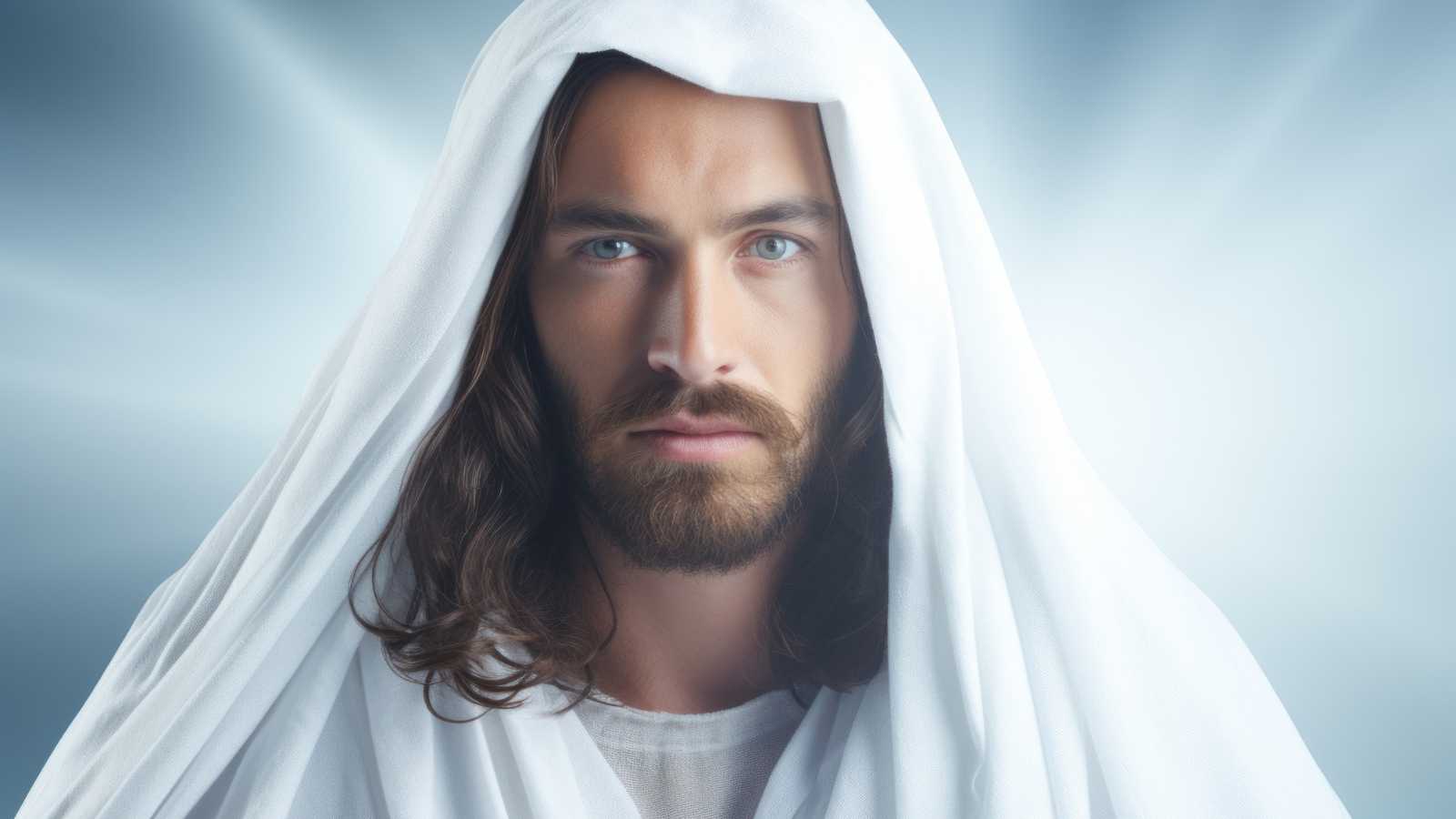
The assertion that Jesus is the only way to salvation automatically condemns billions of non-Christians to an eternity without God. This exclusivity is a tough sell in a globalized world where we interact with wonderful people of different faiths every day. It feels incredibly arrogant to claim that your specific group holds the only key to the only door that matters.
Christians often try to soften this by talking about God’s mysterious mercy, but the core text is pretty rigid on the matter. Recent Pew Research data shows that 35% of U.S. adults have switched religions since childhood, often searching for a more inclusive spiritual home. People are voting with their feet, moving away from rigid boundaries and toward a more open horizon.
Like our content? Be sure to follow us