10 reasons Finnish schools don’t give homework
What if the secret to better learning wasn’t more effort after school, but knowing when to stop?
Imagine a world where the school bell rings at two in the afternoon and your day is officially done, with absolutely no math sheets to fill out at home. It sounds like a fantasy to most exhausted American parents and students, but this is just a regular Tuesday for families living in Finland.
While American students often trudge home with heavy backpacks and hours of assignments awaiting them, their Finnish counterparts are out riding bikes or spending time with family. This relaxed approach might seem counterintuitive to us, but the results suggest they have figured out something we haven’t.
Focus On Learning During School Hours

Finnish educators believe that if you do the work efficiently during the day, there is no need to drag it out into the evening hours. Teachers structure their lessons to ensure students grasp the core concepts right then and there.
This philosophy frees up the evenings for rest, hobbies, and spending time with loved ones, which actually recharges the brain for the next day. According to VisitEduFinn, Finnish students average just 2-3 hours of homework a week.
Teachers Are Highly Educated Experts

You won’t find just anyone standing at the front of a Finnish classroom; teaching is a highly respected and competitive profession there. Every single teacher is required to hold a master’s degree, ensuring they are true pedagogical experts.
Because they are so well-trained, they can adapt their teaching methods in real time to help struggling students immediately. This high level of expertise means they don’t need to assign busywork to check for understanding.
The Fifteen Minute Recess Law

Kids in Finland are not expected to sit still for hours on end because their system recognizes that the brain needs frequent breaks to function well. TechClass says Finnish law mandates that for every 45 minutes of instruction, students must get 15 minutes of free play.
This constant cycle of focus and release keeps energy levels high and helps children process what they just learned. American schools often cut recess to squeeze in more academic time, but Finnish schools know that play is learning.
Assessing Without Constant Testing

The pressure of “teaching to the test” does not exist in Finland because it simply does not bombard its students with standardized exams. There is only one mandatory standardized test, the Matriculation Examination, taken at the end of high school.
Instead of filling in bubbles on a scantron sheet, students are graded by their teachers, who know their individual progress best. This freedom allows the curriculum to remain flexible and interesting rather than rigid and exam-focused.
Prioritizing Happiness and Well-Being

The entire education system is built on the idea that a happy child is a successful child, and the data backs this up year after year. In the 2025 World Happiness Report, Finland was named the world’s happiest country for the eighth consecutive year.
By removing the stress of nightly assignments and high-stakes testing, schools protect students’ mental health. Schools focus on fostering a balanced life in which academic success does not come at the cost of emotional health.
Fostering Creative Thinking Skills
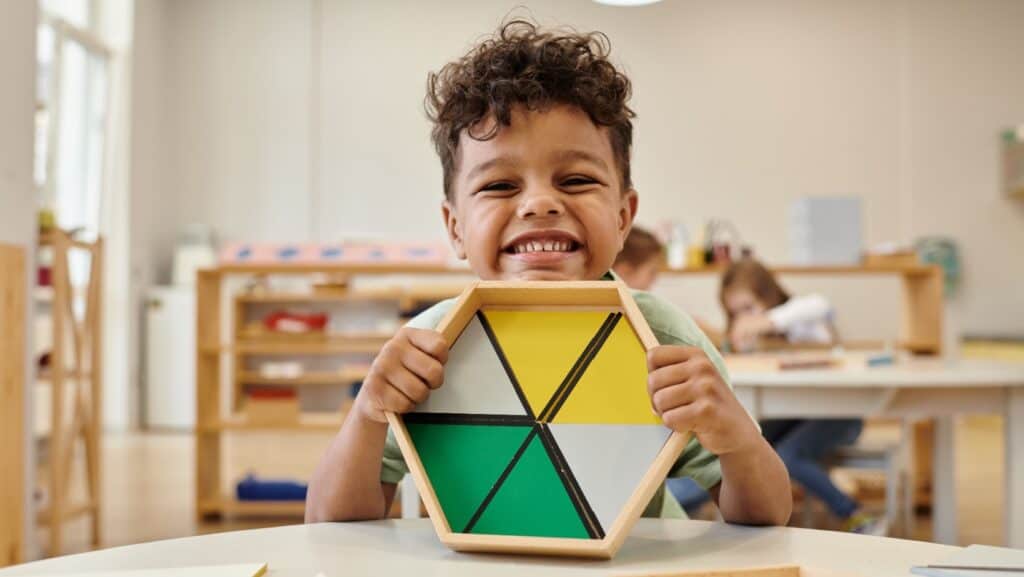
Without the burden of repetitive homework, students have the mental space to think outside the box and solve problems in new ways. OECD says the recent PISA results show that 39% of Finnish students are top performers in creative thinking, compared to the OECD average of 27%.
This emphasis on creativity over rote memorization prepares them better for real-life challenges than hours of drilling ever could. Teachers encourage students to ask “why” and “how” rather than just memorizing the “what” for a test.
Trusting The Students

Finnish culture is built on a foundation of trust, and this extends to the relationship between the school and the student. Students are trusted to take responsibility for their own learning without the need for constant monitoring or forced assignments.
This autonomy fosters a sense of ownership over their education, often leading to better long-term motivation. When students feel trusted rather than micromanaged, they tend to engage more deeply with the material.
Creating Equity Among Students

Homework often widens the gap between students because not every child has a quiet home or parents available to help them with algebra. By keeping the schoolwork at school, Finland ensures that every child has the same support and resources to complete their tasks.
This approach levels the playing field so that a student’s success is not dependent on their home environment. It reflects a core belief that education should be an equalizer, not a source of further division.
Keeping Kids Active
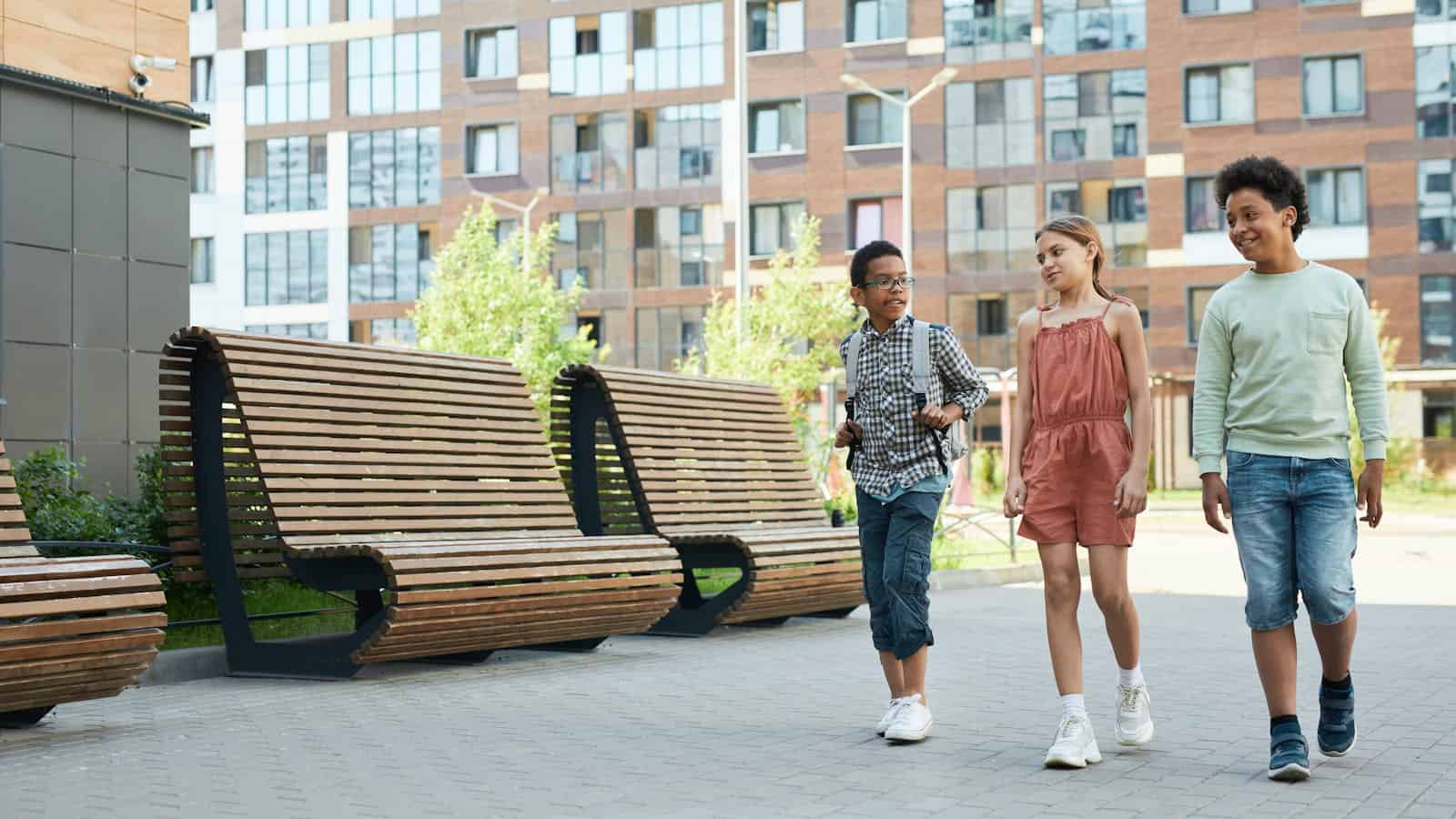
The Finnish view is that a sedentary child is one who struggles to learn, so they prioritize movement throughout the day. Many students bike or walk to school even in the snow, arriving alert and ready to learn.
Without homework chaining them to a desk all evening, they have time for organized sports or just running around outside. Physical activity is seen as a crucial component of brain development rather than a distraction from studying.
Family Time Matters Most

In Finland, the evening is considered a sacred time for the family to reconnect, cook dinner together, and just relax. Teachers respect this boundary and believe that strong family bonds are just as important as knowing historical dates.
This separation of school and home helps prevent burnout for both the children and the parents. A rested, happy family unit ultimately supports the child’s ability to learn better than any worksheet could.
Disclaimer – This list is solely the author’s opinion based on research and publicly available information. It is not intended to be professional advice.
Like our content? Be sure to follow us.