10 similarities between Islam and Christianity
Despite centuries of conflict-focused headlines, Islam and Christianity quietly share a core set of beliefs that shape how more than half the world understands God, morality, and daily life.
Many people might be surprised to discover just how much common ground exists between the world’s two largest faiths. While headlines often focus on division, a closer look reveals that Islam and Christianity share deep historical roots and spiritual practices that have shaped billions of lives for centuries. Understanding these shared connections can help bridge the gap between communities and foster mutual respect in our increasingly diverse society.
These two religions trace their lineage back to the same patriarch, Abraham, and worship the same God, known as Allah in Arabic and God in English. This shared origin creates a spiritual kinship that is far more significant than the theological differences that tend to dominate public discourse. By exploring these similarities, we can uncover a foundation for dialogue that goes beyond tolerance and moves toward genuine appreciation for one another.
Belief In One God

The most fundamental similarity between Islam and Christianity is the unwavering belief in a single, all-powerful Creator who sustains the universe. Christians and Muslims both hold that God is eternal, omniscient, and the source of all moral authority, guiding humanity through divine revelation and signs in the natural world. This shared monotheism is the cornerstone of both faiths and serves as the primary lens through which believers view their purpose and existence.
In both traditions, this one God is seen as merciful and compassionate, constantly inviting believers to turn away from sin and seek forgiveness. A recent Pew Research Center study from 2025 found that 70% of Americans believe in heaven, hell, or both, reflecting a shared conviction in a divine accountability that transcends our earthly lives. This mutual belief in a higher power provides a strong basis for shared values and ethical living across both communities.
Reverence For Jesus
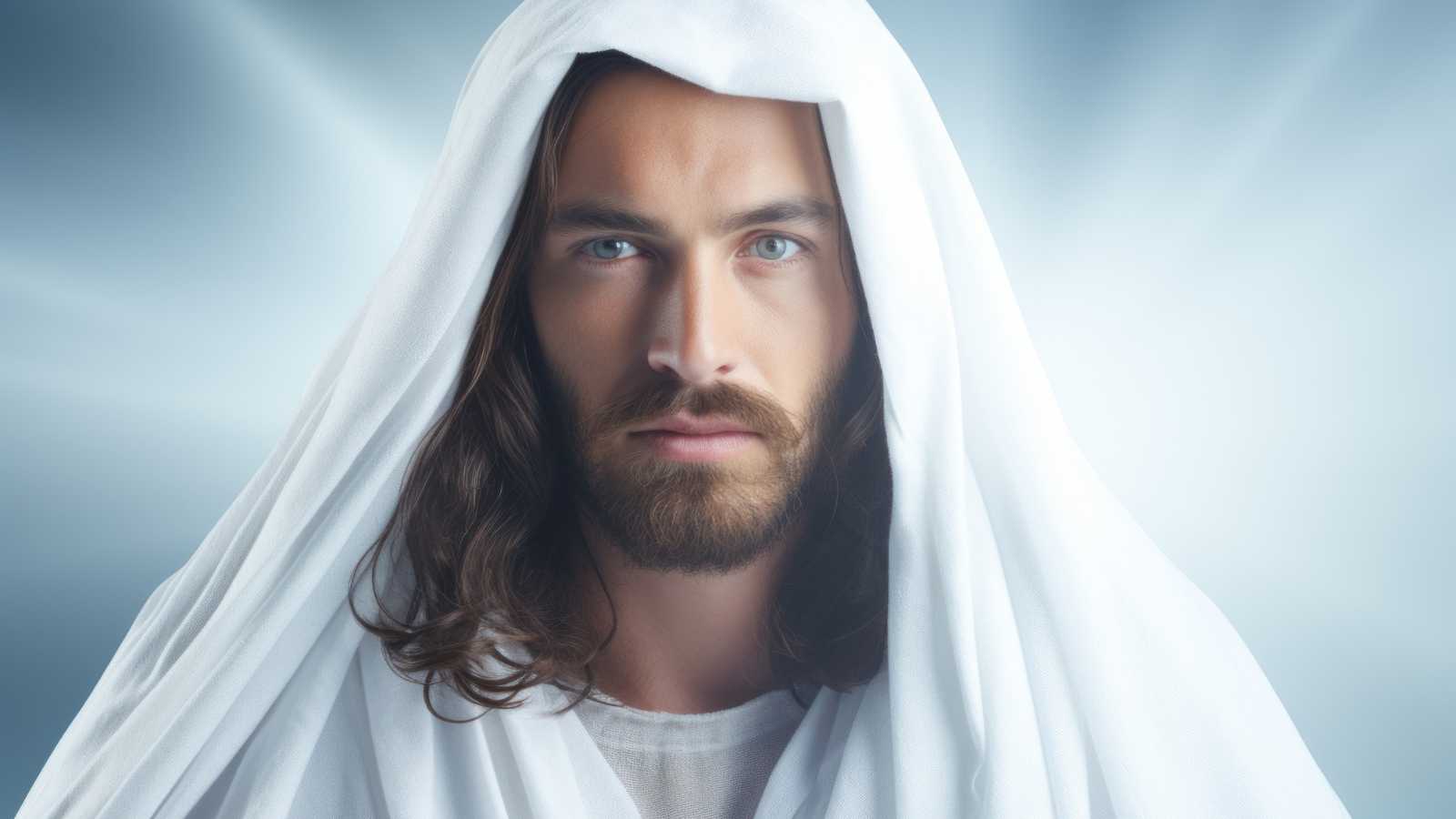
It often comes as a shock to many Westerners that Jesus figures prominently in the Islamic faith, just as he is the central figure of Christianity. Muslims revere Jesus, or Isa, as one of the greatest prophets sent by God, acknowledging his miracles and his role as the Messiah who will return to Earth before the Day of Judgment. While Muslims do not consider him the son of God, their deep respect for his teachings and his virgin birth aligns closely with Christian adoration.
The narrative of Jesus’s life in the Quran includes healing the blind, raising the dead, and speaking from the cradle to defend his mother’s honor. This high regard for Jesus creates a powerful theological bridge, enabling conversations that begin from a place of love rather than conflict. Recognizing this shared reverence can transform how neighbors view one another’s holidays and spiritual heroes.
The Importance Of Prayer

Prayer is the daily heartbeat of spiritual life for both Christians and Muslims, serving as a direct line of communication with the Divine. Whether it is the Muslim practice of Salah performed five times a day or the Christian commitment to daily devotionals and Sunday services, the act of prayer grounds believers in gratitude and humility. According to a 2025 Pew Research Center report, 44% of U.S. adults say they pray at least once a day, underscoring the centrality of this practice in American life.
Both traditions emphasize that prayer is not just a ritual but a personal wrestling with one’s soul and a plea for guidance in difficult times. Believers in both faiths use prayer to seek comfort, ask for forgiveness, and express their deepest hopes for their families and communities. This shared discipline of pausing the day to connect with God reveals a common human need for spiritual anchorage.
Honor For The Virgin Mary

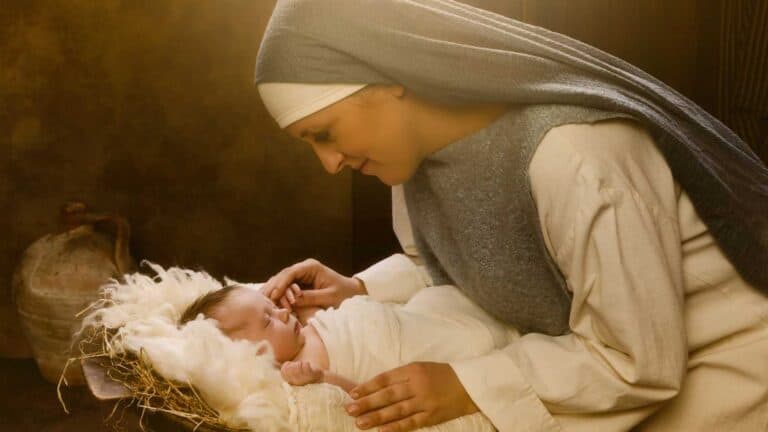
The Virgin Mary holds an exalted position in both Islam and Christianity, serving as a paragon of purity, faith, and obedience to God. In fact, Mary is the only woman mentioned by name in the Quran, and an entire chapter is named “Maryam” in her honor, a distinction not even accorded to the mothers or wives of prophets. This shared veneration is a beautiful testament to her universal legacy as a woman chosen above all others.
Christianity celebrates her as the Theotokos or Mother of God, while Islam honors her as the greatest of all women, chosen to bear Jesus through a miraculous virgin birth. Her story is one of immense courage and trust in the face of societal scrutiny, resonating deeply with believers who face their own trials. Celebrating Mary’s legacy offers a unique opportunity for interfaith dialogue centered on feminine spirituality and grace.
Commitment To Charity

Helping the poor and marginalized is a non-negotiable duty in both Christianity and Islam, reflecting God’s love for the vulnerable. Christians practice tithing and almsgiving, often inspired by biblical commands to love one’s neighbor, while Muslims fulfill the pillar of Zakat, a mandatory contribution to the needy. This dedication to social welfare is a powerful engine for good, driving countless hospitals, food pantries, and shelters around the globe.
The spirit of giving goes beyond financial support, encompassing acts of kindness, volunteering, and standing up for justice in the face of oppression. A 2023 Gallup poll revealed that 160 million more religious adults worldwide report positive experiences than those who are not religious, suggesting that a life of service and giving contributes deeply to personal well-being. Both faiths teach that true wealth is found not in accumulation but in what is given away to others.
Fasting as a Spiritual Discipline
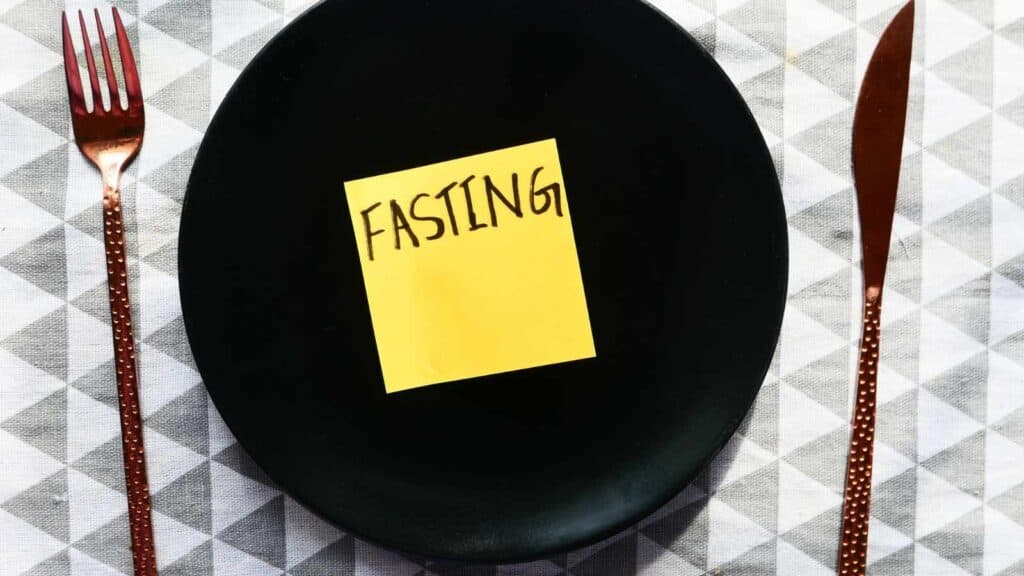
Fasting is a transformative practice in both religions, designed to detach the believer from physical desires and focus the mind on spiritual matters. Muslims fast from dawn to sunset during the holy month of Ramadan, abstaining from food and drink to cultivate self-discipline and empathy for the hungry. Similarly, many Christians observe Lent by giving up certain luxuries or fasting on Ash Wednesday and Good Friday to prepare their hearts for Easter.
These periods of self-denial are not meant as punishment but rather as a way to cleanse the soul and reset one’s priorities in a chaotic world. By voluntarily experiencing hunger and want, believers in both traditions learn to control their impulses and deepen their reliance on God’s provision. This shared experience of physical sacrifice for spiritual gain is a profound connection that transcends cultural boundaries.
Belief In The Afterlife

The conviction that this life is a temporary test and that a permanent existence awaits after death is central to both Islamic and Christian theology. Both faiths describe a Day of Judgment where every individual will be held accountable for their deeds, leading to an eternity in either Paradise or Hell. This long-term perspective shapes how believers navigate their daily choices, encouraging moral behavior and a focus on leaving a positive legacy.
While the specific descriptions of heaven may differ, the underlying promise of eternal peace and the presence of God offer hope to billions. Statistics from Pew Research show that Islam was the world’s fastest-growing religion from 2010 to 2020, reaching 2.0 billion adherents, suggesting that this message of eternal purpose continues to resonate globally. The hope of a reunion with loved ones and divine justice provides comfort in times of grief for members of both communities.
Emphasis On Peace

Despite the actions of extremists who distort religious texts, the core message of both Islam and Christianity is one of peace and reconciliation. The very word “Islam” is derived from the same root as “Salam,” meaning peace, while Jesus is celebrated in the Bible as the “Prince of Peace.” True adherents of both faiths strive to live in harmony with their neighbors and are often at the forefront of peacebuilding efforts in conflict zones.
Scriptures in both traditions command followers to turn away from violence, forgive enemies, and pursue justice without aggression. It is a tragedy that political conflicts often overshadow this shared theological mandate to be peacemakers in a fractured world. Highlighting this common ethical demand is crucial for correcting misconceptions and fostering a safer global community.
Divine Revelation Through Holy Books
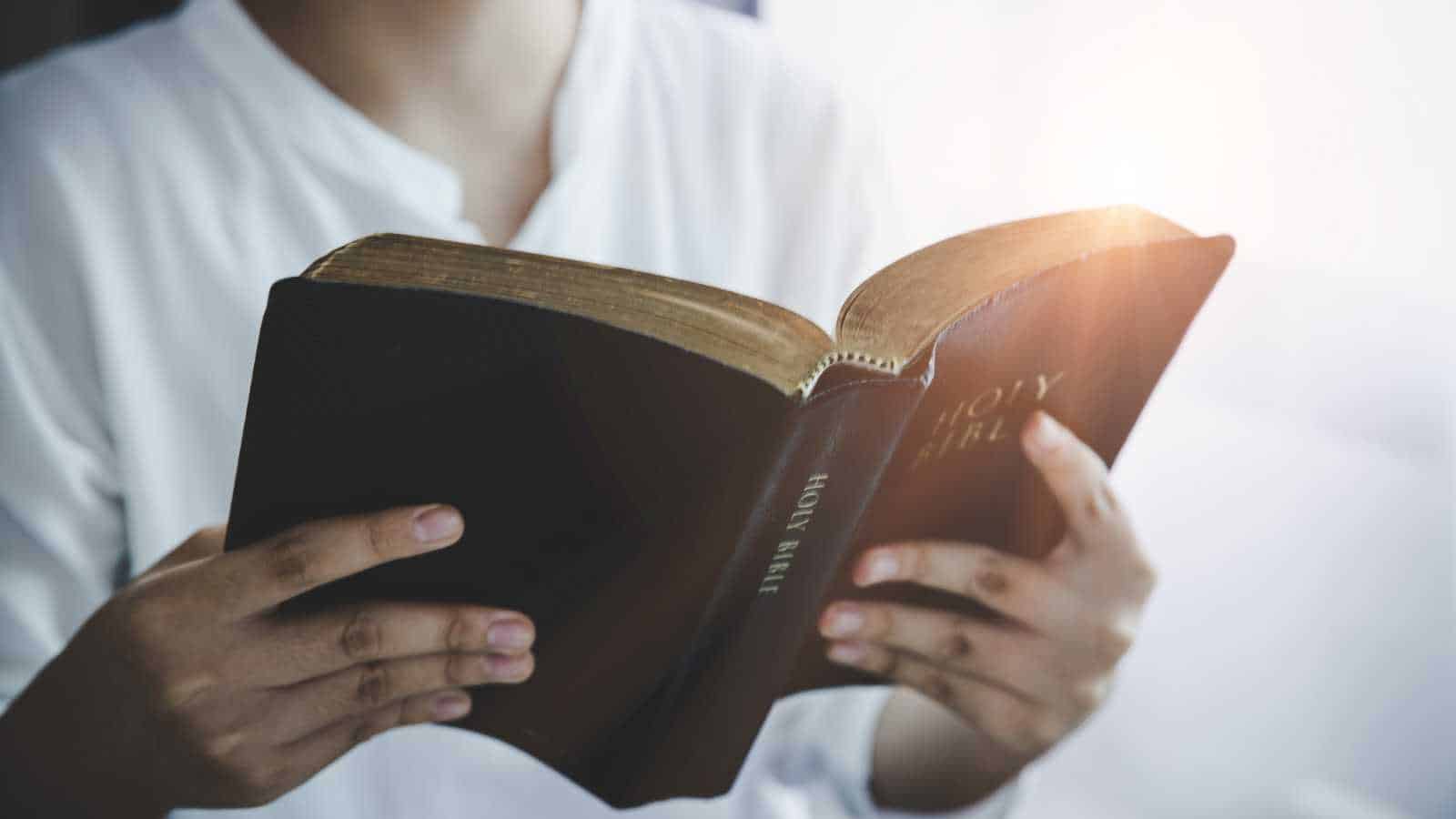
Both religions are “People of the Book,” relying on divinely revealed scriptures to guide their doctrine, laws, and daily conduct. Christians look to the Bible as the inspired word of God, while Muslims believe the Quran is the final revelation confirming earlier scriptures, including the Torah and the Gospel. This reliance on written texts ensures that the faith’s values and history are preserved across generations and cultures.
These holy texts share many of the same stories, parables, and moral lessons, featuring figures like Noah, Moses, and Joseph. A Gallup survey found that 49% of Americans say religion is “very important” in their lives, indicating that these ancient texts continue to wield significant influence over modern decision-making. Reading these scriptures reveals a shared ethical framework that has underpinned human civilization for millennia.
Strong Family Values

The family unit is considered the foundational building block of society in both Islam and Christianity, with heavy emphasis on respect for parents and the sanctity of marriage. Both traditions teach that strong families create strong communities, and they provide detailed guidance on raising children with moral integrity. This shared focus on family cohesion offers a buffer against the isolation and fragmentation often felt in modern life.
Rituals surrounding birth, marriage, and death are central to community life, reinforcing the bonds of kinship and intergenerational responsibility. Believers are encouraged to prioritize their relatives’ needs and to treat their elders with dignity and compassion. In a rapidly changing world, this commitment to family remains a stabilizing force that unites Christians and Muslims in their daily lives.
Disclosure: This article was developed with the assistance of AI and was subsequently reviewed, revised, and approved by our editorial team.
Like our content? Be sure to follow us