10 unspoken rules in the U.S. that control behavior
The first thing you’d likely learn in the U.S. isn’t English or directions; it’s all the little things nobody bothers to explain, but everyone expects you to know.
Visiting the United States is incredible, yet it can leave you scratching your head. From the outside, the customs might seem puzzling, but beneath the surface lies a specific code of conduct that keeps the gears turning. There is a rhythm to American life that goes beyond written laws, shaped by unspoken agreements.
Observers quickly learn that fitting in requires more than just speaking the language or having the right visa documents. It is about understanding the silent nods, the expected distances, and the social cues that every local seems to inherit at birth. These invisible guidelines dictate how people interact in elevators, restaurants, and even while waiting for the bus.
Smiling Is A Default Setting

Walking down the street, you will notice that people smile at you even if they have absolutely no idea who you are. This facial expression signals safety and approachability rather than genuine happiness or amusement. In some cultures, smiling at nothing is seen as foolish, but here, a stone face is seen as hostile.
Researchers suggest this trait stems from a history of immigration, where a smile bridged language barriers between diverse groups. Flash a grin at a passerby, and you are participating in a centuries-old tradition of non-verbal peace treaties. It creates a pleasant, albeit sometimes superficial, atmosphere in public spaces.
The Tipping Culture Is Mandatory, Not Optional
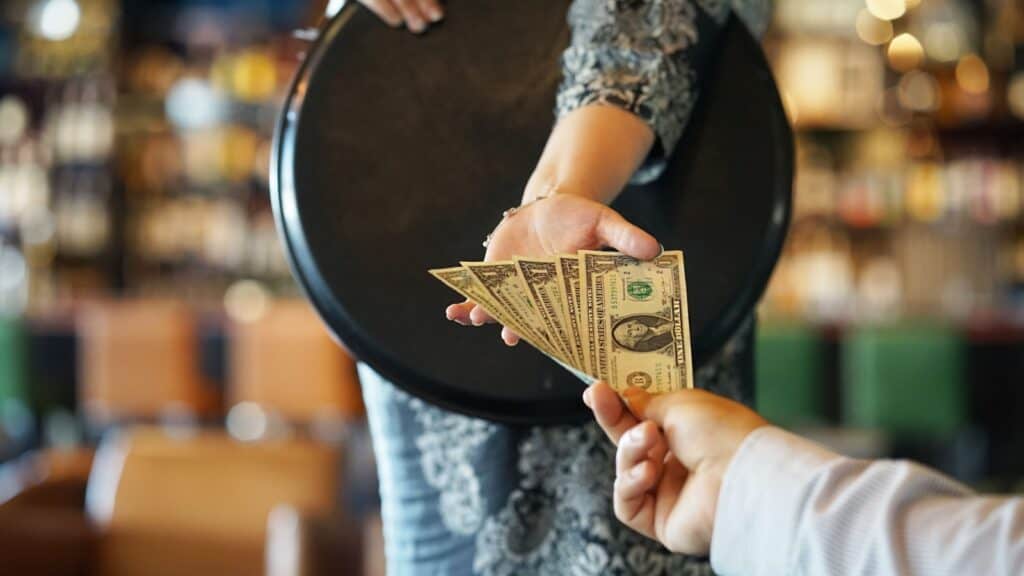
While many countries view a gratuity as a bonus for exceptional service, in the States, it is the lifeblood of the service industry. If you leave a restaurant without adding that extra twenty percent, you have essentially broken a cardinal social contract. It might feel strange to pay extra for someone doing their job, yet the system relies entirely on this consumer generosity.
Servers often earn a lower base wage, making those tips a critical part of their livelihood rather than just pocket money. According to a Bankrate survey, roughly 63% of U.S. adults hold a negative view of tipping, yet they still tip out of obligation. Walking away from a table without leaving cash or signing the receipt is considered one of the rudest things a person can do.
The Invisible Bubble Of Personal Space

Americans cherish their physical distance, maintaining an invisible perimeter that strangers must not breach under any circumstances. Standing too close to someone in a checkout line can make them visibly uncomfortable or even irritable. This concept of a “bubble” is much larger here than in crowded cities across Europe or Asia.
If you step inside this zone, you will likely see people shuffling away to re-establish the proper gap. Respecting this arm’s length distance is a silent sign of respect and sanity in public places. It is not that people are unfriendly; they prefer to keep their immediate surroundings open and airy.
Small Talk With Strangers Is Expected

Silence in an elevator or a waiting room is often seen as awkward rather than peaceful, prompting locals to fill the void with chatter. You might be surprised when a cashier asks about your weekend plans with genuine curiosity. This habit can confuse visitors who are used to keeping to themselves and avoiding eye contact with people they do not know.
It serves as a social lubricant, a quick way to acknowledge shared humanity before moving on with the day. A Preply poll found that 39% of Americans engage in small talk daily, highlighting how deeply ingrained this behavior is. Ignoring a friendly comment about the weather can make you seem cold or aloof, even if you are just shy.
Punctuality Is A Sign Of Character
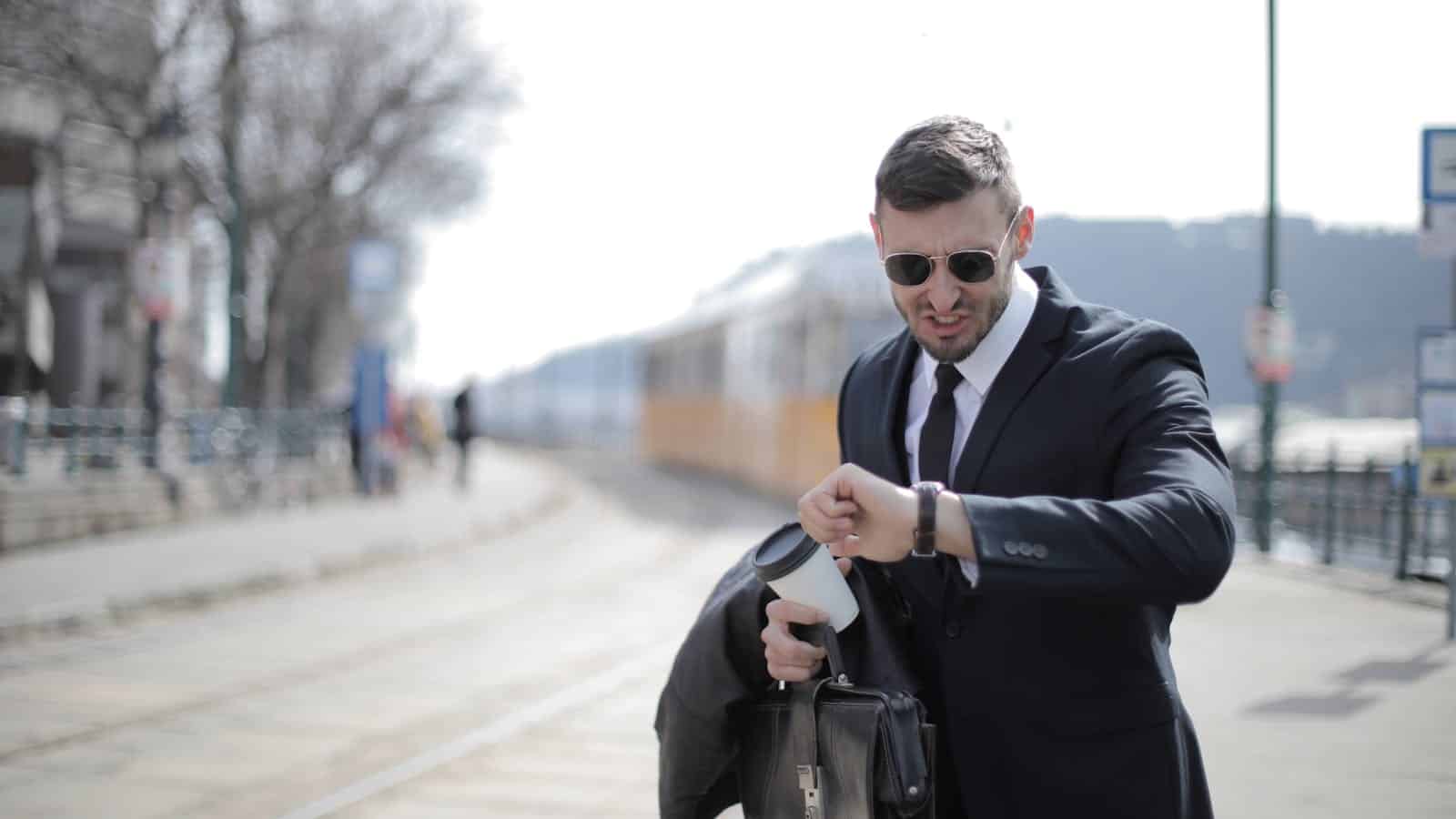
The clock rules everything in the U.S., where being on time is synonymous with being professional and respectful. Arriving five minutes late to a meeting requires a profuse apology, while being early is often the standard. In many other cultures, time is fluid, but here, the schedule is a rigid structure that demands obedience.
People often schedule their days down to the minute, leaving little room for spontaneous delays or long lunches. According to a CareerBuilder survey, 29% of workers admit to being late at least once a month, a statistic often cited as a sign of a lack of discipline. This obsession with efficiency drives the economy but can leave everyone feeling perpetually rushed.
The Customer Service Smile And Speed

Walking into a store in the U.S. means being greeted with a level of enthusiasm that can seem suspicious to outsiders. Employees are trained to treat every patron as the most important person in the room, regardless of the situation. This high-energy service style is designed to make people feel welcome, though it can feel overwhelming.
The expectation is that problems will be solved instantly and with a smile; otherwise, a manager will be called. Americans are used to a level of convenience and responsiveness that is unmatched in many other parts of the globe. If the service falls short, the reaction is often swift and demanding, rooted in the idea that paying money guarantees satisfaction.
The Cult Of Being Busy

Idleness is rarely celebrated in American culture; instead, having a packed calendar is worn like a badge of honor. Asking someone how they are doing often yields the response “busy” or “tired,” said with a mix of exhaustion and pride. Relaxing without a purpose can be seen as laziness, prompting people to fill every gap with activity.
This drive leads to a workforce that often forgoes vacation time for fear of falling behind. Nearly half of U.S. workers take less time off than they are allowed to, showing their dedication to the grind. To fit in, you must at least appear to be hustling, even if you are secretly craving a nap.
Ice Water And Free Refills Are Rights

Sit down at any restaurant or cafe, and a glass of ice water will appear before you have even taken off your coat. The abundance of ice in beverages is a distinct American quirk that baffles visitors who prefer room-temperature drinks. It represents a culture of excess and comfort in which resources seem limitless.
Alongside the ice comes the expectation that your soda or coffee cup will never actually hit the bottom. Data from the Bureau of Labor Statistics show that the average household spends over $3,900 annually on dining out, fueling demand for constant service. Waiters silently top off drinks without asking, creating a magical, never-ending supply of liquid.
Pedestrians Have The Right Of Way
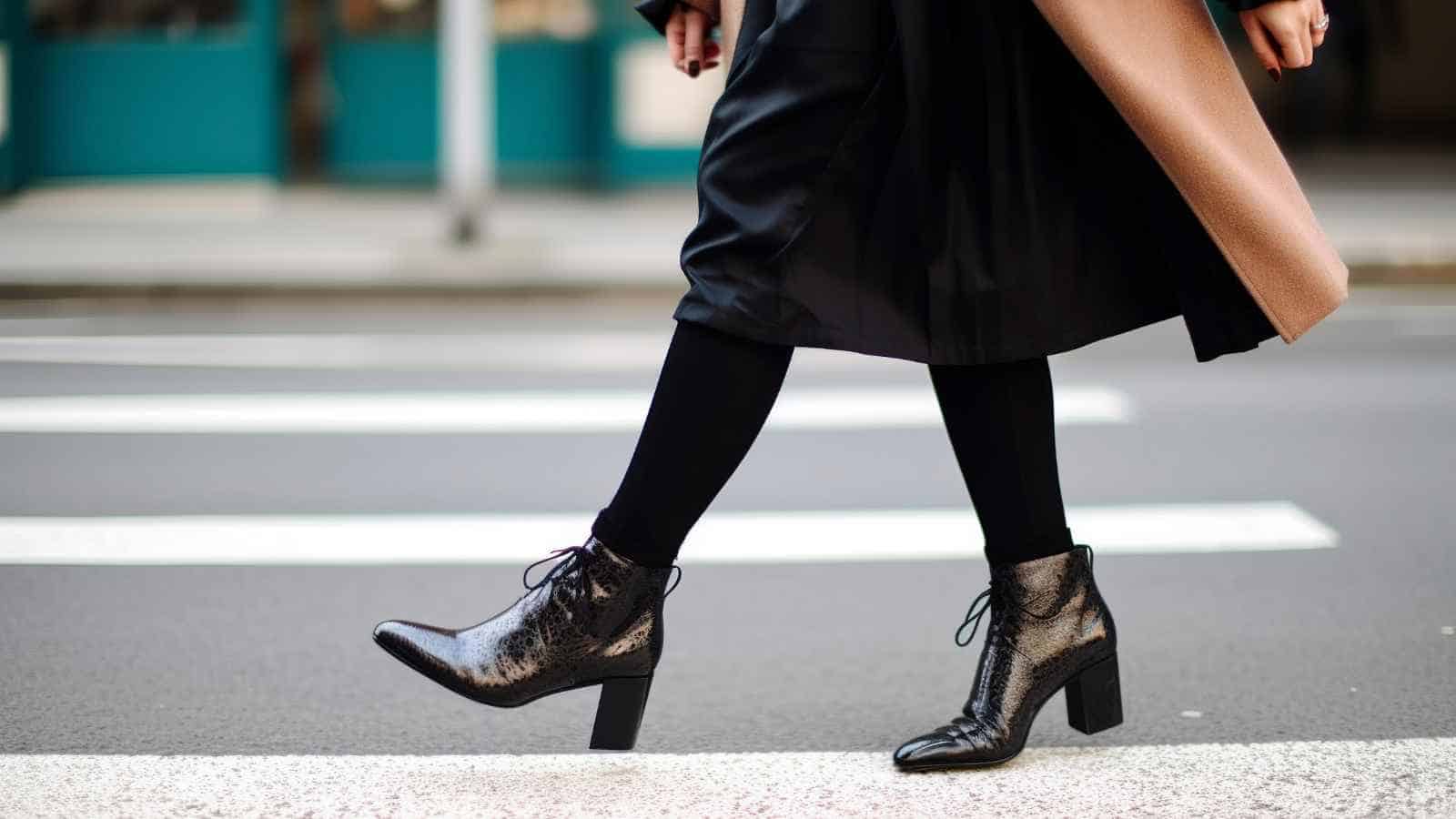
In the battle between steel machines and human bodies, the culture here dictates that the car must yield. Drivers will slam on their brakes if they see someone stepping off a curb, even if there is no stop sign. This is quite different from cities where crossing the street is a high-stakes game of survival.
However, this rule relies heavily on eye contact and the assumption that the driver is paying attention. Jaywalking is technically illegal, yet in busy cities, it becomes a calculated risk that everyone takes. The official rule remains that the person on foot is protected, a concept that gives walkers a surprising amount of confidence.
An Unshakeable Sense Of Optimism

There is a pervasive belief that things will get better and that anyone can achieve anything with enough hard work. This “can-do” spirit infuses conversations, making cynicism feel out of place in casual social circles. If you complain too much without offering a solution, you might find people tuning you out.
This mindset drives innovation and risk-taking, even when the odds are objectively terrible. A Gallup poll noted that while pride fluctuates, 41% of adults are still “extremely proud” to be American, reflecting a resilient, positive identity. Even in tough times, the cultural narrative pushes for a happy ending and a belief in second chances.
15 Things Women Only Do With the Men They Love

The 15 Things Women Only Do With the Men They Love
Love is a complex, beautiful emotion that inspires profound behaviors. We express our love in various ways, some universal and others unique to each individual. Among these expressions, there are specific actions women often reserve for the men they deeply love.
This piece explores 15 unique gestures women make when they’re in love. From tiny, almost invisible actions to grand declarations, each tells a story of deep affection and unwavering commitment.