10 vegetables you should never eat raw
Raw vegetables aren’t always the health halo we imagine—some common favorites can deliver toxins, bacteria, or digestive distress if they never meet heat.
We often think of raw vegetables as the ultimate health food, assuming that fresh from the garden means perfectly safe for our bodies. While crunchy carrots and bell peppers are fantastic snacks, some produce items can be dangerous if you skip cooking. You might be surprised to learn that some of your favorite healthy staples harbor natural toxins that heat neutralizes.
Understanding which veggies require a trip to the stove is essential for keeping your family safe and avoiding an unexpected trip to urgent care. This guide breaks down the most common offenders that need heat to be edible, ensuring your healthy diet stays that way without any nasty surprises. Ignoring these simple preparation rules could turn a nutritious dinner into a very regrettable and painful digestive situation.
Red Kidney Beans
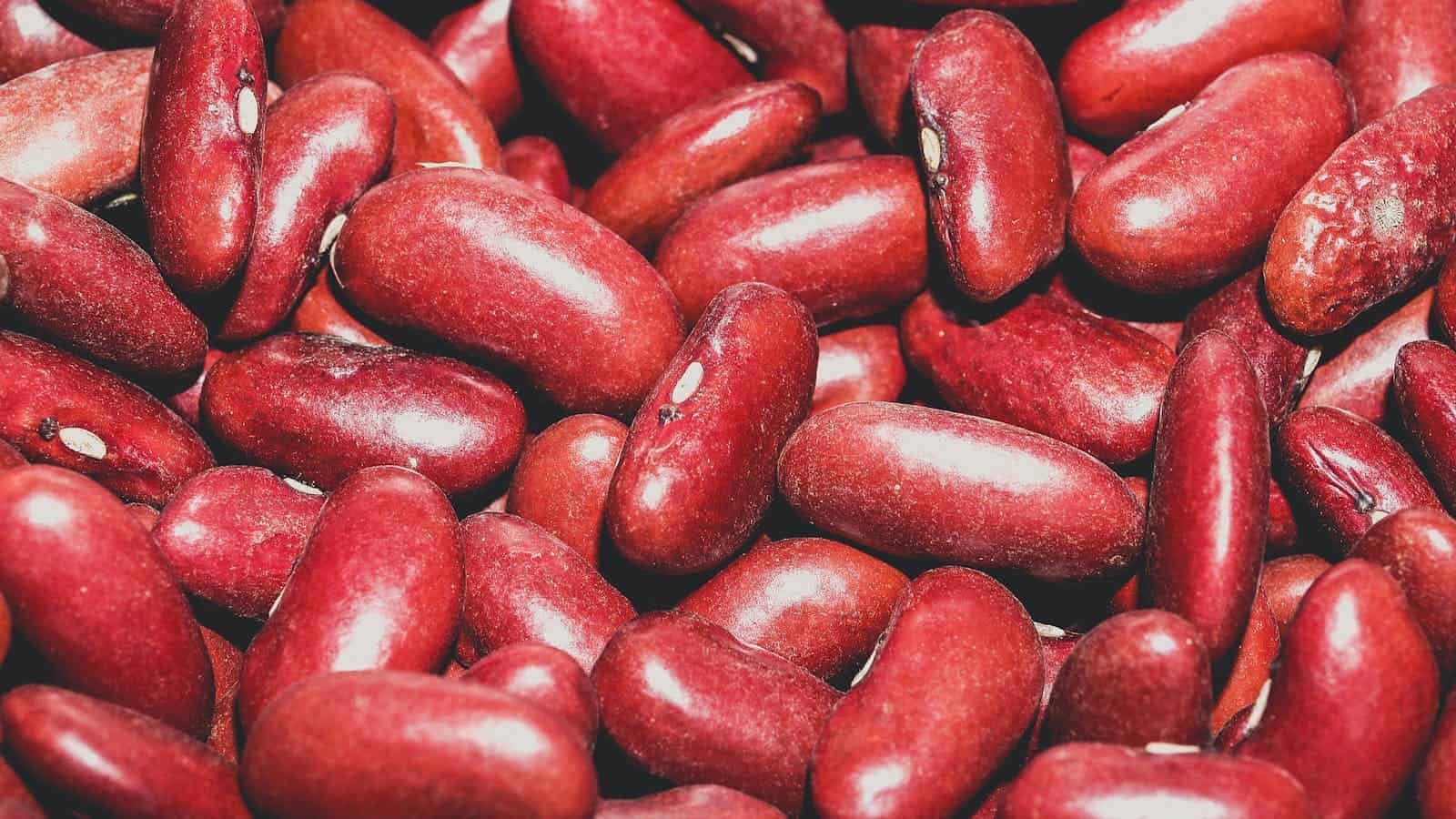
These beans are a pantry staple for chili, but tossing them into a salad without boiling them first is a massive mistake that many home cooks make. They contain a high concentration of phytohaemagglutinin, a toxin that can damage the gut wall and prevent proper nutrient absorption. You cannot just soak them and hope for the best; active boiling is the only way to destroy the toxin.
The FDA warns that consuming raw kidney beans can trigger extreme nausea, vomiting, and diarrhea within just a few hours. This reaction is so severe that it is often misdiagnosed as a sudden stomach bug rather than food poisoning from a simple bean. Always boil these beans for at least ten minutes to neutralize the danger before adding them to your slow cooker recipes.
Cassava
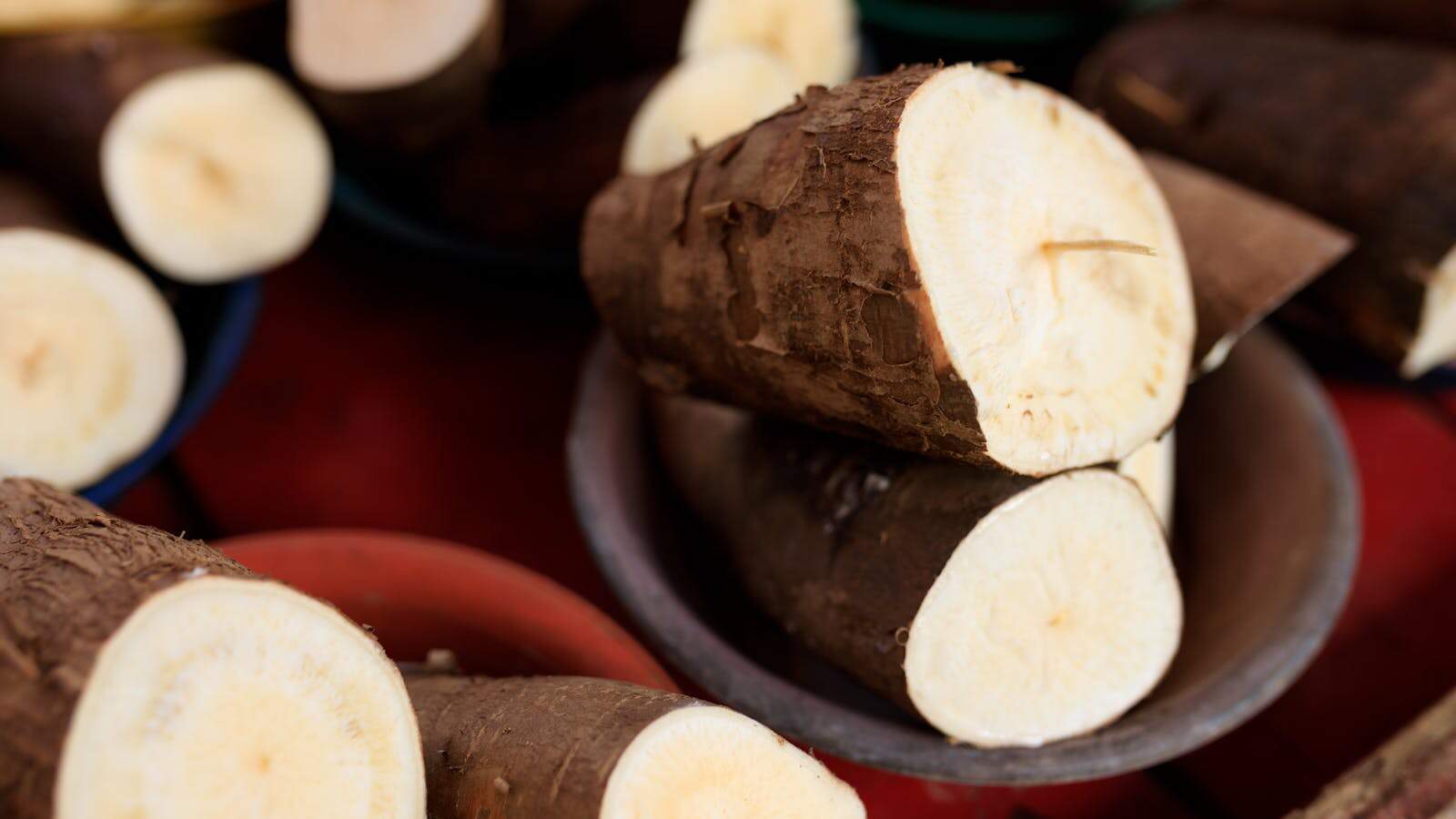
This starchy root vegetable is a major carbohydrate source for millions, yet it poses a hidden danger due to naturally occurring cyanide compounds. If you eat it raw or prepare it incorrectly, the plant can release hydrogen cyanide, posing a serious risk of toxicity to consumers. It requires thorough peeling and cooking to be safe for human consumption.
Traditional processing techniques such as soaking, drying, and boiling are used to reduce these harmful compounds to safe levels. The lethal dose of the cyanide-producing compound is estimated at roughly 1 mg per kg of body weight, which is a frighteningly small margin of error. Treat this root with respect and never nibble on it raw, no matter how fresh it looks at the market.
Alfalfa Sprouts
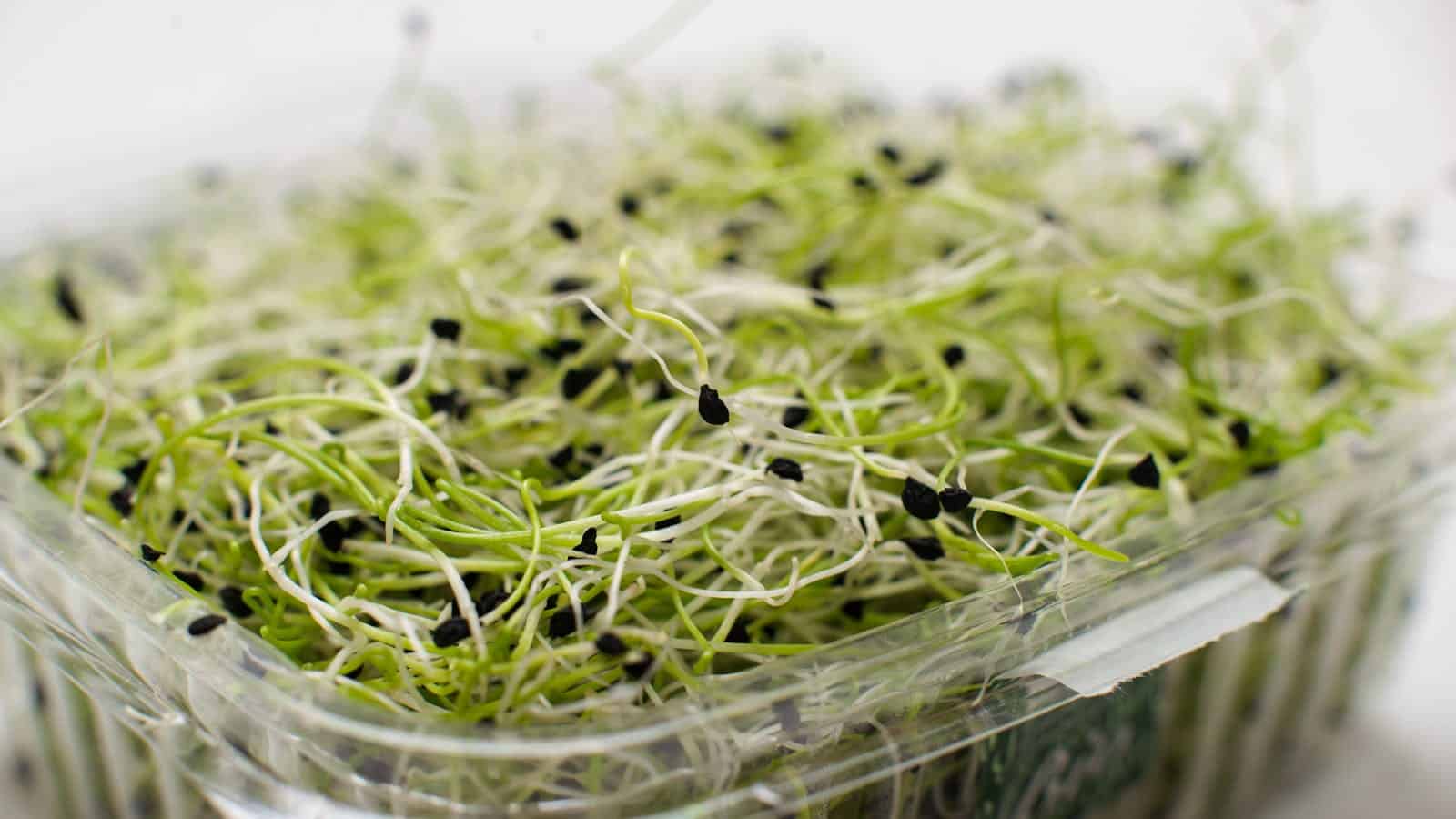
Sprouts are often sprinkled on sandwiches for a fresh crunch, but they are notorious for growing in warm, humid conditions that bacteria absolutely love. These tiny greens are responsible for a significant number of foodborne illness outbreaks because they are rarely cooked before being eaten.
This makes them one of the riskier items at the salad bar, especially for anyone with a compromised immune system. Washing them offers little protection since the bacteria can thrive inside the seeds themselves. Cooking your sprouts until they are steaming hot is the only way to effectively kill the harmful invaders.
Wild Mushrooms

Foraging is a fun hobby, but snacking on uncooked fungi you find in the woods or even the grocery store can be hard on your digestion. Raw mushrooms have tough cell walls made of chitin, which your body struggles to break down without the help of heat. Cooking not only makes them digestible but also releases the essential nutrients and protein locked inside.
Beyond digestion, wide varieties contain traces of toxins like agaritine, which some studies suggest could be carcinogenic over long periods of time. CIDRAP revealed that confirmed illnesses from contaminated food in the US rose by 25% in 2024, reminding us to be careful with all fresh ingredients. A quick sauté brings out the savory flavor and renders these earthy delights safe for your dinner plate.
Taro
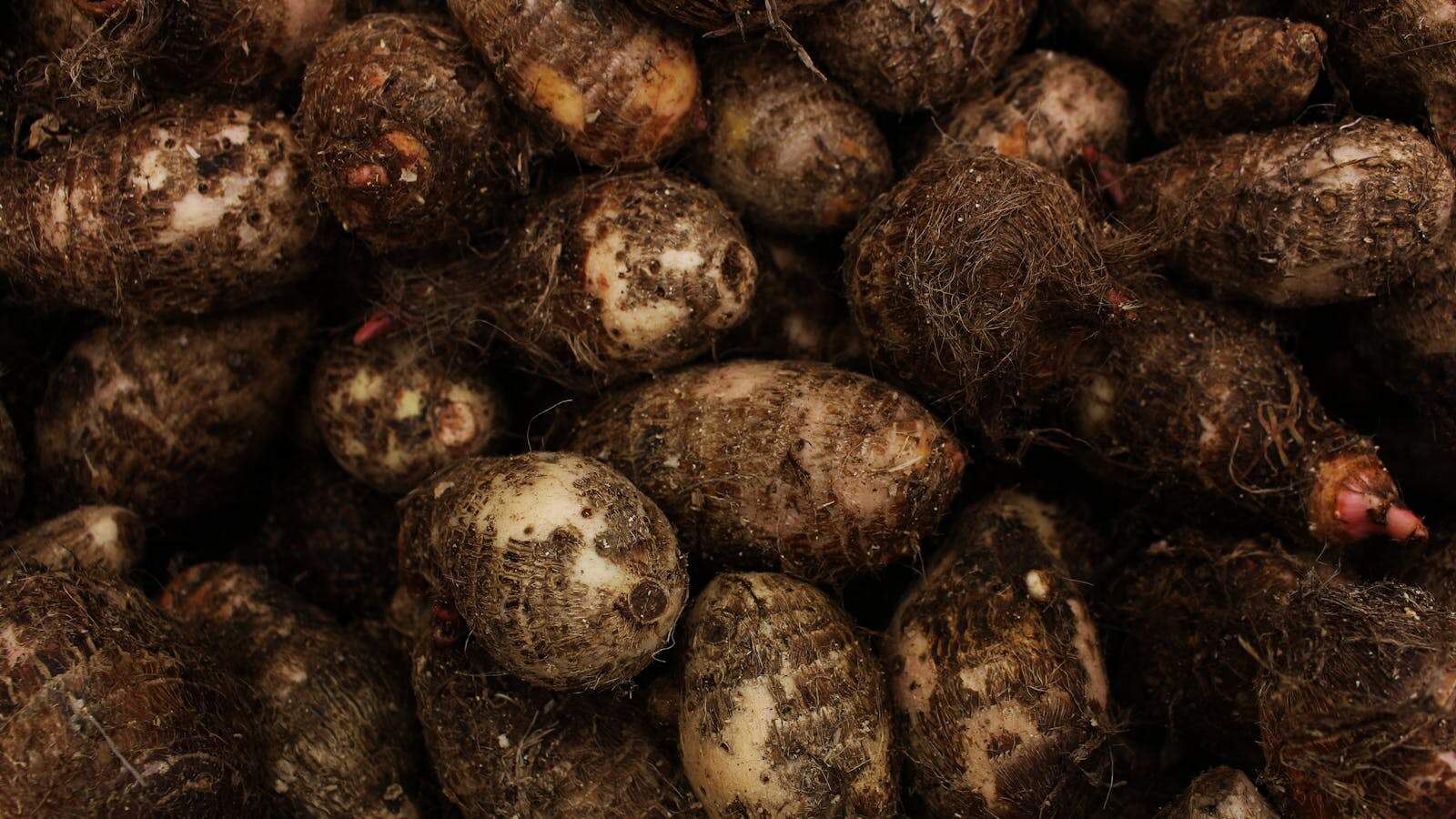
This root is visually striking with its white flesh and purple specks, but it contains calcium oxalate crystals that act like microscopic needles. Eating raw taro can cause immediate, severe irritation of the mouth and throat, feeling almost like you are chewing on broken glass. It must be cooked thoroughly to melt down these crystals and stop the irritation.
The reaction is often instant, leading to swelling and pain that can make breathing difficult in extreme cases of consumption. You should always handle raw taro with gloves to prevent skin irritation, and boil it thoroughly before serving. It is delicious in stews and bubble tea, but it is never a snack to eat straight from the dirt.
Eggplant
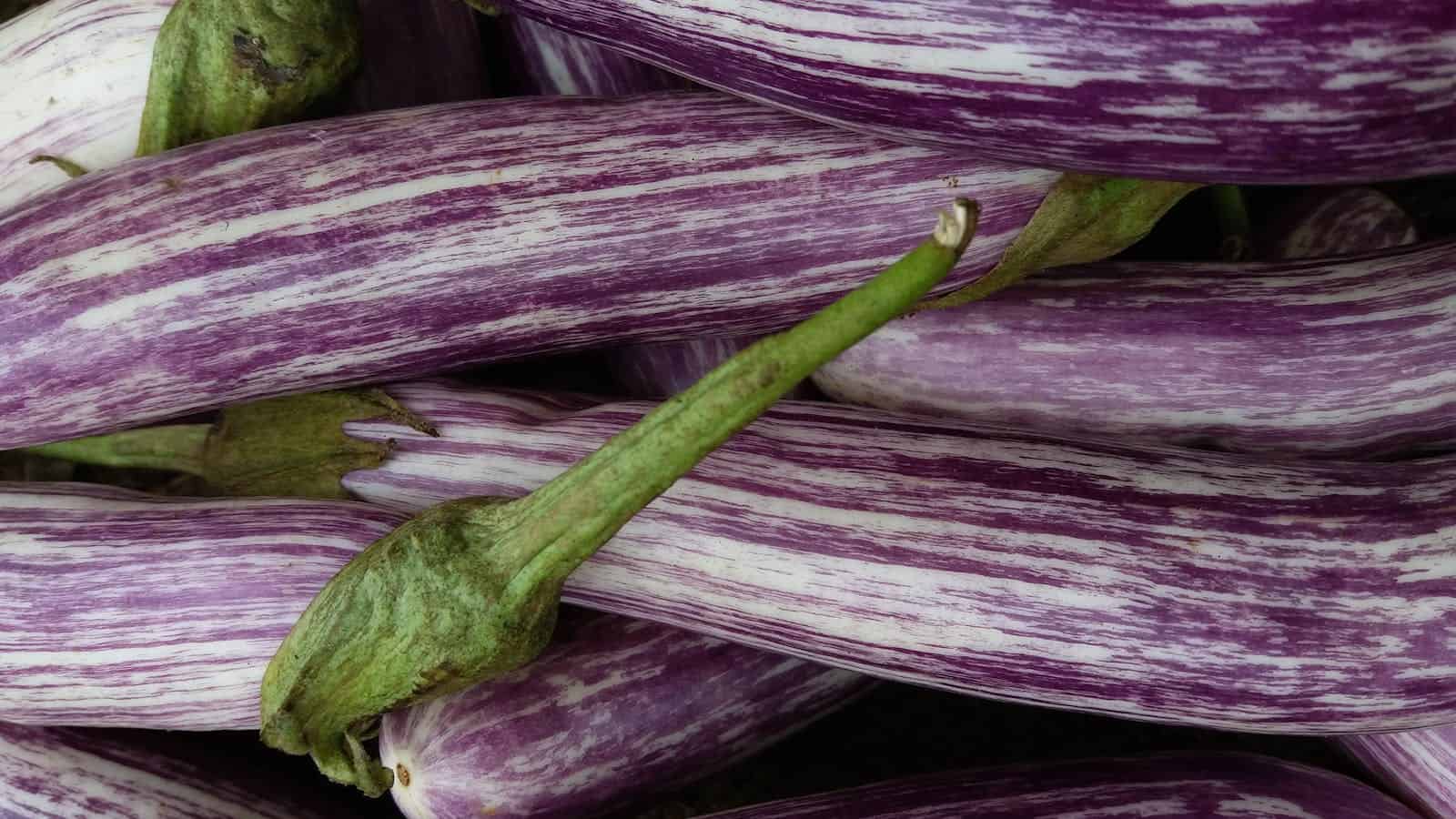
Young eggplants are generally safe for most, but older ones contain higher levels of solanine, the same compound found in green potatoes. People with sensitive stomachs or inflammatory conditions often find that raw eggplant causes significant discomfort and joint pain. Cooking the vegetable reduces the bitterness of this compound and transforms the sponge-like texture into something creamy.
Grilled or roasted eggplant is a culinary delight, whereas the raw version is bitter, tough, and potentially nauseating for sensitive eaters. Salt the slices and roast them to remove moisture and bitterness, creating a dish that is gentle on your digestive system. It is a simple step that improves both the flavor profile and the safety of your meal.
Potatoes

Most people know to avoid green potatoes, but eating any raw potato can cause significant digestive distress due to the starches that are incredibly hard to digest. The presence of solanine, a natural pesticide found in the skin, can build up to dangerous levels if the tuber is exposed to sunlight. Even without the green tint, uncooked potatoes can cause bloating and gas that ruin your entire afternoon.
Cooking breaks down these resistant starches and destroys the solanine, making the vegetable safe and much tastier for everyone at the table. According to Healthline, solanine poisoning can occur with doses as low as 2 to 5 mg per kg of body weight, making proper preparation vital. Baking, boiling, or frying are the best ways to make sure this staple food remains a comfort rather than a health hazard.
Lima Beans
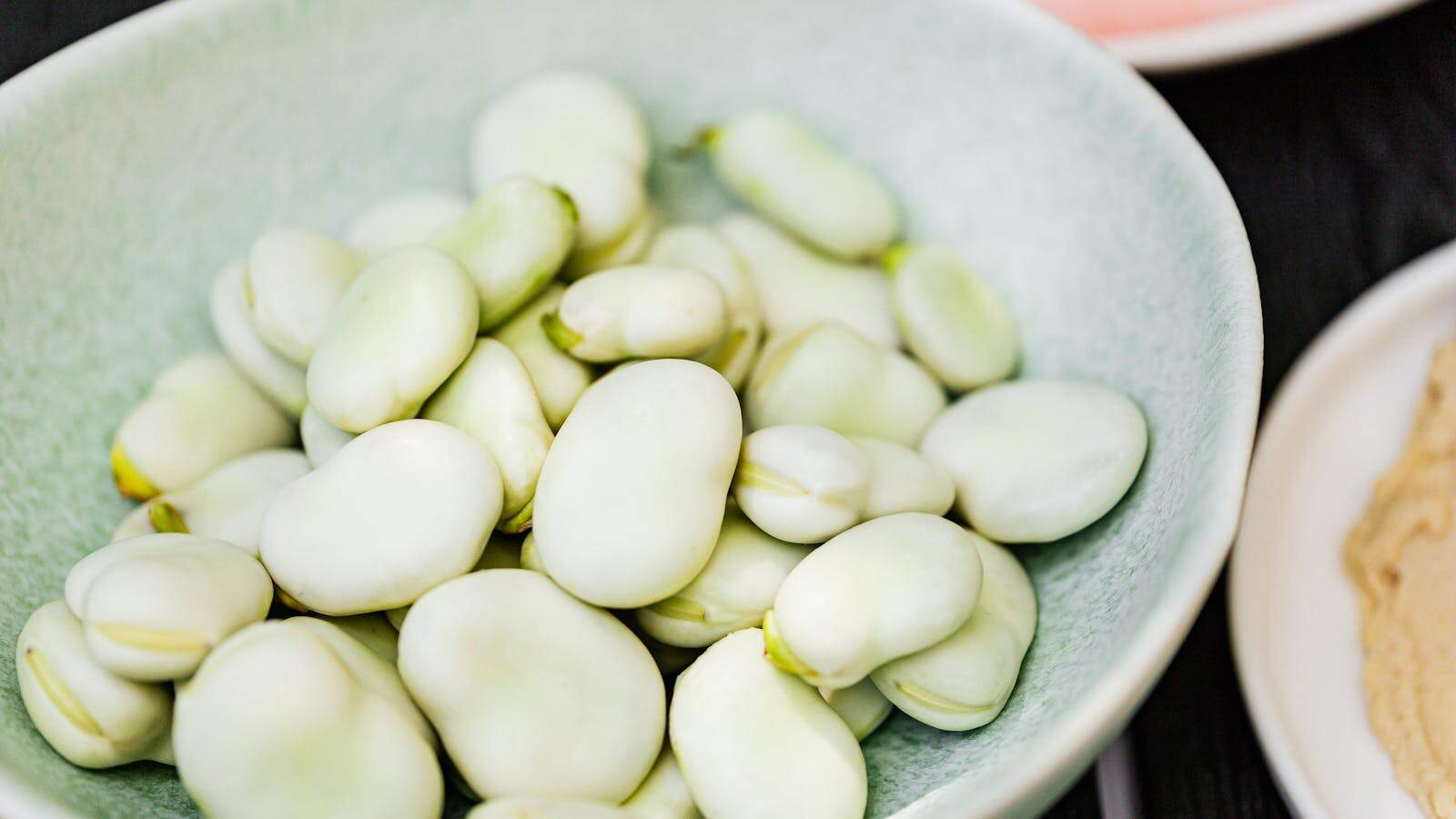
These beans have a bad reputation for taste, but the real issue is a compound called linamarin, which breaks down into hydrogen cyanide when eaten raw. It serves as a defense mechanism for the plant, but for humans, it means these beans are strictly a cooking-only food. You must boil them thoroughly to let the gas escape and render the beans safe.
While US-grown varieties have lower toxin levels than some wild types, it is never worth the risk to eat them uncooked. Simmering them until tender is the standard method to remove any trace of the harmful compound. Proper preparation turns a potentially toxic legume into a harmless and buttery side dish.
Rhubarb Leaves
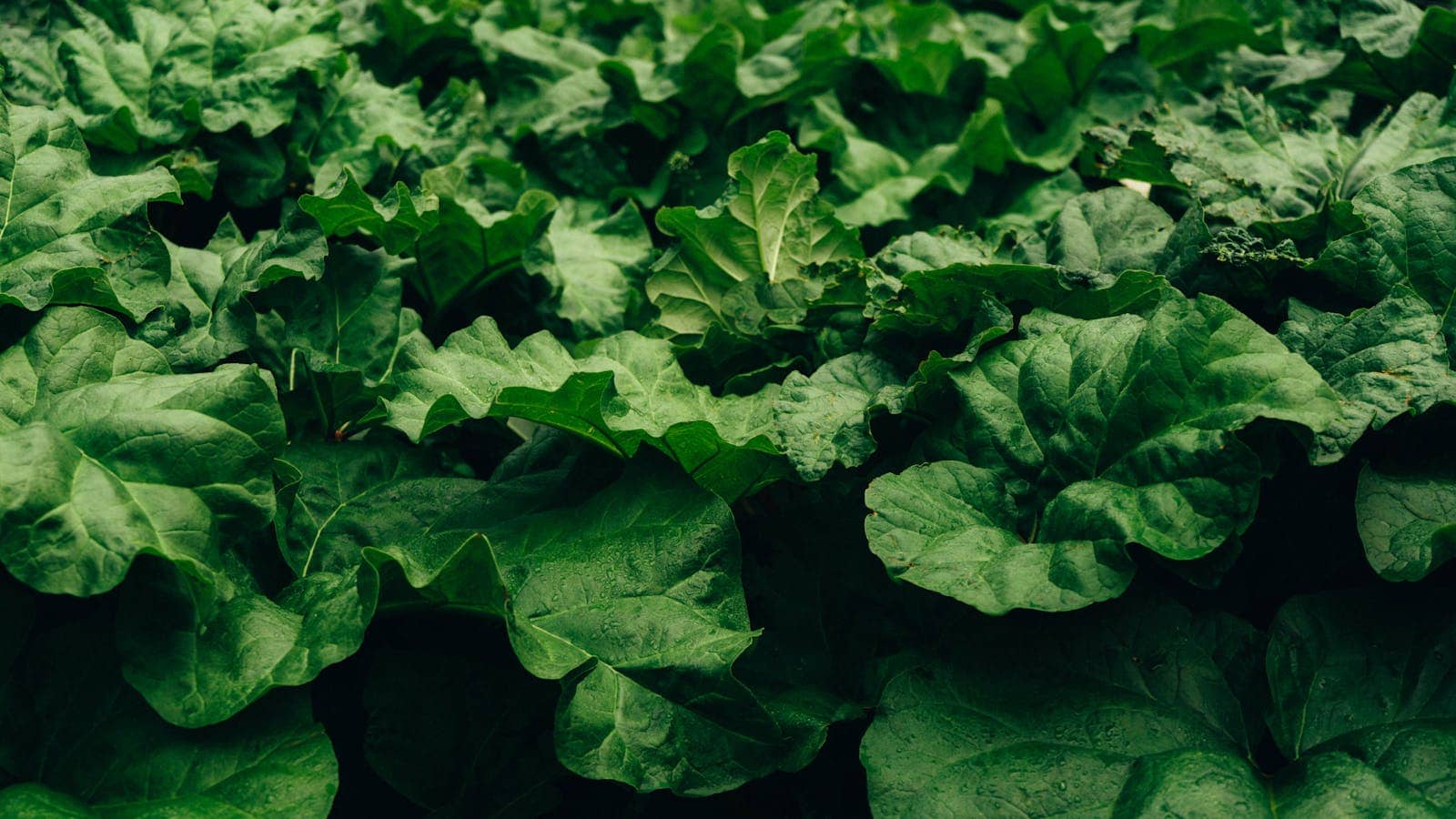
Rhubarb stalks are a tart treat in pies, but the broad green leaves attached to them are incredibly poisonous and should never be consumed. They contain very high levels of oxalic acid 403, which can lead to serious kidney trouble and even failure if ingested in large enough quantities. Most grocery stores remove the leaves, but home gardeners need to be vigilant.
If you grow this in your backyard, trim the leaves and add them to the compost pile, keeping them far from the kitchen. The stalks are perfectly safe and delicious, but the green foliage is strictly off-limits for humans and pets alike. It is a classic example of how one part of a plant can be food while another part can be a threat.
Green Beans
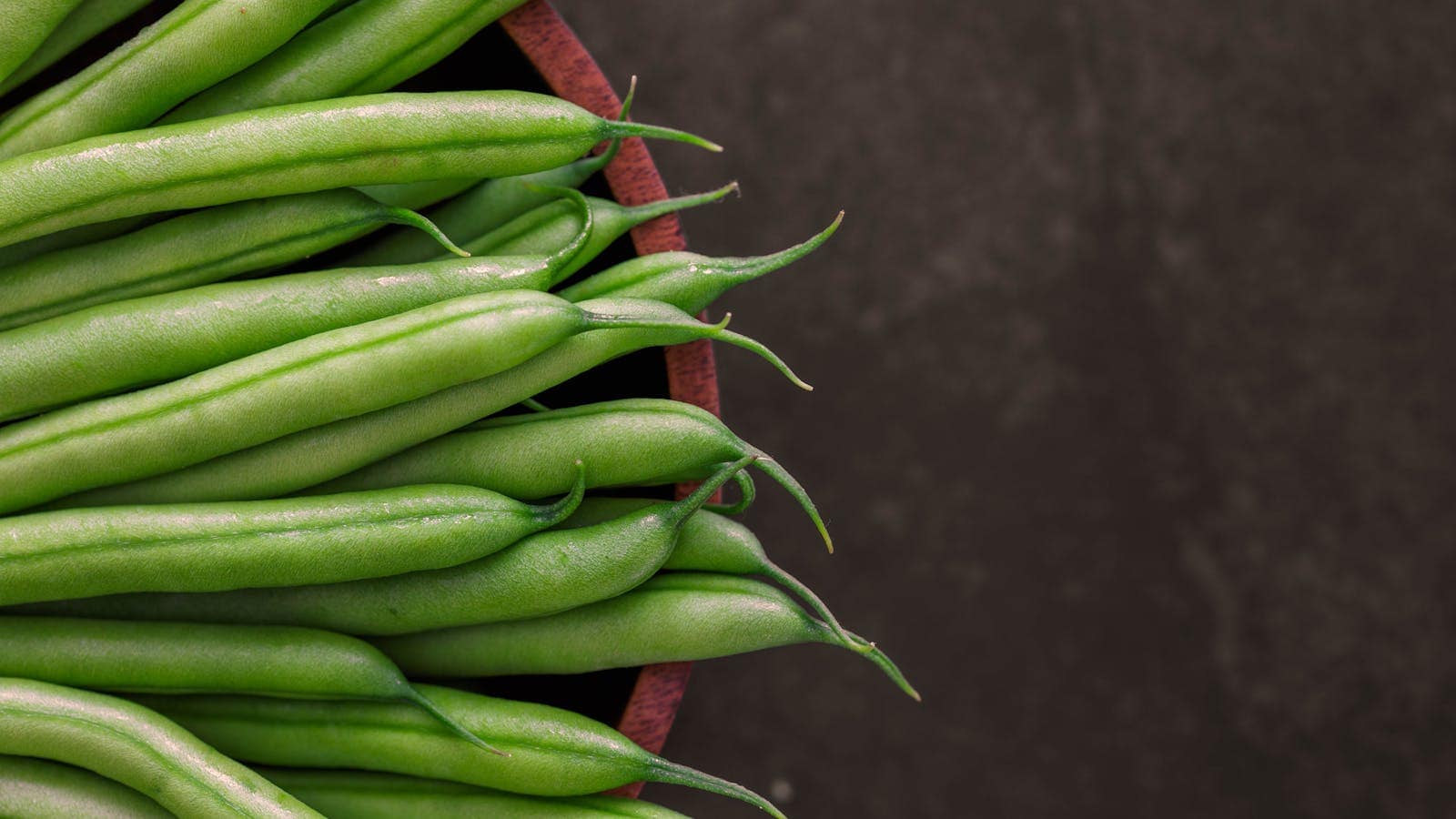
We often see fresh green beans on crudité platters, but they contain lectins that can cause digestive upset if you eat too many of them raw. While less toxic than kidney beans, eating a large handful of raw green beans can still lead to nausea, bloating, and vomiting. Blanching them quickly preserves the crunch while neutralizing the lectins.
It is better to err on the side of caution, especially given that over 85% of E. coli O157 illnesses are linked to vegetable row crops, according to CDC data. A quick steam or blanch makes them safer and actually enhances their vibrant green color for your vegetable platter. A few minutes of heat can save you from an uncomfortable evening.
Like our content? Be sure to follow us