11 food culture shocks Americans notice when trying meals from different countries
According to data from tracking organizations like YourWeightMatters.org and global food reports, the average daily calorie intake in the United States rose from about 2,160 calories in the 1970s to a staggering 2,673 calories by 2016. When American women step across the border to travel, this statistical gap transforms into an immediate, physical culture shock at the dinner table.
Here are eleven profound food culture shocks that American women notice when exploring plates and traditions across the globe.
Noises of Appreciation
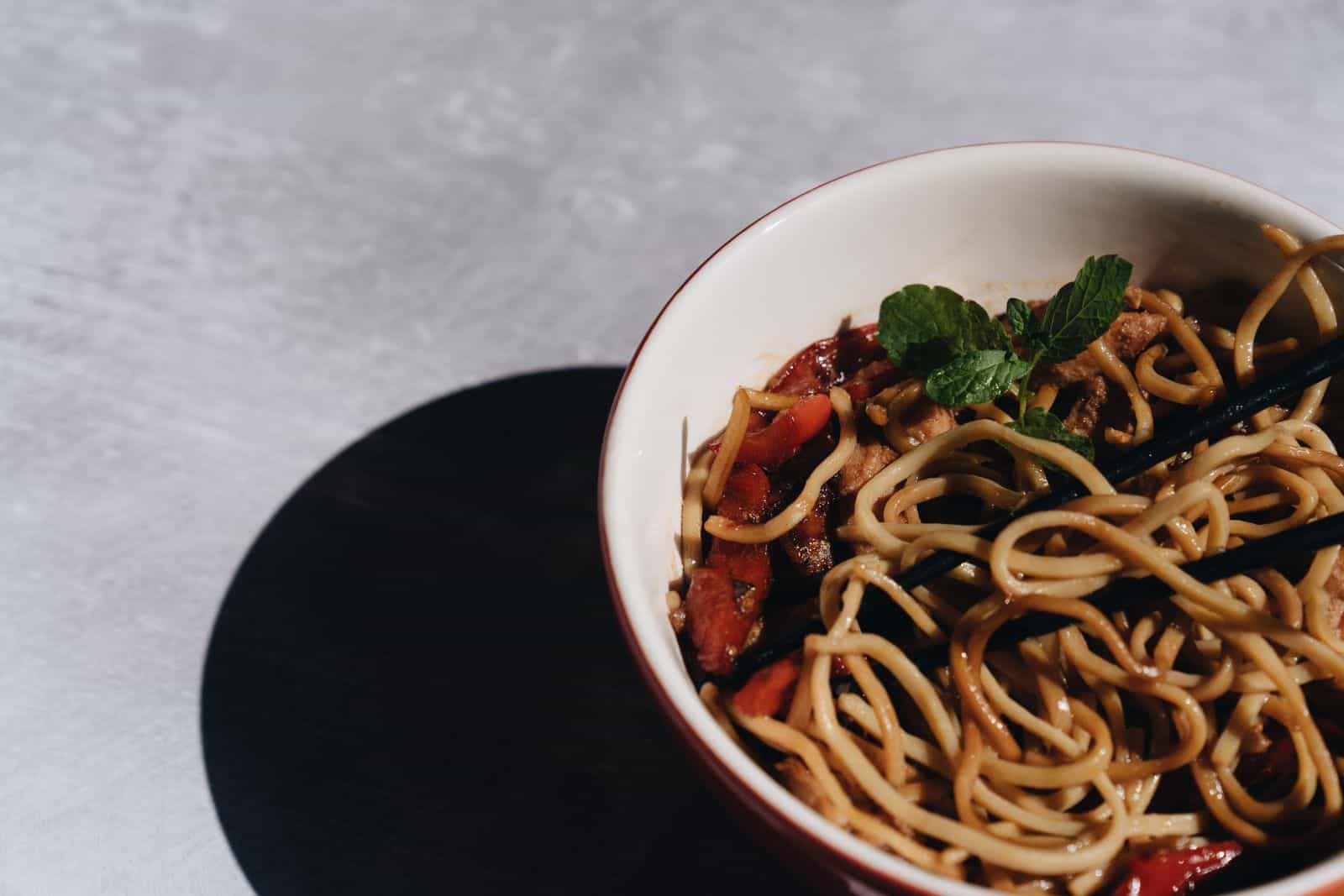
In the United States, your mother probably taught you that slurping your soup is incredibly rude. Yet, if you sit in a Japanese noodle shop eating silently, you might actually send the wrong message to the kitchen.
In Japan, making loud, distinct slurping noises while eating noodles and soup is highly acceptable behavior. The simple reason is that the sounds of your slams tell the host that you are genuinely enjoying your meal.
There are both sensory and highly practical culinary reasons behind this noisy custom. Slurping draws cool air into your mouth, which helps cool down boiling hot noodle soups like udon, soba, and ramen as you eat them.
Radical Portion Size Shifts (USA vs. Other Countries)
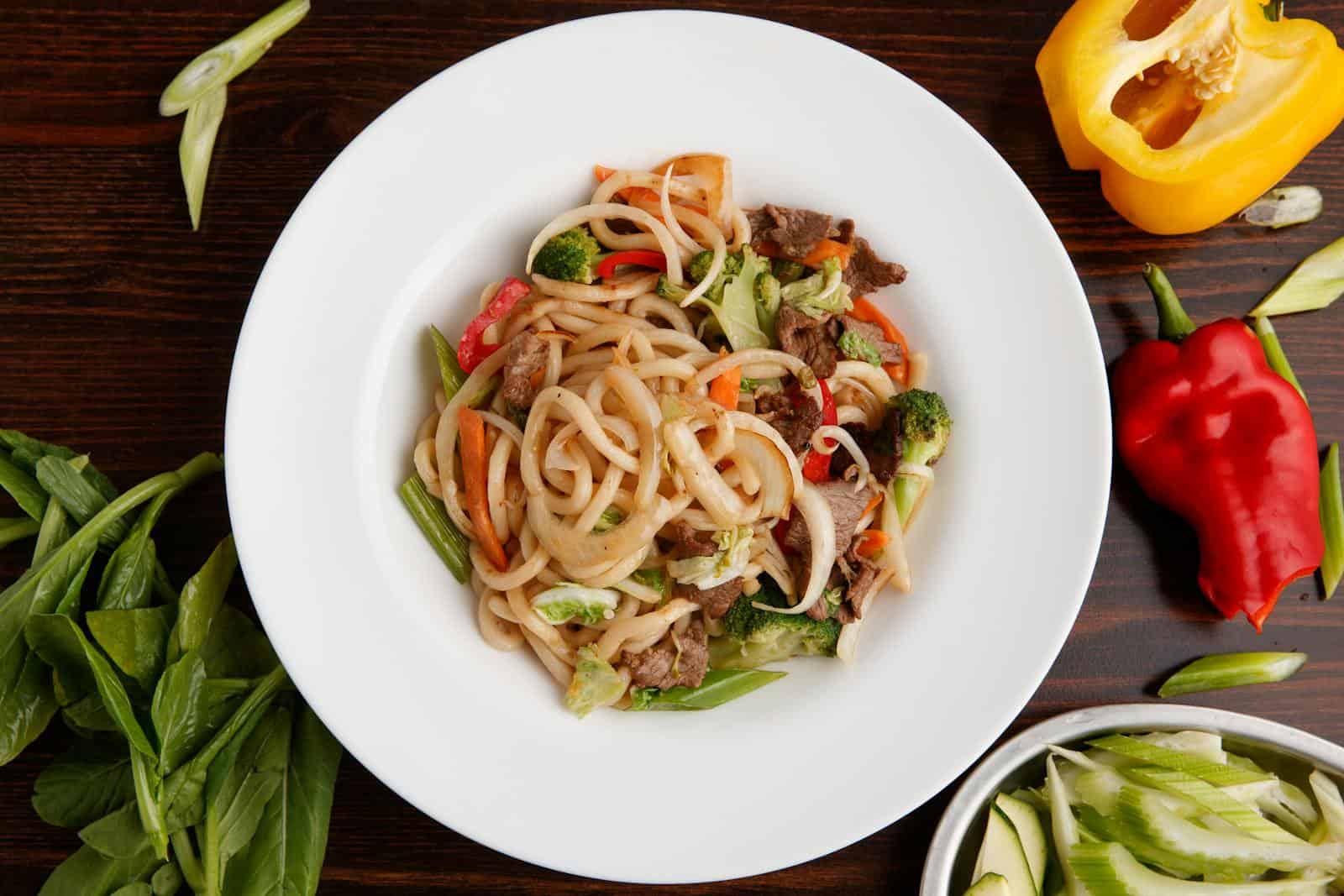
The physical size of an American dinner plate can shock anyone who spends time dining across Europe or Asia. Portion sizes in the United States are significantly larger than what you will routinely find abroad.
When you order a meal in Europe, a pastry like a croissant is often about half the size of what an American consumer typically expects. Main courses in foreign restaurants focus on a completely different scale of volume and balance.
The portion differences contribute directly to higher obesity rates in the United States, along with elevated risks of high blood pressure, unfavorable cholesterol, type 2 diabetes, heart disease, and stroke. Traveling abroad forces an immediate recalibration of what a normal meal size actually looks like.
Street Food Availability
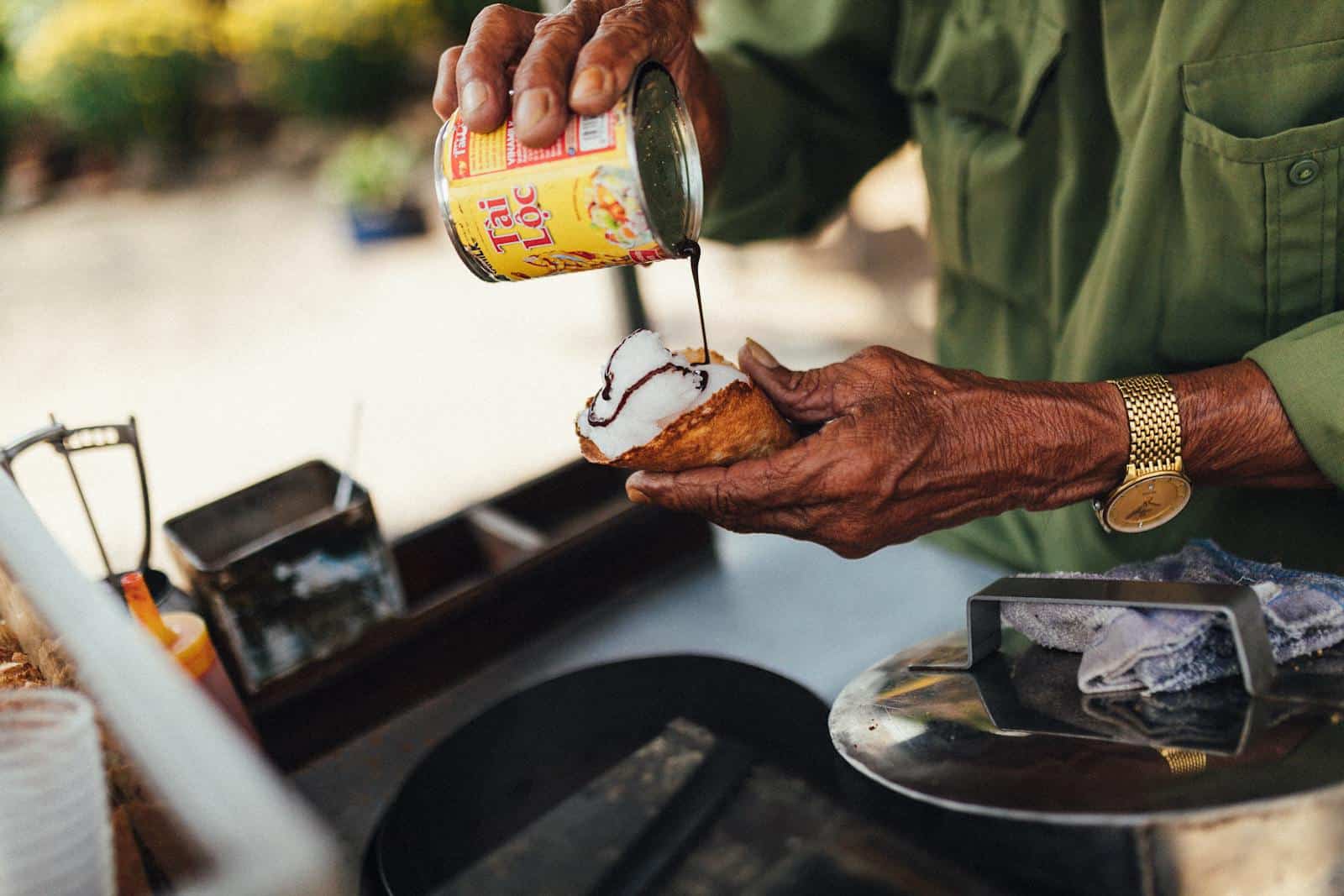
Walking through a major city in Asia reveals a thriving food landscape that exists entirely on the sidewalks. In many American cities, grabbing a meal requires walking into a brick-and-mortar building or tracking down a rare, heavily regulated food truck. Abroad, street food is an urban mainstay that operates as a core part of daily life. The scale of this informal culinary economy is truly massive.
Data from the Boell Center reveals that about 2.5 billion people eat street food every single day. In large Asian cities and small towns alike, residents routinely buy ready-to-eat foods on their way to work or during short lunch breaks. This style of dining cuts straight across class lines, creating a unique social space where high-earning businesspeople frequently sit on plastic stools directly next to construction workers.
The Late-Night Dinner Timeline (Spain and Argentina)

If you walk up to a restaurant in Madrid or Buenos Aires at 6:00 p.m., looking for a table, you will likely find locked doors. For many American women, eating dinner between 5:30 p.m. and 7:00 p.m. is the standard evening rhythm. In Spain and Argentina, dining early is practically unheard of, and showing up before 9:00 p.m. marks you immediately as an uninformed tourist.
In Spain, locals commonly sit down for dinner between 9:00 p.m. and 11:00 p.m. This late-night timeline stems from a mix of historical daily rhythms and a literal quirk of time zones. The traditional afternoon siesta and a long midday break naturally pushed the working day much later into the evening.
Furthermore, Spain permanently shifted to Central European Time (CET) in 1942 despite its geographic location, pushing mealtimes an hour later than before.
Eating Everything with Hands—Even Rice (India and the Middle East)
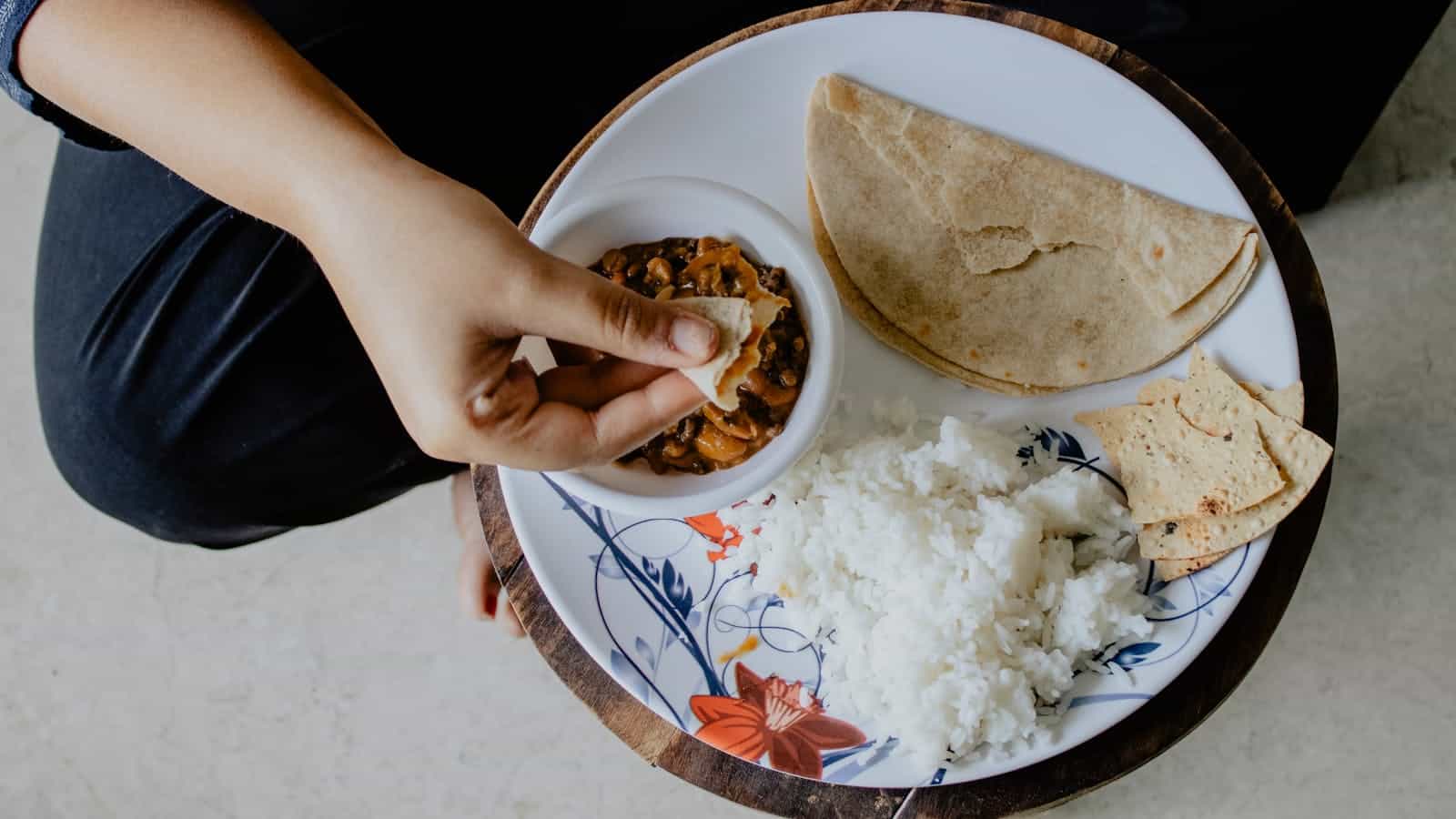
Watching someone mix a bowl of hot curry and rice entirely with their fingertips can be an eye-opening experience for a Western traveler. In South India and many parts of the Middle East, eating with your hands is a long-standing, intentional, and highly refined practice. It is an art form taught carefully from childhood, not a lack of access to silverware or ignorance of basic manners.
The Western reliance on forks and knives is actually a relatively modern development in global history. Forks only became a common sight on British dining tables during the 18th century.
Before that shift, most of the world, including royal elites, ate meals entirely with their hands. Early European travelers who first encountered forks actually mocked them, proving that cutlery is not a universal marker of civil behavior.
Temperature Preferences

Ordering a glass of water on a blistering, 40°C summer day in China can lead to an unexpected surprise. Instead of a glass filled to the brim with ice cubes, the server will routinely hand you a mug of boiling hot water. Chinese food culture favors warm or hot beverages with meals year-round, a habit that stands in direct contrast to the American obsession with ice water.
Step into any restaurant or public space across China, and you will find large water boilers running constantly. The local language reflects this clear division of temperature preferences. If you want a specific temperature, you have to use distinct terms:
- Lěng shuǐ for cold water
- Bīng shuǐ for ice water
- Rè shuǐ for hot water
- Wēn shuǐ for warm water
Tipping & Sharing

The American system of adding a substantial gratuity to every restaurant bill is a frequent source of shock for international travelers. In the United States, tipping 15% to 20% at a restaurant is treated as a firm economic obligation rather than an optional bonus for good service. In major metropolitan areas like New York City or San Francisco, the baseline expectation often exceeds 20% for standard dining.
This strict cultural rule exists because of the unique legal structure surrounding service wages in America. Federal labor rules allow employers to pay “tipped employees” a base wage as low as $2.13 per hour, with the explicit expectation that customer tips will make up the remaining balance. This shifts a large portion of the payroll responsibility directly onto the diner, creating a system that shocks visitors from countries where service is fully included in the menu price.
Sweets That Are Not Actually Sweet (Japan)

Biting into a beautifully crafted dessert in Tokyo can provide a surprising reality check for your taste buds. American confections rely heavily on high-impact sugar delivery, using thick layers of caramel, rich nougat, and heavy frostings. In Japan, traditional sweets, known collectively as okashi, prioritize flavor complexity and subtle, mild sweetness over raw sugar content.
The physical structure of Japanese treats looks entirely different from the candy aisles of the United States. You will not find king-sized candy bars or giant portions in a typical Japanese convenience store. Chocolate bars tend to be noticeably thinner and flatter, utilizing light inclusions like crispy rice or tiny cookie pieces rather than thick, sugary fillings.
Splitting the Bill Protocol (Germany vs. South Korea)

The social etiquette of settling the restaurant bill reveals a fascinating divide between Western individualism and Eastern communal hospitality. If you go out to dinner with a group in Germany or the Netherlands, separate payment is the standard. On Fodor’s travel forums, users point out that “paying the German way” or “going Dutch” is so expected that restaurant staff routinely bring automated, itemized bills to break down the cost to the exact euro.
Travelers note that German servers are completely accustomed to running multiple credit cards or collecting separate cash amounts for a single table without any hesitation. In contrast, trying to split a bill this way in South Korea can create an incredibly awkward social dynamic. Traditional Korean dining culture operates on a system of hospitality where one person typically covers the entire tab for the group.
Breakfast Turns Savory and Spicy (Southeast Asia)

For many American women, breakfast is defined by mild, neutral, or explicitly sweet flavors like toast, eggs, or oatmeal. Traveling through Southeast Asia completely upends this morning routine, introducing bold spices, intense umami, and complex broths first thing in the day. Breakfast in this region can be just as richly seasoned and intricate as a formal dinner.
In Indonesia, a classic morning choice is Nasi Uduk. This dish consists of fragrant rice steamed in rich coconut milk, served alongside fried anchovies, tempeh, plenty of hot chilies, and your choice of meat. The flavor profile leads with fermented soy, intense chili heat, and deep umami rather than sugar or plain carbs.
Breakfast Pastries Are Dessert, Not Meals (The Global View of America)

The rest of the world often looks at the standard American breakfast lineup with absolute bewilderment. Walk into a typical coffee shop in the United States, and the morning display case is packed with muffins, frosted doughnuts, sweet pastries, and boxes of sugary cereals. To an international observer, this selection looks like a collection of straight desserts masquerading as breakfast.
In her analytical piece titled “Rethinking Breakfast,” researcher Olivia A. Gallucci traces how these sugary habits became normalized in American culture. Many modern breakfast staples were originally adapted from traditional European meals that featured savory, balanced components like beans, mushrooms, and fresh tomatoes. As these dishes transitioned into the American industrial food system, corporate producers increased portion sizes and added large amounts of sugar to boost consumer appeal.
Key Takeaways

- Audible eating in Japan serves to cool hot noodle broths and enhance the aroma profile, transforming a Western table faux pas into a respectful compliment to the chef.
- U.S. portions are significantly larger and more calorie-dense than global alternatives, with the average American consuming roughly 1,000 more calories per day than a diner in Japan.
- Sidewalk food stalls feed over 2.5 billion people daily, cutting across all social classes while providing vital independent income for women and migrant workers.
- Evening dinner times are closely tied to local geography and historical labor rhythms, pushing mealtimes past 9:00 p.m. in countries like Spain and Argentina.
- Ditching silverware for hands in India and the Middle East is a precise, Ayurvedic skill that sharpens temperature awareness and increases sensory satisfaction.
Disclaimer – This list is solely the author’s opinion based on research and publicly available information. It is not intended to be professional advice.
Like our content? Be sure to follow us.