11 personal details women should never disclose to anyone
Imagine walking into a crowded room and shouting your deepest secrets through a megaphone. That sounds terrifying, right? Yet millions of us do the digital equivalent every single day without realizing the danger.
Recent data from LifeLock reveals a startling reality where one in four Americans has fallen victim to identity theft. Even more alarming is that the Bureau of Justice Statistics found women are slightly more likely to experience this crime than men. Keeping your private life truly private is no longer just about comfort. It is about safety.
Here are 11 personal details you should keep under lock and key to protect yourself from scammers, stalkers, and thieves.
Exact Home Address and Daily Routine

Oversharing details like your home address, neighborhood, or daily routine (such as when you leave for work or when you’re home alone) can make you a target for stalking, burglary, or harassment.
Cybersecurity experts warn that posting real-time vacation updates or check-ins increases the risk of burglary by signaling an empty house. Keep your location and daily activities private to protect yourself from these potential dangers.
Full Legal Identity and Official Numbers
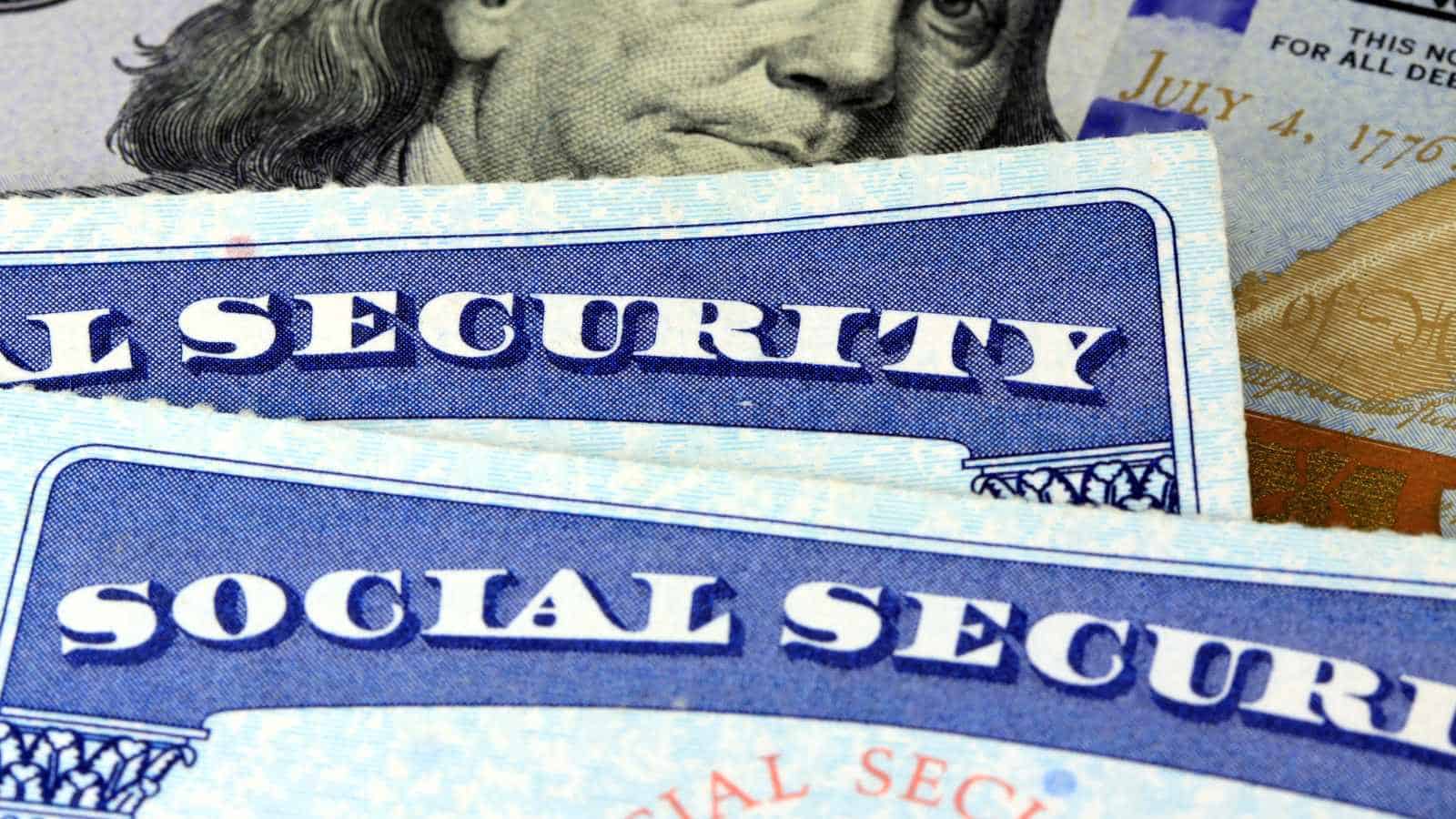
Sharing your full legal name, date of birth, Social Security number, or passport details online opens the door to identity theft. Even seemingly innocent information, like your birthdate or address, can be used to open fraudulent accounts or take over existing ones.
It is strongly advised that you do not share these details publicly to protect your identity and financial security.
Your Bank Info or Salary Details

Talking about money is taboo for a reason. Revealing your salary or banking details early in a relationship or online makes you a target for romance scammers.
Low Cost Detectives reports that the average financial loss per romance scam victim is around $15,000. Scammers often use financial grooming to gauge how much they can steal. Keep your finances private until you build immense trust.
Passwords, Security Answers, and “Little” Clues
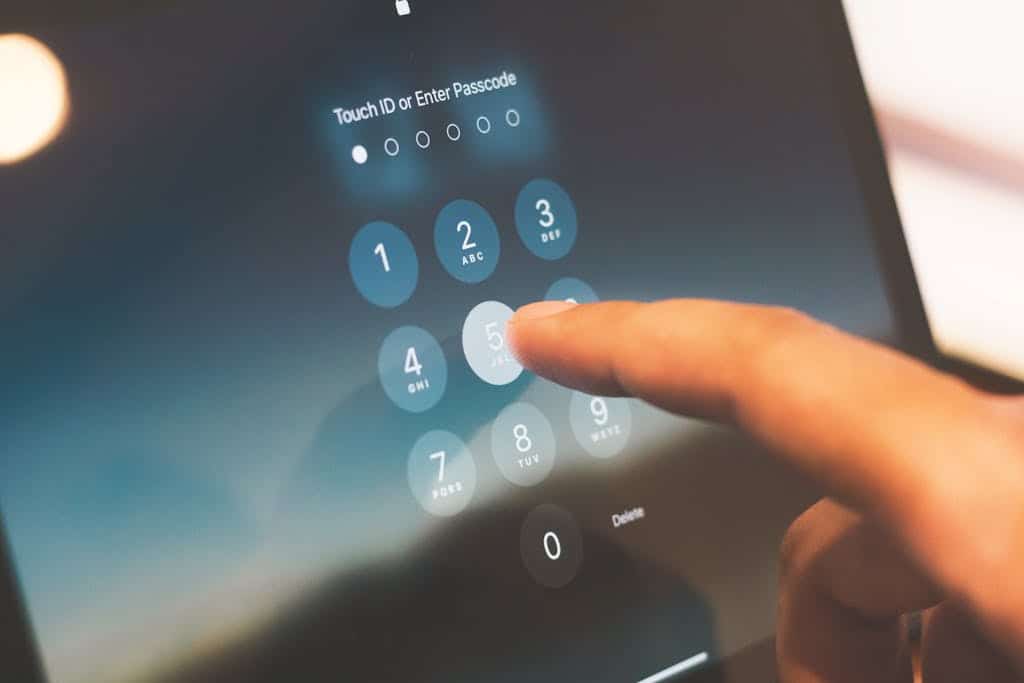
Sharing passwords feels like a sign of trust, but it often leads to trouble. A survey by ExpressVPN shows that 81% of Americans have shared passwords with a partner. While it seems romantic, the same study revealed that 30% of people log into an ex’s account to spy on them after a breakup.
Keep your digital life secure by keeping your login details to yourself. IMO, true love respects privacy.
Real-Time Location and Check-Ins
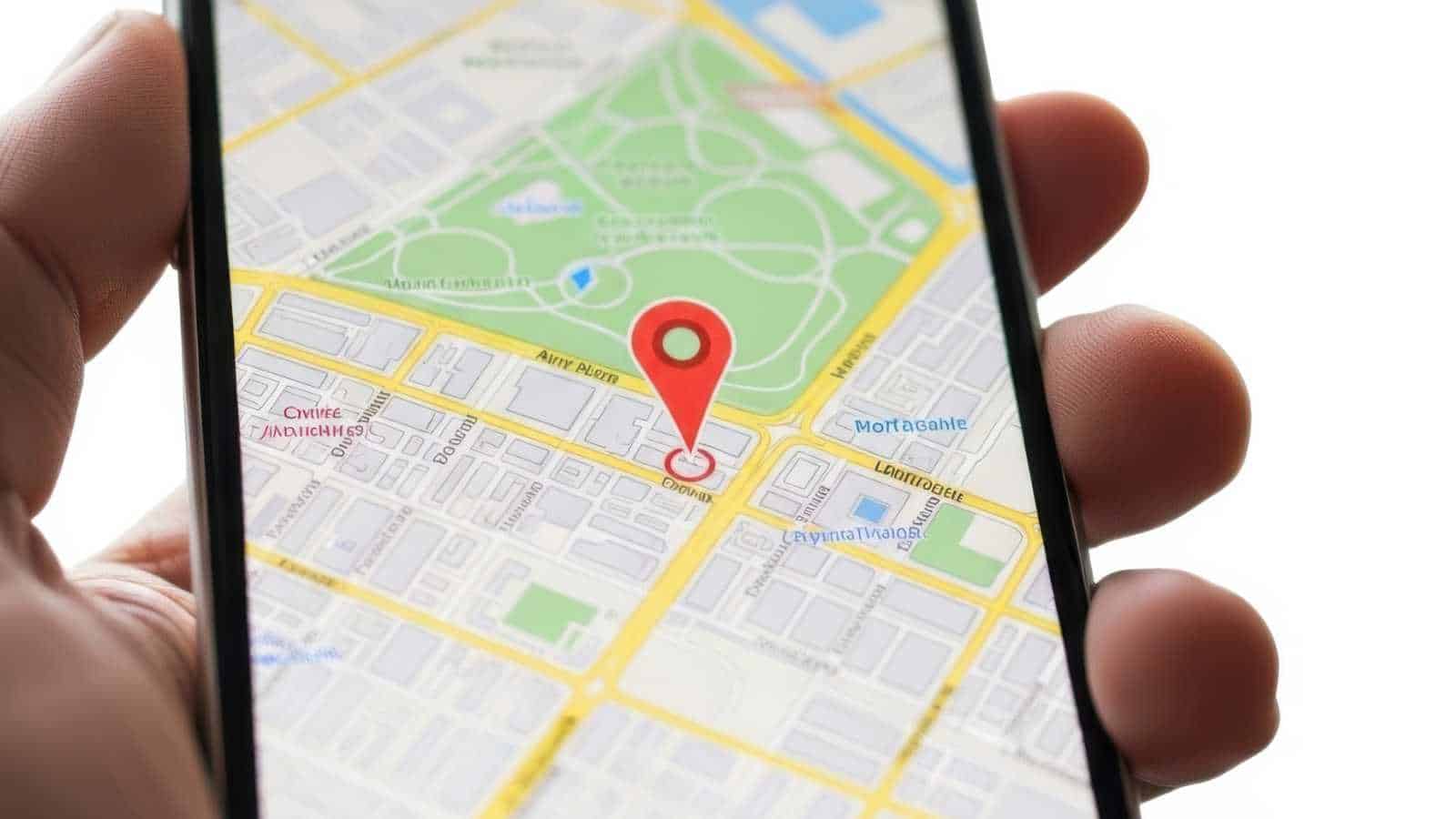
You might love showing off that cute café or beach spot on Instagram, but tagging your location in real time is a major security risk. A study by Friedland found that 78% of burglars use social media to select their victims.
When you post exactly where you are, you also tell the world exactly where you are not. You are essentially announcing that your home is empty. Wait until you leave the location to post that selfie.
Intimate Photos and Videos
Once intimate images or sexual messages leave your device, you lose control over how they are stored, shared, or misused. Non-consensual image sharing, or revenge porn, can devastate a woman’s career, reputation, and mental health.
Once shared, these materials are almost impossible to remove from the internet. Always be cautious about sharing intimate content.
Sensitive Medical, Fertility, and Mental Health Records
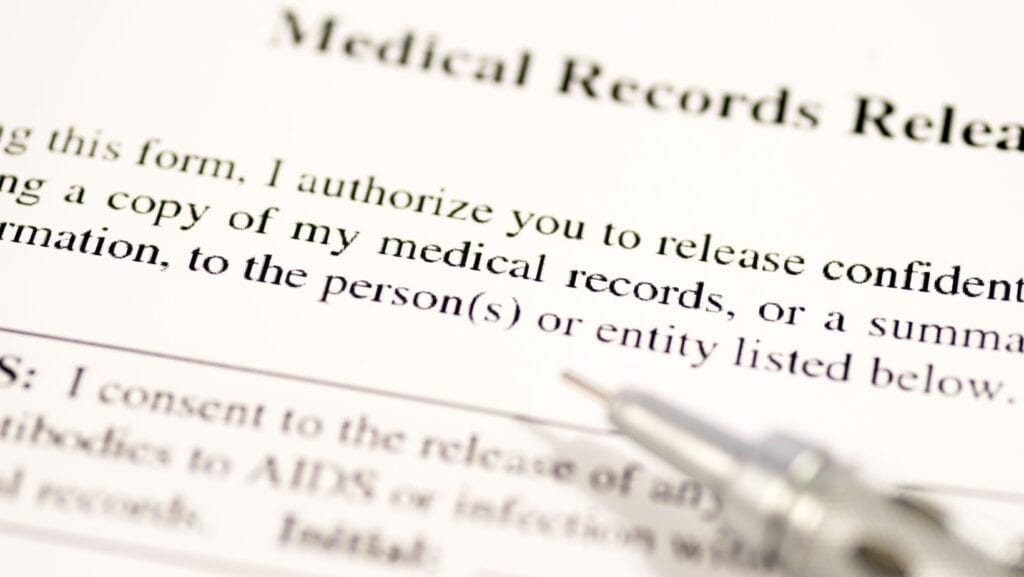
Women often worry more than men about how their personal health data is used, with many hesitant to share medical, fertility, or mental health records due to fears of misuse or discrimination. Research shows a trust gap, with women feeling more vulnerable to the exploitation of their private medical data.
Be selective and careful about who you share this information with, as it can be misused in ways that affect your privacy and opportunities.
Private Relationship Confessions and Partner Secrets

Discussing private relationship details, such as fights, betrayals, or intimate issues, can damage trust and create long-term stress. Sharing partner issues online can strain relationships, as misunderstandings and resentment arise, especially when social media audiences take sides.
Keep personal matters within the relationship, where they belong, and protect your emotional boundaries.
Children’s Identities and School Details

“Sharenting” is a growing trend, but the long-term risks are massive. Barclays forecasts that by 2030, sharenting will account for two-thirds of identity fraud facing young people.
When you post your child’s full name, birthday, and school, you create a digital footprint they cannot erase. Protect their future by blurring faces or keeping those photos in private group chats.
Workplace Secrets and Behind-the-Scenes Drama

Sharing confidential company information, client details, or workplace conflicts can not only cost you your job but also damage your professional reputation. Employers are increasingly monitoring social media activity, and HR violations or legal risks can arise from oversharing about your workplace.
Think twice before posting about office gossip or corporate secrets, as it can lead to disciplinary actions or legal issues.
Trauma Stories and Deep Emotional Wounds (Too Early)

While it may feel comforting to share your trauma or deepest emotional wounds, doing so too early or with unsafe people can lead to manipulation or emotional harm. Psychologists warn that oversharing trauma stories in the early stages of relationships can leave you feeling exposed and vulnerable.
Take your time and only share personal experiences with trusted individuals who can offer empathy and support.
Disclosure: This article was developed with the assistance of AI and was subsequently reviewed, revised, and approved by our editorial team.
Like our content? Be sure to follow us