11 signs you are drinking too much water
The push to drink more water has gone so far that doctors are now warning it can land you in the emergency room.
You likely hear that you need to drink eight glasses of water a day to stay healthy. It is drilled into our heads from a young age, leading many of us to carry massive water bottles everywhere we go like a security blanket. But there is a tipping point at which this healthy habit becomes dangerous. If you overdo it, you might actually be drowning your internal organs in more fluid than they can handle.
Your kidneys are incredible filtration systems, but they have a physical limit on how much they can process at once. When you exceed that limit, you develop a condition called hyponatremia, where the sodium in your blood becomes dangerously diluted. It is essential to recognize the signals your body sends before issues escalate. Paying attention to these subtle warning signs could save you from a trip to the emergency room.
Your Urine Is Crystal Clear
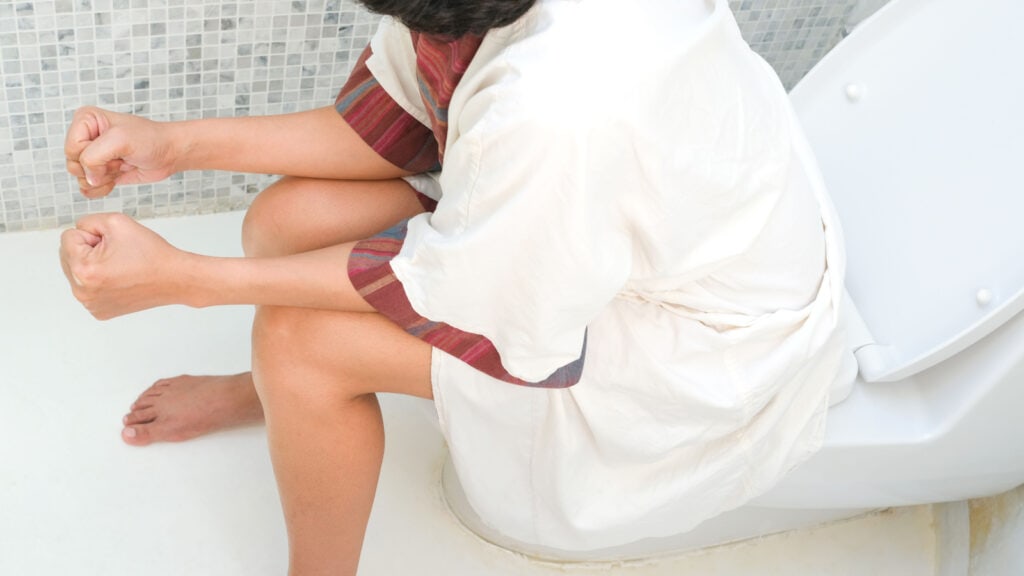
One of the easiest ways to check your hydration status is by looking at the color of your urine. Pale straw or light yellow is the gold standard for healthy hydration. If it looks like plain water, that is a clear indication that you are drinking far more than necessary.
Running clear might seem like a badge of honor, but it actually means you are washing away vital salts. You are literally flushing out electrolytes your body desperately needs. You should aim for a lighter color without completely stripping away pigment.
You Have A Throbbing Head

When your sodium levels drop too low, your cells naturally absorb water, causing them to swell like balloons. Excess water causes your brain to swell and press painfully against the skull. This creates a distinct type of pressure that differs from a typical tension headache.
This is not the kind of ache that goes away easily with a nap or a couple of pills. This pressure creates a pounding headache that painkillers often won’t touch. If you have been chugging water and your head starts pounding, put the bottle down immediately.
You Visit The Bathroom Constantly

If you find yourself running to the restroom every hour, you are likely overworking your bladder. Most people urinate six to eight times in a 24-hour period. Going significantly more often than that suggests you are taking in fluid faster than your body can use it.
Waking up multiple times at night to pee is another major red flag that your intake is too high. Disrupting your sleep cycle to urinate is a sign you need to cut back in the evening. Your body produces an antidiuretic hormone at night to prevent this, but you can override it by drinking too much.
You Drink When Not Thirsty

We have conditioned ourselves to sip constantly out of boredom or because we think we should. Your thirst mechanism is actually incredibly accurate at gauging fluid needs. Relying on thirst is usually the best way to know when you need to hydrate.
Ignoring your natural instincts can lead to a dangerous surplus of fluids in your system. We often drink out of habit rather than actual biological necessity. Unless you are in extreme heat or exercising intensely, you really do not need to force fluids.
Your Hands And Feet Are Swelling

Your kidneys act as a dam, and when the reservoir fills up, the water has to go somewhere else. Your kidneys retain fluid in the tissues when they cannot keep up with the volume of fluid. This often manifests as noticeable puffiness in your extremities.
You might notice that your rings feel tighter or your shoes suddenly feel uncomfortable. This visible puffiness is a clear sign of electrolyte imbalance. According to Medical News Today, your kidneys can only filter about 0.8 to 1 liter of water per hour, so drinking faster than that causes backup.
You Feel Nauseous Or Vomit

When your body cannot get rid of excess water, it starts to pool in your stomach, making you feel sick. Excess water can make you feel queasy, as if you just ate a large meal. It is your body’s way of telling you that it cannot accept any more liquid.
The symptoms can easily be mistaken for a stomach bug or food poisoning. It mimics a stomach virus, but it is actually water intoxication. If you feel the urge to vomit after drinking heavy amounts of water, stop immediately.
You Are Tired And Weak

Your kidneys have to work overtime to process every ounce of fluid you consume. Your body works frantically to maintain balance, draining your energy reserves. This constant physiological effort leaves you feeling lethargic and exhausted.
When your electrolytes are diluted, your nerves cannot transmit signals to your muscles properly. This extra effort leaves you feeling heavy and unable to get through the day. A 2024 NIH study revealed that over 51% of hospitalized patients had hyponatremia on admission, showing just how common this energy-sapping condition is.
You Have Muscle Cramps
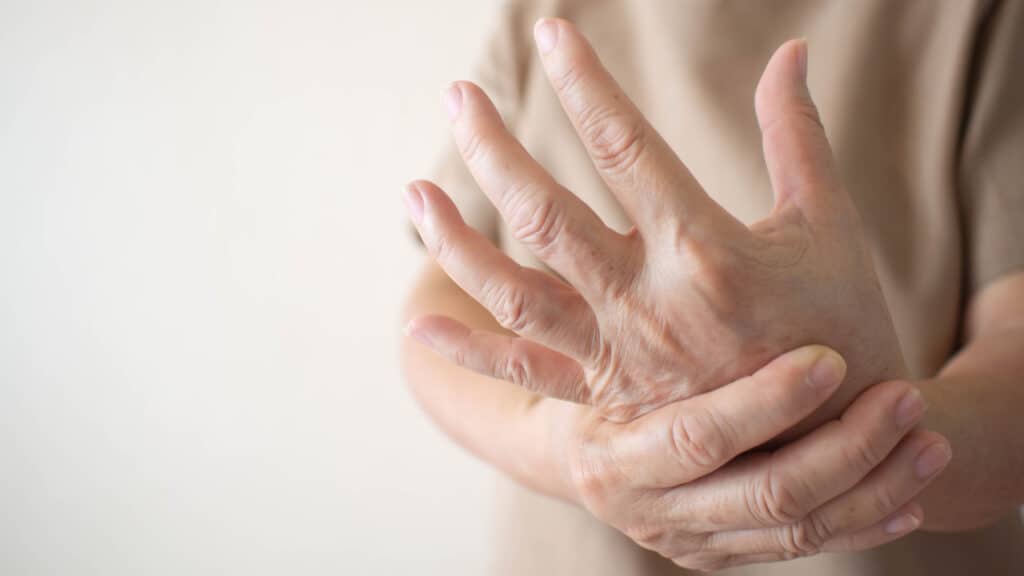
Sodium and potassium are the electrical conductors that keep your muscles moving smoothly. Sodium is vital for smooth muscle function and for preventing involuntary spasms. When you dilute your blood, these levels drop, and your muscles start to protest.
You might experience twitching or painful cramping even if you haven’t been working out. When levels drop, your muscles protest with painful twitches. This is often why runners who drink only water without electrolytes suffer from leg cramps.
You Are Confused Or Disoriented

Severe water intoxication affects the brain quickly and can cause alarming cognitive issues. Severe hyponatremia can mess with your cognitive abilities and ability to focus. You may find it difficult to articulate your thoughts or to understand what others are saying.
This is a serious symptom that requires immediate medical help. You might struggle to form simple sentences or focus on tasks. In 2024 alone, there were 134 diagnosed cases of exertional hyponatremia in U.S. active service members, highlighting the confusion and danger it causes even in fit individuals.
You Feel Shaky Or Have Spasms

Your nervous system relies heavily on a precise balance of salt to send messages throughout the body. Your nervous system relies on salt to transmit signals efficiently. When that balance is off, you might experience uncontrollable shaking.
If your hands start trembling after drinking a lot of water, you are in the danger zone. If your hands start trembling, stop drinking water immediately. Normal blood sodium levels range from 135 to 145 milliequivalents per liter, and dropping below this level can cause neurological misfires.
Coma Or Seizures

This is the most critical and terrifying stage of water intoxication. This is the most critical stage of water intoxication and demands urgent care. If the brain swelling becomes too severe, it can lead to seizures or a total loss of consciousness.
At this point, the situation is life-threatening and requires emergency intervention. Medical attention is non-negotiable at this frightening point. It is a real risk for endurance athletes; in fact, an AMSSM study found that 13% of Boston Marathon runners developed hyponatremia during the race.
15 Things Women Only Do With the Men They Love

The 15 Things Women Only Do With the Men They Love
Love is a complex, beautiful emotion that inspires profound behaviors. We express our love in various ways, some universal and others unique to each individual. Among these expressions, there are specific actions women often reserve for the men they deeply love.
This piece explores 15 unique gestures women make when they’re in love. From tiny, almost invisible actions to grand declarations, each tells a story of deep affection and unwavering commitment.