11 states poised for major population growth: here’s why people are moving
Despite widespread assumptions, most Americans do not relocate because of political preferences. According to a ConsumerAffairs survey and analysis of moving trends, only about 3% of movers cited political climate as their primary motivator, and most moves are driven by practical concerns such as jobs, housing, family, and lifestyle changes.
Census Bureau data shows that housing‑related reasons top the list of relocation reasons, with roughly 41% of moves linked to housing factors, and family connections and employment also playing major roles. Many who say politics influences their thinking still prioritize economic and personal drivers, such as the cost of living and job opportunities.
Understanding these real patterns underscores how migration decisions in the U.S. are grounded more in pragmatic life goals than ideological repositioning, setting the stage for a deeper look at where people are actually going and why.
Texas

Texas has experienced the highest net population growth in the U.S. over the past decade, adding roughly 16.3% more residents between 2014 and 2024.
Growth is fueled by domestic migration, including a significant number moving from California, robust job markets, relatively lower housing costs, and no state income tax, making cities like Austin, Dallas, and Houston magnets for newcomers.
Yet the state faces tangible environmental constraints: summers routinely exceed 100°F (38°C) in major metros, 2023 was recorded as Texas’s hottest year on record, and climate models project even hotter conditions ahead.
Simultaneously, water availability is a growing concern: Texas’s State Water Plan warns that population expansion, ongoing droughts, and rising municipal demand could create significant water shortfalls by mid-century, particularly in the drier western and central regions. Balancing urban growth, infrastructure, and natural resource limits will determine whether Texas can sustain its rapid expansion while maintaining livable conditions.
Florida

Despite consistent hurricanes like Hurricane Ian (2022), one of the costliest storms in Florida’s history, Hurricane Idalia (2023), and powerful 2024 storms such as Hurricane Helene and Hurricane Milton, the Sunshine State remains a top destination for American seniors prioritizing retirement.
These named storms highlight Florida’s exposure to severe tropical weather; Ian made landfall as a devastating Category 4, and Helene and Milton brought major hurricane impacts just months apart, underscoring the frequency of intense storms. Yet retirees continue to flock to Florida for its warm weather, absence of a state income tax, and leisure amenities, often outweighing concerns about hurricane risk.
This influx of older residents increases demand for housing, healthcare, and coastal infrastructure, while also straining emergency services and insurance systems. Florida’s growth story thus blends the appeal of retirement lifestyle with the reality of repeated hurricane impacts, rising mitigation costs, and evolving resilience planning.
North Carolina
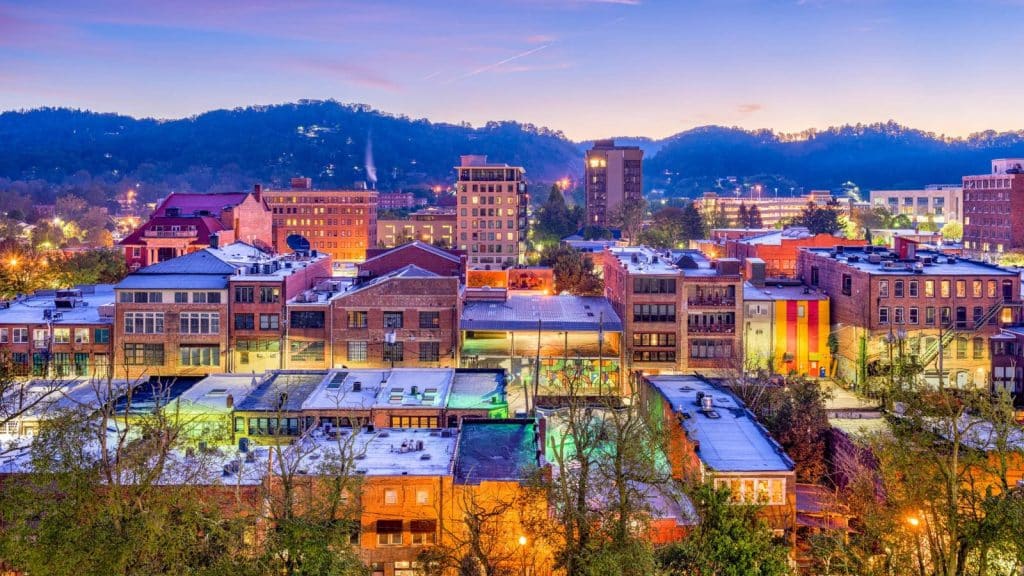
Between 2000 and 2010, roughly 68% of the state’s growth came from in-migration, and projections suggest that by 2030–2035, nearly all growth will remain migration-driven. Cities like Raleigh, Charlotte, and Durham attract newcomers with jobs in tech, healthcare, and education, while smaller towns benefit from lifestyle migration.
However, rapid growth poses infrastructure challenges: current public transit systems provide essential connectivity, but expansion and modernization efforts are still underway, meaning that urban and regional networks must keep pace with the influx to prevent congestion, service strain, and mobility bottlenecks.
Strategic plans such as NC Moves 2050 aim to increase bus, rail, and multimodal transit capacity, but meeting the needs of a rapidly growing population will require sustained investment and planning.
Georgia

Georgia’s population growth in recent years has been overwhelmingly concentrated in the metro Atlanta region, where the 11‑county area now exceeds 5.3 million residents and continues to attract tens of thousands of newcomers annually as job creation and opportunity draw people from across the U.S. and abroad.
Between April 2024 and April 2025 alone, metro Atlanta added about 64,400 residents, pushing growth across all its counties and reinforcing its role as the state’s economic engine.
Part of what sustains this momentum is Atlanta’s status as a global transportation hub: Hartsfield‑Jackson Atlanta International Airport remains the world’s busiest airport, serving more than 108 million passengers in 2024 and connecting Georgia to markets across the U.S. and beyond.
Looking ahead, long‑range forecasts by the Atlanta Regional Commission project continued expansion: the broader 21‑county Atlanta region is expected to reach nearly 7.9 million people by 2050, adding roughly 1.8 million residents over 2020 figures as jobs and population clusters grow outward from the core.
South Carolina

South Carolina’s population surge stands out because growth isn’t tied to one giant metro but to a constellation of mid‑sized cities and suburban communities, with places like Greenville, Columbia, and Charlestondrawing new residents for their relatively affordable housing, lifestyle appeal, and expanding job markets.
Yet the state’s long, low‑lying Atlantic coastline exposes it to one of the most tangible climate‑linked threats among fast‑growing states. Sea levels around South Carolina have already risen by roughly 10 inches since the mid‑20th century and are increasing by about an inch every two years in some places, contributing to more frequent coastal flooding, king tides, and nuisance high‑tide inundation even without storms.
This rising tide compounds the impacts of hurricanes and storm surge on communities such as Charleston and Beaufort, creating a planning imperative for resilience and adaptation as population and development pressures interact with environmental risks. By weaving growth into a setting where sea‑level rise is already measurable and accelerating, South Carolina’s expansion story highlights both the appeal of the coast and the rising challenge of living with a changing climate.
Washington

Washington’s population has steadily climbed, reaching over 8.1 million in 2025 with an annual growth rate near 1 percent, outpacing the national average, even as growth has moderated from its 2010s pace.
The state’s absence of a personal income tax sets it apart in the Pacific Northwest, offering financial appeal for both high earners and businesses. Washington’s economy benefits from a massive tech and innovation ecosystem: the tech sector directly employed around 360,900 workers in 2022 and supports nearly 1.5 million jobs when indirect jobs are included, making up an outsized share of economic activity relative to other states.
Seattle’s metro area, home to venture‑backed startups, high average tech wages, and internationally recognized universities like the University of Washington, which contributes an estimated $21 billion in economic impact and supports over 110,000 jobs statewide, continues to attract a diversified workforce.
While recent layoffs in major tech employers have moderated some growth momentum, Washington’s combination of competitive tax policy, strong innovation infrastructure, and high average incomes keeps it distinct among U.S. states, drawing domestic and global migrants.
New Jersey

New Jersey’s population grew by 1.3 % between 2023 and 2024, making it the fastest-growing state in the Northeast, with domestic and international migration as major drivers.
What distinguishes the state is its world-class public education system, consistently ranking #1 nationwide in K–12 performance, with students scoring in the top 5 percent in math and science nationally.
This STEM proficiency feeds a highly skilled workforce that attracts companies in technology, finance, and biotech, creating a virtuous cycle of job creation and in-migration.
Families and businesses alike are drawn to New Jersey for its combination of educational excellence, economic opportunity, and proximity to major metro hubs such as New York City and Philadelphia, ensuring that growth is supported by human capital capable of sustaining innovation, productivity, and competitiveness.
Virginia
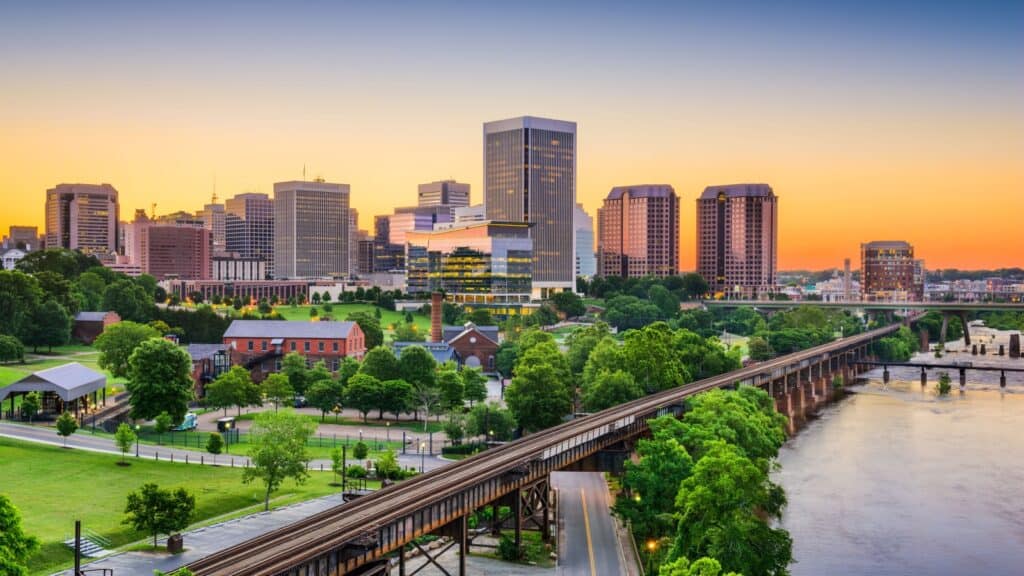
Virginia’s population trajectory reflects both its strategic location near national and global job centers and its growing appeal to newcomers. Virginia’s inflow now outpaces out‑migration by roughly 2.5 to 1, with immigration accounting for about two‑thirds of the state’s population increase, underscoring its global appeal to workers and families.
The Old Dominion attracts domestic movers seeking proximity to Washington, D.C., and employers across federal, defense, technology, and research sectors, as well as international migrants integrating into diverse communities.
Virginia’s blend of education access, economic diversification, and robust public services helps explain why it remains a destination within the broader national migration landscape even as overall U.S. growth slows.
Tennessee
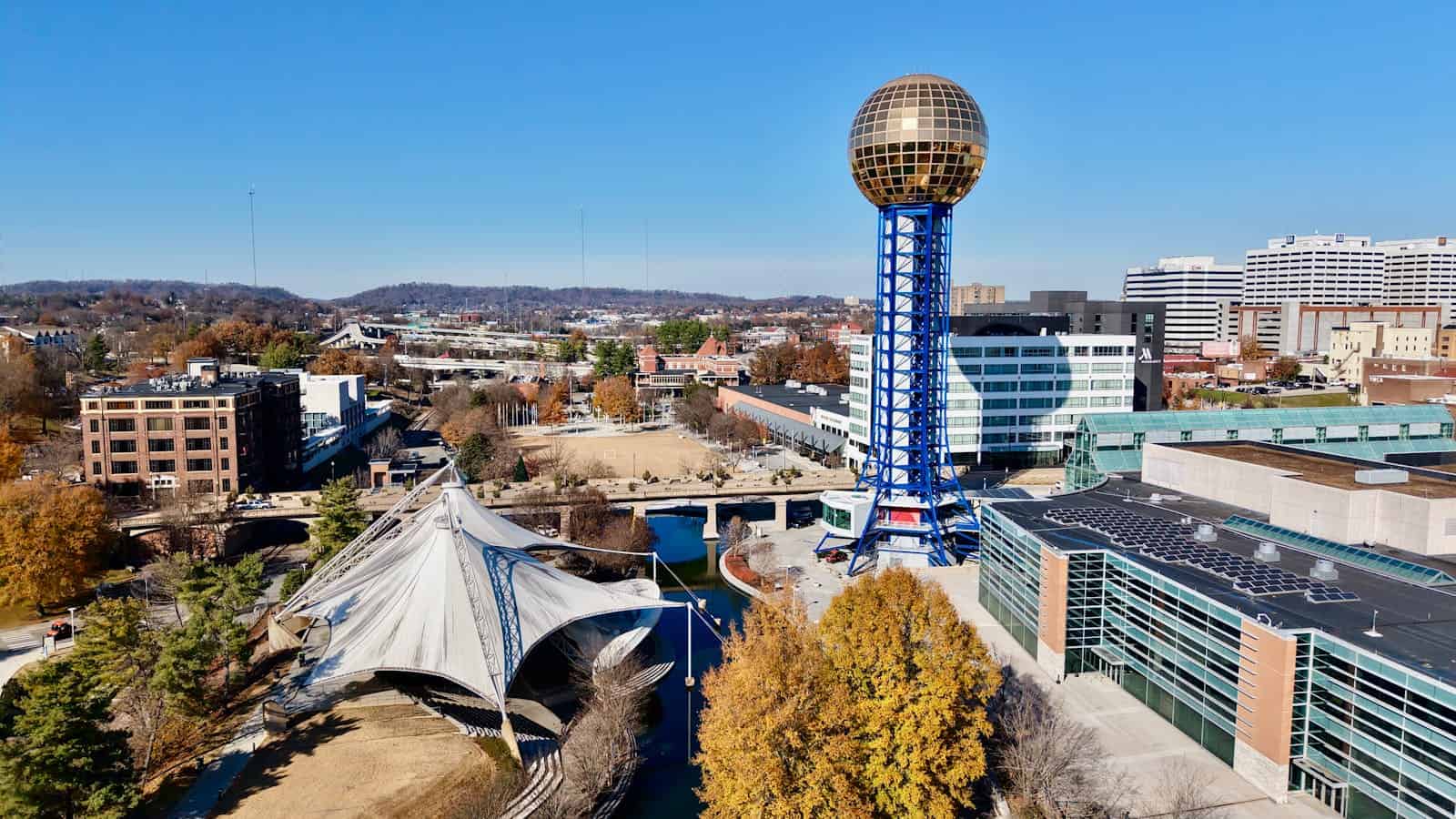
Nashville’s economy has attracted major tech and enterprise investments, with companies such as Amazon and Oracle anchoring substantial office and operations hubs and driving tech job growth.
Concurrently, international and domestic migration have fueled the state’s demographic gains, contributing nearly 80,000 new residents in 2024 alone and making net migration a dominant growth factor.
Business formations surged last year, with 16,000+ new entities filed statewide, indicating entrepreneurial momentum and confidence in Tennessee’s business environment. Personal incomes and total employment figures have climbed, highlighting economic productivity in sectors from healthcare to manufacturing.
Tennessee’s blend of a relatively low cost of living, an absence of a state income tax, and expanding opportunities continues to attract workers and families, though sustained success will hinge on balancing job creation with housing.
Arizona

Much of this growth is concentrated in the Phoenix metropolitan area, which has become an economic powerhouse, with exceptionally strong GDP growth, robust business activity, and infrastructure expansion.
The state’s workforce pipeline and industry clusters, semiconductors, aerospace, defense, clean energy, and biosciences, are drawing corporations and skilled workers; for example, TSMC’s megafab expansion represents one of the largest foreign direct investments in U.S. history, anchoring a broader tech ecosystem that attracts complementary companies and jobs.
Universities like Arizona State and the University of Arizona help supply labor, while expanded logistics and service sectors support everyday life. Migration, both domestic and international, will likely remain a crucial growth driver even as natural increase slows, positioning Arizona not just as a Sun Belt destination but also as a diversified economic hub.
Utah

What makes Utah distinctive isn’t simply net in‑migration but the combination of robust natural increase and economic dynamism: recent estimates show natural change (births minus deaths) now contributes the majority of growth, a reversal from earlier years dominated by movers from elsewhere. Utah’s economy is diversified and strong across health care, professional services, and construction, and demographic projections expect about 1.2 million new jobs by 2065 as the state’s workforce expands and ages.
This growth attracts families and workers alike, reflected in rapidly growing counties like Utah and Tooele, while metropolitan areas like Salt Lake City and Provo‑Orem attract business and technology sectors. Utah also ranks notably high in per‑capita use of AI and tech adoption, a marker of its emerging innovation ecosystem.
With a younger median age than most states and a trajectory that blends organic demographic momentum with economic opportunity, Utah’s growth story is not just about relocation but about a changing population and labor market shaping the state’s future.
Key takeaways

- Migration is driven by opportunity, not politics: Most Americans relocate for jobs, education, cost of living, and lifestyle, with political factors influencing very few moves.
- Economic and industrial hubs attract talent: States with tech, aerospace, healthcare, and logistics clusters, such as Washington, Arizona, and Tennessee, attract significant domestic and international migration.
- Education and STEM excellence shape growth: High-performing states in STEM and overall education, such as New Jersey, attract families and businesses, creating a skilled workforce that reinforces economic growth.
- Lifestyle and amenity migration matter: Coastal access, cultural offerings, recreation, and quality of life influence moves to states like Florida and South Carolina, while affordability and tax policy shape choices in Texas and Utah.
- Growth creates opportunities and challenges: Rapidly expanding states face pressure on infrastructure, transit, housing, and environmental resilience, requiring long-term planning to sustain population and economic momentum.
Like our content? Be sure to follow us