12 air conditioner mistakes that can increase your energy bills
Your air conditioner may be keeping your home cool, but small mistakes in how you use it can quietly increase your energy bills. The U.S. Department of Energy says heating and cooling make up about 50% of a typical home’s energy use, meaning inefficient cooling habits can have a noticeable impact on your monthly costs.
Simple changes, like adjusting your thermostat, replacing filters, sealing air leaks, and using smart cooling habits, can help your air conditioner run more efficiently. Before your next energy bill arrives, it is worth checking whether these common AC mistakes are costing you more money than they should.
Setting the Temperature Too Low
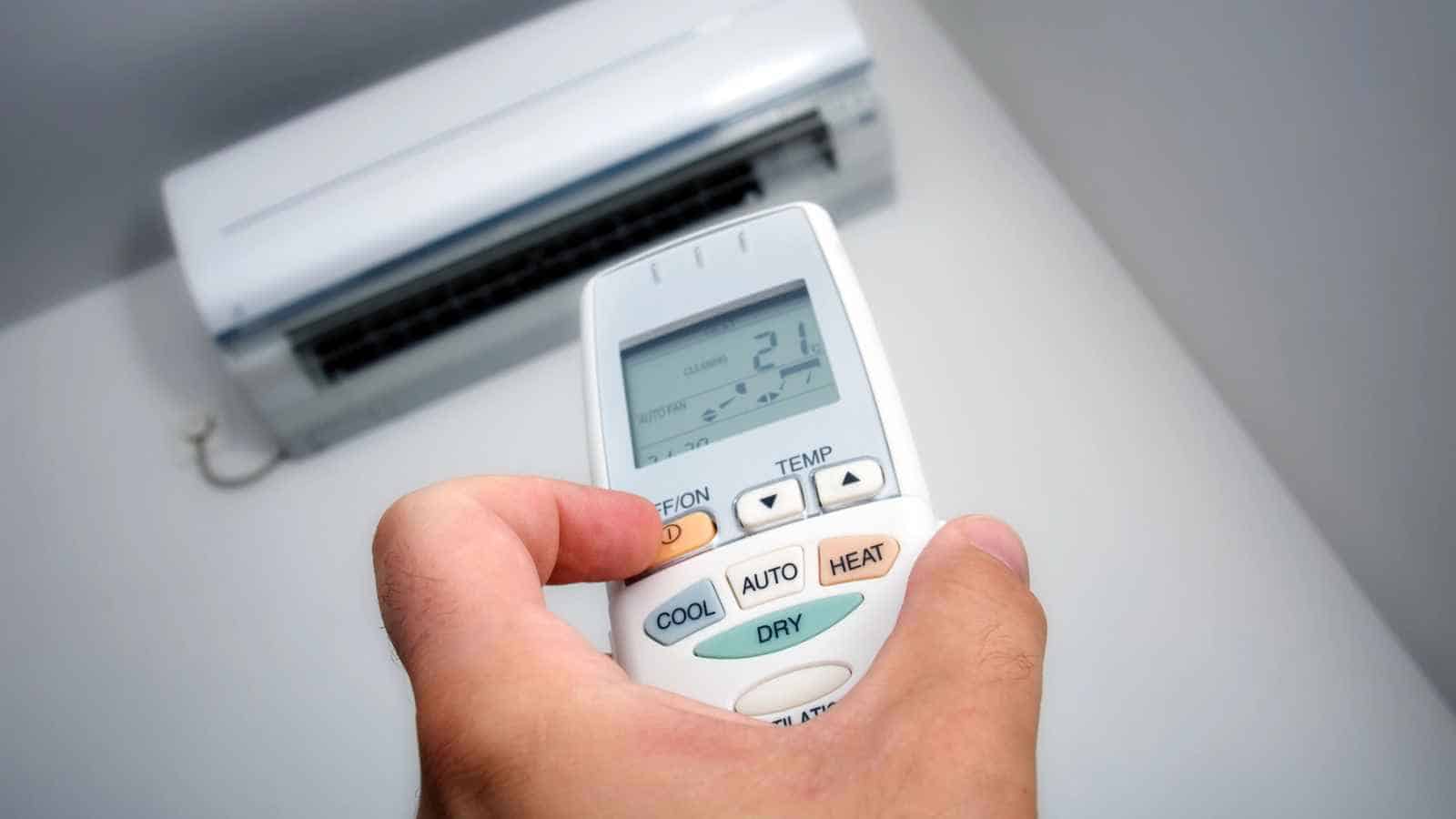
Turning the thermostat down several degrees will not make the room cool faster. Most conventional air conditioners operate at a fairly steady cooling rate, so an extremely low setting simply keeps the compressor running longer after the room is already comfortable.
A sensible temperature schedule usually works better than constantly chasing the lowest possible setting. ENERGY STAR estimates that certified smart thermostats save households about 8% on heating and cooling bills, or approximately $50 per year on average, by managing temperatures more efficiently.
Installing the Unit in a Poor Location
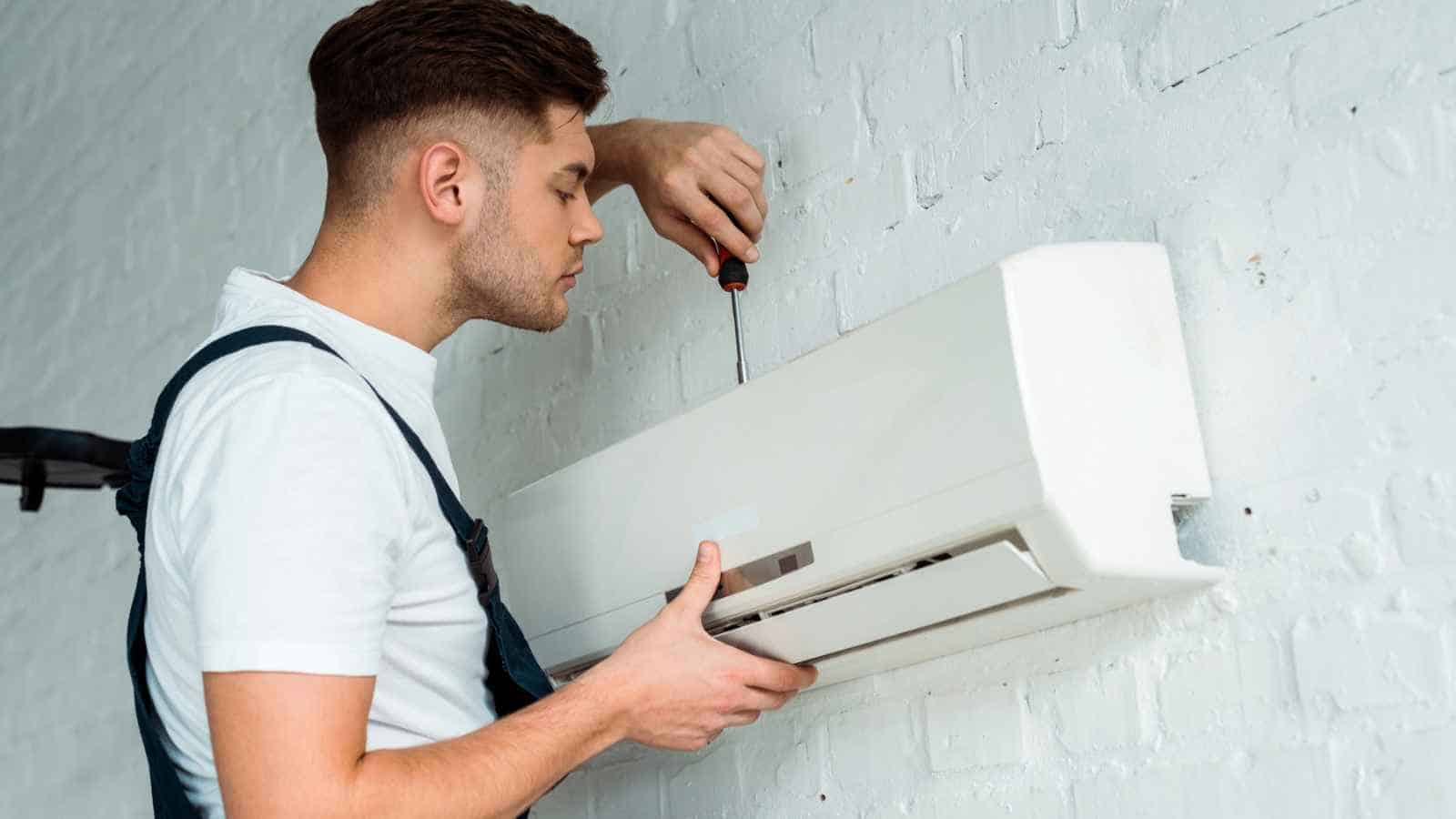
An air conditioner has to work harder when sunlight constantly heats the room or the unit itself. West-facing windows, unshaded glass, nearby ovens, and heat-producing electronics can all add to the cooling load.
Research from the National Renewable Energy Laboratory found that operable exterior window shades have some of the greatest potential for reducing cooling energy use in both new and existing homes. Keeping blinds closed during the hottest hours and shading sun-exposed windows can reduce the amount of heat the AC must remove.
Buying the Wrong Size Air Conditioner

An oversized air conditioner may cool a room quickly, but that does not make it more efficient. It can shut down before running long enough to remove moisture, leaving the space feeling cold, damp, and uncomfortable.
A system that is too small creates the opposite problem because it may run continuously without reaching the desired temperature. ENERGY STAR warns that oversized room air conditioners cost more, waste energy, and do not provide better cooling, which is why capacity should be matched to the room or home.
Ignoring Dirty Air Filters
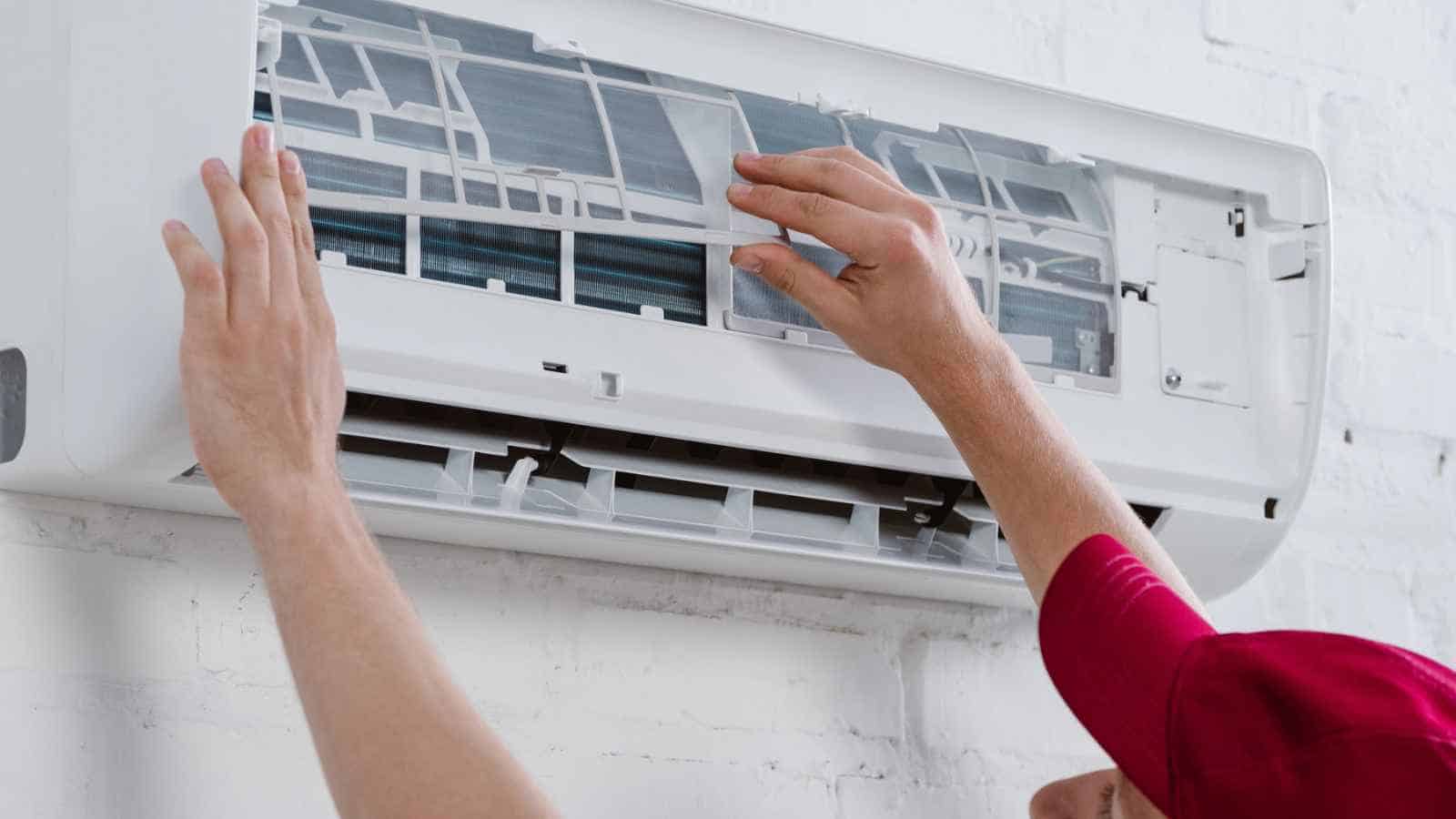
A clogged filter restricts airflow through the cooling system. The AC must then operate longer to move enough conditioned air through the house, increasing electricity use and placing more pressure on the fan and other components.
ENERGY STAR recommends checking filters every month during periods of heavy summer or winter use. Filters should be changed when they look dirty and at least once every three months, since poor airflow can waste energy and contribute to early equipment failure.
Leaving Doors, Windows, and Ducts Leaking
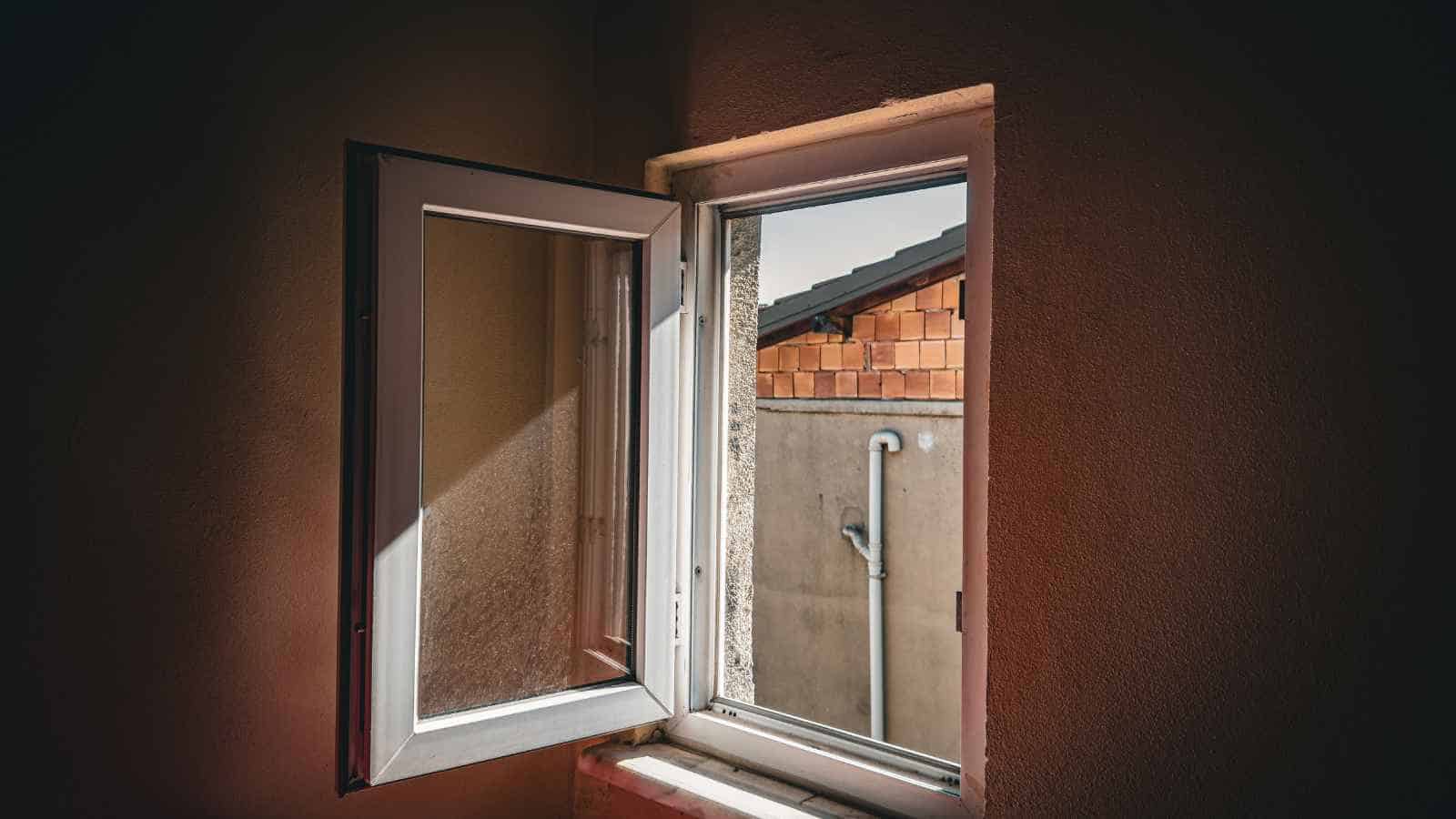
Cooled air does little good when it escapes through gaps around doors, windows, or duct connections. Warm outdoor air enters at the same time, forcing the system to repeat work it has already done.
Field research published by the American Council for an Energy-Efficient Economy found that duct improvements raised average delivery efficiency from 64% to 76%. The retrofits produced an average 18% reduction in HVAC energy use, showing how much properly sealed ductwork can matter.
Turning the AC On and Off Too Often

Switching the air conditioner off every few minutes may feel like an easy way to save power, but extremely short operating cycles can reduce efficiency. The system needs time after startup to reach stable cooling performance and begin removing humidity properly.
Research from the National Institute of Standards and Technology found that shorter cooling cycles reduce cyclic efficiency. Instead of repeatedly operating the controls by hand, allow the thermostat to manage the system or use a planned schedule that avoids rapid starts and stops.
Running the AC at the Same Setting All Day

Cooling an empty home at the same temperature used when everyone is inside wastes electricity. The system may operate for hours even though nobody is there to benefit from the colder indoor temperature.
Simply owning a programmable thermostat does not guarantee savings. Lawrence Berkeley National Laboratory reported that about 40% of programmable thermostat owners did not use programming features and 33% had programming features overridden. This suggests that many households were missing the main energy-saving benefit.
Skipping Regular Maintenance
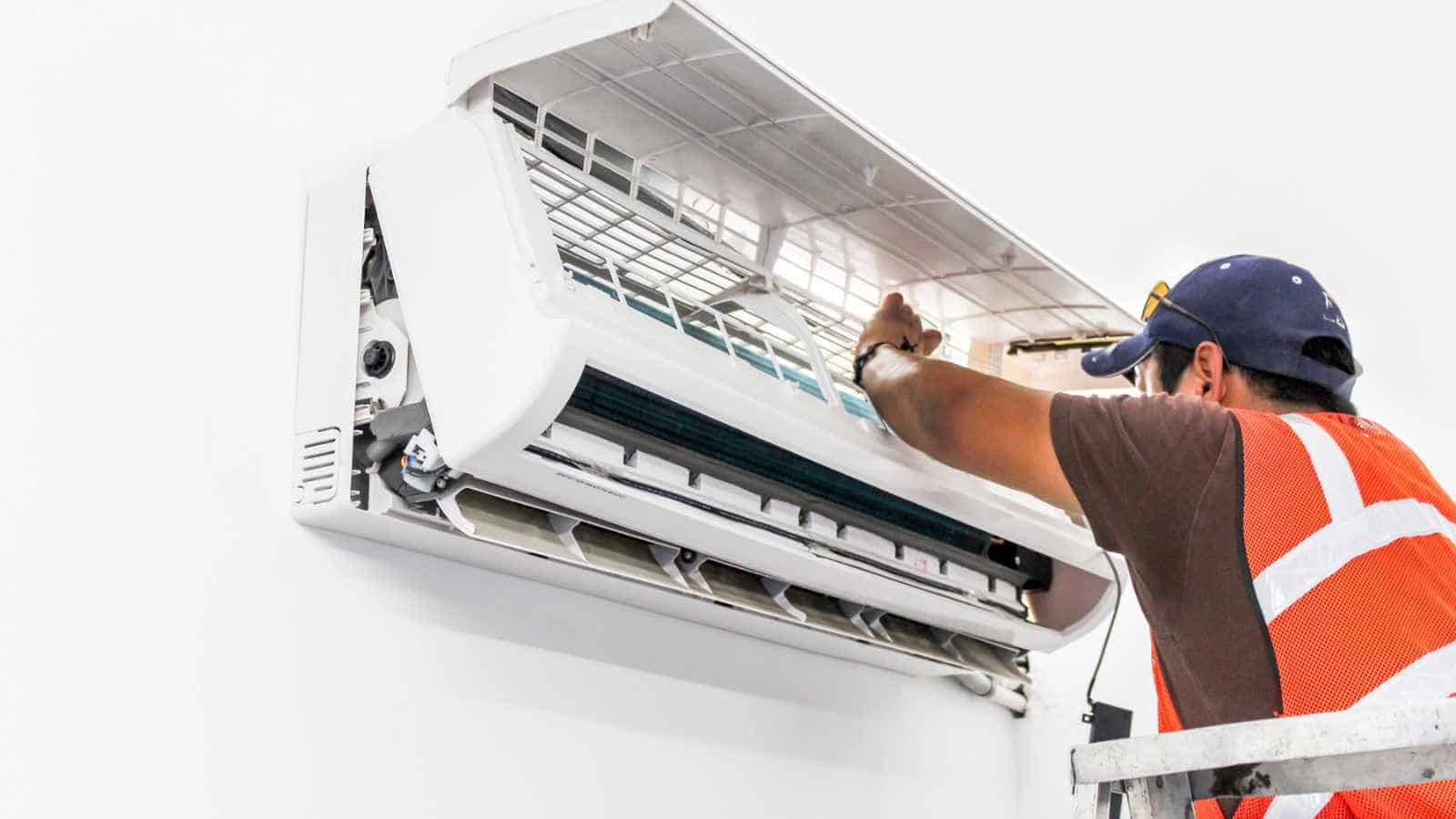
Air conditioners gradually lose performance when coils become dirty, refrigerant problems develop, or electrical components begin wearing out. These issues may remain unnoticed because the system can continue producing cool air even as its energy consumption rises.
The Air Conditioning Contractors of America has established minimum inspection requirements for residential HVAC maintenance. ACCA says scheduled inspection and maintenance can support lower utility costs, preserve efficiency, prevent unexpected failures, and extend equipment life.
Ignoring Smart Thermostat Features
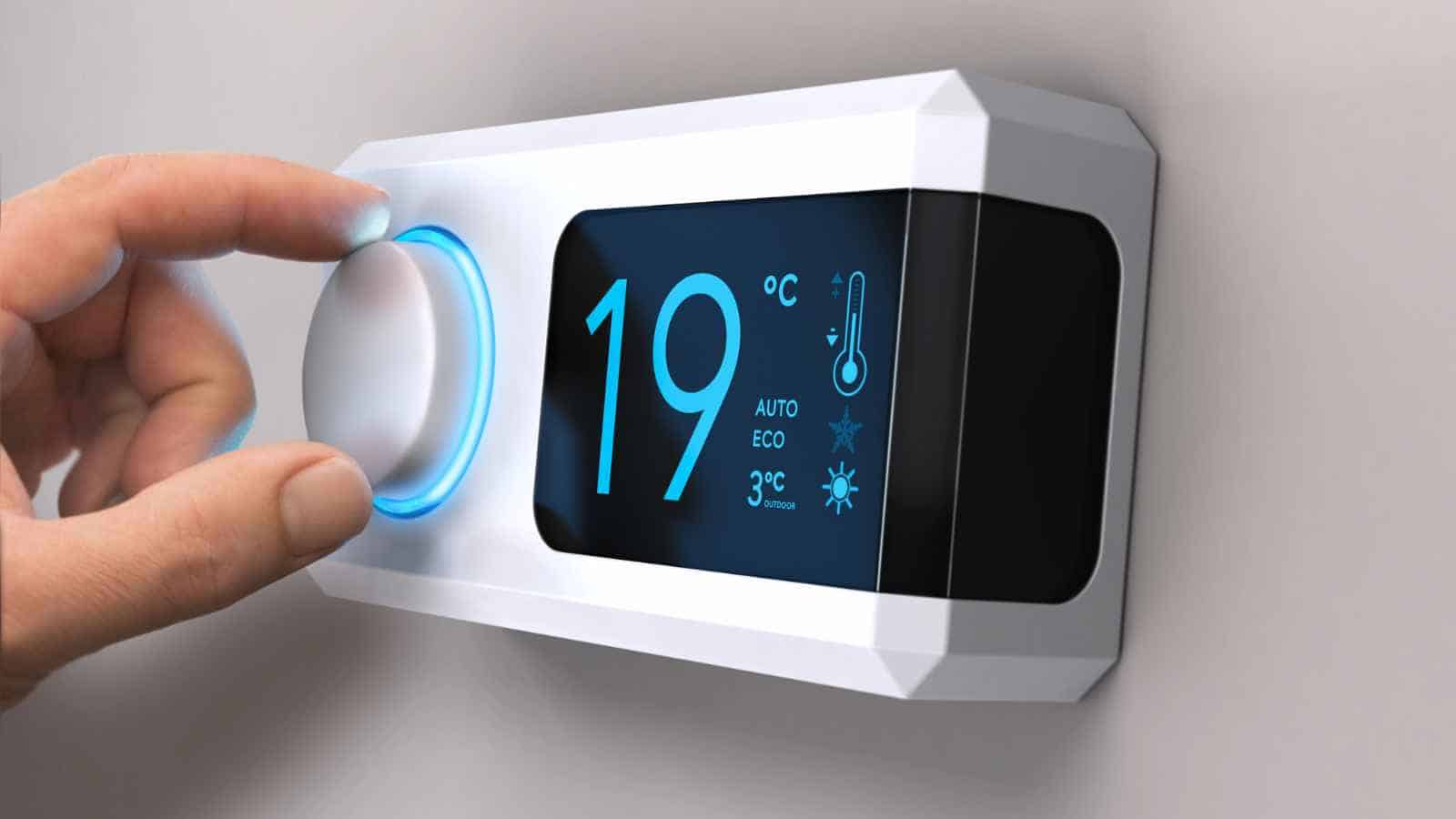
Some homeowners install smart thermostats but continue using them exactly like manual controls. That means useful features such as scheduling, geofencing, usage reports, remote access, and automatic temperature adjustments remain switched off.
ENERGY STAR-certified smart thermostats are evaluated using actual field data rather than feature lists alone. Depending on the model, they can learn household routines, recognize when people are away, and provide equipment-use information that helps homeowners identify wasteful cooling patterns.
Cooling Rooms You Rarely Use
Keeping every room at exactly the same temperature can increase the amount of space your AC must cool. Guest bedrooms, storage areas, and unused offices may not require the same level of cooling as occupied living spaces.
Lawrence Berkeley National Laboratory has studied the idea of creating a designated “cool room” rather than cooling an entire home during extreme heat. Its research found that this approach could reduce peak electricity demand by as much as 70% compared with whole-house cooling, although the safest strategy depends on the home, climate, and needs of its occupants.
Using the AC Before Trying Other Cooling Methods

Many homes become hot because sunlight enters through windows and the indoor air remains still. Closing curtains, using exterior shade, improving nighttime ventilation, and running fans can make a room feel cooler before the thermostat is lowered.
ASHRAE’s thermal-comfort standards recognize that increased air movement can help people remain comfortable at higher indoor temperatures. Federal energy guidance also estimates that a ceiling fan may allow the thermostat setting to be raised by about 4°F without reducing comfort, provided the fan is switched off when the room is empty.
Forgetting About Insulation and Air Sealing
Even an efficient air conditioner will struggle in a home that constantly absorbs outdoor heat. Weak attic insulation, gaps around plumbing openings, poorly sealed windows, and cracks in the building envelope allow heat to enter and cooled air to escape.
National Renewable Energy Laboratory modeling found that comprehensive home-efficiency improvements could reduce peak cooling loads by more than 40% and peak cooling demand by about 50% in the homes examined. Insulation and air sealing may not be as visible as a new AC unit, but they can significantly reduce the amount of cooling the unit must provide.
Disclaimer – This list is solely the author’s opinion based on research and publicly available information. It is not intended to be professional advice.
Like our content? Be sure to follow us.