If you’ve been feeling disconnected, these hidden challenges could be why
In a world where we’re more “connected” than ever, it’s a bit ironic that the most frequent dinner guest for many women is a quiet, nagging sense of isolation. We’ve mastered the art of the group chat and the “double-tap,” yet somehow, we’ve ended up in a collective room where everyone is scrolling, but nobody is really there.
It’s not just in your head, though. According to a June 2025 report from the WHO Commission on Social Connection, nearly 1 in 6 people globally experience loneliness, making it a critical public health threat.
So, why are we feeling so solo in a crowded room? From the weight of “having it all” to the digital smoke and mirrors of the 21st century, here are the common challenges fueling this rising epidemic.
Surface-Level Friendships and Weak Social Ties

Modern life often forces women into a cycle of “polite” proximity. You might navigate a calendar packed with networking events, playdates, and office meetings, yet return home feeling entirely unseen. These surface-level connections function like social filler; they occupy your time without nourishing your soul.
When professional stress or personal crises hit, the realization that your circle lacks emotional depth can be shattering. True intimacy requires a level of vulnerability that busy schedules and digitally curated lives often stifle. Relying on acquaintances for emotional survival creates a silent isolation that persists even in a crowded room.
The “Strong Woman” Pressure

The societal demand for women to master every role, career, family, and home without a single crack in the facade creates a crushing isolation. According to insights from The Wave of Edgewater, a women’s mental health treatment facility, when women feel they must appear strong and capable, they often hide their emotional struggles to avoid appearing weak or needy.
This performance of perfection prevents genuine connection because it treats vulnerability as a dangerous flaw rather than a human bridge. When women feel they cannot lean on others without appearing weak, loneliness becomes a silent, heavy burden. This pressure forces them to hide their struggles, turning solitude into a guarded secret even in a crowded room.
Juggling Work, Gender Roles, and Identity
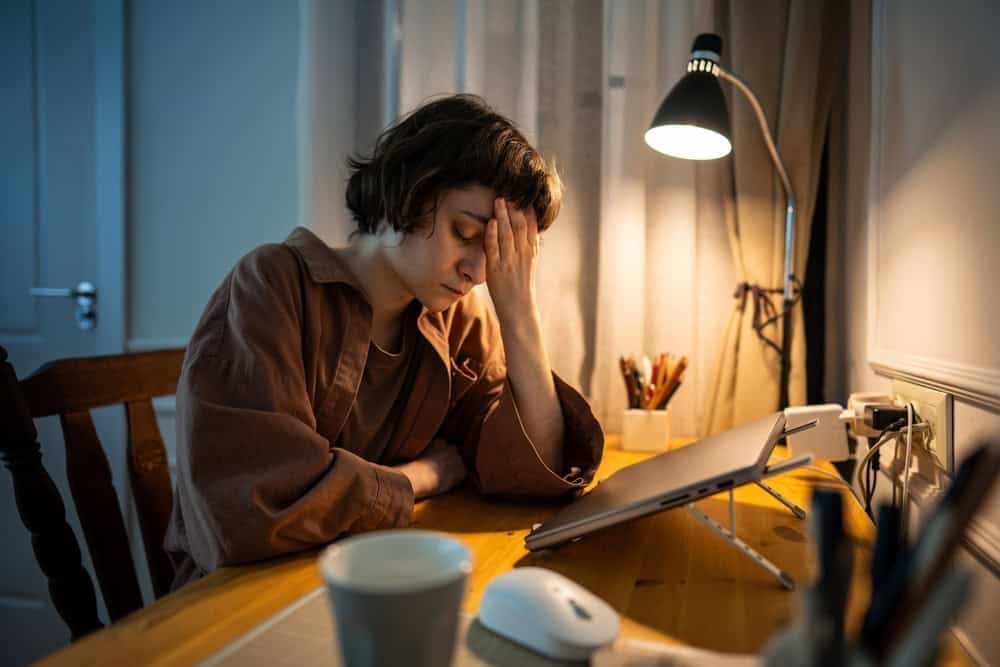
Modern life often traps women in a relentless cycle of performance and duty, leaving little room for genuine connection. While professional demands intensify, the “second shift” at home remains a heavy, silent burden. This dual expectation creates a profound sense of isolation, as the mental load of managing a household while climbing the career ladder drains the emotional energy needed for socializing.
When domestic labor and career ambitions collide, the resulting exhaustion acts as a barrier to the very community women need to thrive. Beyond the burnout, many find their personal identity slipping away, replaced by roles that serve everyone but themselves. Explore why this systemic pressure is a primary driver of the female loneliness epidemic.
Digital Connection Replacing In‑Person Support

Digital scrolling often feels like a crowded room, yet it leaves many women profoundly alone. While screens keep us constantly “connected,” they often strip away the nuanced emotional buffering of physical presence.
Reports from Medical Xpress suggest that although digital communication has increased significantly, it often serves as a poor substitute for in-person interaction, failing to provide the same emotional and psychological benefits. This shift creates a world where we are more visible than ever, yet feel increasingly misunderstood and isolated. Virtual interactions cannot replicate the comfort of a shared physical space.
Trauma, Abuse, and Difficulty Trusting Others

Past trauma often casts a long shadow over a woman’s ability to connect. For those who have endured abuse, emotional scars frequently persist long after physical wounds heal. Physical abuse reports significantly higher loneliness levels, even decades later. Abuse shatters the fundamental sense of safety required for intimacy, creating an invisible barrier between the individual and the world.
This deep-seated pain often leads to a protective isolation that feels safer than vulnerability. Understanding how these experiences stifle social bonds is the first step toward reclaiming a sense of belonging and peace.
Caregiving Burden and Emotional Exhaustion
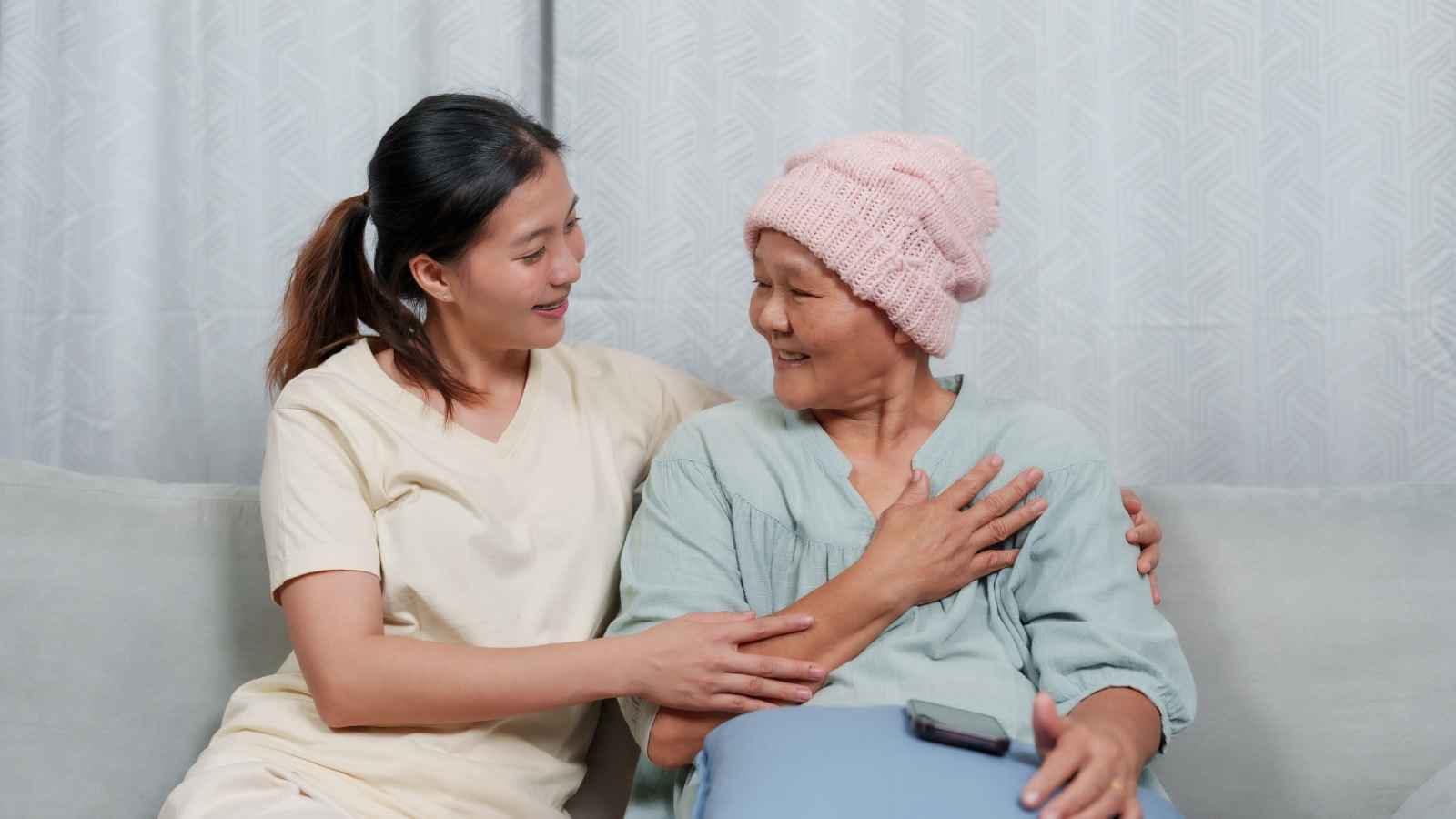
Societal expectations frequently cast women as the primary anchors for both children and aging parents, a role that often leads to profound isolation. This relentless cycle of caregiving drains physical energy and emotional reserves, leaving little room for personal connection.
Continuous self-sacrifice creates a silent barrier, distancing women from the very support systems they desperately need. The WHO’s June 2025 report on social connection highlights that caregivers are at a high risk for chronic loneliness, which causes severe physical and mental health consequences. This state triggers severe physical and mental health declines, turning a labor of love into a source of deep, personal solitude. Explore how these hidden burdens shape the modern female experience.
Economic Insecurity and Social Exclusion

Societal structures frequently push women into low-wage roles and precarious employment, creating a ripple effect that extends far beyond a paycheck. This financial instability acts as a physical barrier to community engagement, as the cost of social outings or group memberships becomes an impossible luxury.
When you are focused entirely on basic survival, the mental bandwidth for fostering deep connections evaporates. Financial hardship functions as a silent architect of isolation, stripping away the resources needed to maintain a vibrant social life. This lack of capital restricts access to healthcare and networking hubs, effectively trapping many in a cycle of forced solitude that remains largely invisible to the wider world.
Stigma Around Being Single or Child‑Free

Societal pressure creates a silent wall for women who opt out of marriage or motherhood. When you deviate from traditional milestones, your community often reacts with judgment rather than support. Research published on ResearchGate indicates that single women frequently encounter deep-seated shame and stigma from family and peers for not meeting traditional, patriarchal, or collectivist milestones.
This cultural exclusion fosters a unique isolation rooted in the feeling that one’s choices are being scrutinized rather than celebrated. Women aren’t lonely because they’re single; they’re lonely because their lives are treated as less worthy. This deep-seated shame often forces women to seek validation outside their immediate circles.
Midlife Role Changes and “Empty Nest” Years

Midlife often arrives with a startling silence. When children move out, and aging parents require different types of care, the daily rhythm you relied on for decades suddenly fractures. This shift creates a massive internal void, turning a bustling home into a space of reflection that feels more like isolation.
Many women struggle to redefine their identity when the primary roles of nurturing and caretaking no longer demand their constant attention. active social recalibration, this transition triggers a profound sense of being unmoored. It is a quiet, gnawing loneliness that demands a new purpose.
Relationship Breakdown and Divorce

Relationship breakdowns do more than end a partnership; they often dismantle an entire social architecture. When a marriage dissolves, mutual friends frequently retreat or choose sides, leaving women to navigate a thinning support network alone. Research highlighted by Dorset Mind indicates that 51% of people face heightened loneliness post-divorce, a shift that frequently triggers isolation and anxiety.
The loss of a spouse often coincides with the sudden disappearance of a shared identity and a familiar community. This void forces a difficult transition from “we” to “me” while managing the heavy silence of a changed home.
Marginalization, Identity, and Discrimination

Marginalization often creates a silent, invisible cage for women navigating the crossroads of identity and systemic bias. When race, disability, or orientation intersect with gender, the resulting isolation isn’t just a feeling; it’s a structural byproduct of being “othered” by society.
These layers of discrimination act as barriers to authentic connection, leaving many to navigate public and private spaces without a true sense of belonging. The compounded weight of these social stigmas often forces women into a state of hyper-vigilance that makes genuine intimacy feel out of reach. Understanding these specific fractures in the social fabric reveals why some experiences of solitude are far more complex than others.
Older Age, Widowhood, and Living Alone

As women age, they often navigate a narrowing social circle, leaving a profound emotional void. Higher life expectancy means many women outlive their partners and peers, transforming a bustling home into a silent one.
Physical health declines further complicate this, as restricted mobility prevents the spontaneous visits and community engagements that once fueled their spirits. Studies highlighted by Taylor & Francis Online, loneliness in women tends to intensify with age, with widowhood and health problems acting as significant triggers for increased emotional distress, driven by longer life expectancy and the likelihood of outliving spouses and friends.
Key Takeaway

Loneliness in women rarely stems from a lack of social effort; instead, it grows from a complex web of cultural expectations and systemic hurdles. Many navigate the isolating “strong woman” archetype, which discourages vulnerability, or find their social circles shrinking under the weight of unpaid caregiving and economic shifts.
From the digital disconnect of social media to the silent strain of career transitions, these obstacles create a profound sense of detachment. True connection requires dismantling the structural barriers that prioritize productivity over human presence. By identifying these twelve common triggers, we can begin to bridge the gap between being surrounded and being truly seen.
Disclaimer – This list is solely the author’s opinion based on research and publicly available information. It is not intended to be professional advice.
Like our content? Be sure to follow us.