12 common foods to skip if you want a longer healthier life
It might seem like a good idea to grab a quick snack to feed the family on a busy day. Maybe you sometimes grab a bottle of fruit juice, because you think it is a healthier pick than soda, or toss instant noodles into your cart for those busy nights.
These habits feel normal because they are convenient and everywhere. Yet recent data from the Guardian identified 32 harmful health effects associated with regular consumption of ultra-processed foods. More than half of all calories consumed by Americans now come from these kinds of foods, according to Johns Hopkins University research.
This reality puts a massive strain on our long-term health, as these items are engineered to replace nutrient-dense options like whole fruits and vegetables. The CDC notes that heart disease is still a leading cause of death in the United States, and what we put on our plates plays a major role in that outcome. It is a good reminder of why shifting toward whole foods matters, not for perfection, but for longevity.
Processed Meats

Items like hot dogs, deli meats, and sausages are staples in many lunchboxes across the country. Atli Arnarson, a scientist with a PhD, notes on Healthline that these meats contain chemical compounds like nitrosamines and PAHs. These are specifically linked to increased risks of bowel and stomach cancer.
Now, imagine the health risk for a family that eats deli sandwiches every day for lunch. Over a decade, that adds up to thousands of servings of nitrates and high sodium levels. This constant exposure can lead to chronic inflammation in the gut.
While a single hot dog at a summer game is not the end of the world, making these meats a daily habit is where the trouble starts. Choosing fresh chicken or fish instead can significantly lower your intake of these harmful additives. It is a simple shift that helps protect your digestive health as you age.
Fruit Juice

Many parents choose juice as a healthy option for children, thinking it is just as good as a piece of fruit. However, pediatricians Lena van der List and Dean Blumberg from UC Davis Health warn that the concentrated sugar and calories can lead to obesity. A 6-ounce serving of orange juice can pack up to 18 grams of sugar, which is about four teaspoons or more.
This lack of fiber means the sugar hits your bloodstream almost instantly. Without the pulp of a whole fruit to slow things down, your liver has to process all that sweetness at once.
Consider a morning when a child drinks two large glasses of apple juice before school. They are getting nearly 30 grams of sugar before they even start their first lesson. Swapping the glass for a whole piece of fruit provides the fiber your body needs to stay balanced.
Sugar-Sweetened Beverages

This category includes sodas, sweet teas, and various sports drinks that many people sip on throughout the day. Data from the CDC shows that 63 percent of youth and 49 percent of adults consume these daily. Youth in the U.S. average 413 calories every day just from these drinks. These “liquid calories” do not trigger the same fullness signals in the brain as solid food.
As a result, you might drink a large soda and still feel just as hungry for a full meal. This leads to a readily available caloric surplus, which contributes to weight gain and metabolic issues. Over time, this daily habit can increase the risk of type 2 diabetes and heart disease.
Simply switching to plain water or sparkling water with a lime can cut out hundreds of unnecessary calories. It is one of the most effective changes you can make for your energy levels.
Breakfast Cereals
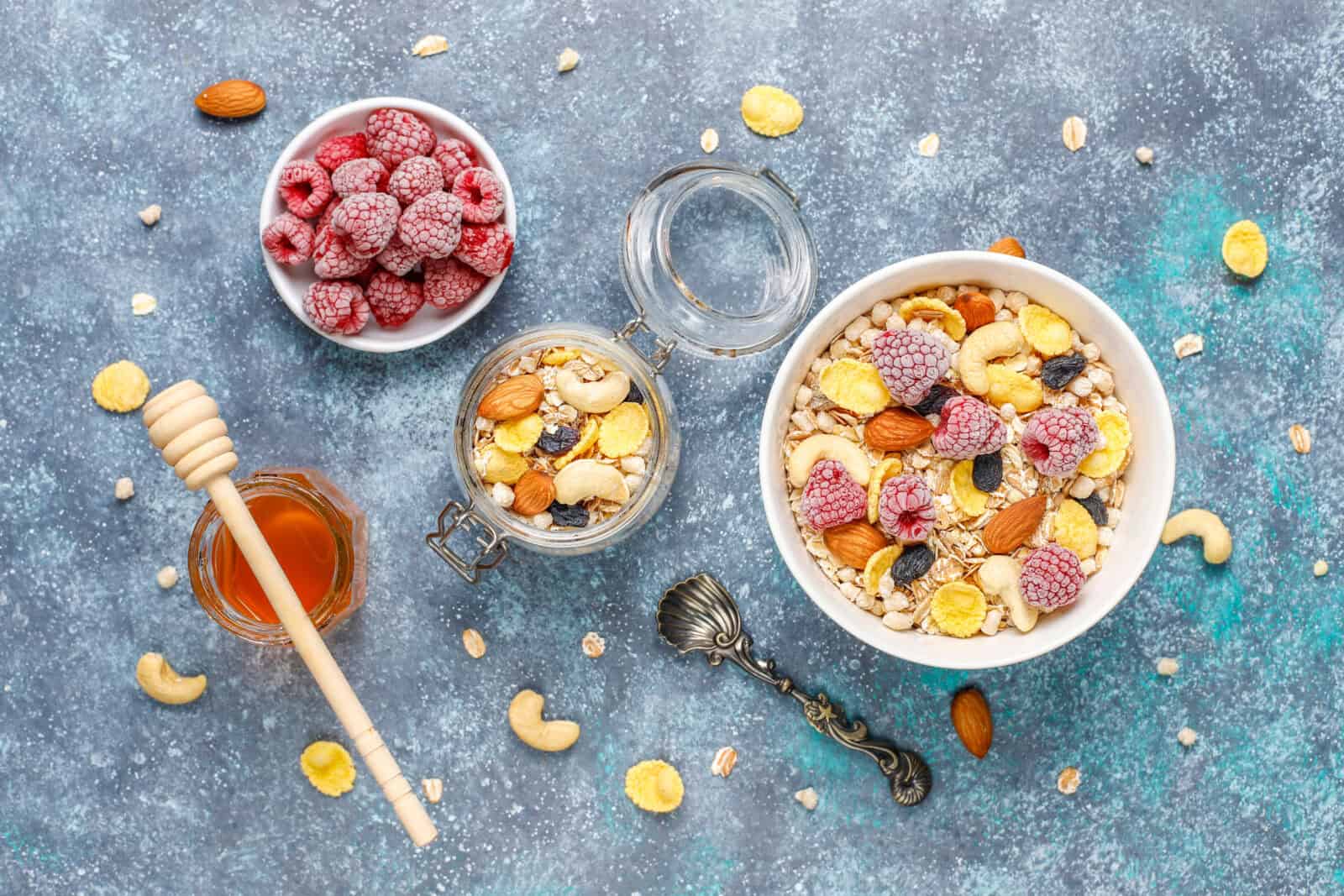
The cereal aisle is often a minefield of hidden sugar and refined grains. Healthline reports that sugar is frequently the second or third ingredient in many boxes, even those labeled as “healthy.”
This makes cereal the seventh largest source of added sugar for adults in the U.S. today. Many of these products are highly processed, meaning the natural fiber from the grain is stripped away.
This causes a blood sugar spike, followed by a crash, leaving you reaching for more snacks by mid-morning. It might seem like a good idea for a busy 9-5er to eat a bowl of “honey-nut” cereal every morning at 8:00 AM. But by 10:30 AM, they feel shaky and tired because their blood sugar has plummeted.
Starting the day with eggs or oatmeal provides more stable energy that lasts until lunch. It helps keep your focus sharp without the need for a sugary pick-me-up.
Energy Drinks
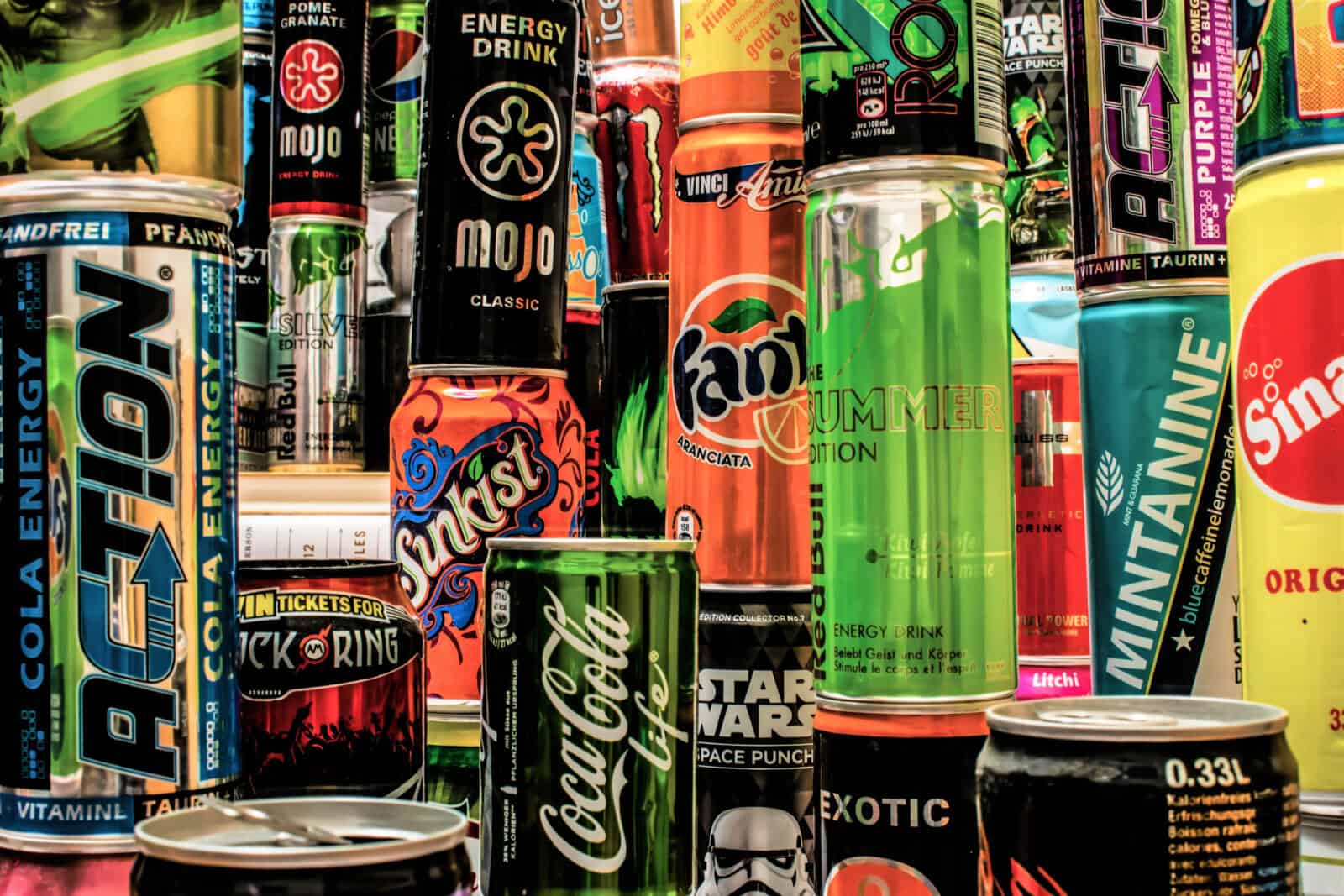
These drinks promise a boost during a busy day but often come with a high cost for your heart. Harvard Health experts point out that energy drinks can disrupt normal heart function, causing spikes in blood pressure.
Pediatric exposures to these drinks jumped by 24.2 percent between 2022 and 2023. The high levels of caffeine, which can range from 6 to 242 milligrams per serving, can cause jitters and arrhythmias.
Many people use them to mask the exhaustion caused by poor sleep or high stress. Still, there is more to it than just the caffeine; the combination of taurine and sugar can be even more taxing.
A student pulling an all-nighter might drink three of these, putting massive stress on their cardiovascular system. Choosing green tea or a small cup of black coffee is a much safer way to stay alert.
Instant Noodles
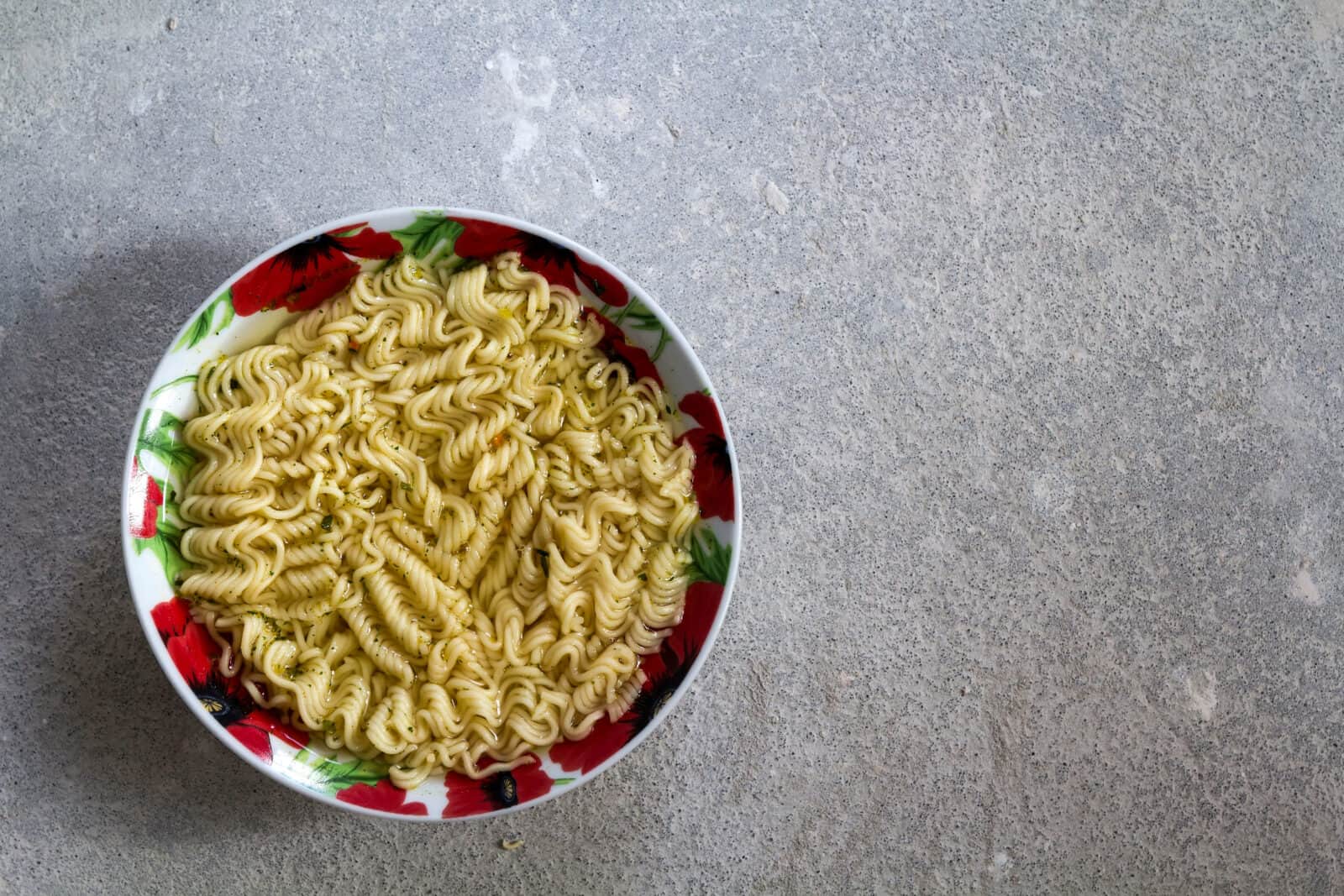
Instant noodles are a go-to for a quick, cheap meal, but they are incredibly dense in salt. A study by Parkway East shows that a 43-gram serving of instant noodles contains a staggering 986 milligrams of sodium. This comes with very little fiber or protein to balance out the meal. For most people, this single snack provides nearly half of the recommended daily salt intake.
Consuming this much sodium regularly is a major factor in high blood pressure and hypertension. It can also lead to water retention and bloating that lasts all day. Because they are so low in nutrients, they often displace better foods like vegetables or lean proteins.
Think of a busy college student relying on these for dinner multiple times a week. They are missing out on the vitamins needed for a strong immune system. Adding fresh spinach or an egg can help, but the seasoning packet remains a health risk.
Seed Oils in Processed Foods
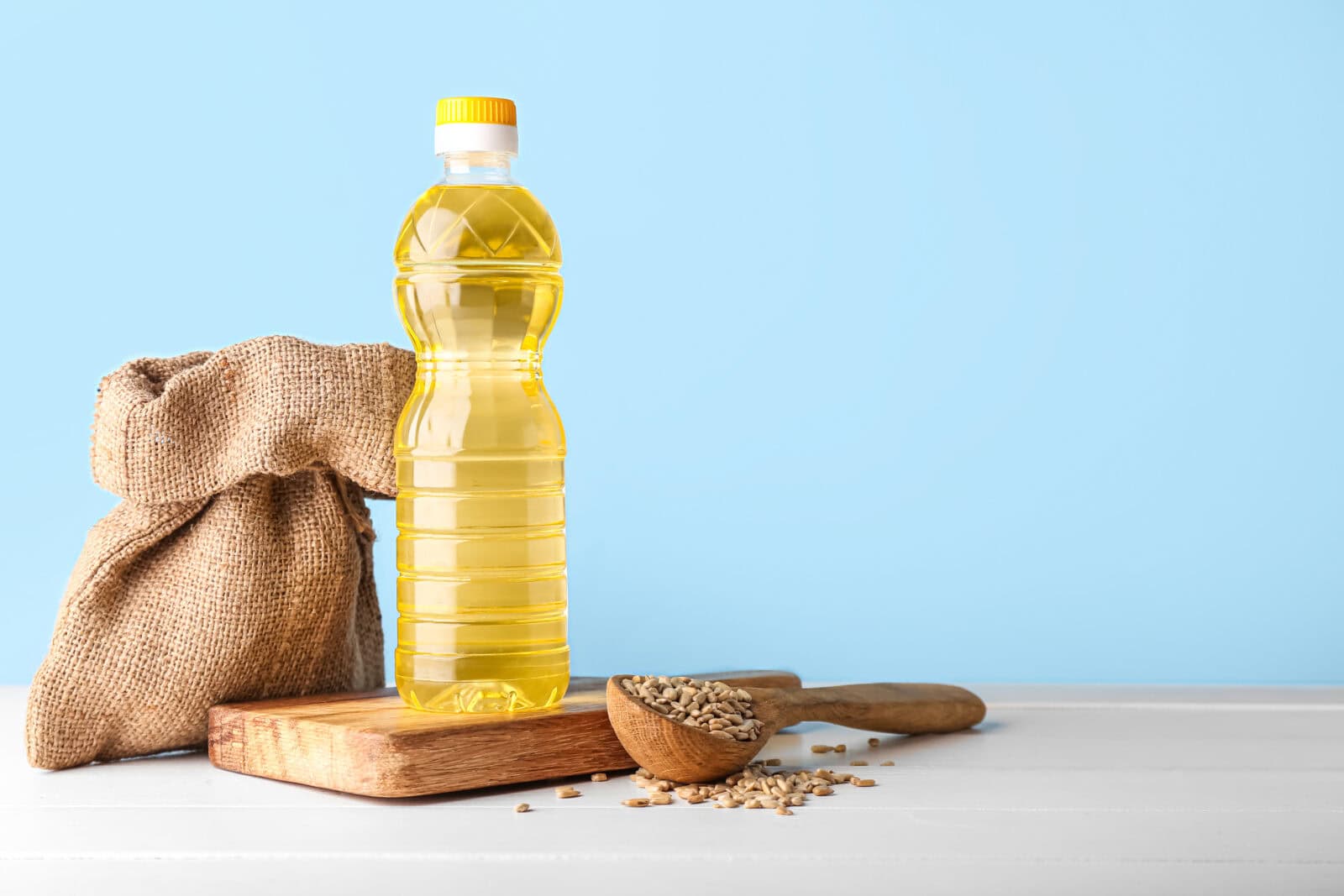
Commonly used in frying and in packaged snacks, seed oils such as soybean and corn oil are under scrutiny. Julia Zumpano, a registered dietitian at the Cleveland Clinic, explains that these oils are high in omega-6 fats. These fats can lead to inflammation when consumed in excess, especially when not balanced with omega-3s.
Most Americans get far too much omega-6 because these oils are used in almost every fast-food and packaged item. This imbalance is a quiet driver of many chronic conditions that affect longevity. While seed oils are not “toxic” in small amounts at home, their ubiquity in processed food is the real problem.
If you eat out for lunch every day, you will unknowingly be consuming large amounts of these oils. Switching to olive oil or avocado oil for home cooking can help restore a healthy balance. It is a simple way to lower inflammation and support your heart.
Refined White Bread

Refined grains like white bread lack the fiber and nutrients found in the original whole grains. Medical News Today highlights that these items cause rapid spikes in blood sugar. Over time, these spikes make managing metabolic health more difficult and can lead to weight gain.
During the refining process, the bran and germ are removed, leaving only the starchy endosperm. This means the bread is digested very quickly, much like a spoonful of sugar. You might feel full for a short time, but the hunger returns quickly as your blood sugar drops.
A hypothetical person who switches from white toast to whole-grain bread might notice they feel full much longer. This extra fiber also supports digestion and helps keep your cholesterol levels within a healthy range. It is one of the easiest pantry swaps you can make for your long-term wellness.
Potato Crisps and Empty Calories
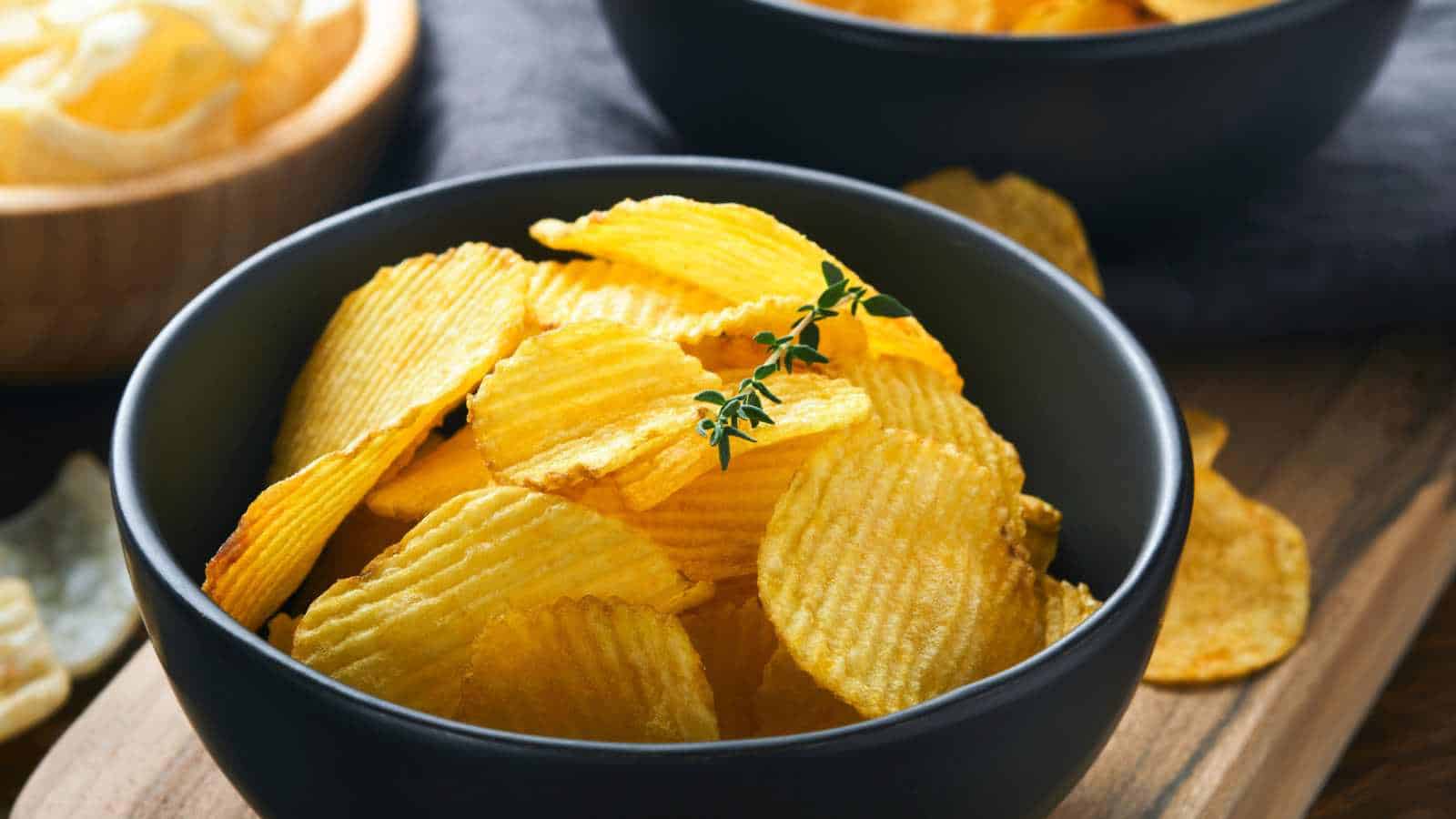
Chips are a classic snack, but eating them every day carries real risks for your heart and waistline. Reports from the Times of India link regular chip intake to systemic health issues over time. They are often high in sodium and contain unhealthy fats with little to no nutritional value.
Because they are designed to be “hyper-palatable,” it is very easy to eat an entire bag without realizing it. This provides a massive hit of salt and calories without offering any vitamins or fiber. In a case where someone sits down to watch a movie with a family-sized bag of crisps.
They are consuming more salt in one sitting than they should have in an entire day. This leads to spikes in blood pressure and puts a strain on the kidneys. Swapping chips for air-popped popcorn or raw nuts provides a crunch without the same health toll.
Artificial Seasonings and Stock Cubes
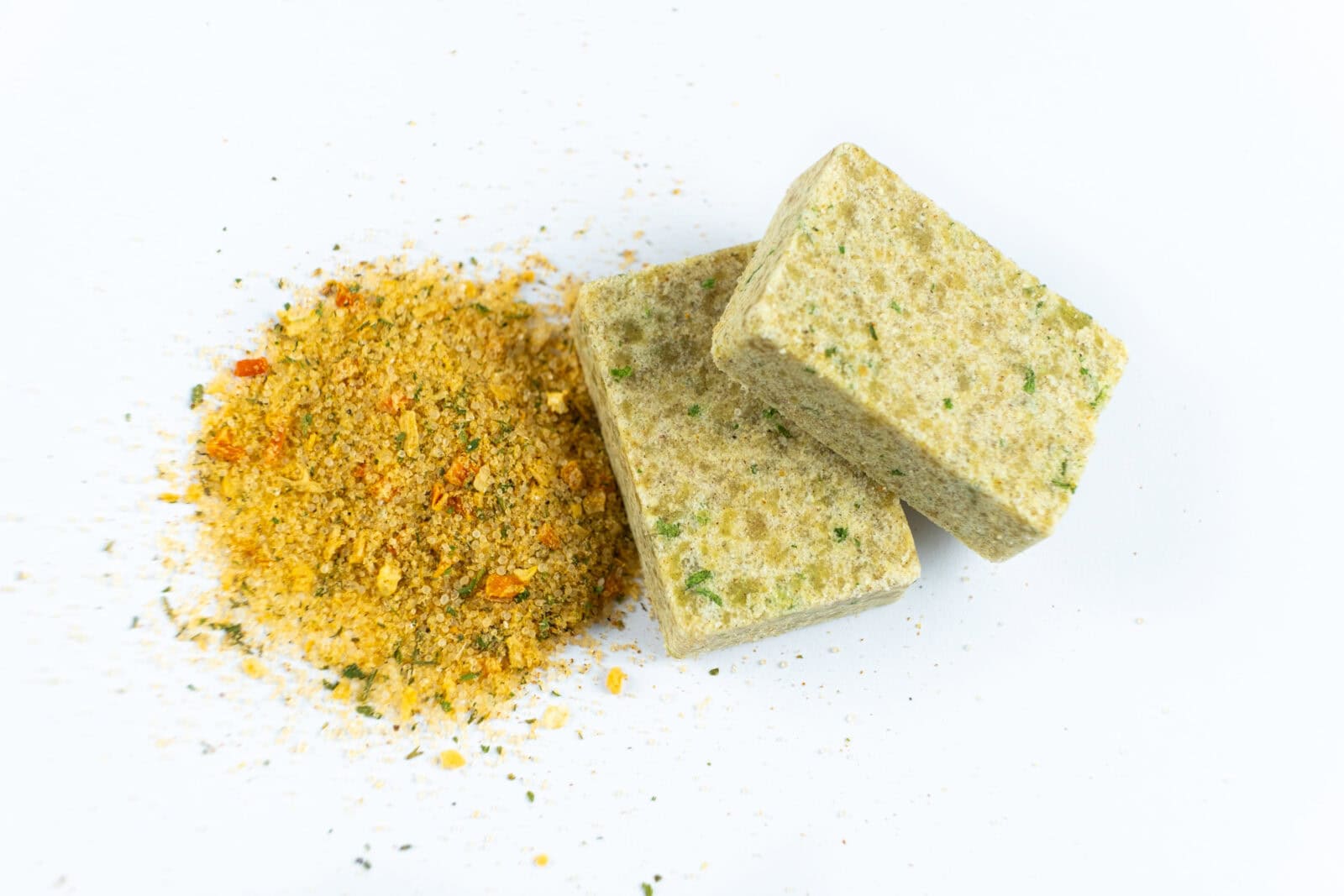
Stock cubes and powdered seasonings are hidden sources of massive amounts of salt in many home-cooked meals. Scientists warn that high-salt diets can increase the growth of Helicobacter pylori. This is a known risk factor for developing gastric disease over time.
Many people use these products to add flavor without realizing they are essentially adding sodium cubes. In fact, these seasonings can sometimes contain more salt than the actual food you are cooking. A home cook might use three cubes in a single pot of soup, thinking it is a healthy meal. They are unknowingly serving their family a dish that could spike blood pressure.
Using fresh herbs like garlic, ginger, and rosemary can provide even better flavor without the health risks. It is a flavorful way to protect your stomach and heart for the long haul.
Frozen Prepared Meals
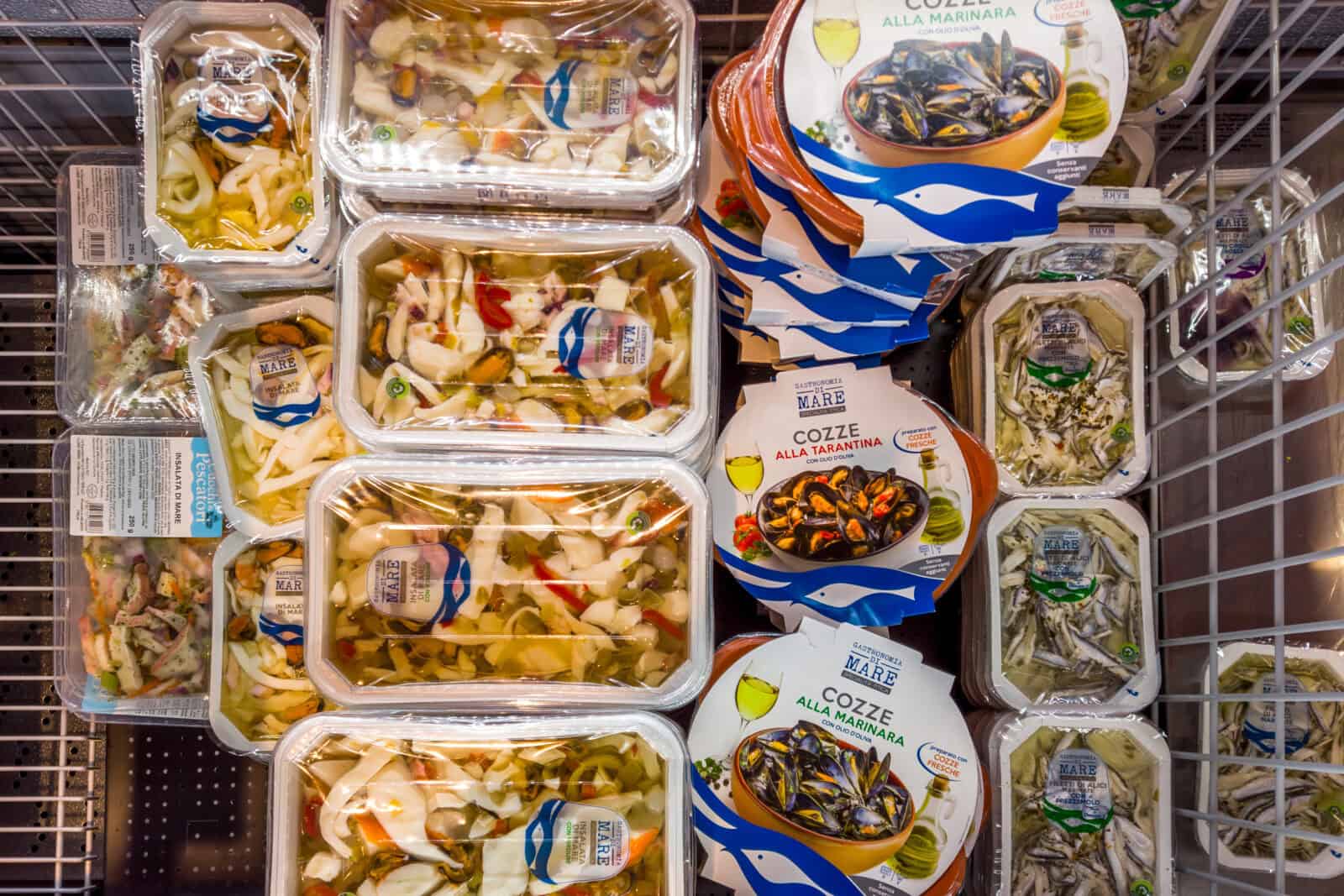
Convenience is the main appeal of frozen dinners, but they are often highly processed to survive months on a shelf. These meals frequently contain chemical preservatives and high amounts of sodium to maintain their taste. They rarely provide the fiber needed to keep your digestion regular and your heart healthy.
Many of these meals are also lower in protein than they appear to be, with starchy fillers replacing protein. A typical scenario might involve a worker who relies on these for every office lunch. While they save time, they also miss out on the live enzymes and nutrients found in fresh food.
Over time, this reliance on processed “convenience” can lead to sluggishness and weight gain. Taking twenty minutes on a Sunday to prep fresh meals for the week can change your entire energy profile. It ensures you know exactly what is going into your body.
Fried Fast Foods

Fast food relies heavily on refined batters and oils that have been heated to high temperatures multiple times. These foods often create an imbalance in the body between omega-6 and omega-3 fatty acids. This imbalance contributes to the inflammation that drives chronic disease and aging. Because these items are so calorie-dense, they often take up the space where healthier foods should be.
A family that eats fast food three times a week is missing out on vital nutrients from fresh vegetables. These meals are often designed to be addictive, making it harder to enjoy the subtle flavors of whole foods. The high heat used in frying can also create harmful compounds that stress the liver. Choosing a grilled option or making a quick wrap at home is a much better way to fuel your body. It keeps your metabolism running smoothly and supports your longevity.
Healthier Alternatives to Consider
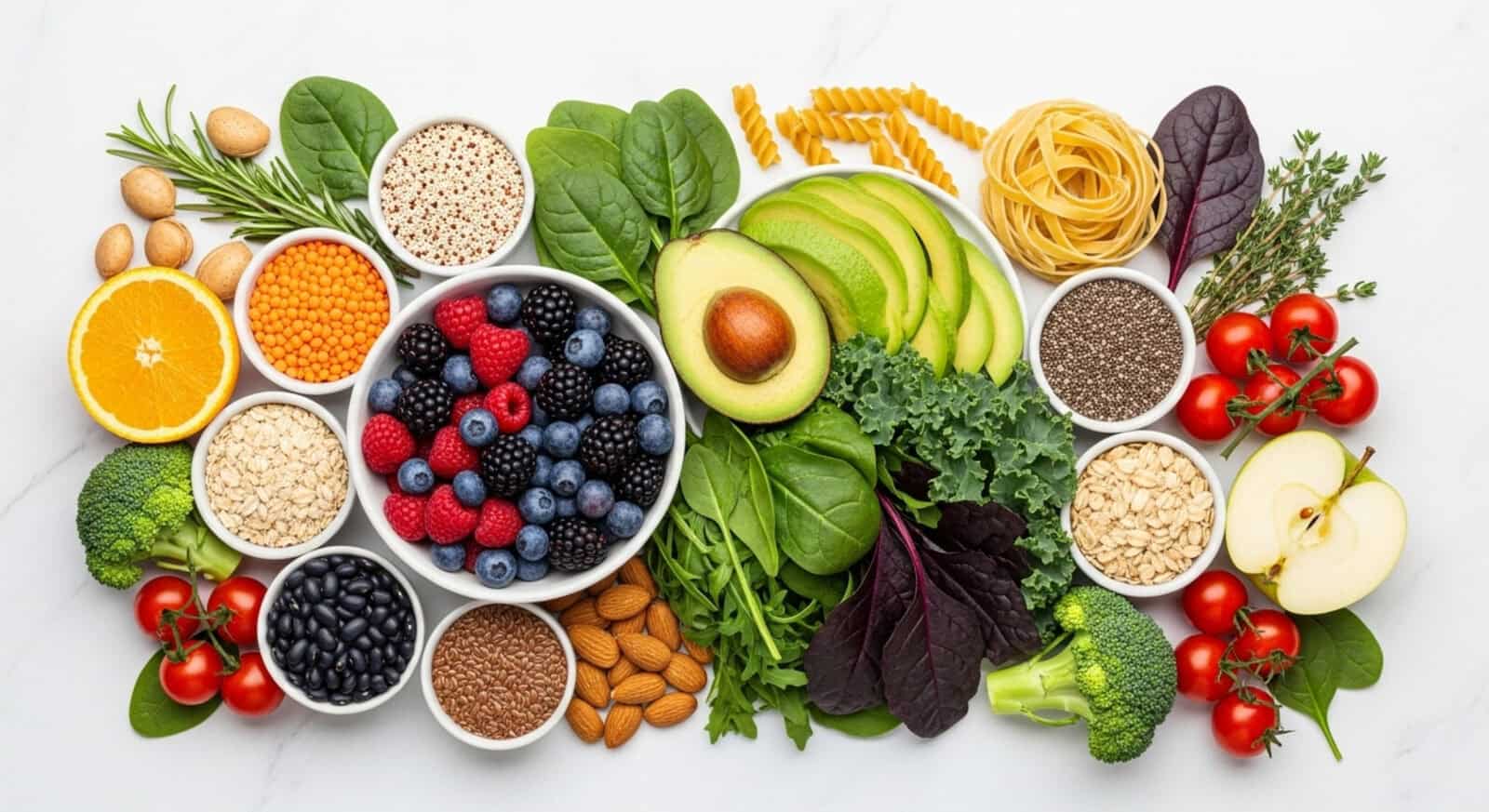
Swapping out these items is simpler than it seems once you get started. Instead of reaching for a glass of apple juice, try eating a whole apple with the skin on. You get the same great flavor, plus fiber, which helps your body process sugar much more slowly. This prevents the insulin spikes that lead to weight gain and fatigue.
For cooking at home, consider using olive oil or avocado oil instead of heavily processed seed oils. Choosing single-ingredient proteins like chicken, beans, or fish instead of deli meats also cuts out unnecessary chemicals and salt. These small swaps go a long way in supporting heart health and providing steady energy for your busy life.
Key Takeaways

- Beverages like fruit juice and soda lack the fiber needed to slow down sugar absorption. This leads to instant blood sugar spikes and liver stress that whole fruits don’t cause.
- Items like instant noodles and stock cubes can pack nearly half of your daily salt limit in a single serving. High sodium is a direct driver of hypertension and can even impact stomach cancer risk.
- Processed deli meats and sausages contain nitrosamines and high nitrates. Switching to fresh chicken, fish, or beans removes these harmful chemical compounds from your daily routine.
- Most packaged snacks and fast foods are cooked in seed oils high in omega-6 fats. Overconsuming these without enough omega-3s creates chronic inflammation linked to many age-related diseases.
- Ultra-processed foods are stripped of fiber to make them shelf-stable and easy to overeat. Reintroducing whole grains and whole produce helps stabilize your metabolism and keeps you full longer.
Like our content? Be sure to follow us.