12 controversial bible verses that still spark debate today
A few sentences written thousands of years ago still have the power to split churches, families, and even the nation, long after their original authors are gone.
Few texts in history have shaped American culture as profoundly as the Bible, yet certain passages continue to ignite fierce arguments in dining rooms and town halls alike. While many turn to scripture for comfort, others find themselves wrestling with ancient words that seem at odds with modern sensibilities and changing social norms.
These debated lines often sit at the intersection of faith, politics, and personal identity, causing rifts between denominations and even within families. Regardless of your spiritual stance, understanding these friction points offers a clearer view of the deep divides currently shaping our national conversation.
Leviticus 18:22 And The Ongoing Debate Over Sexuality

This single sentence from the Old Testament remains one of the most cited verses in discussions about LGBTQ rights and religious freedom. It creates a sharp divide between those who view it as a binding moral law and those who see it as part of an outdated holiness code meant for a specific ancient context. According to an NPR report, support for same-sex marriage among Americans actually dipped to 67% after holding steady for years, suggesting this cultural tug-of-war is far from over.
Interpretations of this text often hinge on nuances of translation and the historical setting of the Hebrew priesthood. Many modern theologians argue that the passage addresses ritual purity rather than consensual relationships, while traditionalists maintain it defines the boundaries of marriage. The intensity of this debate shows how a few ancient words can still heavily influence modern legislation and discussions of civil rights.
Ephesians 5:22 On The Submission Of Wives To Husbands

The instruction for wives to submit to their husbands has fueled endless arguments about gender roles within marriage and the church. Critics view it as a tool for suppression that reinforces patriarchal structures, while proponents argue it describes a mutual, respectful order within a family unit. Interestingly, recent data from Gloo in 2025 reveals a shift: 54% of Gen Z men read the Bible weekly, compared to 46% of Gen Z women, sparking new questions about how younger generations will interpret these gender-specific directives.
Context is frequently the first casualty when this verse is pulled into arguments about equality and domestic dynamics. Many scholars note that the preceding verse calls for mutual submission among believers, a detail that often gets lost in heated debates. How couples apply this teaching today varies wildly, ranging from strict hierarchy to a completely egalitarian partnership that views the text as a product of its time.
Timothy 2:12 Regarding Women Teaching In The Church
This verse, bluntly stating that a woman should not teach or assume authority over a man, is the primary roadblock for women seeking ordination in many denominations. It stands in stark contrast to the secular workforce, where women increasingly hold top leadership positions across every major industry. Pew Research data highlights this growing disparity, noting that women now account for 46% of all management positions in the U.S., making the ecclesiastical glass ceiling seem even more rigid to outside observers.
Denominations remain split, with some appointing female bishops and others strictly reserving the pulpit for men based on this specific passage. The argument often turns on whether this was a temporary restriction for a troubled church in Ephesus or a permanent creation ordinance. For many American women of faith, this text represents the tension between their professional capabilities and the limitations imposed by their spiritual communities.
Matthew 19:9 And The Hard Truth About Divorce

Jesus’ strong words about divorce and remarriage have caused immense pain and confusion for believers navigating failed marriages. The text appears to offer very narrow grounds for separation, leaving many to wonder if they are living in a state of perpetual sin after remarrying. Despite the common myth that half of all Christian marriages fail, researcher Shaunti Feldhahn reports that the divorce rate among practicing Christians is actually significantly lower, 50% less than that of non-Christians.
Pastors and counselors frequently struggle to balance compassion with a faithful reading of this strict directive. Some churches take a hard line, refusing to perform weddings for divorced individuals, while others emphasize grace and second chances. The practical application of this verse affects millions of families, turning private relationship struggles into public theological controversies.
Exodus 21:24 The Eye For An Eye Doctrine

The concept of “lex talionis” or the law of retaliation is often quoted to justify capital punishment and harsh judicial sentencing. While originally intended to limit vengeance—ensuring that the punishment did not exceed the crime—it is frequently interpreted today as a command to exact revenge. This ancient legal principle continues to surface in debates about the American justice system, specifically regarding the ethics of the death penalty.
Opponents argue that Jesus explicitly reframed this teaching in the New Testament, calling for forgiveness rather than retribution. However, proponents of strict justice believe the state bears the sword for a reason and that moral order requires equal payment for offenses. The clash between Old Testament justice and New Testament mercy creates a complex ethical framework that voters and jurors still grapple with.
Romans 13:1 The Command To Submit To Government

This passage instructing believers to be subject to governing authorities has been used to justify everything from monarchies to silencing political dissent. It becomes particularly controversial during times of civil unrest or when the government enacts laws that some religious groups find immoral. The tension between this command and the American tradition of protest and revolution creates a unique dissonance for patriotic believers.
Historically, this text was even weaponized to discourage opposition to the institution of slavery and the civil rights movement. Today, it creates friction when political mandates regarding health, education, or taxes conflict with deeply held religious convictions. Citizens are left to determine the point at which civil disobedience becomes a moral duty rather than a rebellion against God.
Matthew 19:24 The Camel And The Needle Eye

Jesus’ warning that it is hard for a rich man to enter heaven challenges the comfortable relationship between wealth and faith in America. In a nation that champions capitalism and the “American Dream,” this verse suggests a spiritual danger in the accumulation of riches that many find unsettling. The prosperity gospel movement complicates this further by teaching that financial success is a direct sign of God’s blessing, directly contradicting a plain reading of the text.
Discussions around this verse often spiral into debates about taxation, welfare, and the moral responsibilities of the wealthy. Some interpret the “needle’s eye” as a small gate in Jerusalem through which a camel could pass on its knees, softening the blow of the impossibility. However, most scholars reject this gate theory, insisting the verse is meant to be a jarring reminder that wealth can become a dangerous idol.
Psalm 137:9 The Violence Of Dashing Infants

This horrifying line from a psalm of lament is perhaps the most shocking verse for modern readers to encounter. It expresses a desire for violent revenge against Babylonian captors, specifically targeting their children, which seems impossible to reconcile with a loving God. Scholars refer to these as “imprecatory psalms,” and they remain a stumbling block for those expecting the Bible to be purely a book of peace and comfort.
The verse forces readers to confront the raw, unfiltered anger of people who have suffered genocide and displacement. It serves as a reminder that the Bible contains the full spectrum of human emotion, including hatred and the thirst for vengeance. Rather than a command to violence, most view it as a historical record of trauma, yet it remains a favorite target for critics pointing out biblical brutality.
Corinthians 11:6 The Requirement Of Head Coverings

Paul’s instructions regarding women covering their heads during prayer confuse many modern readers and divide congregations. While most Western churches view this as a cultural custom of the first century, some groups still enforce it as a sign of modesty and submission. The visibility of this practice makes it a distinct marker of identity for certain religious communities, separating them visually from the mainstream culture.
The debate centers on distinguishing between temporary cultural practices and permanent moral commands. If this instruction is dismissed as cultural, critics ask what other “uncomfortable” passages might also be discarded on similar grounds. This slippery-slope argument keeps the head-covering debate alive, even in churches where no one has worn a veil for a century.
Peter 2:18 Servants Subject To Their Masters
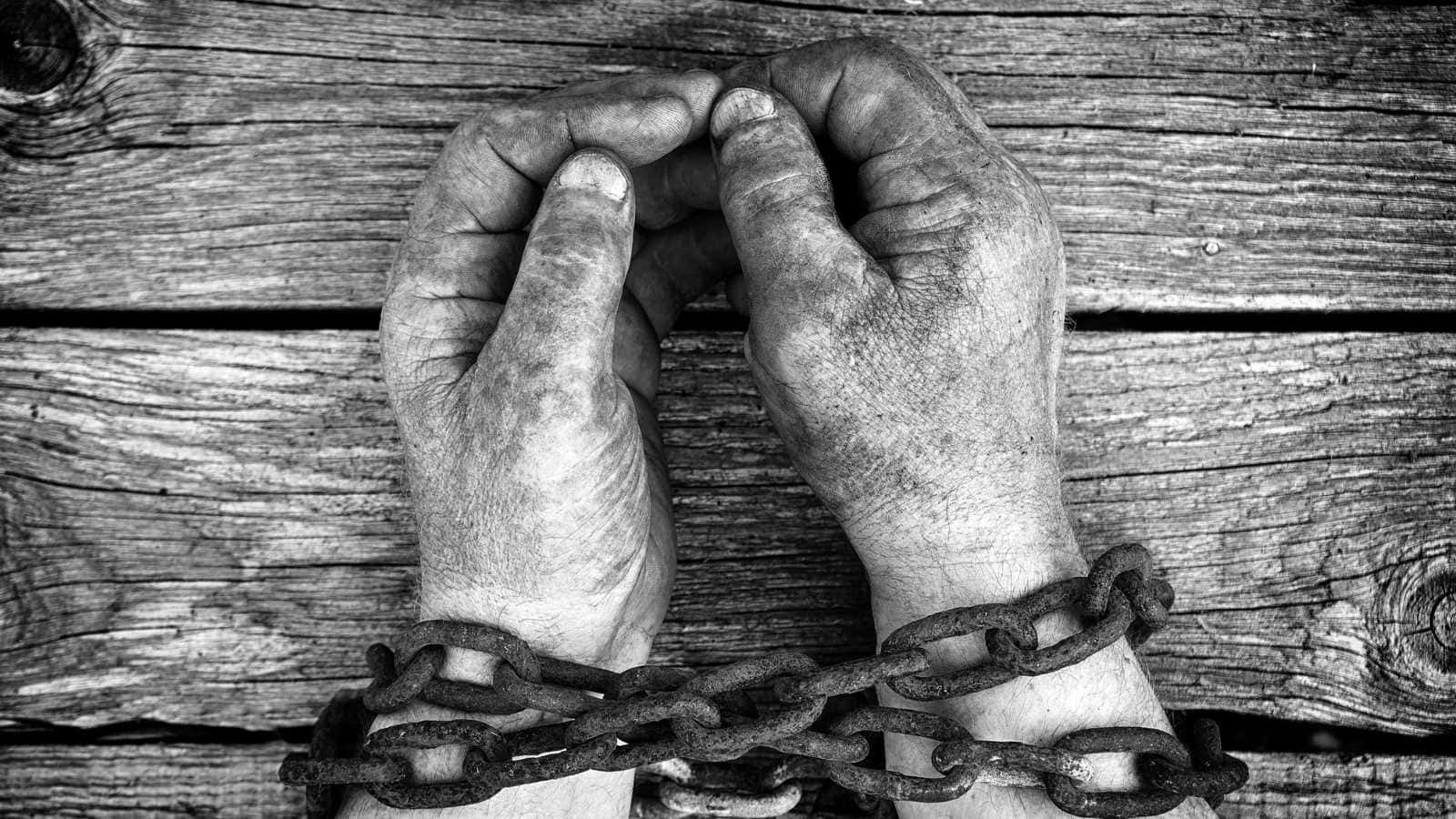
This verse telling slaves to submit to their masters, even the cruel ones, is a painful reminder of how scripture was used to defend the institution of slavery in the United States. It remains a source of deep hurt and controversy, particularly when discussing the historical complicity of the church in racial injustice. Gallup polling shows that only 20% of Americans now believe the Bible is the literal word of God, a record low that may be partly driven by difficult passages like this one.
Apologists argue that the apostles were regulating an existing system to limit harm rather than endorsing it, but this explanation often rings hollow to modern ears. It stands as a testament to the danger of reading ancient texts without a strong moral filter against oppression. The legacy of this verse continues to influence how African Americans and other marginalized groups engage with Christianity today.
Mark 16:16 Belief As A Prerequisite For Salvation

The exclusive claim that “he who does not believe will be condemned” sits poorly in a pluralistic society that values tolerance and inclusivity. It raises uncomfortable questions about the fate of billions of people who follow other religions or have no faith at all. In an era where “spiritual but not religious” is the fastest-growing demographic, this binary view of salvation feels increasingly alien to the average American.
This verse drives the missionary zeal of evangelical groups while simultaneously drawing criticism for being intolerant and judgmental. It creates a theological barrier to interfaith dialogue, as true believers feel compelled to convert others to save them from condemnation. For many, this single line draws the ultimate line in the sand between inclusion and religious exclusivism.
Genesis 1:28 Dominion Over The Earth And Climate

The command to “subdue” the earth and have “dominion” over living things is now central to the heated debate over climate change and environmental stewardship. Historically, this has been interpreted as a license to exploit natural resources for human benefit without consequence. However, Beliefnet reports that those disconnected from faith communities report lower levels of hope, yet these same communities are often divided on whether saving the planet is a biblical mandate.
A growing movement of “creation care” advocates argues that dominion implies responsible stewardship and protection, not destruction. They clash with those who believe the earth is temporary and destined for fire, making environmental regulations unnecessary. This theological disagreement has real-world consequences, influencing how millions of voters approach environmental policy and global warming.
Like our content? Be sure to follow us