12 everyday items that should never go in your recycling bin
You might think you’re doing your part to help the environment by tossing recyclables into the bin, but did you know that 25% of recyclables are contaminated, causing more harm than good? While recycling is important, many of us unknowingly contribute to waste by placing the wrong items in the bin. Understanding which items should be kept out can help improve the process and prevent unnecessary contamination.
Recycling mistakes can cost cities time and money while hurting the environment. It’s vital to be mindful of what you’re putting in your recycling bin. Recycling contamination is one of the leading causes of inefficiency in the recycling system, which results in higher costs, longer processing times, and more waste.
Fortunately, knowing the common offenders lets us easily avoid them. Let’s take a closer look at 12 everyday items that should never go in your recycling bin.
Pizza boxes: what’s really inside?

Pizza boxes are one of the most common items mistakenly put in the recycling bin. Many people believe pizza boxes can be recycled, but greasy stains and leftover food make them unsuitable for recycling.
The solution? Tear off the clean parts and recycle those, while tossing the greasy sections into the trash. If the box is clean and free from food residue, you can recycle it without worry. Otherwise, it’s best to dispose of the soiled parts properly.
If the pizza box is clean and free of food residue, it’s fine to recycle it. However, once it’s soiled, the food waste makes it unsuitable for use. By taking a moment to tear off the clean sections, you can ensure that your recycling efforts are truly effective, reducing contamination.
Shredded paper: too small to handle
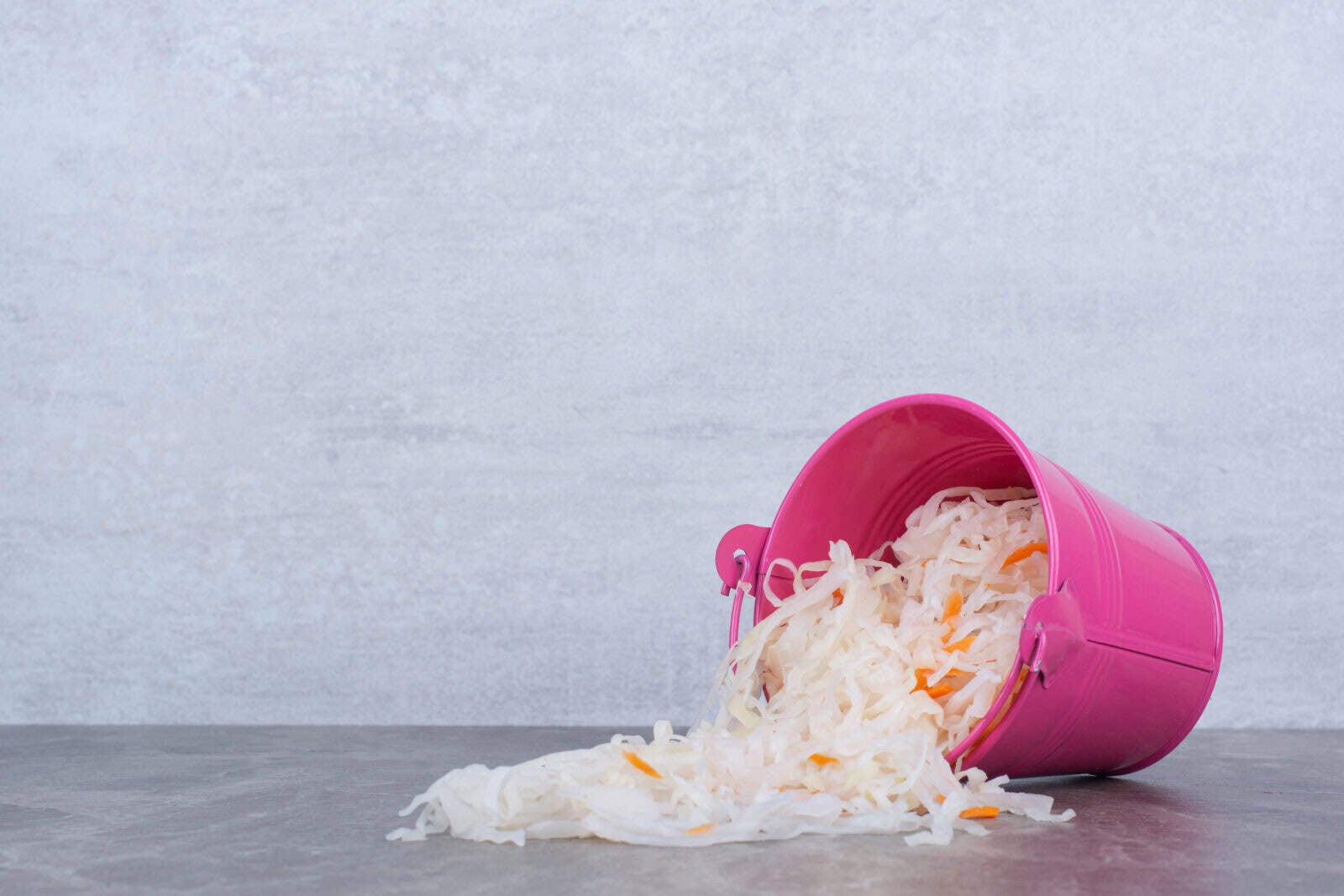
Shredded paper, though seemingly harmless, poses a significant problem for recycling centers. The tiny pieces fall through sorting machines, making it nearly impossible to sort them correctly, and can contaminate other materials.
Fareham Borough Council advises that shredded paper should not be placed in curbside recycling bins because it contaminates the collection.
Rather than tossing it in your recycling bin, check with your local recycling center to see if they accept shredded paper.
If they don’t, consider taking it to a specialized drop-off location or disposing of it in your trash. Recycling shredded paper separately helps keep the rest of your recyclables clean and reduces contamination.
Broken glass: a hazard for workers
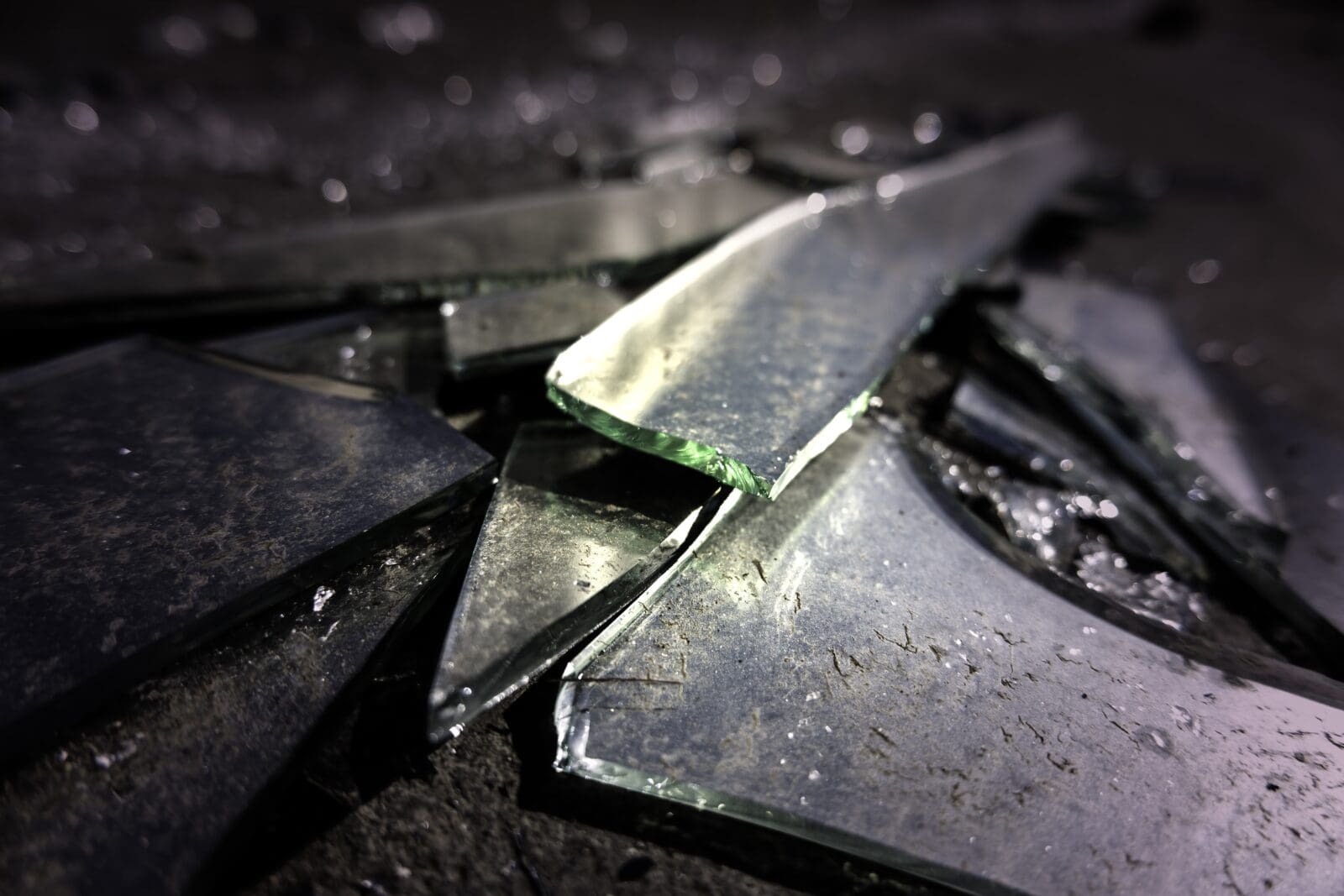
Broken glass poses a serious safety risk to recycling workers. While glass bottles and jars are recyclable, broken glass can contaminate the entire recycling stream and lead to injuries. To prevent this, wrap broken glass in newspaper and dispose of it in the trash.
Taking this simple step ensures that the recycling process remains safe and efficient. It helps prevent worker injuries and keeps other recyclables from becoming contaminated. By properly handling broken glass, we contribute to a more effective and safer recycling system.
Batteries: a toxic mistake
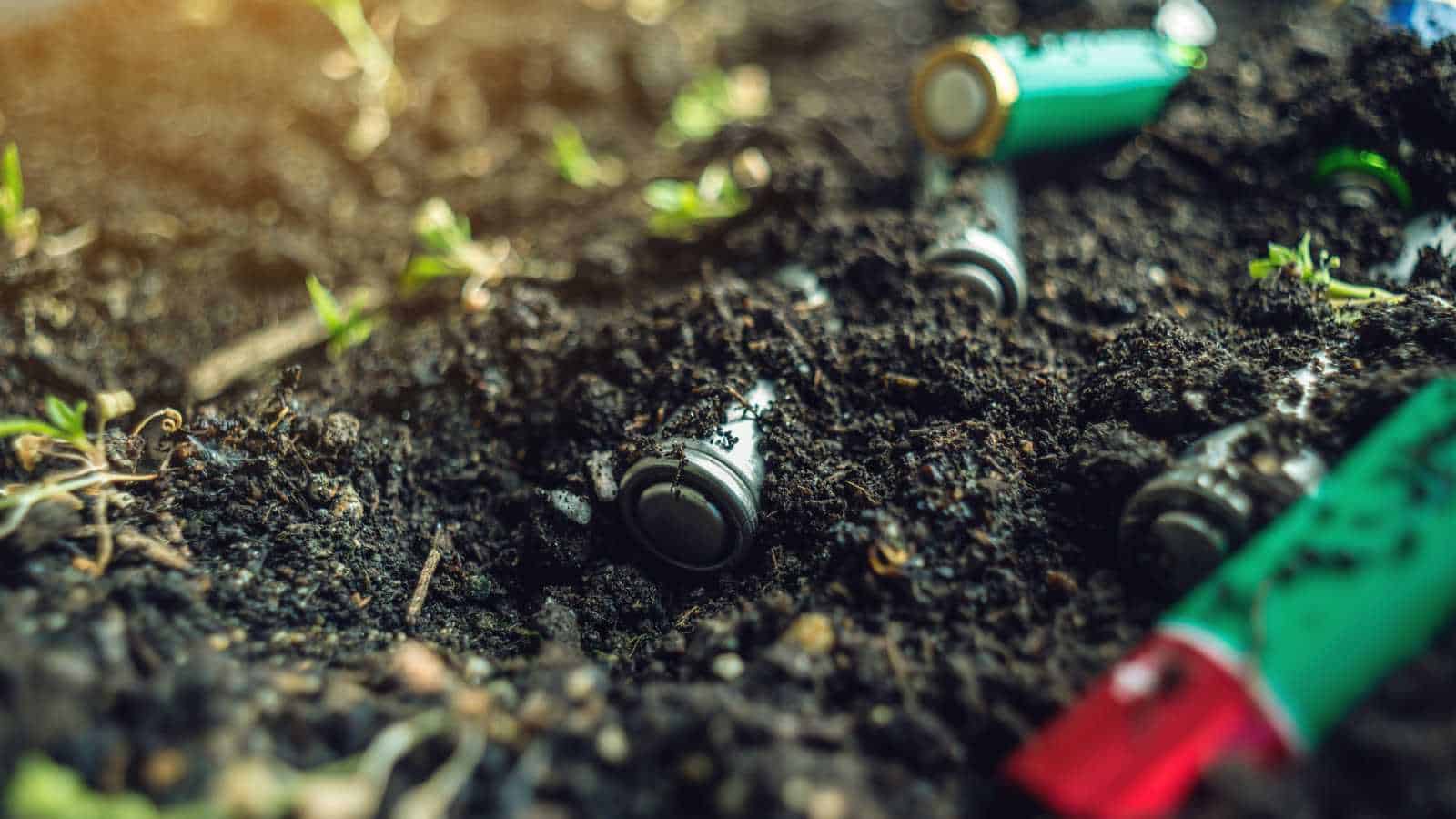
Batteries contain hazardous materials that can leak into the environment if not disposed of properly. Throwing them in your recycling bin is not only bad for the planet, but it can also cause dangerous chemical reactions in the recycling facility.
Over 3 billion batteries are sold annually in the U.S. Yet, many people are unaware that these must be disposed of at a designated recycling center. Instead of tossing batteries in the trash or recycling, locate a local drop-off site for safe disposal.
Many retailers and local recycling centers provide convenient battery recycling options. The importance of using the right disposal methods for batteries cannot be overstated, as improper disposal can lead to serious environmental consequences.
Food waste: messing up the system

Food waste doesn’t belong in your recycling bin. Leftover food can contaminate an entire batch of recyclables, rendering them unusable. 40% of food produced in the U.S. is wasted each year, and a significant portion of that food ends up in landfills, where it contributes to harmful emissions.
Rinse your containers and remove any leftover food scraps before putting them in your recycling bin. If you can’t recycle the food waste, consider composting it to reduce landfill pressure and create nutrient-rich soil. Taking this extra step helps reduce contamination in recycling streams and encourages sustainability.
Soiled paper towels and tissues: the gross truth

Used paper towels, tissues, and napkins should never go into your recycling bin. These items are often soiled with oils, food remnants, and cleaning chemicals, making them unsuitable for recycling.
50% of people unknowingly toss soiled paper products into the recycling bin, compromising the entire batch. Instead of placing these items in your recycling bin, simply throw them in your trash where they belong. This small action helps keep the recycling process efficient and contamination-free. By avoiding this common mistake, you ensure your recycling efforts are effective and properly handled.
Light bulbs and fluorescent tubes: a special case

Incandescent light bulbs and fluorescent tubes contain chemicals such as mercury that require special disposal. According to Statista, over 1 billion light bulbs are sold each year, but they must be recycled properly to prevent environmental damage.
Instead of placing these bulbs in the regular recycling bin, take them to a recycling facility that specializes in e-waste or hazardous materials. Many retailers offer recycling programs specifically for light bulbs and fluorescent tubes, ensuring they’re disposed of safely and responsibly.
Diapers: not a recyclable item
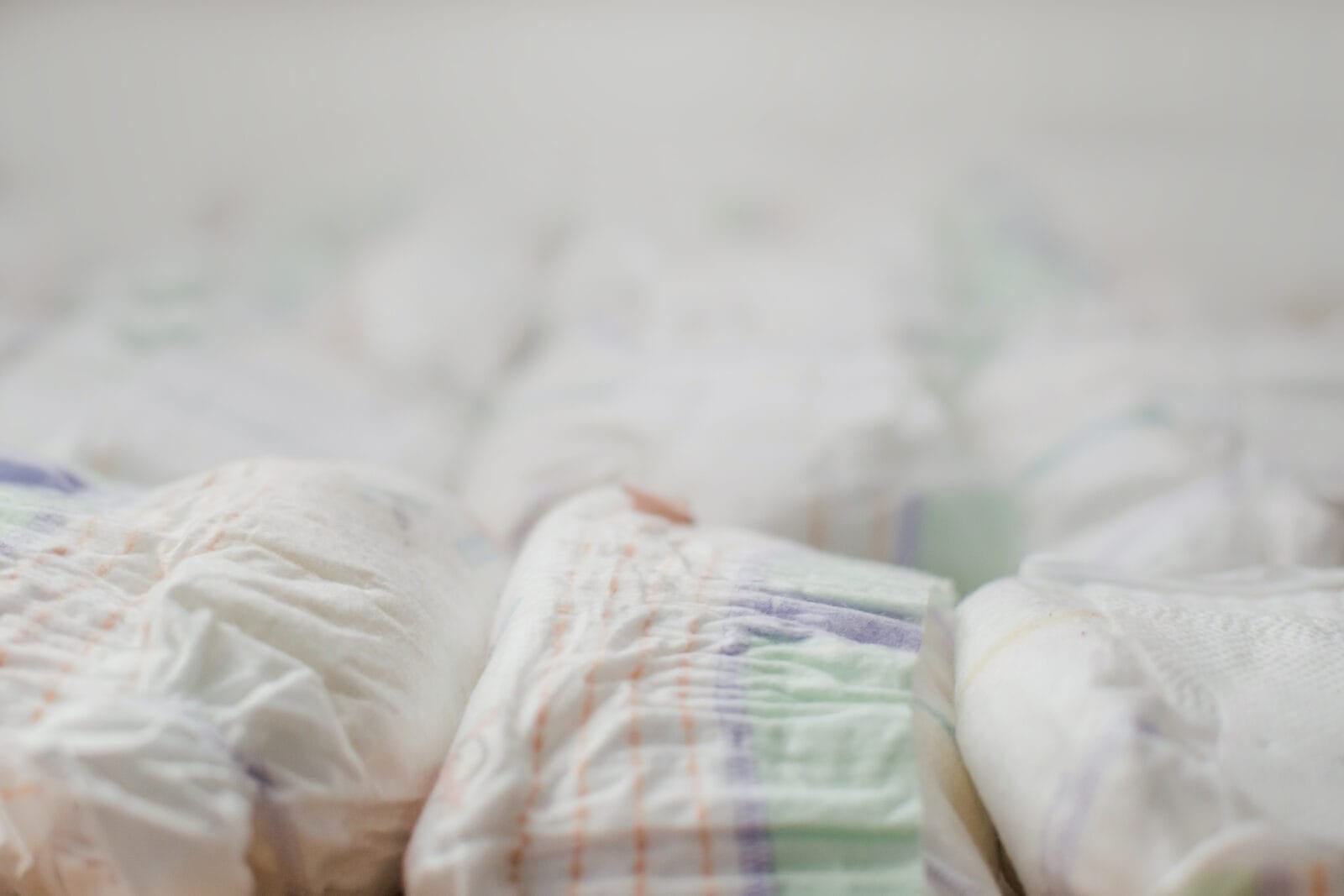
Diapers are a mix of materials, including plastic, fabric, and absorbent chemicals, that cannot be recycled. Over 3.5 million tons of diapers end up in U.S. landfills each year, contributing to the growing waste crisis. Unfortunately, diapers cannot be recycled, and placing them in your recycling bin only contaminates it.
Because diapers contain waste and are non-recyclable, they should always be disposed of properly. Rather than recycling diapers, always throw them in the trash. Consider switching to more eco-friendly diaper options that minimize waste if possible.
Electronics: a no-go for the bin
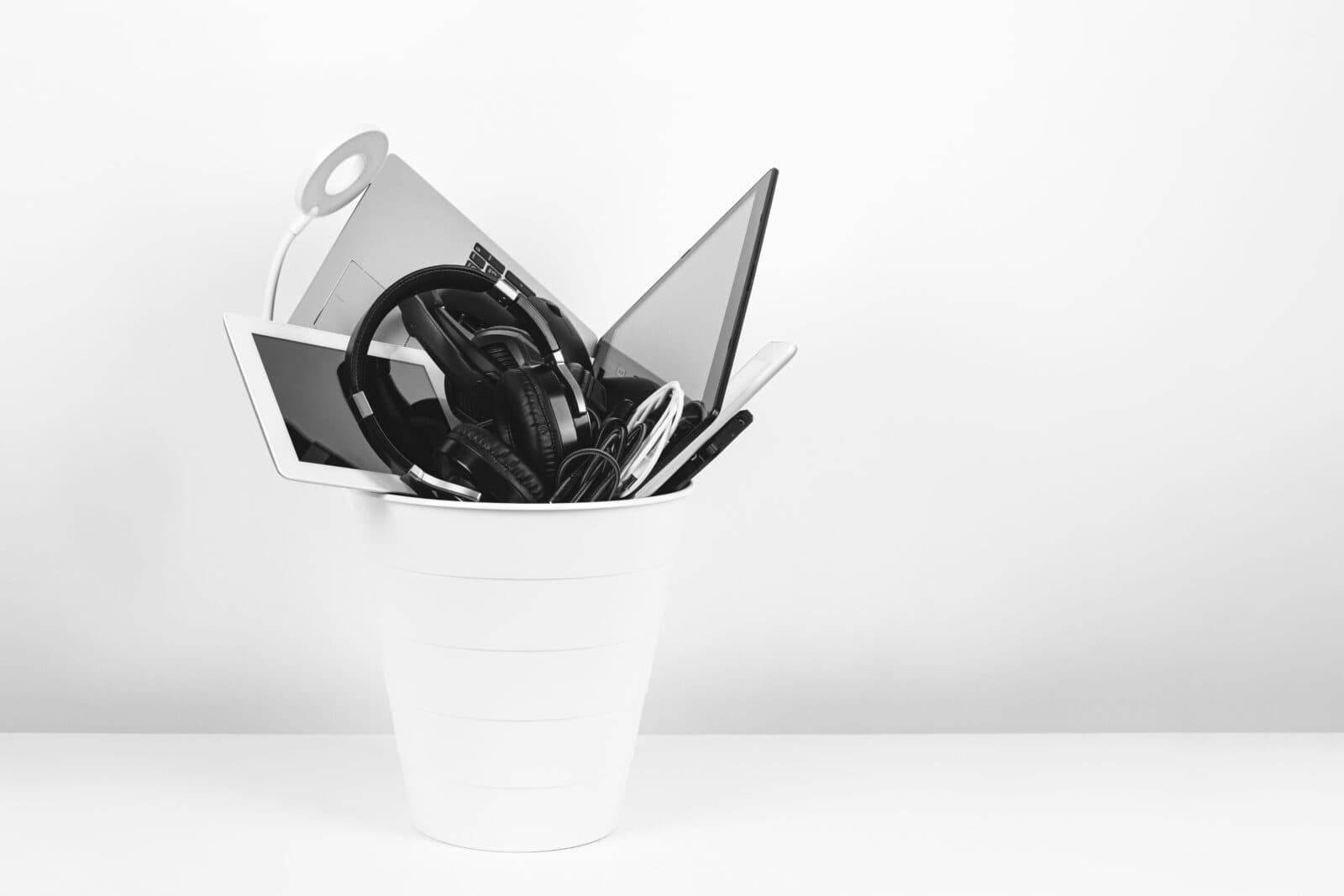
Old electronics, such as phones, laptops, and televisions, contain valuable materials that require specialized recycling processes. 50 million tons of e-waste are generated annually, and improper disposal of these items can cause environmental harm.
Electronics contain materials such as lead, cadmium, and mercury, which can leach into the environment if not handled properly.
Take your electronics to a certified e-waste recycling center where valuable materials can be recovered and reused. Many stores and recycling programs offer safe drop-off points for electronics to ensure proper recycling and disposal.
Coffee pods and foil wrappers: the little things that add up
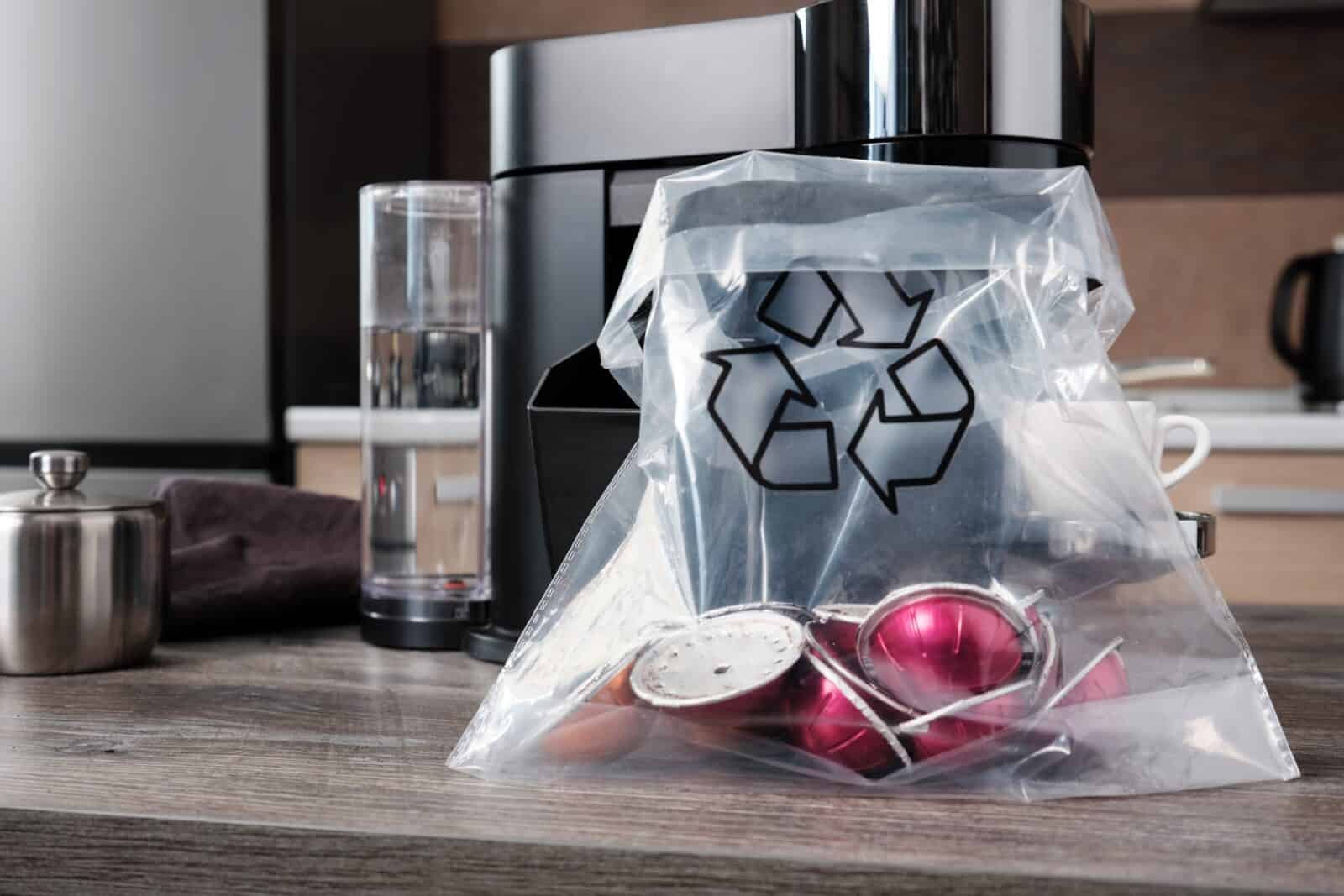
Coffee pods and foil wrappers are made from mixed materials, making them difficult to recycle in standard curbside programs. Less than 15% of coffee pods are recycled, and most end up in landfills, contributing significantly to waste.
Switch to reusable coffee pods or eco-friendly alternatives to reduce waste. If you’re using single-serve pods, check whether there’s a recycling program specifically for them. Foil wrappers should always go in the trash to keep your recycling efforts effective.
Coffee cups and lids: a recycling challenge
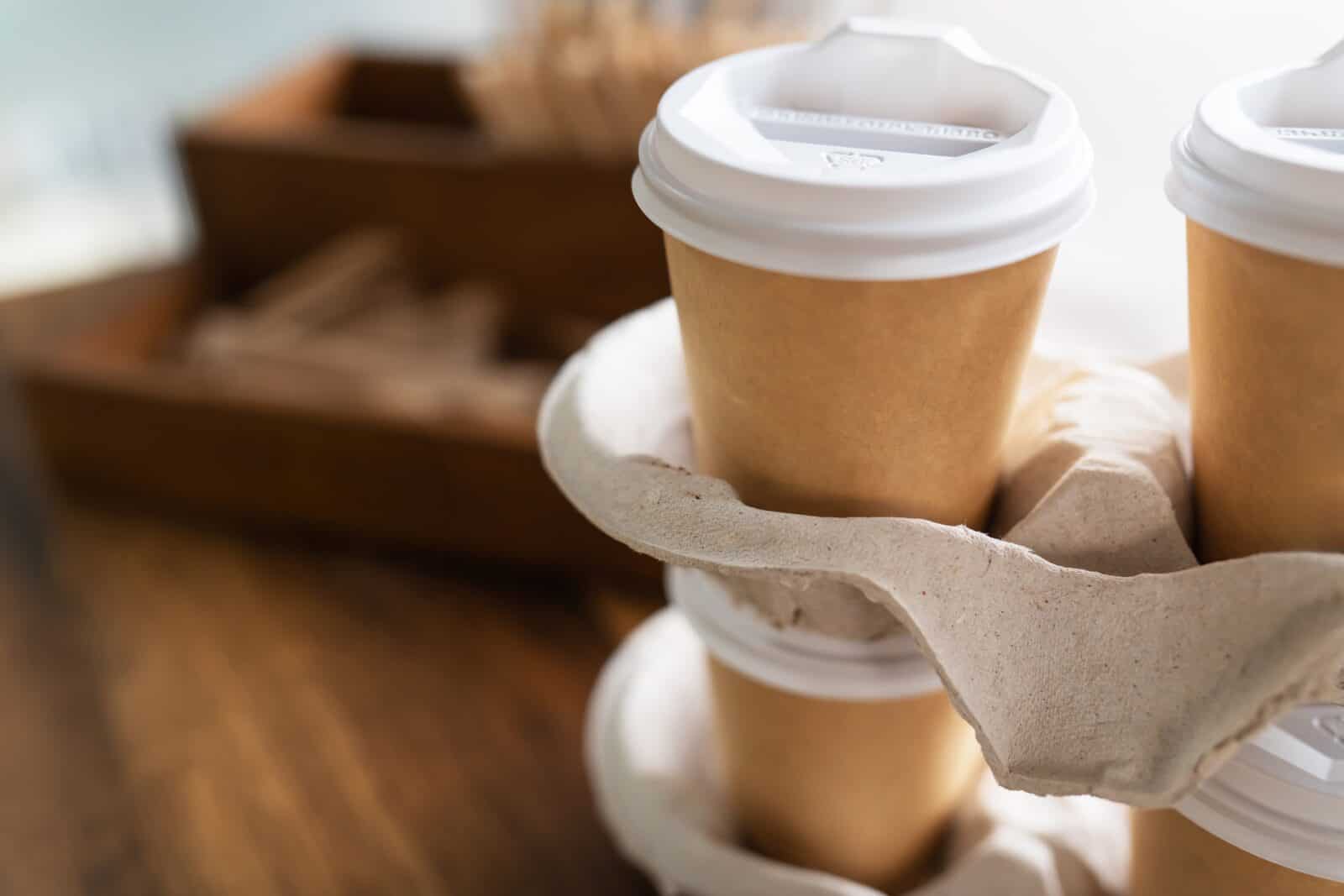
Coffee cups and their plastic lids are another commonly mistaken recyclable. Most coffee cups are coated with a layer of plastic, making them non-recyclable through curbside programs.
While the cup itself may look recyclable, its plastic lining makes it unsuitable for the recycling stream. The best way to handle this is to opt for reusable cups or check with your local recycling center for proper disposal instructions.
If you use disposable cups, try to avoid those with plastic coatings or look for ones made from recyclable materials. By making these small changes, you help keep the recycling process clean and efficient.
Plastic bags: the enemy of recycling machines
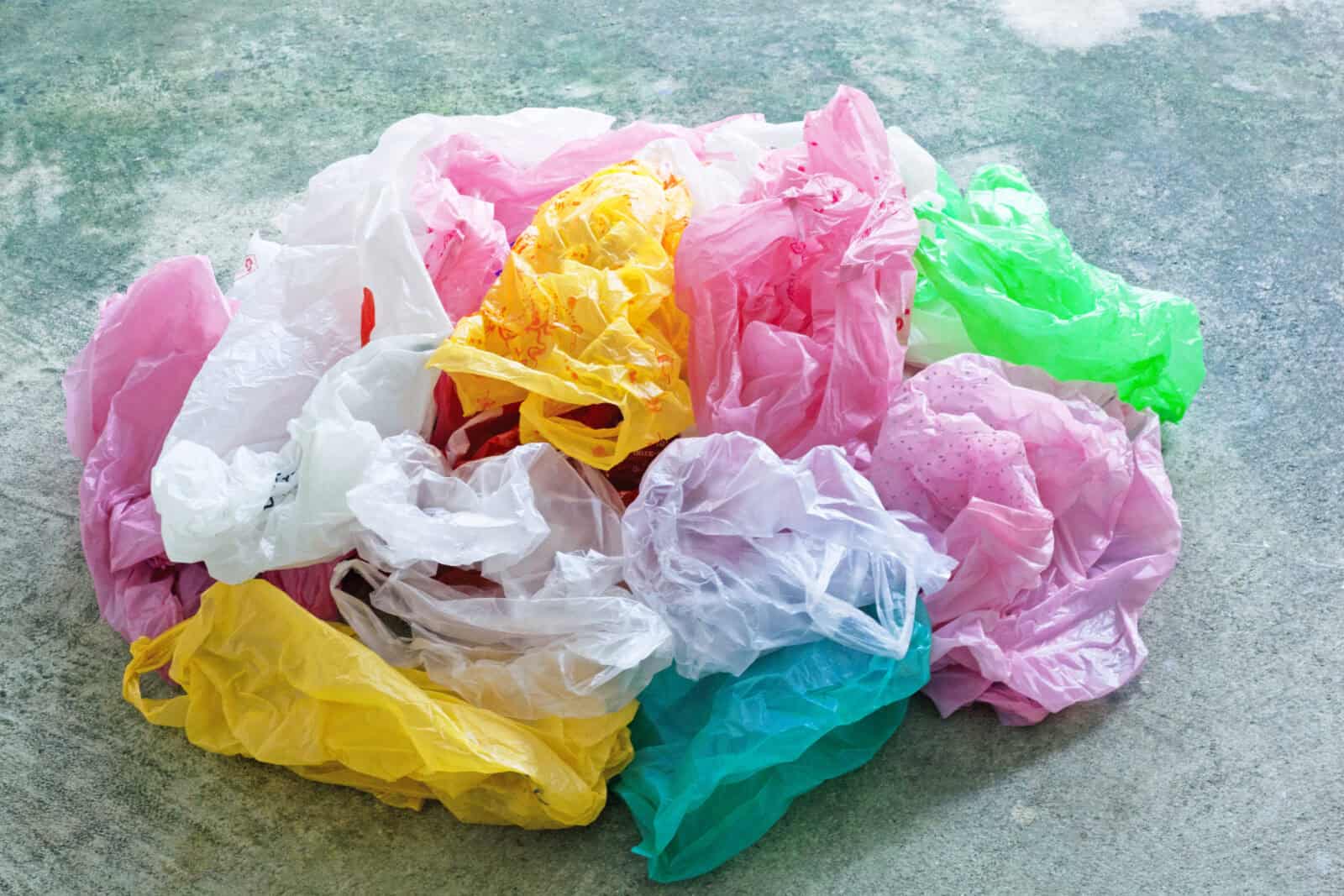
Plastic bags are one of the most problematic items in recycling bins. They easily get tangled in recycling equipment, causing delays and costly maintenance. While plastic bags are technically recyclable, they require special handling that curbside programs typically can’t accommodate.
To dispose of plastic bags properly, take them to designated recycling locations at grocery stores. Some supermarkets offer in-store collection bins for plastic bags, making it easier for you to dispose of them responsibly.
Avoiding the recycling bin altogether ensures that your recyclables remain uncontaminated and that recycling machinery runs smoothly.
Like our content? Be sure to follow us.