12 habits that may indicate unhealthy behavior in women
You might not realize it, but some of your most “normal” daily habits are actually staging a quiet coup against your well-being. It’s easy to shrug off a constant sense of overwhelm or a lingering cloud of fatigue as just part of being a woman in the 2020s, but that “normalcy” is exactly what makes these patterns so dangerous.
The numbers from the World Health Organization for 2025 and 2026 are a massive wake-up call. They show that women are experiencing a disproportionate and rising burden of mental health struggles, with prevalence rates for common disorders like anxiety and depression significantly higher than those for men. This isn’t just a streak of bad luck; it’s a systemic crisis that starts with the small things we do every single day.
It is time to pull back the curtain on these “hidden” stressors and figure out why your current routine might be working against you.
Using alcohol or substances to cope

That nightly “mommy juice” isn’t just grapes and good vibes; it’s a high-stakes gamble with your health. While society treats a crisp Chardonnay like a harmless hug in a glass, women’s bodies actually process spirits differently, fast-tracking the journey from “just one drink” to serious health hurdles.
Normalizing the wine-down ritual masks the stress it’s supposed to soothe, turning a relaxation hack into a heavy habit before you can even say “Prosecco.”
It’s time to swap the liquid crutch for something that actually serves you. Curious about how to reclaim your evenings? Your liver and your future self might just thank you.
Constant self-criticism and negative self-talk

Women face a mental health marathon daily, being nearly thrice as likely as men to grapple with anxiety or depression. This isn’t just a vibe; it’s a systemic weight that manifests in how we treat ourselves.
Research by Harmony Healthcare IT found that 79% of women have experienced negative body image, while 80% have labeled themselves as “fat.. That relentless inner critic isn’t just annoying; it’s a major architect of long-term distress.
Swapping self-sabotage for self-compassion is a tall order, but it beats letting a mean internal monologue run the show. The math of our moods suggests it’s time for a massive rebrand.
Excessive social media use that fuels anxiety

Scrolling is a digital siren song, beckoning you into a sea of curated “perfection” and questionable life choices. Before you know it, you’re comparing your Tuesday morning messy bun to a stranger’s filtered Maldives vacation.
It’s a fast track to feeling like a potato in a world of French fries. For women, this constant loop of validation-seeking and comparison-shopping affects our self-esteem and is a total mood-killer. It doesn’t just sting; it erodes the real-life sisterhood we actually need.
Trade the screen glare for some actual sunlight and let those notifications rot. Your brain deserves better than a high-speed chase for likes.
Ignoring persistent mental health symptoms

Navigating the female mind can feel like trying to solve a Rubik’s Cube in a dark room, but the stakes are higher than a messy puzzle.
Statistics show women carry a heavier mental load, yet many treat self-care like a “maybe next year” project. Dr. Vikram Patel, a renowned psychiatrist and professor of global health, consistently highlights that the treatment gap for mental disorders exceeds 50% in all countries.”
This silent struggle isn’t a personality trait; it’s a glitch in the system. Ignoring a drained battery won’t get you home, and your brain deserves more than just a quick reboot. It is time to swap the stoic silence for a louder, healthier narrative.
Being mostly sedentary and skipping movement
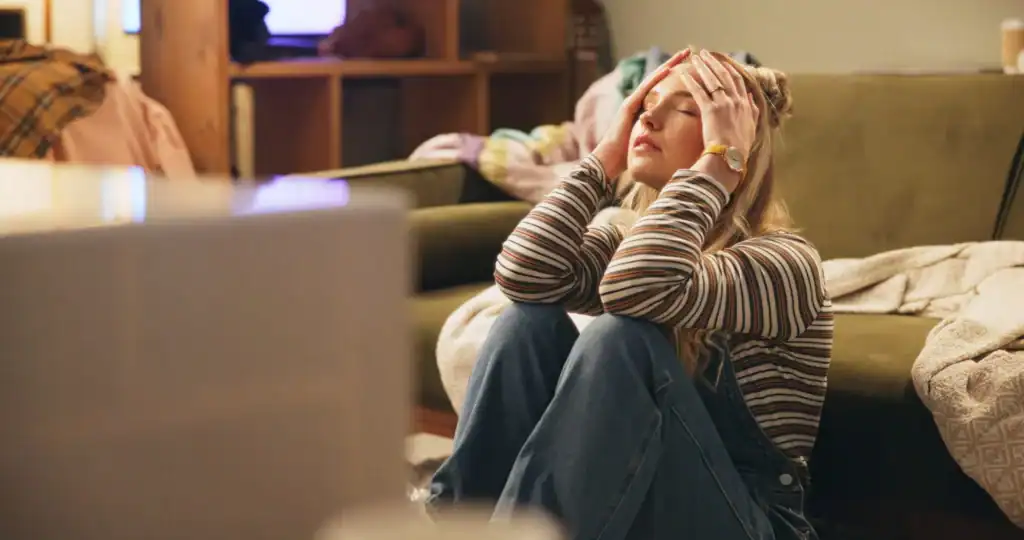
Your chair is a silent conspirator in a plot against your vitality. Modern life has us glued to screens, turning our bodies into decorative statues with a penchant for snacks.
This stationary existence isn’t just dull; it’s a fast track toward metabolic mischief and a heart that feels more like a rusty accordion than a powerhouse. Luckily, your DNA isn’t a fan of the “statue” aesthetic. Igniting your engine doesn’t require a marathon or a spandex-clad transformation.
A brisk stroll or a dramatic stretch breaks the spell of the sedentary slump. Movement is the secret sauce for a body that actually thrives. Explore the rhythm.
Extreme dieting, over-exercising, or disordered eating

The obsession with sculpted “perfection” isn’t just exhausting; it’s a full-blown societal glitch. Data from MDPI journals reveals a startling reality: eating disorders are indeed significantly more prevalent in females, with studies showing they are 2.6 to 8.4 times more likely to be affected during their lifetime than males.
This isn’t just about passing trends or skipping dessert; it’s a red flag waving over a culture that treats bodies like DIY projects rather than actual humans.
Beneath the glossy veneer of “wellness” filters often lies a messy, harmful cycle of restriction and guilt. It is high time we traded these restrictive scripts for a little radical self-compassion and some actual, edible joy.
Engaging in self-harm or risky coping

Navigating the heavy fog of self-harm is an exhausting, uphill battle, especially for young women finding their footing in a chaotic world. It’s a gritty reality that these patterns often act as a loud, internal siren for future risks, making it far more than just a temporary escape.
While it might feel like the only way to muffle the noise right now, you deserve a toolkit that doesn’t leave scars. Trading those sharp edges for professional support isn’t just a “good idea, “it’s a massive power move for your future self.
Stepping toward healing is the bravest pivot you can make. There’s a whole world of color waiting once the static finally clears out.
Overworking and ignoring burnout

Stop treating your 9-to-5 like a marathon where the prize is just more hurdles. Based on findings published in the RSIS International journal, 74% of women compared to 61% of men report work-related stress.
Between crushing career goals and the unpaid “second shift” of domestic gymnastics, many women are essentially running on fumes and caffeine. The fix isn’t just more yoga; it’s about managers actually balancing workloads and respecting the “off” switch.
Setting fierce boundaries isn’t lazy; it’s a radical act of self-preservation. Trade the burnout for a sustainable glow and reclaim your sanity before the weekend.
Obsessive focus on appearance and body dissatisfaction

The sun starts peaking out, and suddenly, the collective female psyche collectively hits the panic button. We’ve been conditioned to treat swimsuit season like a high-stakes performance review where the wardrobe is terrifyingly minimal.
This isn’t just a “bad hair day” vibe; persistent body dissatisfaction is a legitimate thief of joy, serving as a gateway to deeper struggles like depression.
If your brain is currently a 24/7 critique loop comparing your real-life curves to a filtered fantasy, it’s time for a manual override. You deserve to occupy space without an apology or a cover-up. Grab a towel and let’s flip the script.
Staying in controlling or violent relationships

Sadly, according to new estimates by UN Women and the UN Office on Drugs and Crime released in November 2025, over 50,000 women and girls were killed globally by intimate partners or family members in 2024.
While these tragic incidents are extreme, they reflect a larger issue: the normalization of controlling behaviors. These behaviors, including emotional and financial abuse, are disturbingly common.
Recognizing early signs of coercive control is vital to preventing escalation. If you’re in a relationship where your partner seeks to control or harm you, it’s time to break free from the cycle.
Minimizing or normalizing ongoing distress

Ignoring emotional distress is like trying to ignore a fire in your kitchen because you’ve gotten used to the warmth. Many women wear “pushing through” like a badge of honor, transforming heavy anxiety or persistent hopelessness into a personality trait.
But here’s the truth: when your internal weather is stuck on “monsoon,” that isn’t resilience, it’s an SOS. Minimizing your own struggle doesn’t make you stronger; it just makes the recovery longer.
Real strength starts when you stop pretending the weight isn’t heavy. Break the cycle and swap that “new normal” for actual support, because surviving shouldn’t be your only hobby.
Chronic sleep deprivation and dismissing sleep problems
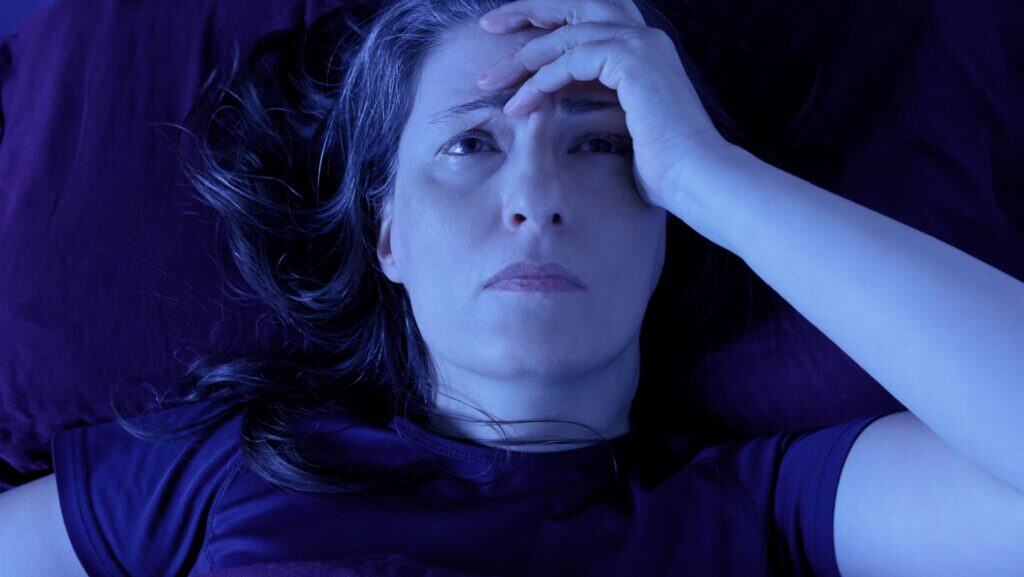
Sleep is basically the holy grail of adulting, yet for postmenopausal women, it often feels more like a cruel myth. If you’re currently counting more ceiling fans than sheep, science has your back.
A ResearchGate meta-analysis reveals that the overall prevalence of sleep disorders among postmenopausal women is estimated to be 51.6%. Labeling chronic insomnia as a standard side effect of aging is like calling a flat tire a “vintage look.”
It’s not just a minor yawn-fest; ignoring the toss-and-turn cycle can invite unwanted guests like depression and heart disease into your life. Reclaiming your rest is the real power move here.
Key takeaway

Stop settling for “just fine” when your daily habits are actually low-key sabotaging your brilliance. We’ve been conditioned to view relentless self-criticism as “motivation” and chronic sleep deprivation as a “hustle,” but these aren’t badges of honor; they’re red flags in disguise.
Whether it’s tolerating toxic dynamics or ignoring that persistent mental fog, these “normal” behaviors are stealthy joy-thieves. It is time to stop playing life on hard mode. Swapping these patterns for genuine self-support isn’t just a lifestyle tweak; it is a full-scale reclamation of your vitality. Your future self is waiting for you to flip the script.
Like our content? Be sure to follow us.