12 habits to quit for a healthier life after 50
According to the U.S. Centers for Disease Control and Prevention (CDC), about 1 in 4 adults over 50 are physically inactive, while smoking, poor diet, excessive alcohol use, and lack of exercise remain some of the biggest drivers of chronic disease in older adults. The CDC also notes that regular physical activity can help reduce the risk of heart disease, type 2 diabetes, dementia, certain cancers, falls, and premature death.
After 50, healthy aging becomes less about quick fixes and more about removing the everyday habits that quietly damage long-term health. Here are 12 habits worth quitting for a stronger, healthier future.
Skipping Annual Checkups
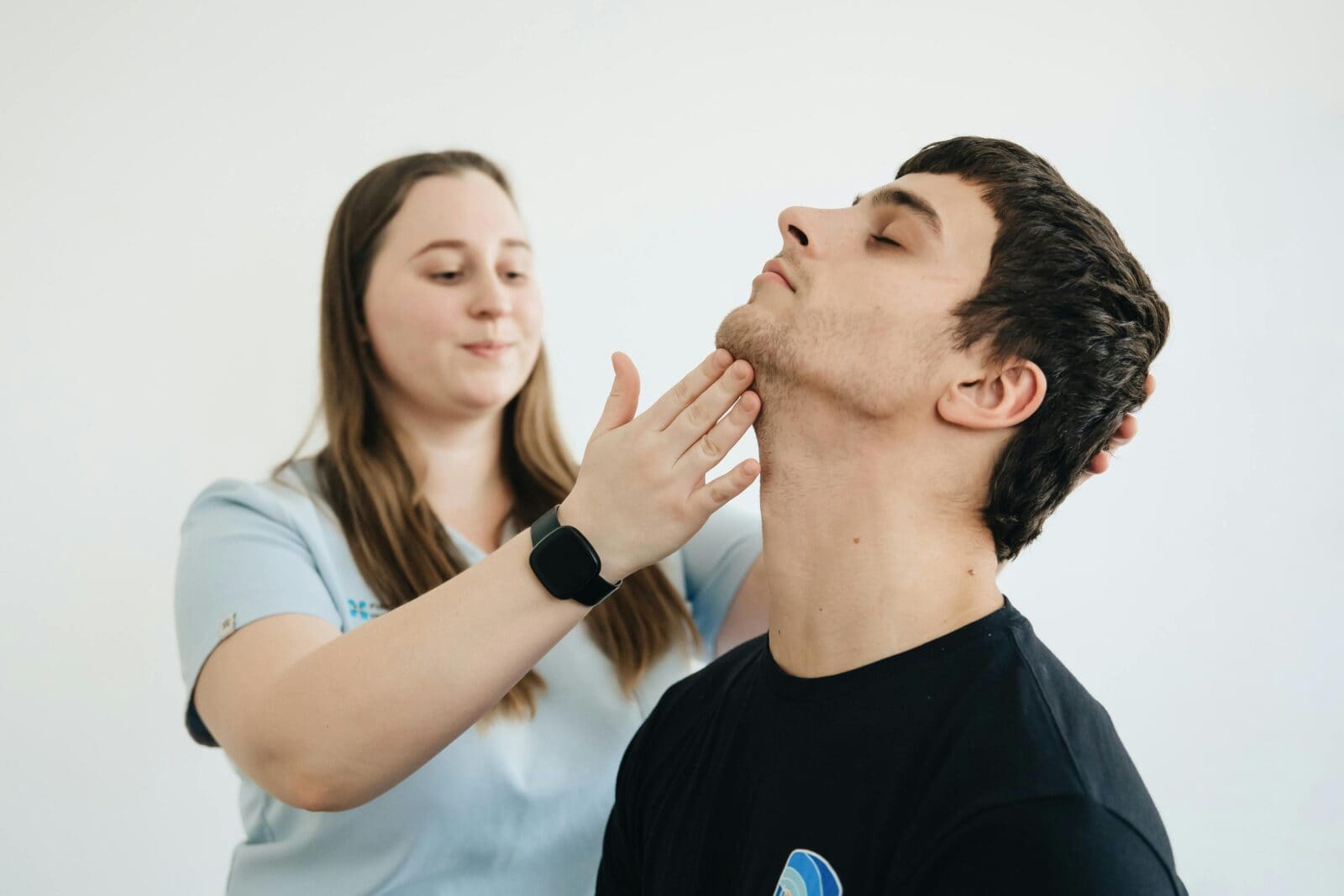
It is easy to avoid the doctor when you feel fine, but prevention is key in your fifties. Routine screenings can catch small issues before they turn into major hurdles that change your life. Think of it as a 50,000-mile tune-up for your most valuable piece of machinery.
Preventive care guidelines for adults over 50 highlight regular screenings for blood pressure, cholesterol, cancer, and bone health as crucial for staying ahead of chronic disease. Staying on top of your numbers gives you peace of mind. It allows you to plan future trips and adventures without worrying as much about sudden medical surprises.
Skipping Strength Training

Many people over 50 stick strictly to walking or cycling because it feels safer for the joints. While cardio is great, neglecting your muscles can lead to a steady loss of power and balance. Lifting weights is not about looking like a bodybuilder; it is about keeping your frame sturdy for the long haul.
Researchers estimate that adults can lose roughly 3 to 8% of their muscle mass per decade after age 30, with the decline accelerating later in life if they do not stay active. Adding resistance training twice a week helps maintain the strength needed for travel, hobbies, and everyday independence.
Ignoring Sleep Hygiene

The myth that we need less rest as we get older is a dangerous one to follow. Quality sleep is the time when your brain flushes out waste, your muscles repair, and your heart gets a much-needed break. Staying up late to scroll through your phone can leave you feeling foggy and irritable the next morning.
Sleep experts emphasize that most adults, including older adults, still need about 7 to 9 hours of sleep each night for optimal health, and poor sleep is tied to memory and mood problems. Creating a cool, dark environment and sticking to a schedule can revitalize your energy levels. It is the cheapest way to invest in your long-term cognitive wellbeing.
Overlooking Hydration

Our thirst signals tend to grow a bit weaker as the years pass by. You might go hours without a sip of water simply because your body stopped nagging you about it. This can lead to fatigue, headaches, and even mild confusion that people often mistake for signs of aging.
Clinicians warn that older adults are at higher risk of dehydration because of reduced thirst and common medications, which can worsen existing health issues. Drinking water throughout the day keeps your skin glowing and your digestion moving smoothly. Carry a bottle with you to make sipping a mindless and easy part of your daily routine.
Eating Too Much Processed Sugar

Sugar is the ultimate wolf in sheep’s clothing for those of us navigating our fifties. It spikes your insulin and leads to an energy crash that leaves you reaching for more junk. Cutting back on the sweet stuff can clear up your skin and help you manage your weight.
The American Heart Association notes that many adults consume well above the recommended daily limit for added sugars, which is linked to higher risks of heart disease and type 2 diabetes. Switching to fruit or dark chocolate can satisfy that sweet tooth without the same inflammatory side effects.
Sitting For Long Periods

A sedentary lifestyle is often called the new smoking for a very good reason. Sitting at a desk or on the couch for hours stiffens your hips and weakens your spine. It is important to find reasons to stand up and move every thirty minutes to keep your blood flowing.
Guidelines from health organizations stress that adults should avoid prolonged sitting and aim for at least 150 minutes of moderate activity per week. Even small movements, like pacing during a phone call or doing a few squats while the kettle boils, can make a big difference in your flexibility. Movement is the grease that keeps your biological gears from grinding to a halt.
Neglecting Social Connections

Isolation can be just as hard on your body as a poor diet or a lack of exercise. As we get older, it takes more effort to maintain the relationships that keep us feeling connected. Make it a point to call a friend or join a local club to keep your heart full.
The U.S. Surgeon General has warned that loneliness and social disconnection are linked to higher risks of heart disease, dementia, and earlier death, especially in older adults. Engaging with others keeps your mind sharp and provides a safety net during life’s harder moments.
Drinking Too Much Alcohol

The way your body processes a glass of wine changes quite a bit after age fifty. What used to be a harmless nightcap might now disrupt your sleep and leave you feeling sluggish. Alcohol can also interfere with various medications and put extra stress on your liver and heart.
Health surveys suggest that a notable share of older adults drink more than recommended limits, which raises risks for falls, liver problems, and high blood pressure. Cutting back can lead to weight loss and much better mental clarity during your working hours. Your body will appreciate the break from the constant work of filtering toxins.
Relying On Canned Goods

While convenient, many canned items are packed with hidden sodium that can send your blood pressure soaring. It is much better to head to the grocery store for fresh, in-season produce. Learning to use herbs and spices for flavor can make your meals much more exciting.
Choosing fresher, whole foods, including frozen options, reduces the overload of salt and additives that sneak into processed products. High salt intake is a major driver of hypertension, especially as our blood vessels lose some elasticity over time. Fresh ingredients offer a vibrant taste that a tin can simply cannot match.
Neglecting Dental Care

Your oral health is a direct window into the condition of your heart and your brain. Gum disease has been linked to several chronic issues that can complicate your later years. Brushing and flossing daily are non-negotiable habits if you want to keep your natural smile.
Skipping dental visits may save money in the short term, but it often leads to more painful and expensive problems down the road. As you move through this stage of life, treating your mouth as part of your overall wellness routine protects both your confidence and your long-term health. A simple cleaning can be one of the smartest investments you make all year.
Living With Chronic Stress

Carrying the weight of the world on your shoulders is a habit you should quit immediately. Long-term stress floods your system with cortisol, which can lead to weight gain and a weakened immune system. Finding a hobby or a meditation practice can help you let go of the tension.
When you treat rest and relaxation as optional, your body eventually sends the bill in the form of fatigue, irritability, and burnout. Taking time for yourself is not selfish; it is necessary if you want to show up fully for the people you love. A calmer nervous system gives you more room to enjoy this chapter instead of just surviving it.
Eating A Late Dinner

Consuming a heavy meal right before bed can lead to heartburn and weight gain over time. Your metabolism slows down as you sleep, meaning those calories are more likely to be stored as fat. Try to finish your last meal at least three hours before you plan to hit the hay.
Giving your body time to digest allows you to wake up feeling light and ready for the day, rather than bloated and sluggish. Pairing earlier dinners with a consistent bedtime supports better sleep and steady energy. It is a small shift that can significantly improve your quality of life in the long run.
Key Takeaway
Improving your life after fifty is not about making massive, painful changes all at once. It is about identifying the small habits that are no longer serving your best interests and letting them go with grace.
By focusing on strength, sleep, and social ties, you can create a foundation for a vibrant and active future. These years should be about enjoying the fruits of your labor with a body that is ready for any adventure. Listen to your intuition and give yourself the care you truly deserve in this exciting new season.
Disclaimer – This list is solely the author’s opinion based on research and publicly available information. It is not intended to be professional advice.
Like our content? Be sure to follow us