12 high school traditions baby boomers experienced that are rare today
Boomers lived for the in-person rituals that defined their youth. This nostalgia for the “good old days” is real. It proves how much the American high school experience has shifted over the decades.
I remember high school like it was yesterday, only it felt like stepping onto a different planet back in 1970. High school looked like a different planet in 1970, and the numbers prove it. Back then, only 77% of U.S. teens managed to grab a diploma, according to the National Center for Education Statistics. Today, that graduation rate jumps to 86%, yet the academic vibe feels way more intense than the era of bell-bottoms.
Yet, somehow, the academic pressure feels so much more intense than the laid-back days of bell-bottoms and vinyl records. For boomers, high school was all about those in-person rituals, the things that seem almost like folklore today. That nostalgia? It’s not just a feeling. It’s proof of how far the American high school experience has truly evolved.
Strict dress codes and hair rules

Back in the 1960s and 1970s, school principals functioned as the ultimate fashion police, often wielding actual rulers to enforce rigid appearance standards. They meticulously measured skirt lengths and ensured that boys’ hair never touched their collars.
This era was defined by a culture of total conformity and strict discipline. Today, the landscape has shifted; Schools now prioritize safety and harassment policies over micromanaging bangs or hemlines.
Most modern districts have adopted gender-neutral rules to ensure fairness for everyone. This represents a massive leap in student autonomy.
Corporal punishment in the principal’s office
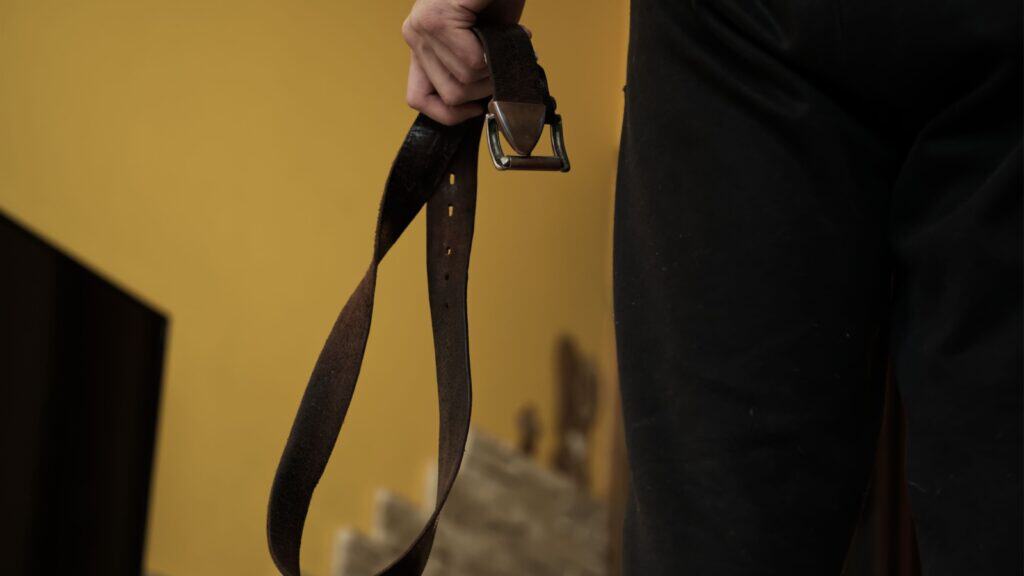
Getting “the paddle” was a normal Tuesday for many boomers. In the late 1970s, U.S. public school children faced physical punishment every year.
Fast forward to today, corporal punishment in the U.S. public schools has dropped drastically from 4% of students in 1978 to less than 0.5% in recent years, with 31 states and D.C. Now banning the practice, according to National Institutes of Health.
Most teens today would find the idea of a principal hitting a student absolutely shocking. This shift reflects a massive change in how our society views discipline and the overall safety of our Young students.
Daily patriotic rituals and assemblies

The Pledge of Allegiance started every single morning for the boomer generation. Large assemblies filled with patriotic songs were a staple of the Cold War era.
Participation is now often optional due to various legal challenges. Schools today use large gatherings for academic awards or safety briefings. The focus has moved from geopolitical loyalty to a more pluralistic culture.
This shift reflects broader changes in society. Modern education has prioritized diversity and individual expression over uniform nationalist rituals. Traditional morning routines have evolved to meet today’s values.
Smoking areas on campus
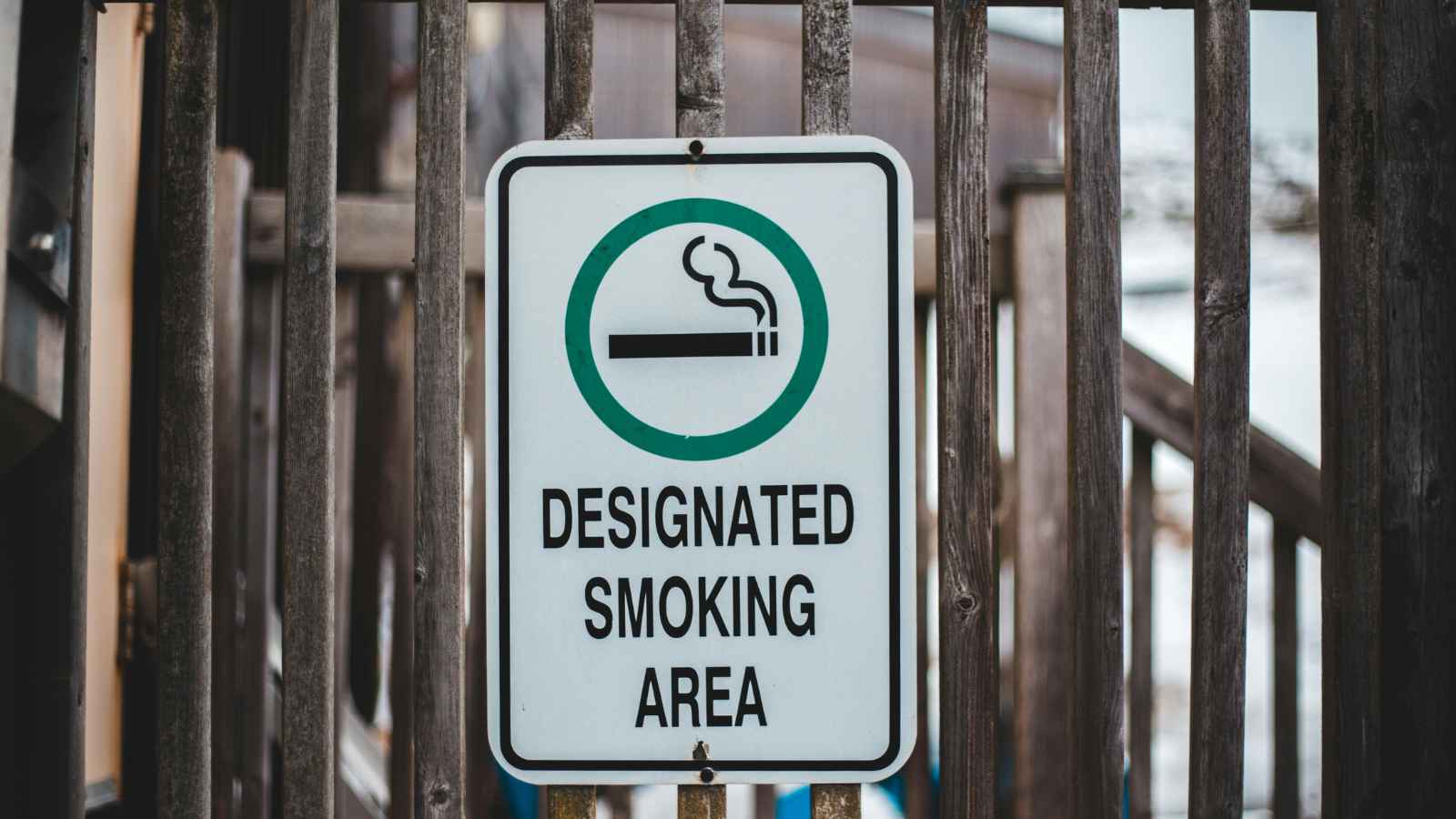
Can you imagine a “designated smoking lounge” next to the cafeteria? Many 1970s high schools allowed juniors and seniors to light up between classes.
According to CDC Youth Risk Behavior Survey data, the prevalence of current cigarette smoking among U.S. High school students increased significantly from 27.5% in 1991 to 36.4% in 1997. That number has now fallen into the single digits.
Schools today focus on vaping prevention instead of handing out ashtrays. Modern campuses are now smoke-free zones that prioritize student health. This shift shows how much social norms and health policies change.
Gendered home economics and woodshop classes

In the mid-twentieth century, boomer-era schools systematically funneled girls into kitchens and boys into woodshops, cementing rigid gender roles within the classroom. However, that era is over.
Modern career and technical education programs now aggressively market themselves to all students regardless of gender identity. This shift reflects a broader cultural movement toward vocational equity.
Today, the “girls cook, boys build” divide has officially crumbled. Students are now free to pursue welding, nursing, or culinary arts based on passion rather than outdated social norms or expectations.
Driving to school as a rite of passage

In 1983, securing a driver’s license was a massive status symbol. Back then, most Americans aged 15 to 19 held a license. Data from the Federal Highway Administration indicate a significant decline in teen licensure over the past four decades; 16-year-old licensing dropped from roughly 46.2% in 1983 to approximately 25.5% by 2021.
Many teens now prefer digital freedom over the heavy responsibility of a car. High school parking lots are just not the social hubs they used to be
Costs are high, and the ride-sharing apps offer easy alternatives. The era of the teenage road trip is now slowly fading away.
Deeply embedded extracurricular culture

School clubs and bands served as the original social networks for boomers. By the early 1990s, most U.S. public high school students joined at least one extracurricular activity.
These vital programs kept kids on campus and significantly improved graduation rates. Today, digital social media platforms siphon off much of that socializing time.
The school building is no longer the only place to find your tribe. It remains vital to preserve these physical spaces where teenagers connect face-to-face. Community bonds are built on shared experiences, a legacy that modern apps cannot fully replicate.
Prom as a formal, heteronormative ball

Prom once stood as an incredibly rigid, “couples only” ballroom event where boomers followed very strict dress codes that strictly enforced traditional gender roles.
According to research highlighted by Jovani, prom attendance has generally remained quite high, with 85% to 90% of eligible students attending each year. Today, those rules have loosened up significantly; Modern proms warmly welcome LGBTQ+ students and large friend groups.
It feels much more like vibrant celebrations of personal identity than a rehearsal for adulthood. This evolution truly reflects a changing, positive societal landscape.
Rigid academic tracks and limited college expectations
College wasn’t a given for the youngest boomers born between 1960 and 1964. Boomer schools often had very clear vocational tracks for those not heading to a university.
Today, the pressure to get a degree starts the moment you walk through the door. This shift reflects a massive cultural change in how we view career preparation and success.
While previous generations found stable paths through trade schools or direct entry into the workforce, modern students face a rigid expectation that higher education is the only viable route. Consequently, the diverse academic tracks of the past have faded.
Fewer AP and dual-enrollment pressures

The “AP arms race” simply did not exist for the boomer generation. According to Education Next, dual enrollment and “college in high school” programs have rapidly expanded, allowing students to earn college credits while in high school, reducing costs and boosting engagement.
Boomers remember a much lower-pressure academic environment. Today’s teens are essentially starting college while they are still in puberty.
This shift creates a frantic pace for students as they manage university workloads. The focus has shifted from standard diplomas to aggressive credit hoarding before high school graduation.
Unrestricted open-campus lunch breaks

For many baby boomers, the lunch Bell signaled a literal exodus from school grounds. In the 1960s and 70s, “open-campus” policies were the norm, allowing students to pile into cars or walk to local diners and parks without digital tracking or high-security fencing.
EAB research confirms that while open-campus lunches were once common, by the 2017-2018 school year, only approximately 26% of U.S. public high schools maintained this policy for any students.
Modern concerns over campus security and student liability have traded that hour of independence for locked gates and cafeteria meal periods.
Paper-based social networking and “slam books.”

Before the era of instant messaging, the boomer social “algorithm” consisted of hand-passed notes and “slam books” notebooks passed around for classmates to leave anonymous comments.
This physical social media was ubiquitous; prior to the 1990s, written correspondence was the primary way students navigated social hierarchies outside of their classrooms.
The slow, tactile ritual of folding a note into a complex geometric shape has been replaced by the instantaneous, 24/7 visibility of the digital feed. This shift reflects a profound change in the very nature of our modern human connections today.
Key takeaway

Physical presence vs. Digital connectivity: Boomer social life relied entirely on physical interaction and shared spaces, whereas modern schools are defined by digital integration and constant connectivity.
Social conformity & rigid rules: Past experiences were dictated by strict social rituals and physical mandates, including enforced hair lengths and gender-segregated classes.
Shift in discipline: The “paddle” and overt physical discipline of the boomer era have been phased out in favor of different administrative structures.
Like our content? Be sure to follow us