12 Modern Shifts Redefining Womanhood
Womanhood today is a powerful and ever-changing landscape, defined not by a set script but by bold choices. Women now shape their own futures—whether it’s making financial decisions, climbing career ladders, or crafting their own definitions of beauty. For example, over 53% of women in 2026 identify as the chief financial officer of their households, a notable rise from previous years, according to Allianz Life.
This change indicates a renewed definition of womanhood, and now is the time when economic independence, career development, and self-realization become priorities. Since women currently hold 21% of the home-buying power and are waiting longer to marry and have children, in favor of their careers and the stability they entail, it is clear that their decisions reflect a new millennium of empowerment and self-determination.
This movement reinvests the concept of womanhood in ways that resonate with power, self-sufficiency, and development.
Economic independence

Women are aware that money alters the mood of womanhood. Allianz has found that 53 percent of women now serve as the CFO in the home, up from 41 percent in 2021, indicating real power in everyday family life. However, the same research revealed that only 46% are certain about their retirement options, and therefore, this new power does exert actual pressure as well.
Another layer is federal labor data, which shows that women’s labor force participation was 57.2% in February 2026. Women no longer support the home. It is steered, budgeted, and fretted over. The latter change also makes financial literacy, better salaries, and long-term planning personal, urgent, and identity-connected.
Buying homes on their own terms

A front door contains one name on the deed. The National Association of Realtors indicated that in 2025, single women accounted for 21 percent of homebuyers, compared with 9 percent of single men. Single women reach 25 among first-time buyers.
That is, women purchase greater stability before marriage, extramarital, or as an alternative to marriage. They retain more, wait longer, and even pay high prices, since a home is no longer merely a shelter but a symbol of independence.
Career timing beats old deadlines

The ancient stopwatch is going dead. Women marry later than in previous generations. In 2024, Census-based estimates put the national median age at first marriage for women at 28.8, up 2 years from 2008. That subsequent timescale gives most women space to establish income, experiment with objectives, and select mates based on power rather than fear.
Patience, rather than compliance, is rewarded nowadays in the role of a modern woman. It informs women that even late achievement can lead to a good, intelligent life.
Women still lead in higher education
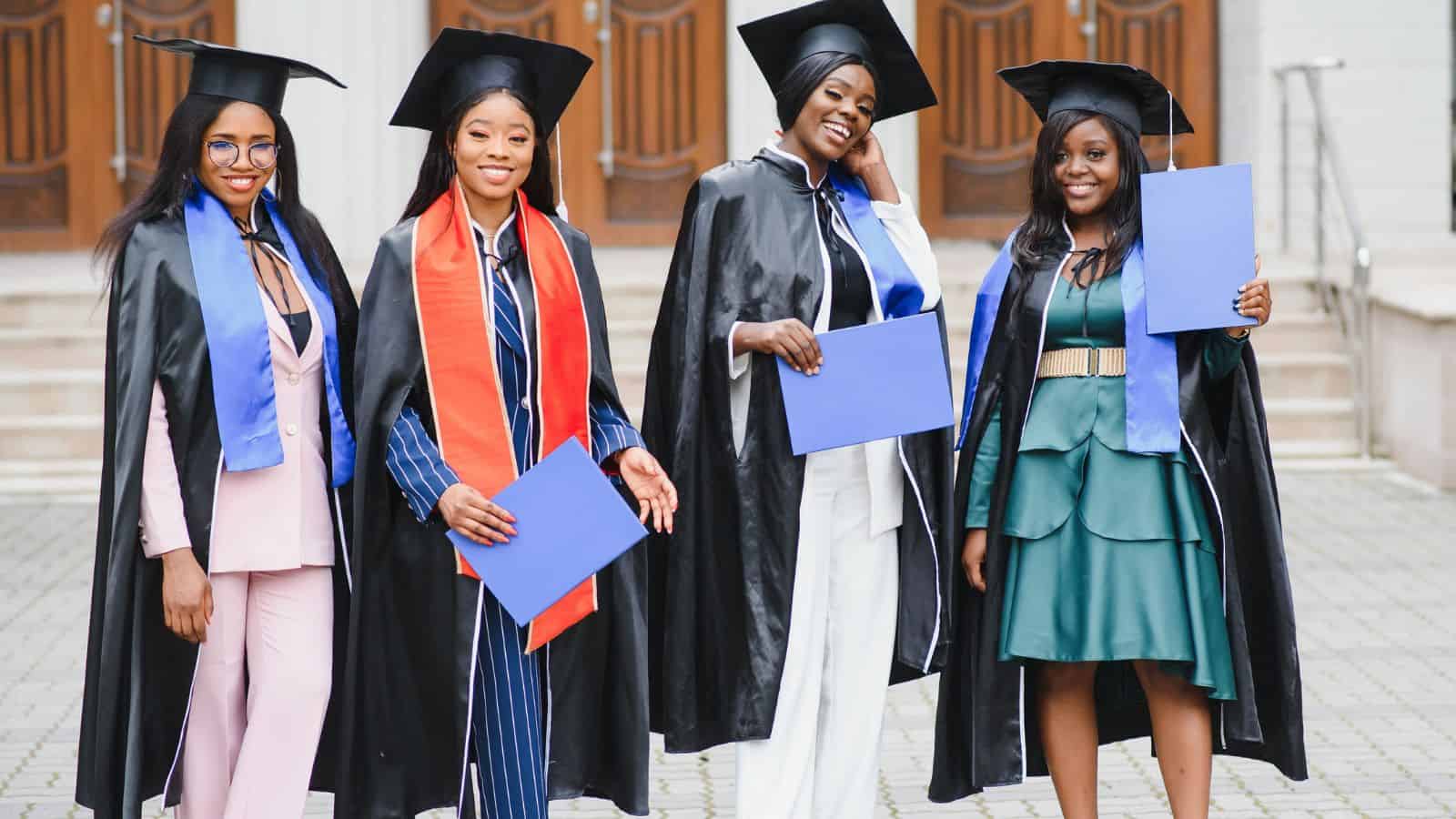
College is still leaning toward females, and that counts. The National Student Clearinghouse reported almost 8.7 million women enrolled in undergraduate programs in fall 2024. The Clearinghouse also mentioned that over 280,000 women have moved between two- and four-year colleges that fall; that number continues to climb and shows no signs of stopping.
Degrees do not eradicate all the obstacles, but they do increase earning power and confidence. They also expand the possibilities for the lives women may imagine. Higher education was traditionally thought of as an upholder of a traditional future, a generation ago. Now, it frequently sustains a self-directed one.
Entrepreneurship feels like a freedom plan
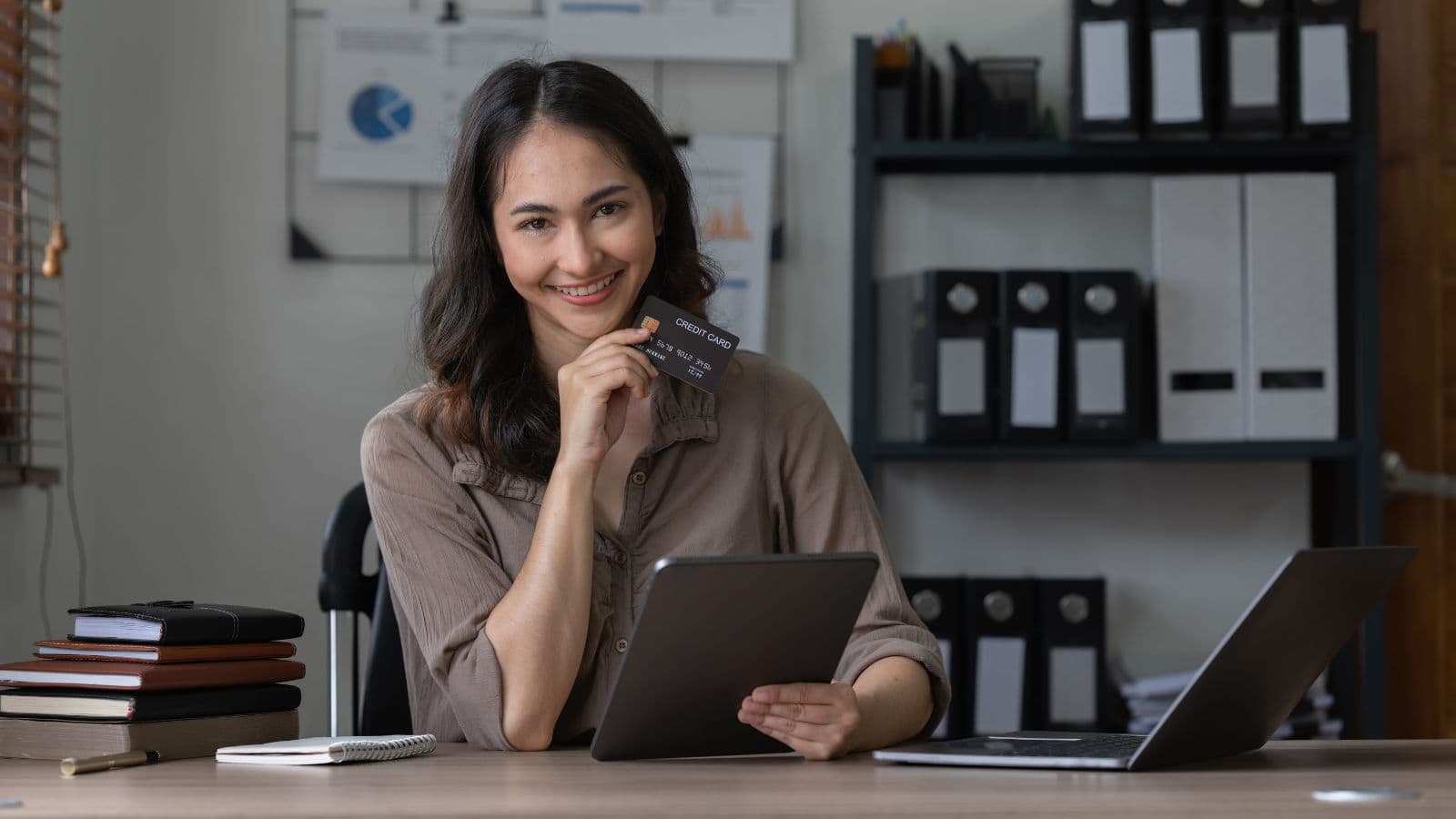
Women no longer change seats to sit at someone’s table. According to Synovus, there are 14.5 million women-owned businesses in the United States, which generate $ 3.3 trillion in revenue annually and employ 12.9 million workers. That scale transforms communities, employment, and household income.
It also alters women’s definition of security. Ownership, flexible schedules, and community-based businesses now create freedom without seeking the approval of a single employer. The change is economic, yet emotional, as women are now seeking greater control over their time, their risk, and their upside.
Digital visibility now shapes identity
The Internet is the second public square that women are using extensively. In 2025, a Pew Research Center report indicated that 55 percent of women use Instagram, compared with 44 percent of men. Pew also found that 8 out of 10 adults aged 18 to 29 use Instagram, and approximately half of them use TikTok daily.
Such figures demonstrate the extent to which young women are becoming influenced by the digital life: identity, shopping, politics, and friendship. On these sites, women do not just consume culture.
They interpret it, make money off of it, dispute it, and reconfigure it as it happens. A voice, a camera, and an intelligent take can now create a business, a movement, or a community out of a bedroom.
Motherhood becomes a choice, not a script
Motherhood is no longer a time limit. In 2024, the Census Bureau indicated that 85 percent of women aged 20-24 had never had a child, compared with approximately 75 percent in 2014, indicating that more women are having children later in life. That trend exhibits decision, procrastination, and malleability.
Women continue to build families, though many do so by choice. Contemporary womanhood is offering more room to live without children, later pregnancies, remarriage, and choices based on resources and want, and not compulsion.
Mental health moves into the open
Females are now approaching mental health as health, period. Based on data from the Anxiety and Depression Association of America (ADAA), in the past year, the prevalence of any anxiety disorder was significantly higher for females 23.4% than for males 14.3%.
Women continue to say burnout, anxiety, and post-partum hardships aloud since silence does not benefit anyone. Such fidelity transforms womanhood in a significant sense. It makes the process of seeking help appear as a matter of wisdom rather than weakness.
Political leadership keeps expanding
Women continue to expand their presence in government offices. As of March 2, 2026, the Clerk of the House had 154 women in Congress, 128 in the House, and 26 in the Senate. According to CAWP, the Senate number represents a record high, and its data also indicate that even Black, Latino, Asian American, Native, and Middle Eastern women continue to be underrepresented within those figures.
The combination of distance and progress is important. Women enter politics more visibly, with stronger donor networks and higher audience expectations. Nevertheless, the figures remind us that the representation has not yet been on par with reality. It is now in the governance, not only on the periphery, of modern womanhood.
The body image conversation grows sharper
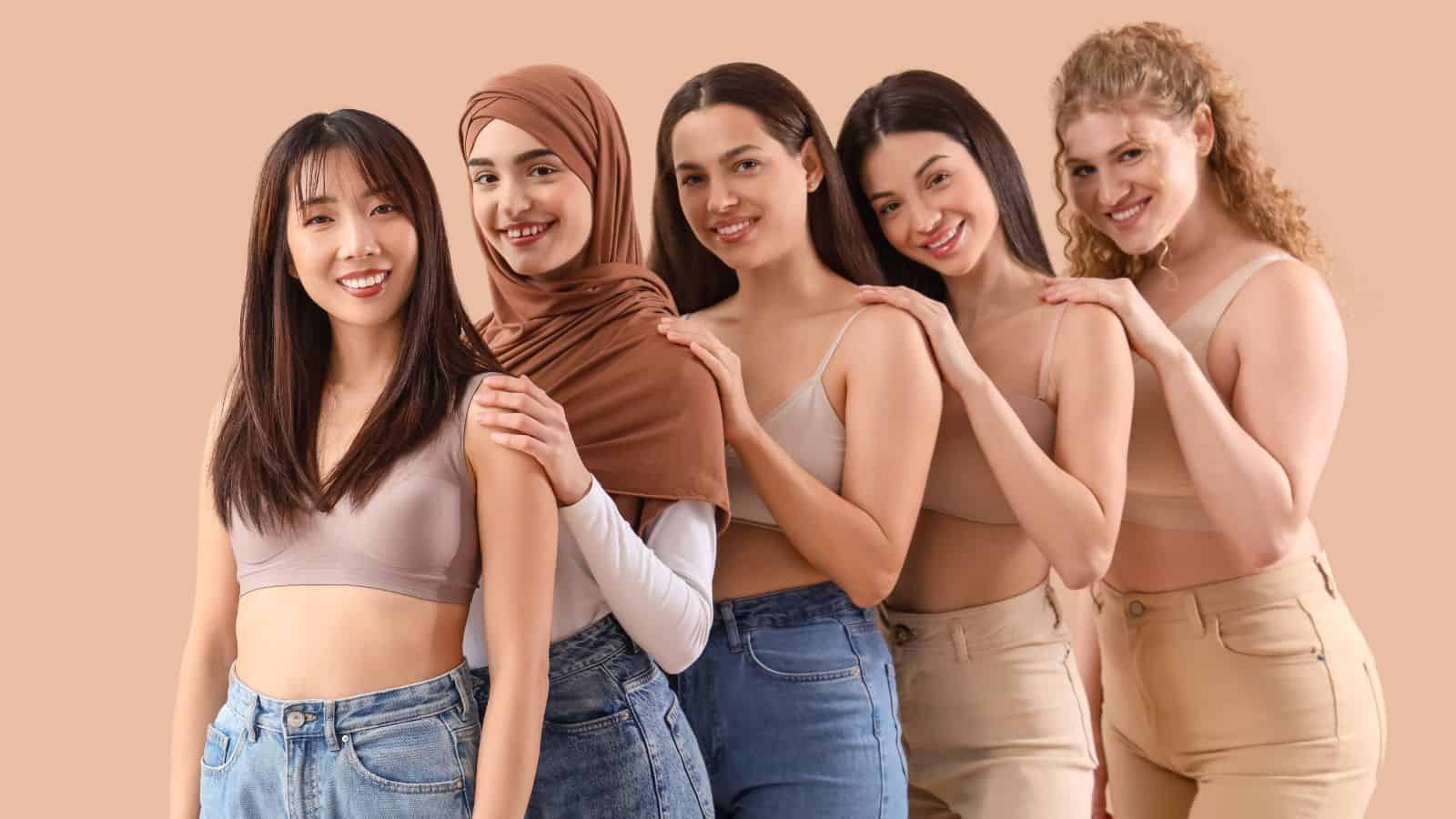
The body talk has transformed, yet it has not become easy. Frontiers conducted a 2025 study of 420 young women and found that full-figured images led people to feel greater appreciation for their bodies and greater functionality than thin-ideal images.
Women are no longer discussing shrinking; they are discussing strength, functionality, and mental tranquility. The change is significant because it elevates beauty beyond the narrow body type. It also depicts the way women continue to break down the digital norms that once confined them.
Intersectionality moves to the center
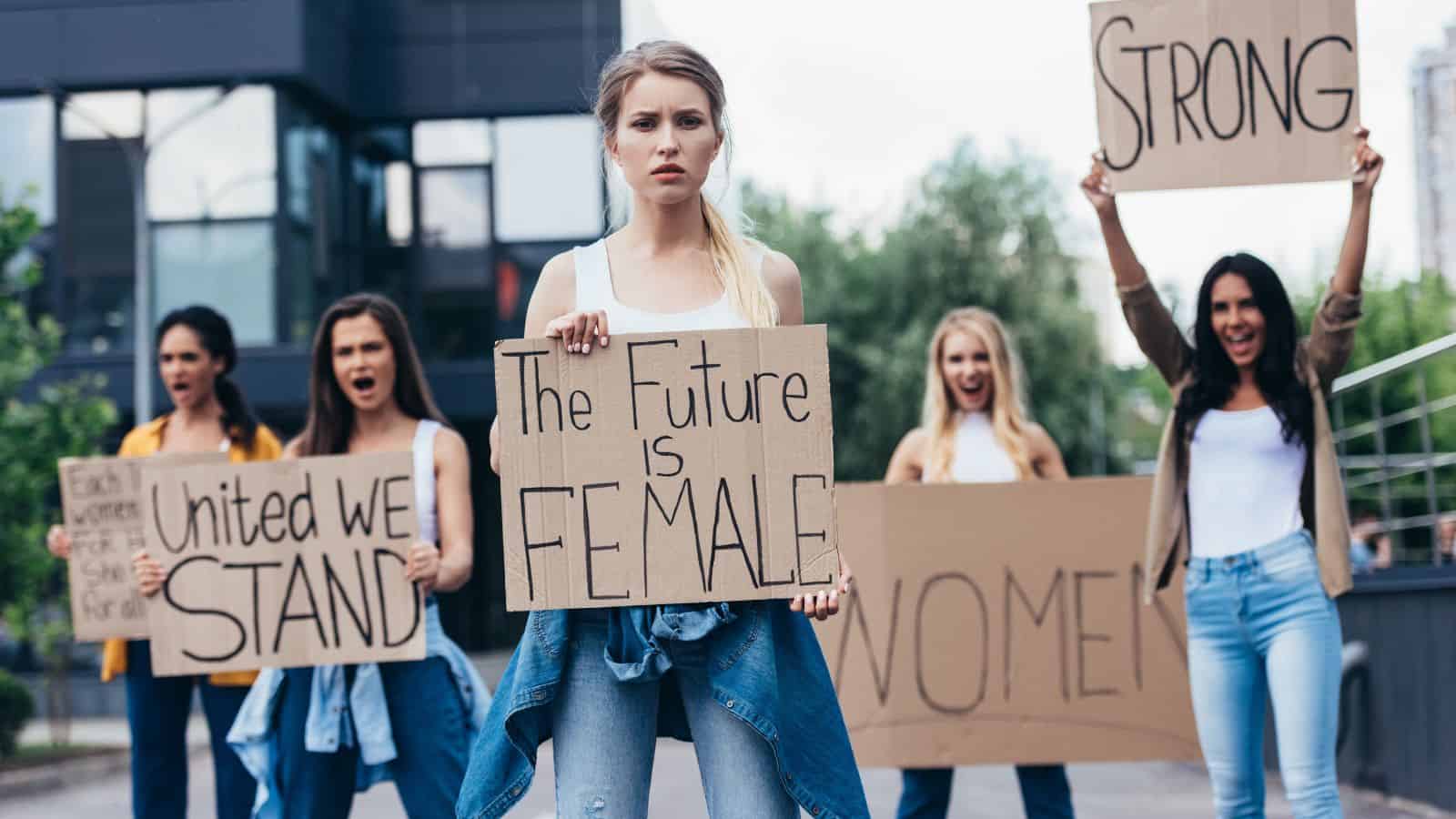
Contemporary womanhood is different, as women do not wish to be addressed as a single group. The study by Lean In and McKinsey revealed that, in 2025, 93 women would be promoted to manager for every 100 men, and the difference would be even more pronounced for women of color: 82 Asian women and Latinas, and 60 Black women would be promoted to the same rank.
Women who belong to other races, classes, and backgrounds do not struggle with it to the same extent, and more females are now saying so in a direct and even plain way. The consequence is that sincerity makes the contemporary discussion smarter, fairer, and far more difficult to disregard.
Beauty and aging get a rewrite
The age is no longer murmuring in the fringes of the conversation. The PMC found that 78% of adults under 65 reported taking action in their day-to-day lives to increase their chances of aging well, suggesting a broader understanding of what it means to look young to live well.
Skin, strength, hormones, sleep, and confidence are all topics women discuss these days. Age is not eliminated by modern womanhood. It challenges women to determine what it means to age well for them.
Key takeaway
American womanhood now has a broader range than a definition can encompass. Women earn more money, purchase more homes on their own, perform well academically, and start businesses at record levels. They also postpone marriage and having children more frequently, are more vocal about mental health, and have a stronger voice on the Internet and in politics.
Simultaneously, they continue to hit against intransigent leadership, body image, and racial equity. The combination of liberty and resistance makes this moment take its actual form. It is not that all women desire to live the same life.
The thing is, nowadays, more women are demanding the right to create the life that suits them, and this expectation continues to redefine the concept of being a woman in broad terms.
Like our content? Be sure to follow us.