12 most productive countries in the world
Everybody talks about hard work. Longer hours. Early mornings. Late nights. But here’s the twist economists keep pointing out: the countries with the world’s strongest economies are not always the ones working the longest.
In fact, some of the most productive nations on Earth actually work fewer hours than many larger economies. Sounds backward, doesn’t it? Smart systems, advanced technology, and highly skilled workers matter far more than simply staying at your desk longer.
That is why tiny countries like Luxembourg and Ireland keep outperforming nations many times their size. Economists usually measure productivity using GDP per hour worked, adjusted for purchasing power parity (PPP). For example Sweden consistently ranks among the world’s most productive economies, according to the International Monetary Fund.
Here are the 12 countries that are the most productive.
France

People often picture France through the lens of cafés, long lunches, and slow living. Yet behind that relaxed image sits one of the world’s most productive economies. OECD productivity indicators consistently place France among the global leaders in GDP per hour worked.
Part of that success comes from specialization. France dominates industries like aerospace, luxury goods, pharmaceuticals, and nuclear energy. Those sectors generate significant economic value without requiring large labor forces, enabling workers to produce more output in less time.
Infrastructure also plays a major role. High-speed rail systems, modern logistics networks, and strong public services help businesses move efficiently. According to OECD research published in its investment in human capital, such as workforce and management skills, and in physical and digital infrastructure, is central to explaining cross‑country differences in productivity and long‑run growth.
Austria

Austria rarely dominates flashy economic headlines, but the numbers tell a different story. Productivity indicators consistently place the country well above the average for output per hour worked.
Location gives Austria a major advantage. Sitting in the center of Europe allows businesses to connect quickly with major markets across the continent. Efficient transportation systems help reduce delays, lower costs, and keep supply chains moving smoothly.
Behind the scenes, it also invests heavily in technical education and workforce specialization. Skilled workers using advanced machinery naturally create more economic value than larger labor forces relying on outdated systems. Think quality over quantity.
Germany

Precision is practically a national brand in Germany. You see it in cars, engineering, manufacturing, and even public transportation. That same obsession with efficiency helps keep Germany near the top of global productivity rankings.
Factories across the country rely heavily on automation and advanced robotics. Data from the International Federation of Robotics shows Germany ranks among the world leaders in industrial robot density. Fewer inefficiencies mean workers can generate more value every hour.
Then comes the education system. Germany’s vocational training programs feed highly skilled workers directly into specialized industries. Instead of spending years retraining employees, companies gain workers who already understand the technical demands of the job. It works like a perfectly rehearsed orchestra where every musician already knows the score.
Sweden
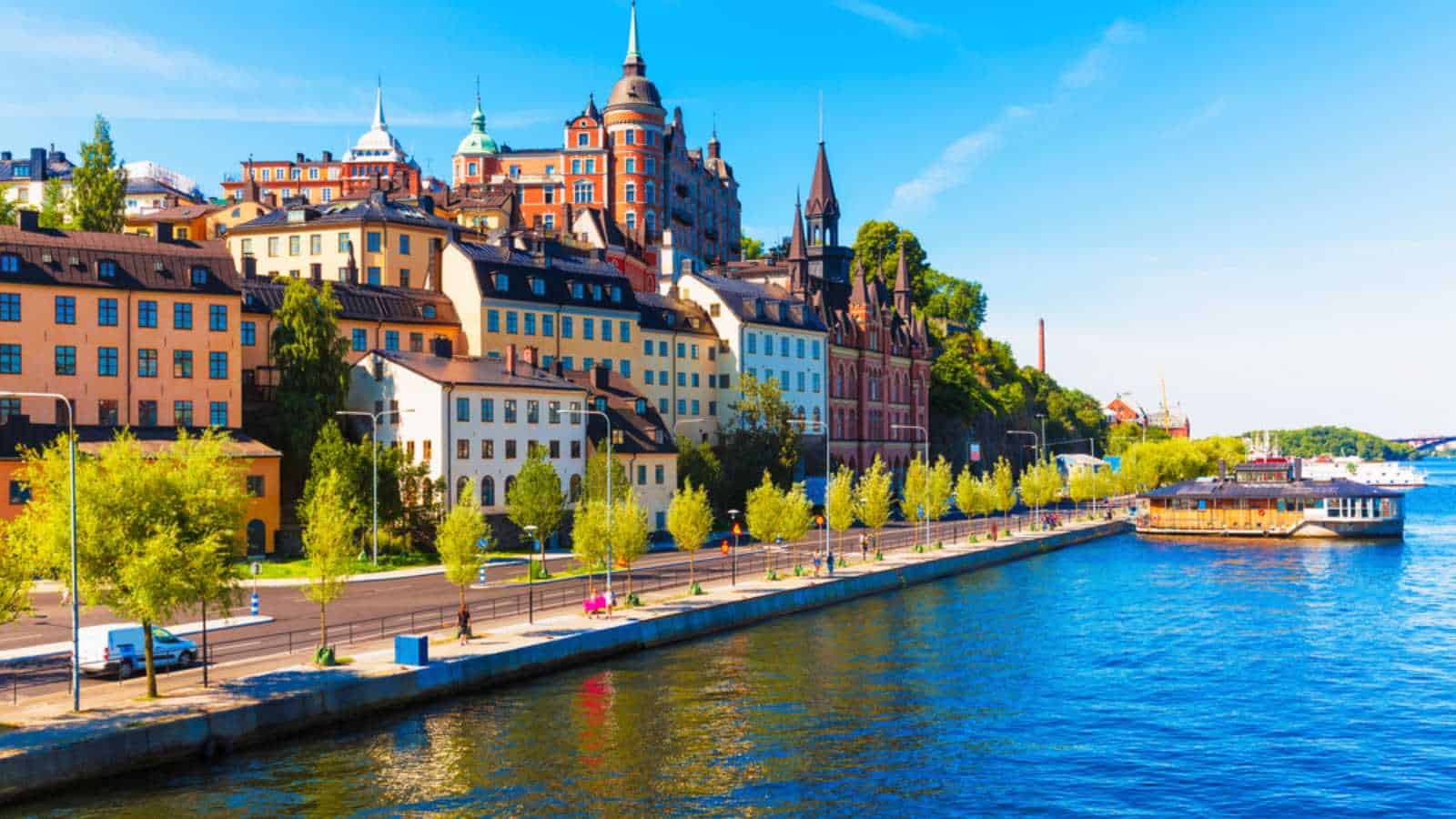
Shorter workdays usually trigger panic about falling productivity. Sweden completely flips that narrative.
Despite promoting work-life balance and flexible schedules, Sweden consistently ranks among the world’s most productive economies, according to the International Monetary Fund. Workers often spend fewer hours at the office while still producing enormous economic value.
Technology helps explain why. Sweden built a thriving innovation ecosystem around companies like Spotify and Ericsson, creating industries centered on high-value digital services instead of labor-heavy production.
Even the workplace culture feels different. Efficiency matters more than appearances. Staying late just to “look busy” carries far less weight than actually solving problems.
Norway

Norway hit the economic jackpot with energy resources, but the country handled that wealth differently from many others.
Instead of burning through oil profits, Norway invested heavily in public infrastructure, education, and its enormous sovereign wealth fund. OECD productivity indicators consistently place Norway among the highest-performing economies for GDP per hour worked.
Oil and gas production generate massive economic value with relatively small labor forces. At the same time, strong education systems and social protections help maintain a highly skilled workforce. OECD research frequently links human capital investment with stronger long-term productivity growth.
Norway basically turned natural resources into a long-term economic strategy rather than a short-term payday.
Belgium
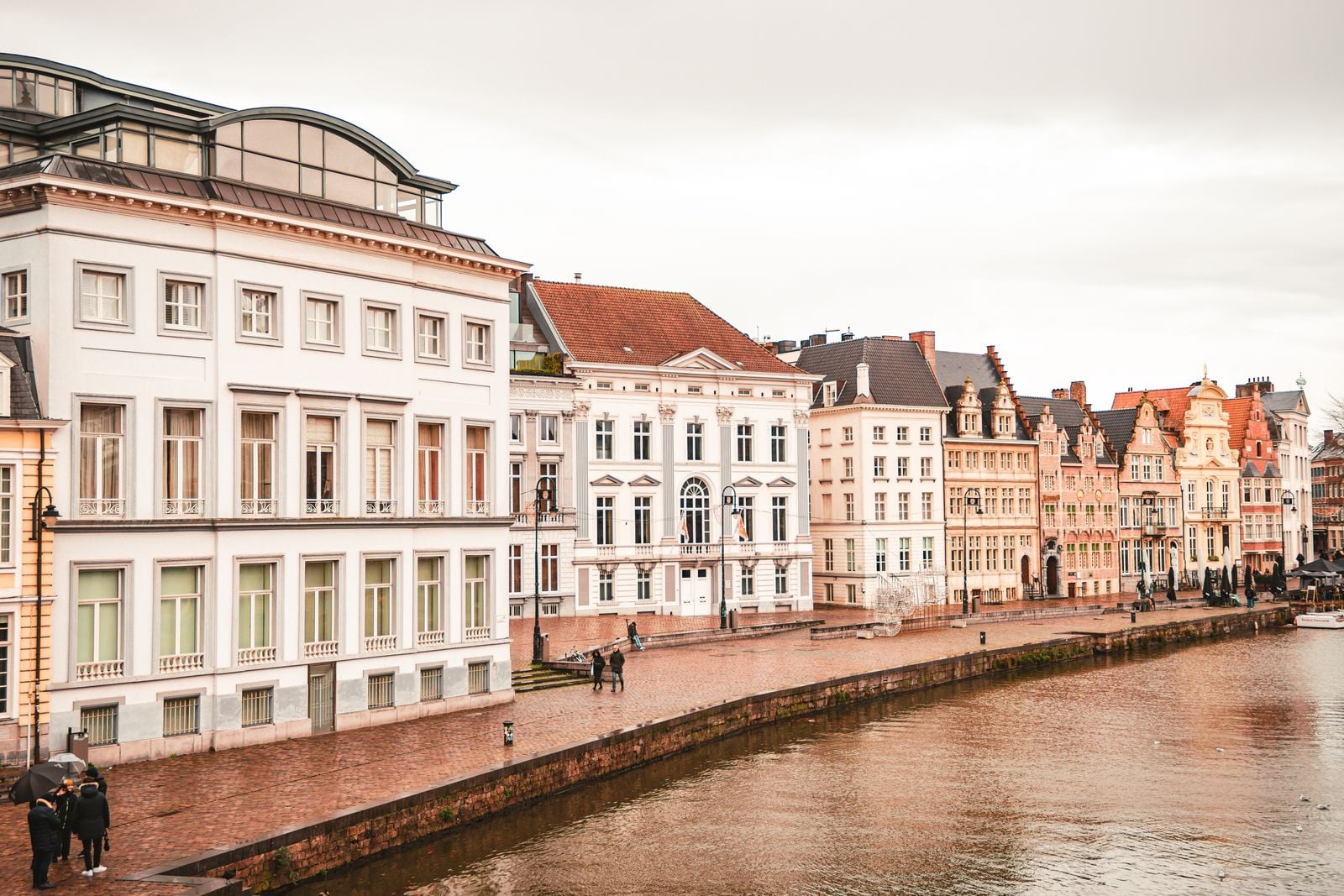
Belgium proves that size does not determine economic strength. On paper, the country looks relatively small. Economically, though, it performs like a heavyweight.
The Port of Antwerp-Bruges gives the country a major edge, handling more than 270 million tonnes of cargo a year and ranking as Europe’s second-largest port. That kind of shipping power helps goods move quickly across international markets, which turns Belgium into a small country with a very big economic engine.
Urban density helps too. Businesses, workers, and transportation systems operate close together, reducing wasted time and improving efficiency. Add a highly educated workforce into the mix, and you get an economy producing remarkable output from relatively limited space.
Netherlands

The Dutch economy runs on trade, logistics, technology, agriculture, and a national habit of making limited space work harder than it has any right to.
Rotterdam gives the country one of its biggest advantages. The Port of Rotterdam handled 435.8 million tonnes of cargo in 2024, keeping its position as Europe’s largest seaport and a major gateway for goods moving in and out of the continent. That kind of scale helps explain why the Netherlands turns logistics into serious economic muscle.
The country also punches far above its size in agriculture and technology. The Netherlands ranks second among EU member states in agricultural product imports, according to the International Trade Administration. Then there is ASML, the Dutch company that supplies the highly specialized lithography machines used to make advanced computer chips, placing the Netherlands near the center of the global semiconductor supply chain.
Denmark
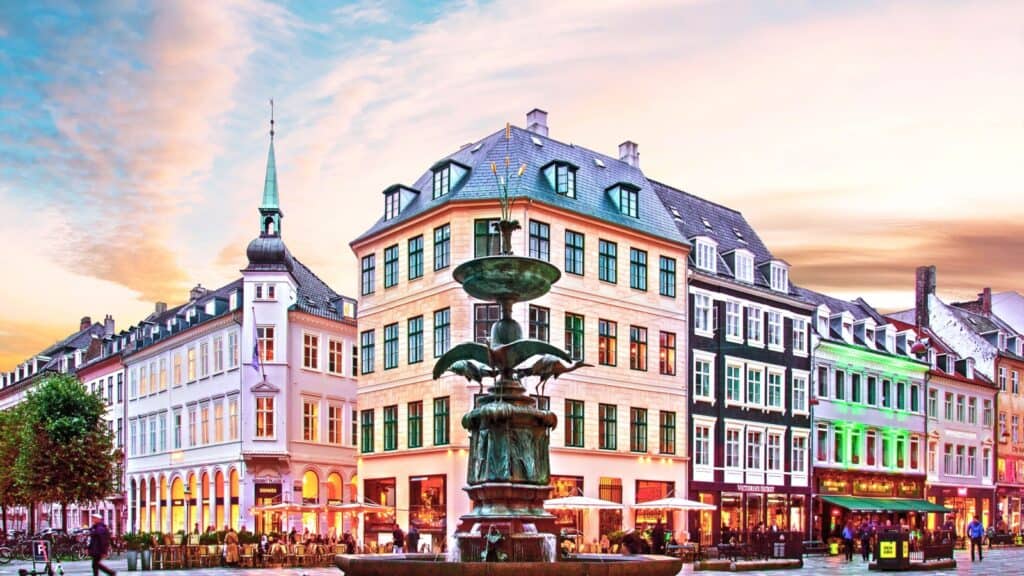
Denmark somehow manages to combine strong productivity with one of the world’s most relaxed work cultures. Sounds impossible, right?
Yet OECD productivity data consistently place it among the top-performing economies. Danish companies often prioritize flexibility, trust, and efficiency instead of a rigid office culture. Employees receive greater freedom, but businesses still expect strong results.
Research from the European Commission shows that firms and countries that adopt digital technologies more deeply, especially in business processes and public services, tend to achieve stronger productivity gains over time.”
In simple terms, fewer bureaucratic headaches leave more time for actual work.
Luxembourg

Finance plays a massive role here. Luxembourg has built itself into one of Europe’s major financial centers, attracting investment firms and multinational corporations from around the world. High-value financial services enable workers to generate substantial economic output per hour of labor.
Geography helps too. Compact infrastructure and short travel distances reduce inefficiencies across the economy. Everything moves faster. In many ways, it operates like a small but perfectly tuned engine.
United States

The American economy still operates like a massive innovation engine. Even with rising competition from Europe and Asia, the United States remains one of the world’s most productive large economies.
Companies like Microsoft, NVIDIA, and OpenAI continue to reshape industries through artificial intelligence, cloud computing, and software innovation. Workers in those sectors generate far more economic output than those in traditional labor-intensive jobs.
America also benefits from deep financial markets and a culture built around entrepreneurship. According to the U.S. Bureau of Labor Statistics, labor productivity in the nonfarm business sector, measured as output per hour, rose at a 0.8% annual rate in the first quarter of 2026, while manufacturing productivity jumped 3.9%. Better tools help workers accomplish more without necessarily working longer.
Switzerland

Switzerland feels almost engineered for efficiency. The country consistently ranks among the world leaders in GDP per hour worked according to OECD productivity indicators.
You can trace much of that success to finance, pharmaceuticals, and precision manufacturing. Swiss industries focus heavily on specialized, high-value products rather than mass production. Fewer workers create incredibly valuable goods and services.
Innovation also runs deep. The World Intellectual Property Organization regularly ranks Switzerland at the top of global innovation indexes. When businesses continually improve their technology and processes, productivity naturally rises. It becomes easier to create more value using fewer resources.
Ireland

Its productivity numbers almost look unreal at first glance. On paper, it often sits at or near the top of global rankings for GDP per hour worked, making it look like a tiny island with an economic turbo engine.
Much of that power comes from multinational giants. It has become a major European hub for technology, pharmaceuticals, medical devices, and software, with companies such as Apple maintaining major operations there. IDA Ireland says more than 90 pharmaceutical companies operate in Ireland, which helps explain why the country produces so much value with a relatively small workforce.
Ireland essentially built an economy designed around attracting some of the planet’s most profitable industries.
Key Takeaways

The most productive countries do not simply work harder. They work with better systems, stronger infrastructure, more advanced technology, and industries that create high value from every hour of labor.
Ireland, Luxembourg, Norway, Switzerland, and the United States rise near the top because they rely on high-value sectors such as technology, finance, pharmaceuticals, energy, and advanced services. France, Germany, Sweden, Austria, Belgium, the Netherlands, and Denmark show a different lesson: strong institutions, skilled workers, logistics, automation, and smart public systems can turn ordinary working hours into serious economic output.
The real lesson feels simple. Productivity is not about sitting at your desk until your chair recognizes you as family. It is about building an economy where every hour counts.
Disclaimer – This list is solely the author’s opinion based on research and publicly available information. It is not intended to be professional advice.
Like our content? Be sure to follow us