12 practical ways to use the pennies you’ve saved
For generations, Americans tossed spare pennies into jars, piggy banks, drawers, and cup holders without thinking much about them. But the humble penny is suddenly getting renewed attention after the U.S. Treasury announced plans to phase out production because manufacturing costs had climbed to nearly 3.7 cents per coin, far more than the penny’s face value.
Officials estimate there are still roughly 114 billion to 300 billion pennies circulating across the country, meaning millions of households are sitting on forgotten change that can still be put to good use.
If you’ve got a jar full of pennies collecting dust, here are some genuinely practical ways to make those coins count again.
Turn into Real Cash Without Losing Fees
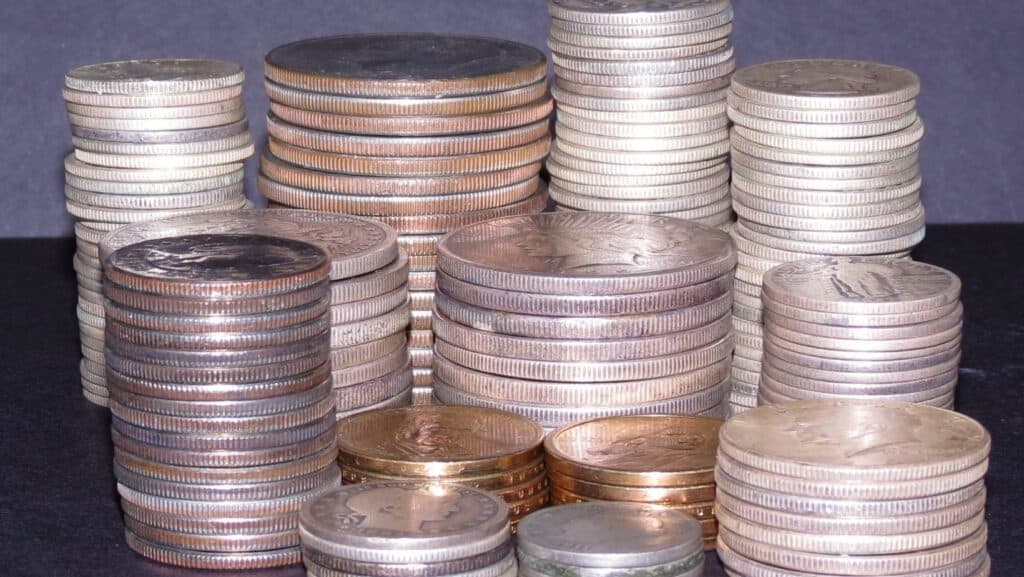
Before pennies can do anything useful, they need to become money you can actually direct. The Treasury says pennies remain legal tender, and the St. Louis Fed says consumers can still deposit pennies at banks, though some banks may ask for rolled or wrapped coins.
That makes the first move simple: gather the jars, count the coins, check for rare older pennies, then decide where the cash goes before you accidentally spend it. Coin kiosks can be convenient, but Money Talks News warns that some machines may charge cash-voucher fees as high as 12.9%, though certain gift-card options may reduce or remove the fee.
A bank deposit may take more patience, especially if you have to roll the coins, but it can protect the value of the money you already saved. The goal is not just to empty a jar. It is to turn forgotten change into dollars with a destination in mind.
Build a “Pennies Only” Vacation
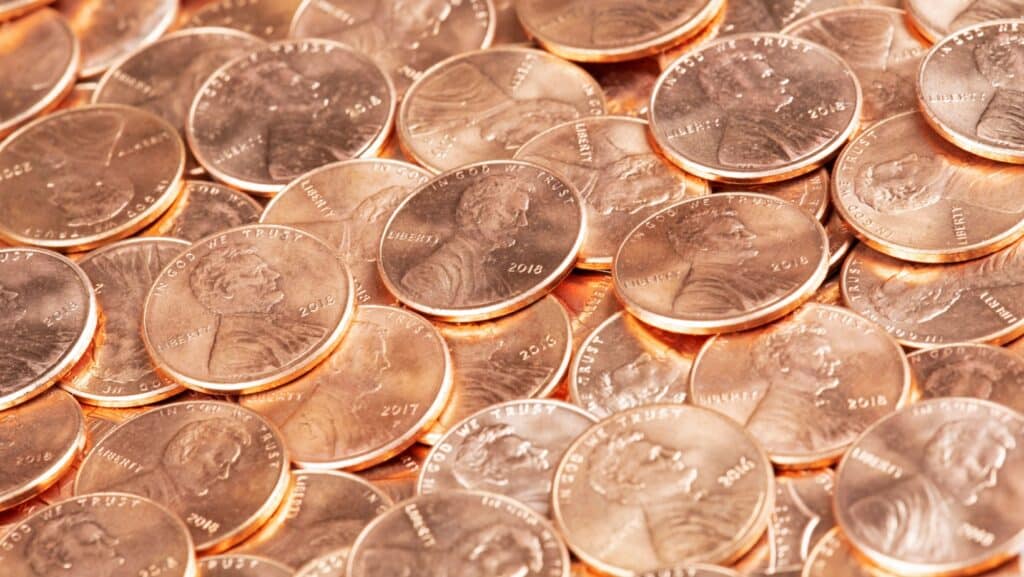
A vacation jar sounds almost too cute, but the data says people actually do this. MyBankTracker found that 15.9% of Americans saved spare change for a vacation, making it the most common purposeful use among respondents who used their loose coins.
That does not mean a jar of pennies will pay for a dream cruise or a week in Hawaii. It can, though, cover road-trip snacks, museum tickets, a beach parking fee, airport coffee, a child’s souvenir, or one guilt-free dinner on a weekend getaway. The emotional power matters here.
Saving for a treat turns coins into anticipation instead of clutter. It also gives a household a small, visible goal that does not feel like punishment. When the jar fills, the reward is not just the cash. It is the quiet proof that small pieces can come together to form something enjoyable.
Aim Your Pennies at Bills or Debt

Pennies will not crush a mountain of debt, but they can still join the climb. MyBankTracker found that 11.1% of Americans used spare change to help pay bills, 6.8% to pay down debt, and 3% to save for retirement.
That matters because small payments build a habit of sending extra money toward a real target instead of letting it melt into random spending. If a coin jar turns into $18, that might cover part of a utility bill, reduce a credit card balance, or go into a debt payoff envelope.
The number may look small, but behavior is the real prize. Each extra payment trains the brain to see leftover money as useful rather than disposable. If you are paying high-interest debt, even tiny extra payments can help chip away at the balance over time, especially when paired with larger monthly payments and a real payoff plan.
Feed a Micro-Savings App Automatically

Loose change has gone digital. Bankrate reported in 2026 that many banks offer round-up programs that round debit card purchases to the nearest dollar and deposit the difference into savings.
Chase describes a similar spare-change challenge for cash users and notes that digital shoppers can use tools that round up purchases and save the difference. This is the same old coin jar with cleaner hands and fewer dusty counters.
Hanna Horvath, CFP and Bankrate managing editor, says, “Opening separate savings accounts for each of your goals can help you track your progress and stay organized.” That is the quiet genius of micro-saving: the money gets a label before it disappears.
A round-up feature might send 37 cents from coffee, 82 cents from groceries, and 14 cents from gas into a savings bucket. One swipe will not change your life. Hundreds of small transfers can build a cushion you barely feel leaving.
Try a “Penny-a-Day” challenge
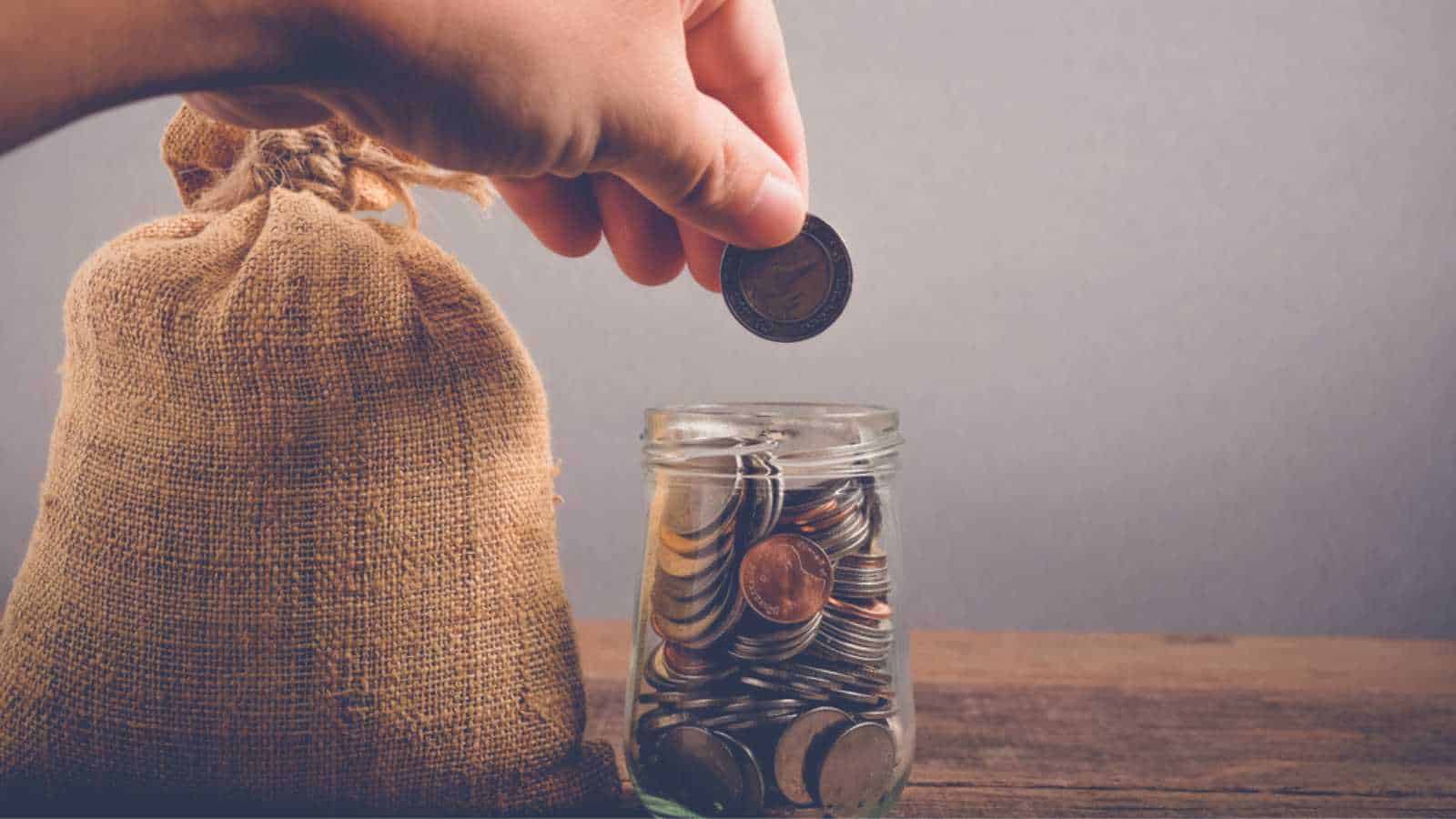
Savings challenges work because they make discipline feel like a game instead of a lecture. The penny-a-day challenge starts with one cent on day one, two cents on day two, and keeps rising by one cent each day. By day 365, the final deposit is $3.65, and the year’s total is $667.95.
Bankrate’s small-savings guide makes the same larger point with its 52-week savings challenge: saving $1 in week one, $2 in week two, and adding one dollar each week reaches $1,378 after a year.
The lesson is not that everyone must follow one exact chart. The lesson is that small commitments become easier when they have a rhythm. Pennies give the habit a physical feel. You hear the clink, see the jar rise, and watch a number grow that your past self might have dismissed as too small to matter.
Use as a Hands-On Money Lesson for Kids

In a tap-to-pay world, money can feel invisible to kids. Pennies bring it back into their hands. Greenlight suggests using pennies to teach children about budgeting through simple activities like saving, spending, giving, exchanging coins for cash, and setting small goals.
Fulton Bank recommends clear jars or envelopes labeled “save,” “spend,” and “give” so children can see money choices instead of hearing another adult talk about responsibility. That physical part matters.
A child who counts 100 pennies into one dollar learns value, patience, math, and trade-offs in the same little pile. You can turn coin sorting into a family-night lesson, a toy-saving goal, or a school-donation project.
It is not about making kids obsessed with pennies. It is about helping them understand that money has jobs, choices have costs, and even small amounts deserve thought.
Upcycle Pennies Into Home Fixes

Some pennies are worth more as tiny tools than as money waiting in a jar. Money Talks News notes that pennies can be used for simple household fixes, such as acting as a quick screwdriver for battery compartments or shimming a wobbly table leg.
They can also work as small weights in fabric hems, craft projects, curtain bottoms, or tablecloth corners that keep lifting in a draft. This is not about pretending pennies are a hardware-store replacement for everything. It is about using what you already have before buying a tiny item to solve a tiny problem.
A few coins taped under a table leg can stop a wobble. A row of pennies tucked into a craft project can add weight. Before you glue, drill, tape, or toss them, check dates and condition, since some older pennies or unusual coins may be collectible. The practical rule is simple: spend common coins creatively, but do not ruin a rare one by mistake.
Turn Pennies Into Budget-Friendly Decor

Pennies can become surprisingly warm decor because they carry color, age, and texture. Some people use them for coasters, framed initials, small mosaics, trays, tabletops, and sealed craft projects.
Money Talks News notes that people have used pennies to make custom floors, bar tops, and coasters by arranging coins and sealing them under clear epoxy. That kind of project takes patience, and the math matters. A square foot covered in pennies uses a lot of coins, so this works best for small gifts or accent pieces unless you truly have buckets of change.
Still, there is something charming about turning forgotten coins into a handmade object. A penny coaster can cost little, look personal, and carry a story. A framed penny from a birth year, wedding year, or graduation year can turn a one-cent coin into a small memory marker. Again, check old coins first. A rare penny belongs in a sleeve, not under resin.
Donate Pennies to Charities

A single penny feels tiny in one palm, but coins work differently in groups. MyBankTracker found that 5.2% of Americans donated spare change to charity, and 2.6% gave it directly to someone on the street.
Giving USA reported that Americans gave $557.16 billion to U.S. charities in 2023, a reminder that generosity often grows from many gifts, not just giant checks. Pennies can be useful for school coin drives, church collections, library fundraisers, animal shelters, food banks, youth sports teams, and local community projects that still accept change.
The practical move is to call first or check the organization’s donation rules. Some charities prefer rolled coins, while others may have collection jars or partner banks. This is not about making a grand gesture from one jar. It is about refusing to let small values go to waste when they could be combined withombined with other toll gifts to become something visible.
Designate a “Pennies Only” Sinking Fund

The most useful savings funds are often the least glamorous. Car registration. A prescription copay. A school fee. A pet bill. A birthday gift. A cracked phone screen. These are not shocking emergencies, but they still hit the budget hard when there is no small cushion to fall back on.
Bankrate’s 2026 savings guidance recommends setting clear goals, tracking progress, and using separate savings buckets to keep money organized. Pamela Capalad, CFP, and founder of Get Shameless, puts the habit side of things plainly in her writing: “Saving is a decision.”
That is exactly how a pennies-only sinking fund should feel. You are deciding that every jar, roll, or converted-coin deposit goes into one boring but useful category. It may not grow quickly, but it creates friction between a small, unexpected expense and a high-interest credit card. A $40 coin deposit in a car-maintenance fund is not glamorous. It is peaceful wearing work shoes.
Use Pennies as Low-Cost Entertainment

Pennies can also earn their keep on family night. The board games market was estimated at $12.2 billion in 2024 by Global Market Insights, indicating that tabletop play remains very much alive even in a screen-heavy culture.
Pennies make easy replacement tokens when original pieces disappear. They can become poker chips for a no-money family card game, counters for math practice, markers for homemade bingo, or pieces in a child’s pretend store. This is a small idea, but that is the point.
Before buying a replacement pack of plastic counters or another little accessory, a coin jar may already have what you need. Kids can learn to count, understand probability, learn about pricing, and make change, while adults get one more evening of low-cost entertainment with things already in the house. The value is not just the pennies. It is the habit of looking around before spending again.
Stop Letting Pennies Sit Idle

The biggest waste is not the penny. It is the habit of ignoring small amounts of money until they become invisible. MyBankTracker found that 55.5% of Americans did nothing with spare change, while only 20.9% used it to improve their financial situation by paying bills, reducing debt, or saving for retirement.
Younger adults were also among the most likely to ignore change, with 60.3% of 18 to 24-year-olds and 59.1% of 25 to 34-year-olds doing nothing useful with loose coins. So the challenge is simple: pick one job for your pennies before the jar fills again.
Cash them in, feed a savings bucket, pay a small bill, donate them, teach a child, make a gift, or start a challenge. Do not ask pennies to solve what only income, budgeting, debt strategy, or policy can fix. Ask them to do what they can do well: interrupt waste, build awareness, and remind you that money usually grows from attention before it grows from size.
A Short Reflective Close
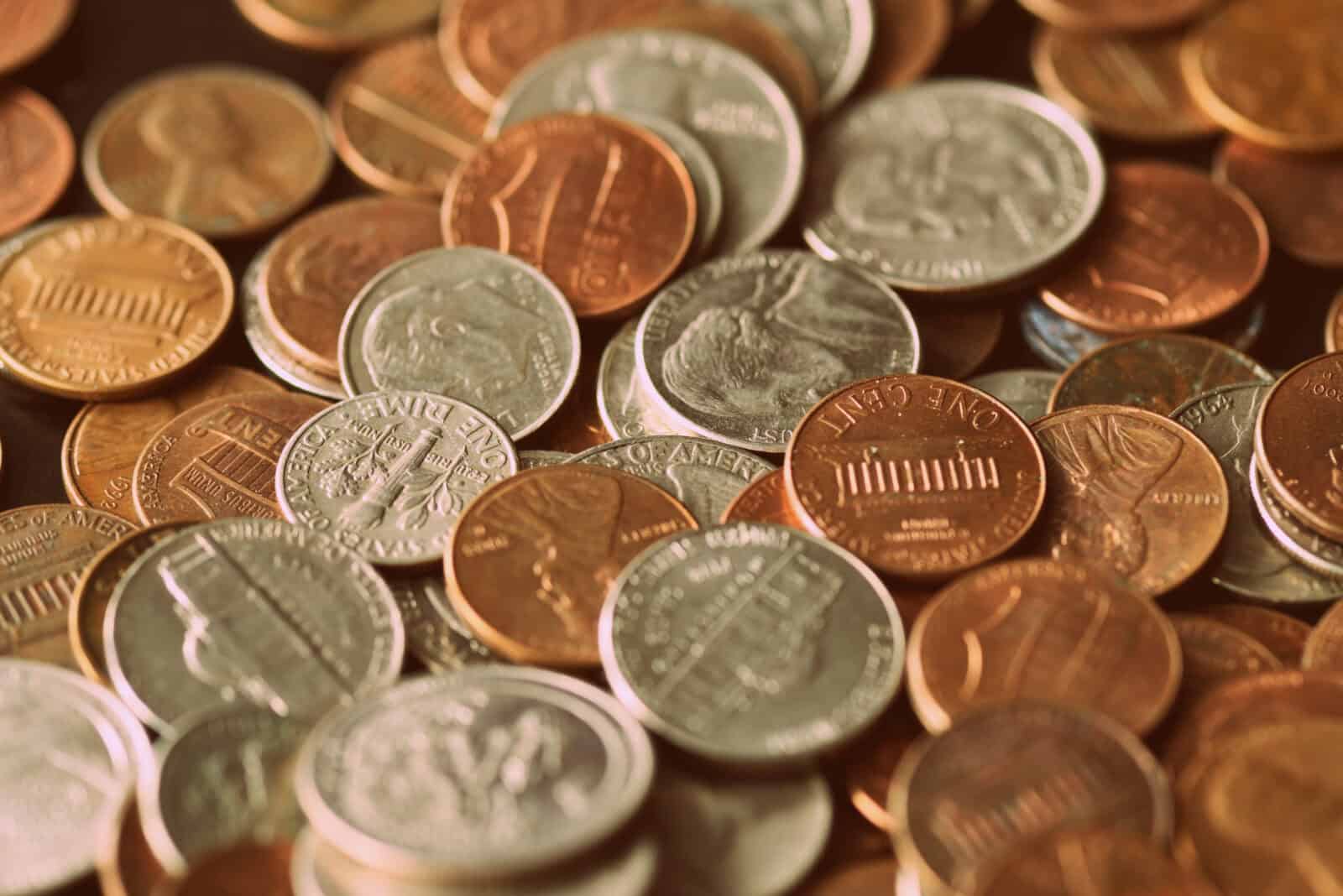
Pennies are small enough to ignore, which is exactly why they can teach such a useful lesson.
They are not magic. They will not turn a tight budget into an easy one overnight. Still, the jar on the dresser, the coins in the car, and the digital round-ups in your bank app all point to the same truth: money habits are built in miniature before they show up in big decisions.
The penny may be leaving production, but the lesson stays. Notice the small amounts. Give them a purpose. Let them practice the discipline you want your larger dollars to follow.
Key Takeaways
The penny’s moment has changed. The U.S. Mint says producing a penny costs 3.69 cents in 2024, the Treasury says pennies remain legal tender, and the St. Louis Fed says roughly 114 billion pennies are still circulating. That means households still need practical ways to use the coins they already have.
Spare change is often wasted because it feels too small to matter. MyBankTracker found that 55.5% of Americans did nothing with spare change, while 15.9% saved it for vacations, 11.1% used it for bills, and 6.8% used it to pay debt. The smartest move is giving coins one clear job instead of letting them sit in drawers forever.
Pennies work best as habit builders. Cash them in without losing too much to fees; use them for a treat fund; direct them toward debt; teach kids with them; donate them; or turn them into small household tools. The amount may be tiny, but the behavior is not. Small money handled with intention can make the rest of your budget a little more awake.
Disclaimer – This list is solely the author’s opinion based on research and publicly available information. It is not intended to be professional advice.
Like our content? Be sure to follow us