12 reasons why skipping self checkout says a lot about you
Choosing a human cashier over a machine says more about your internal compass than you might think. We live in a world where 96% of grocery stores have installed those glowing kiosks, according to a 2025 report on Self Checkout Adoption & Theft Statistics, yet a small but vocal group of shoppers still head for the staffed lanes. It is a choice that feels like a minor errand, but it is actually a statement about how you view work, community, and your own time.
A 2024 study from Drexel University found that people who use staffed checkouts feel significantly more valued by the store. They don’t just see a grocery trip as a task to finish as fast as possible. Instead, they view it as a moment of social connection. For many, that 15-second “How is your day going?” is the only stranger they will speak to all afternoon. It turns out that those who skip the DIY lanes are often looking for a sense of belonging that a computer screen simply cannot provide.
If you find yourself consistently making this choice, it reveals a specific set of priorities that sets you apart from the average shopper. Here are the 12 reasons why skipping self-checkout says so much about who you are.
You crave a genuine connection
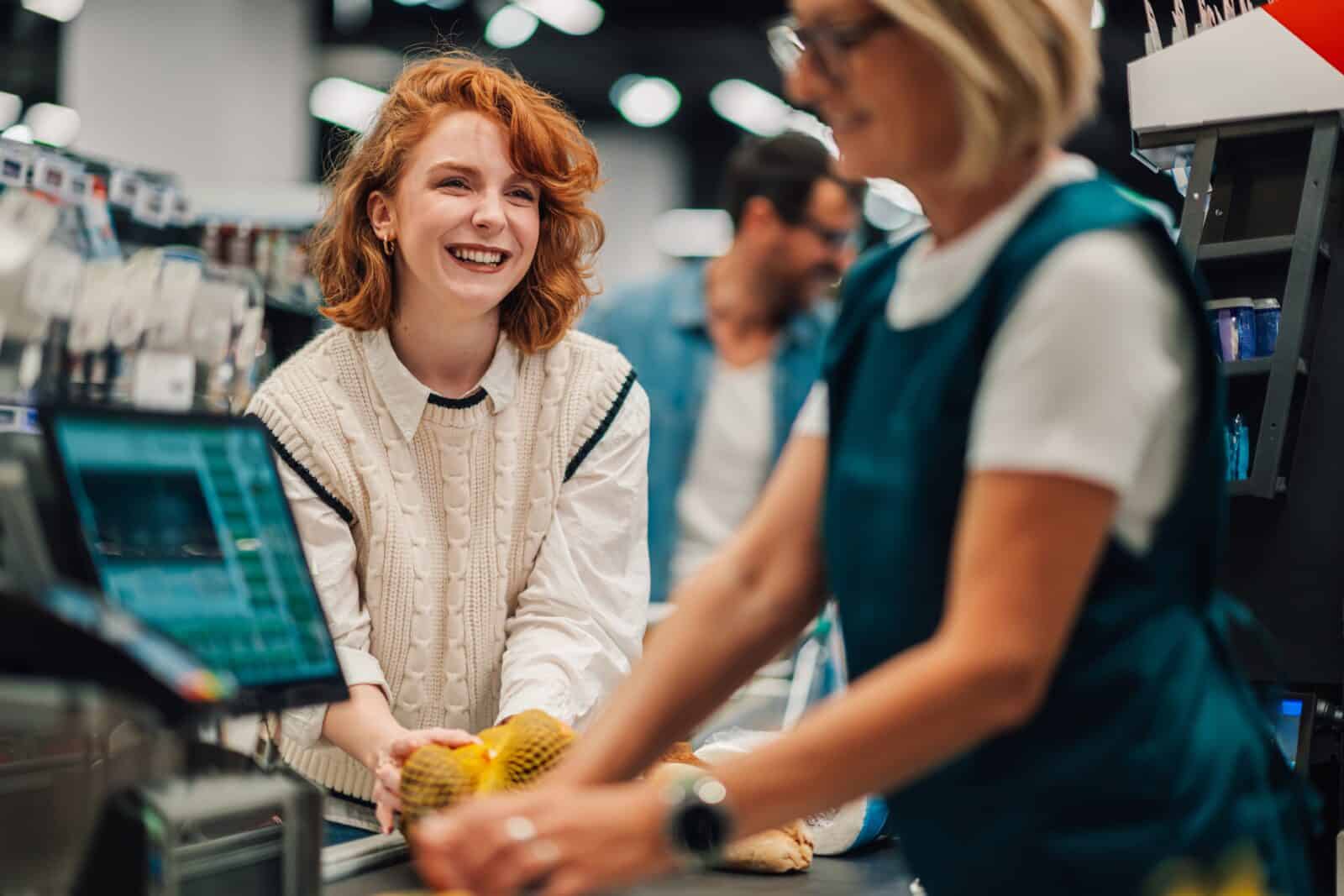
For you, shopping isn’t just a transaction. You are likely part of the shoppers who value the human touch above all else. These brief chats actually reduce feelings of isolation and build brand trust and reassurance. This is especially true for older shoppers who find the silent, automated process to be cold. If you pick the cashier, you probably appreciate the energy a real person brings to the room. You understand that humans are social creatures by nature.
This preference points toward a desire for community in a world that often feels disconnected. By choosing a person over a screen, you keep the social fabric of your neighborhood intact. Every greeting and small comment about the weather acts as a tiny bridge between people. It creates a shared experience that a kiosk can never replicate, turning a simple errand into a meaningful moment of interaction.
You refuse to do unpaid labor

There is a quiet rebellion in waiting for a cashier. Santiago Gallino, a professor at the Wharton School, points out that retailers use these machines to shift the work onto you. When you scan your own milk and bag your own bread, you are doing a job the store used to pay someone else to do.
By skipping the kiosk, you are signaling that your time has value. You aren’t interested in being an unpaid clerk for a billion-dollar corporation. You believe that if you are paying full price, you should get full service.
Choosing the staffed lane is a refusal to accept the hidden labor of the modern retail model. It suggests you prefer a world where human effort is a standard part of the transaction rather than an added luxury. You are prioritizing the traditional exchange of value, in which the cost of your groceries includes the professional help required to process them.
This choice highlights a desire for a balanced experience where the customer remains the customer, not a part-time employee.
You are a job preservationist
Many shoppers skip the machines because they worry about the people behind the counters. Experts have long warned that automation can lead to smaller staff sizes and higher workloads for the few employees left. If you choose the human lane, you are likely voting with your feet to keep neighbors employed. You see the person in the vest as a vital part of the local economy.
For you, the convenience of a machine isn’t worth the cost of a lost paycheck. It is a choice rooted in a deep sense of community ethics. This perspective stems from a belief that retail spaces function best as hubs of local employment rather than automated warehouses.
When you ignore the kiosk, you are actively supporting a business model that prioritizes a human workforce. You recognize that every scanned item at a staffed register justifies the presence of a living, breathing worker. To you, the grocery store isn’t just a place to buy bread; it is a place where your friends and neighbors earn a living.
You prioritize mental peace

Self-checkout is a high-pressure environment for many people. Many shoppers say they feel a spike in anxiety when they have to manage the “unexpected item in the bagging area” errors. If you go to a cashier, you are choosing to let a professional handle the stress.
You don’t want to worry about a light turning red or a machine accusing you of theft. You value a shopping trip that ends with a smile rather than a tech-induced headache. It shows you know how to set boundaries for your own well-being. By choosing the help of a store staff member, you prioritize mental clarity and ease over the forced efficiency of a glowing screen.
You value professional expertise
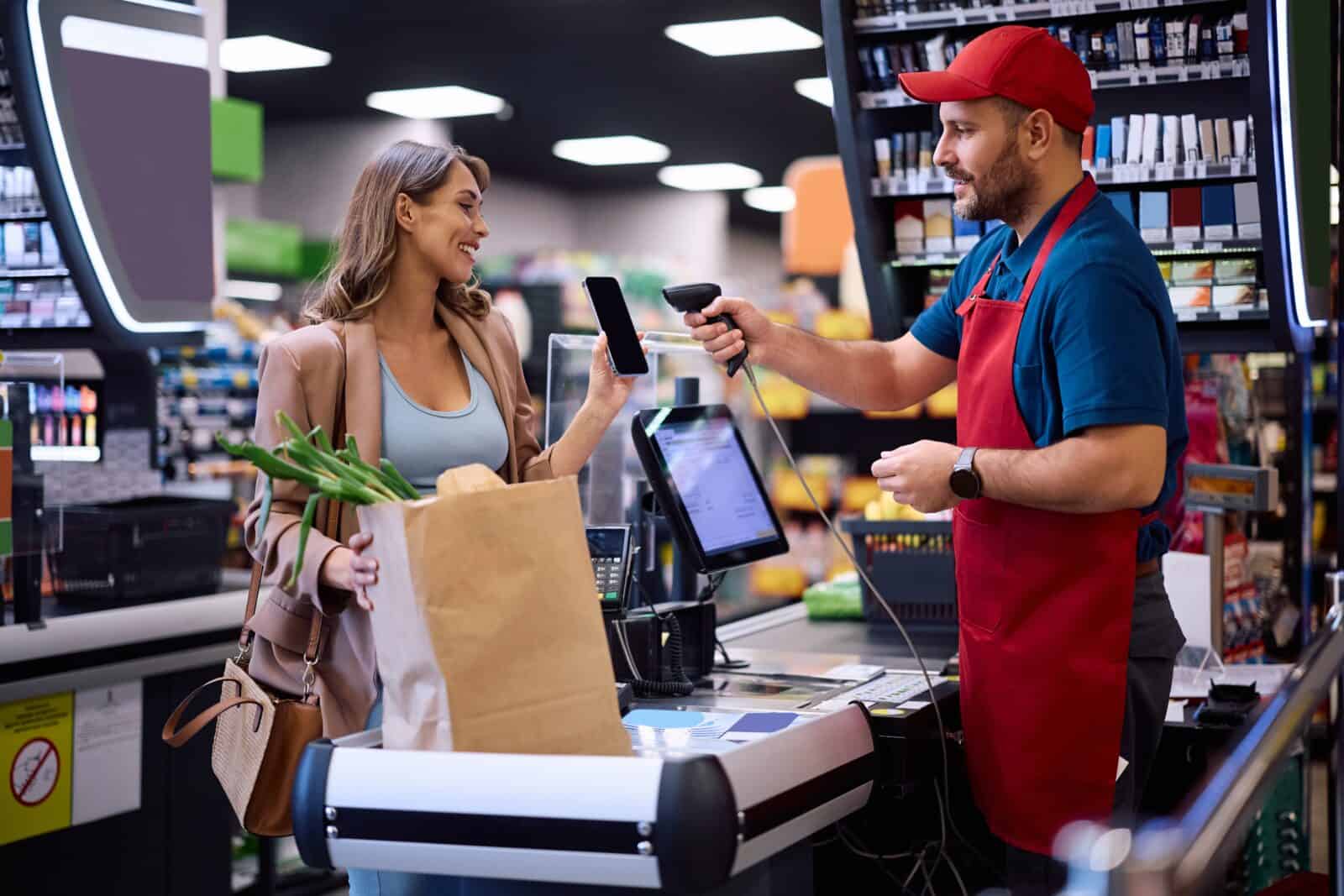
A trained cashier is simply better at the job than an amateur with a kiosk. They know the codes for organic bananas and how to bag heavy jars so they don’t crush the eggs. Data from Wavetec show that cashiers are much more efficient at handling large grocery baskets.
If you have a full cart, you know that trying to fit everything on that tiny scale is a recipe for disaster. You respect the skill it takes to move dozens of items quickly. You prefer a pro because you appreciate quality work. These workers spend forty hours a week mastering the tactile rhythm of the scanner. They understand the weight limits of plastic bags and the physics of stacking cans to protect delicate produce.
Watching a professional clear a hundred items in minutes is vastly different from fumbling with a laser that refuses to read a wrinkled barcode. You recognize that scanning and bagging are learned skills that require coordination and speed. By heading to the staffed lane, you acknowledge that some tasks are best left to people with the experience to do them right the first time.
You want to avoid legal risks
The rise of AI surveillance at kiosks has made many people nervous. Mistakes happen, but a machine might flag a missed scan as intentional theft. A study by the Law Offices of Amanda J. Gentry has noted that shoppers can face serious charges for simple technical glitches.
When you use a cashier, there is a witness to every item you buy. You are protecting yourself from the “guilty until proven innocent” logic of retail algorithms. It shows you are a cautious person who thinks two steps ahead. You’d rather wait in line than deal with a legal misunderstanding.
This preference highlights a desire for accountability that automated systems often lack. By choosing a human lane, you ensure that any scanning error is caught in real-time by a professional rather than a camera overhead. It is a practical way to navigate a retail environment where a software bug could be mistaken for a crime. You value the peace of mind that comes with a verified transaction over the risky speed of an unmonitored kiosk.
You have a “Basket Traditionalist” mindset
Some shoppers just have too much stuff for a DIY lane. Research shows that people prefer self-checkout kiosks when they’re ordering only a few items. But if your cart is overflowing, choosing a human cashier is the practical choice.
You know the machine will stall the moment you try to scan a bulky basket of groceries. You aren’t trying to prove you can do it all yourself. You are making the logical choice for the task at hand.
It reveals a person who is grounded in reality and understands where the limits of current automation end and the efficiency of a trained professional begins. When the goal is getting a large volume of goods home without a technological headache, the staffed lane is often the most sensible path forward.
You are probably a tech skeptic

Not everyone believes that newer is always better. Qualitative studies show that many people avoid kiosks because they have been burned by past glitches. Some shoppers avoid self-checkout specifically because the machines are prone to glitches and breakdowns.
If you skip the screen, you probably prefer things that just work. You aren’t interested in being a beta tester for a grocery store’s new software. You stick to what is reliable and proven over time. It is a sign of a practical, no-nonsense personality that values consistent results over the empty promise of high-tech speed.
You find that waiting for a professional is often faster than fixing a machine’s mistake. By choosing the human lane, you are opting for a system that has functioned for decades without needing a reboot or a software patch. This preference reveals a grounded approach to daily life where reliability is the ultimate convenience.
You care about accuracy
Data from Blue Book Services reveals a shocking stat: Stock shortages are 16 times higher at self-checkout machines. While some of that may be due to intentional theft, much of it is simply the machine failing to read a barcode. If you pick the cashier, you want to make sure every penny is accounted for.
You don’t want to accidentally walk out with an item you didn’t pay for. You also don’t want to be overcharged by a faulty scanner. You value the “double-check” that only a human eye can provide. It shows you are a person of integrity and detail.
You care about the precision of the transaction and prefer a process in which a professional verifies the cost of each item. By choosing the human lane, you ensure the record is clean and the store’s inventory stays accurate.
You enjoy the ritual
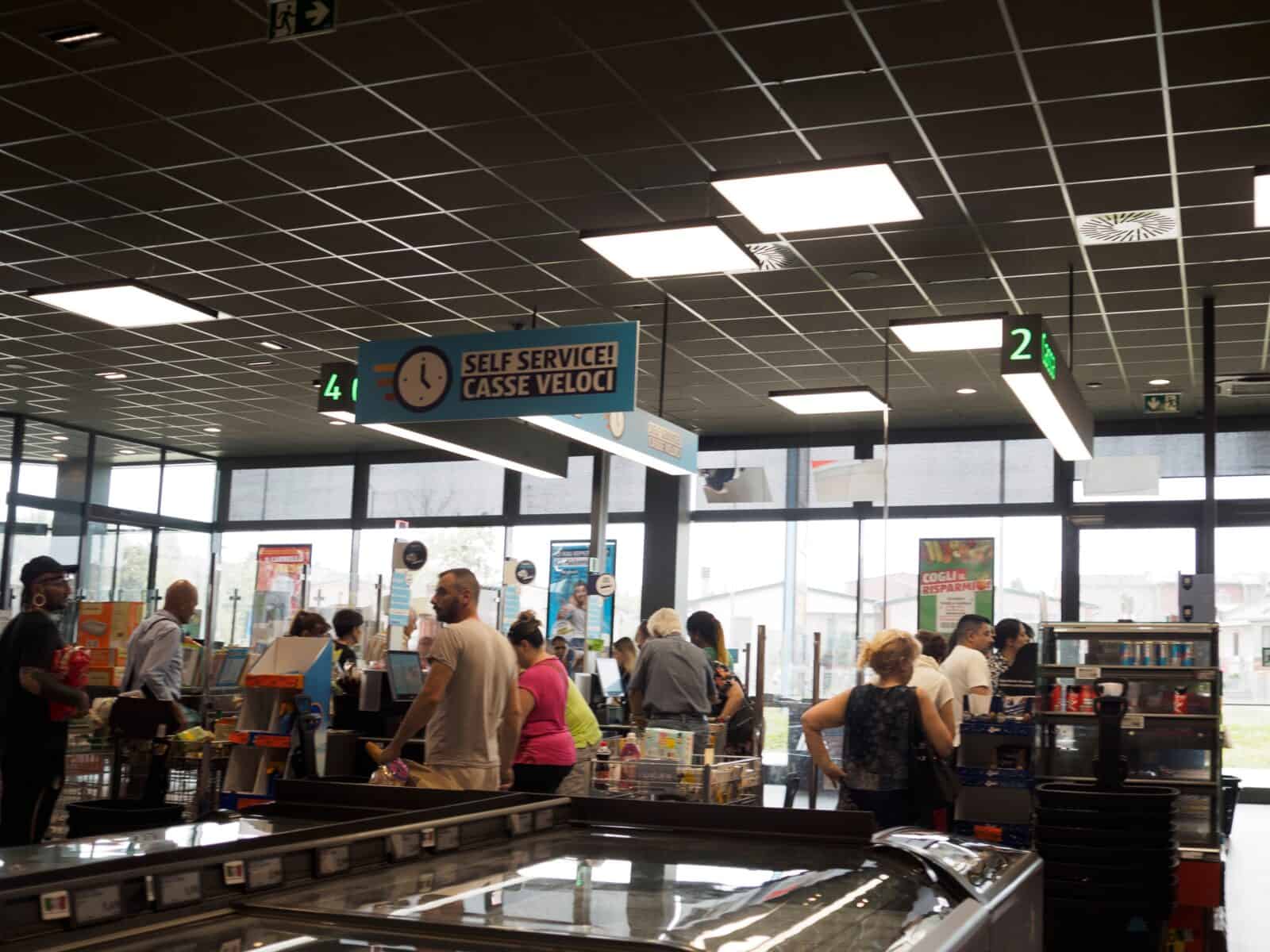
For many, the checkout line is a familiar part of the week. This is especially true for the 71% of Boomers who prefer staffed lanes. It is a comfortable routine that offers a predictable ending to a busy chore. If you like the line, you might be someone who finds comfort in tradition.
You aren’t in a frantic rush to shave two minutes off your day. You are okay with standing still for a moment. It suggests you have a patient soul in a very impatient world. This preference turns a standard errand into a grounded experience that feels steady and reliable. In an era that prioritizes speed at any cost, choosing the slower path reveals a unique perspective on what it means to be truly efficient with your emotional energy.
You feel more loyal to the brand
Using a machine is a lonely experience that doesn’t make you feel connected to a store. However, Yanliu Huang, PhD, an associate professor of marketing, found that human interaction actually builds customer loyalty.
If you go to the cashier, you are more likely to feel like a “regular.” You enjoy being recognized by the staff. You aren’t just a number or a data point for the store’s AI. You are a neighbor.
This choice reveals that you value long-term relationships over short-term speed. Micro-interactions, such as a quick greeting or a brief comment on a purchase, can serve as the foundation for a lasting bond between the shopper and the establishment. For many, the familiarity of a recurring face transforms a cold, commercial transaction into a comforting community ritual that reinforces their decision to keep coming back.
You are protesting against corporate “hidden labor.”

By skipping the kiosk, you are not just refusing to do unpaid labor, but also making a quiet political statement. Retailers love self-checkout because it cuts their labor costs, but it usually doesn’t lower prices for you. You are essentially doing the work for free while the company keeps the savings.
If you choose the cashier, you are refusing to be a part of that cycle. You believe that a business should provide the service it promises. It shows you are an observant consumer who understands the hidden mechanics of the economy. You won’t be pushed into doing extra work just because it’s the “modern” way.
The next time you find yourself standing in the “long” line while the kiosks sit empty, don’t feel like you are behind the times. You are actually participating in a very human tradition of valuing people over processors.
You are protecting a job or just protecting your own peace of mind; your choice matters. It proves that even in an automated age, the human element is something we aren’t ready to give up. The machines might be faster, but they will never be able to tell you to have a nice day and actually mean it.
Key Takeaways

- Retailers save billions by shifting labor to you. Skipping the kiosk is a direct rejection of becoming an unpaid employee for the stores where you spend your money.
- Machines are 16 times more likely to result in “shrink” or errors. Choosing a human is a data-backed move for those who value precision and legal safety.
- The staffed lane is a small but vital hedge against a “touchless” society that strips away micro-interactions.
- Sticking with cashiers is a vote for people over processors, ensuring that entry-level jobs don’t vanish into the cloud.
- While a machine is technically faster for one item, a human is more effective for a complex life. Professionals manage bulk, produce, and problems with a nuance that no machine can match.
Like our content? Be sure to follow us