12 safest states to live in the U.S. for 2026
If you’ve been craving a place where locking the door feels optional and your morning jog feels easy, these states are calling your name.
Finding a place where you can sleep soundly at night feels harder than ever these days, especially with news cycles constantly flashing alarming headlines. You likely want that comforting feeling of knowing your neighbors and trusting that your morning jog is completely secure. It looks like 2026 is shaping up to be a year where people prioritize peace of mind over just about everything else in their lives.
Safety isn’t just about low crime rates; it’s about financial stability, road quality, and how well a community comes together when things go wrong. If you are thinking about packing up and moving to a sanctuary, these spots should be at the very top of your list.
Vermont
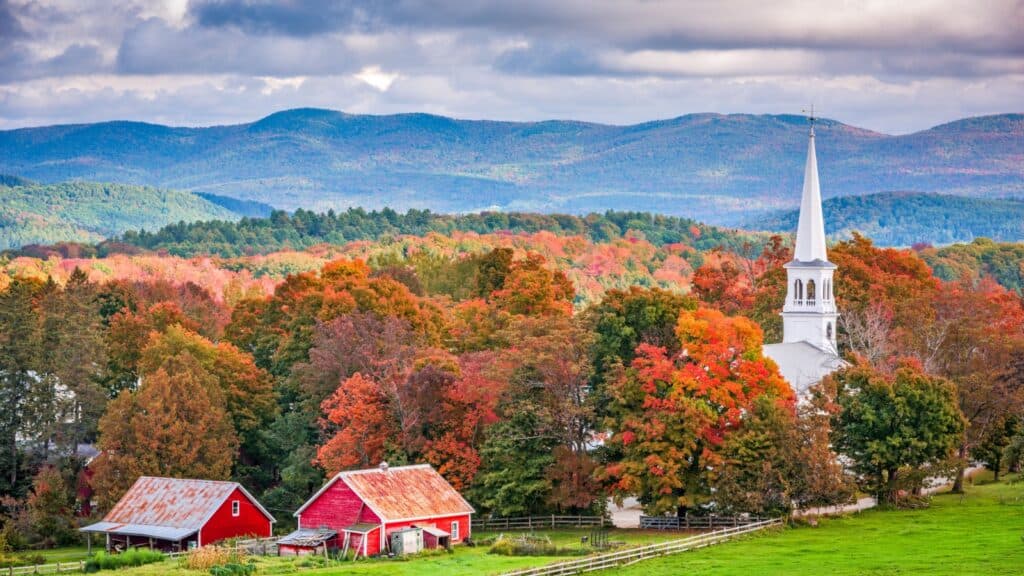
The Green Mountain State consistently feels like a different planet, one where people actually stop to help if your car breaks down on a snowy road. It secured the number one spot for overall safety 429 in WalletHub’s late 2025 analysis, thanks largely to its incredibly low violent crime numbers. Living here means trading the chaos of big-city life for a slower, more deliberate pace that prioritizes community well-being above the rat race.
You aren’t just buying a house here; you are buying into a lifestyle that values neighborliness and shared responsibility. According to recent labor statistics, Vermont boasts a remarkably low unemployment rate of just 2.6%, which contributes heavily to its stable social environment. It is the kind of place where you can leave your door unlocked and worry more about a bear getting into your trash than a burglar.
Massachusetts
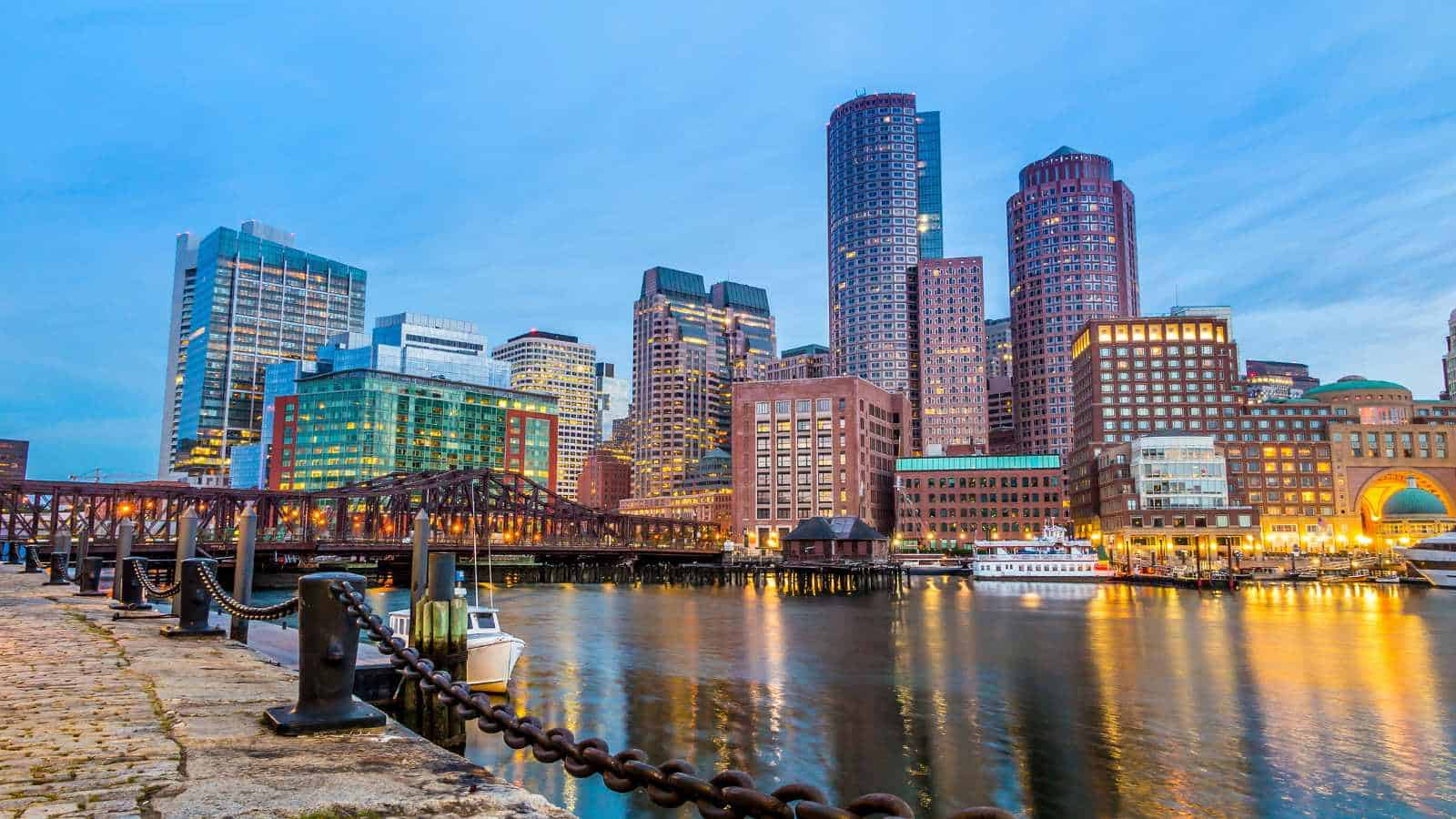
While Boston has its hustle, the state as a whole operates with a level of security that is hard to find elsewhere. Massachusetts 429 ranks second nationally for safety, driven by its top-tier healthcare system and rigorous road safety laws that protect drivers and pedestrians alike. It manages to balance a booming economy with a social safety net that keeps crime rates surprisingly low for such a populated area.
Residents here benefit from some of the strictest gun safety legislation in the country, which correlates directly with lower rates of gun violence. You will find that the high cost of living often pays for itself through excellent public services and a general sense of order in daily life. It is a trade-off many families are willing to make for the peace of mind that comes with superior schools and reliable emergency services.
New Hampshire
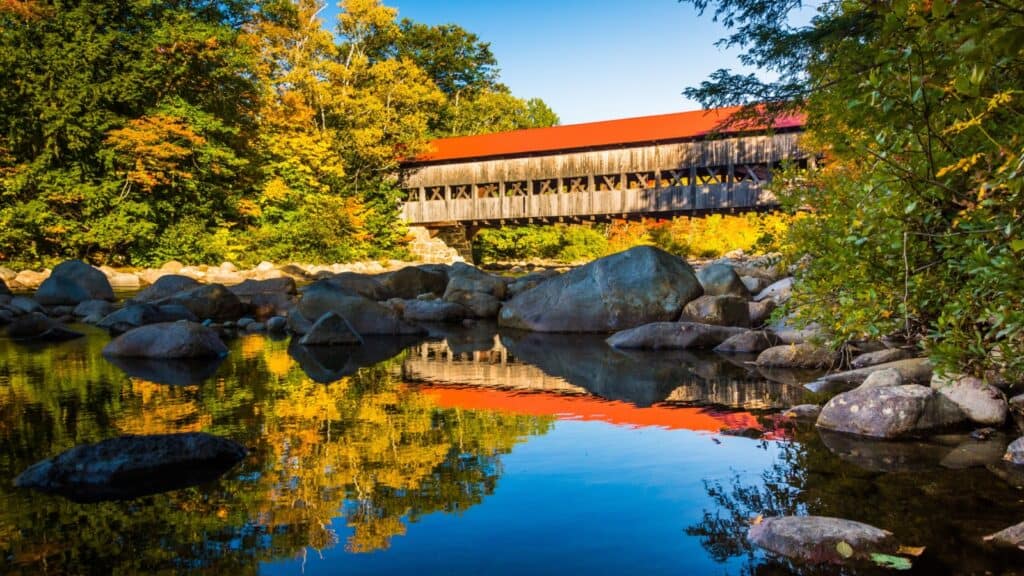
There is a reason the motto is “Live Free or Die,” but the reality is much more about living safely and securely in tight-knit towns. New Hampshire reported the lowest murder rate in the nation in 2025, making it a statistical haven for anyone escaping violent crime. The absence of a general sales tax and income tax also relieves financial pressure, which is often a hidden driver of local instability and theft.
The vibe here is fiercely independent yet paradoxically communal, where folks look out for one another without being nosy. Property crime is notably rare here, so you won’t spend your evenings constantly checking your security cameras or worrying about your parked car. It offers a rugged sort of tranquility that appeals to those who love the outdoors but hate the risks usually associated with remote living.
Maine

Maine is often called “Vacationland,” but for the people who stay year-round, it is simply a quiet, secure fortress against the modern world’s noise. The state ranks highly in the country for emergency preparedness, meaning it is ready for everything from blizzards to power outages. It is the sort of place where safety is built into the culture, fostered by generations of people who had to rely on each other to survive harsh winters.
You will find that the crime rate here is incredibly low, largely because the population is spread out and communities are deeply interconnected. In fact, recent USAFacts data indicates Maine’s violent crime rate sits at roughly 100 incidents per 100,000 people, significantly below the national average. It is perfect for those who want to disappear into nature without fearing for their physical well-being.
Utah

Utah stands out as the safest state in the West, offering a mix of stunning landscapes and a deeply ingrained culture of family values. The state has one of the lowest percentages of drunk driving fatalities in the U.S., a testament to its strict alcohol laws and community standards. You can feel a tangible difference in the atmosphere here, where civic duty and looking out for the neighborhood are just part of the daily routine.
The economy here is booming, yet it hasn’t brought the spike in crime that usually accompanies rapid population growth. Salt Lake City and its suburbs maintain a clean, orderly feel that is becoming increasingly rare in growing metropolitan areas. It is a top choice for young families who want access to the outdoors without compromising on security or educational opportunities.
Connecticut

Often overshadowed by its louder neighbor, New York, Connecticut quietly maintains some of the best safety stats in the entire country. This state consistently ranks high for personal safety, aided by a wealthy tax base that funds exceptional police and fire departments. It feels like a collection of small, well-managed towns rather than a sprawling urban state, which helps keep issues localized and manageable.
The focus here is heavily on education and wealth stability, two factors that act as strong deterrents against street crime. Violent crime here is reported at approximately 150 incidents per 100,000 residents, keeping it well within the safest tier of states. If you can afford the cost of entry, you get a manicured, predictable environment that feels miles away from the grit of the big city.
Hawaii

Living in paradise comes with the added perk of being physically isolated from many of the mainland’s more volatile crime trends. Hawaii consistently reports very low rates of violent crime, largely because its “aloha spirit” isn’t just a slogan but a cultural expectation of respect. The ocean acts as a natural buffer, creating a contained environment where criminal networks struggle to establish the same foothold they do elsewhere.
However, you have to keep an eye on your wallet, as the high cost of living can drive up petty theft in tourist-heavy areas. Despite this, the island state remains one of the safest places to raise a child, with tight communities that act as extended families. It is a place where road rage is rare, and the pace of life naturally de-escalates conflicts before they turn dangerous.
Minnesota

The “Minnesota Nice” stereotype holds water when you look at how residents treat one another and their collective spaces. The state ranks eighth overall 429 in safety, boasting high scores for workplace safety and a strong financial outlook for its residents. Winters here might be brutal, but they seem to freeze out crime, keeping the streets quiet and families tucked away safely in their homes.
Minneapolis has faced challenges, but the broader state remains a bastion of stability with excellent infrastructure and social programs. A 2025 Council on Criminal Justice report noted a broad 17% drop in homicides across major U.S. cities, a trend that has positively impacted Minnesota’s urban centers. It is a solid, dependable choice for those who value civic engagement and a government that actually seems to work.
Rhode Island
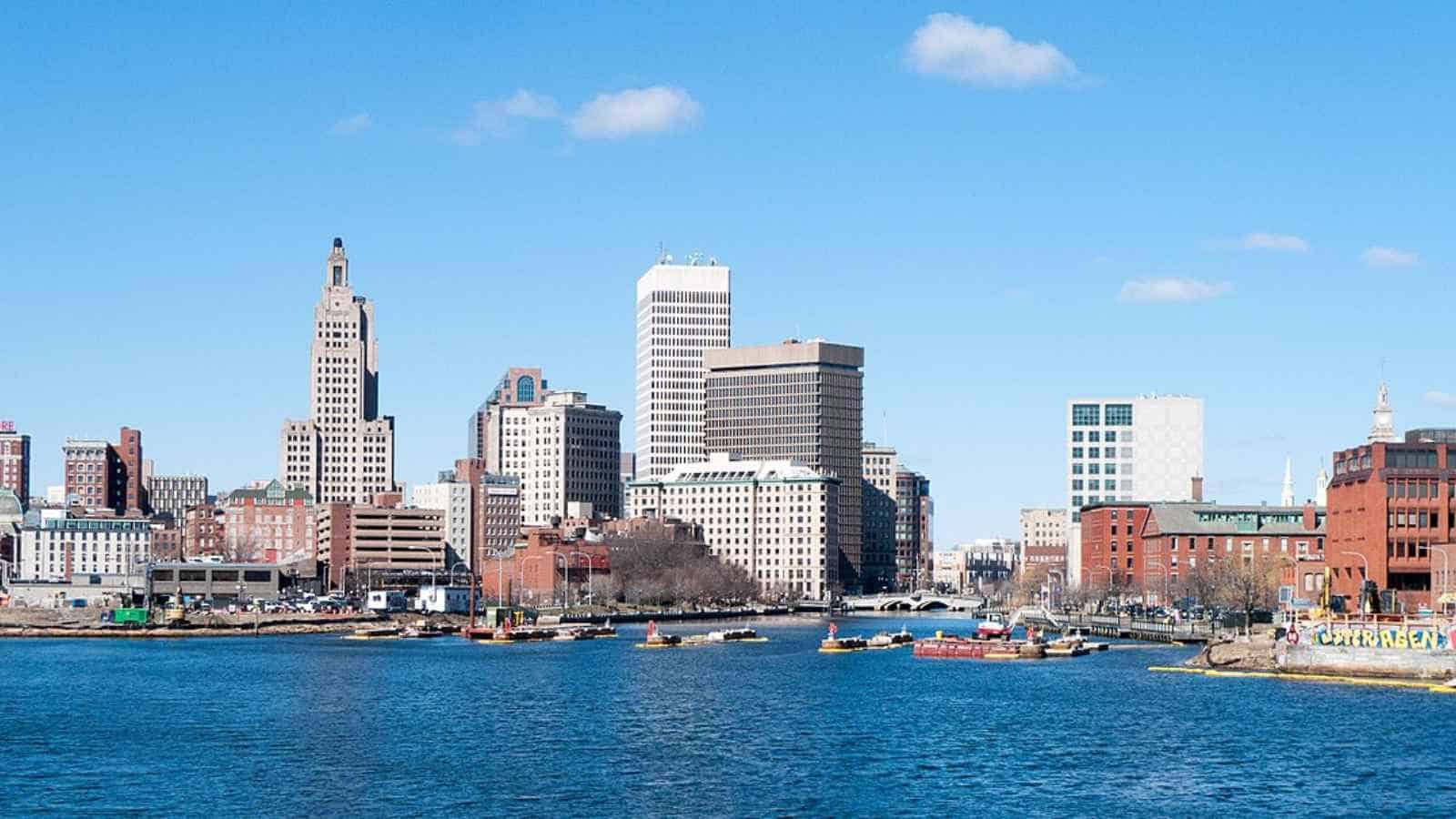
It may be the smallest state, but Rhode Island packs a punch when it comes to keeping its residents secure and happy. This tiny coastal state ranks impressively high for low property crime rates, meaning your home and car are safer here than in most places. The dense population means neighbors are always watching, creating a natural surveillance system that deters bad actors.
You are never far from help here, whether it is a hospital, a police station, or just a friendly local willing to lend a hand. The state’s size allows for rapid emergency response times, ensuring that help arrives minutes after you call 911. It feels like one big small town where news travels fast, and accountability is impossible to escape.
Wyoming
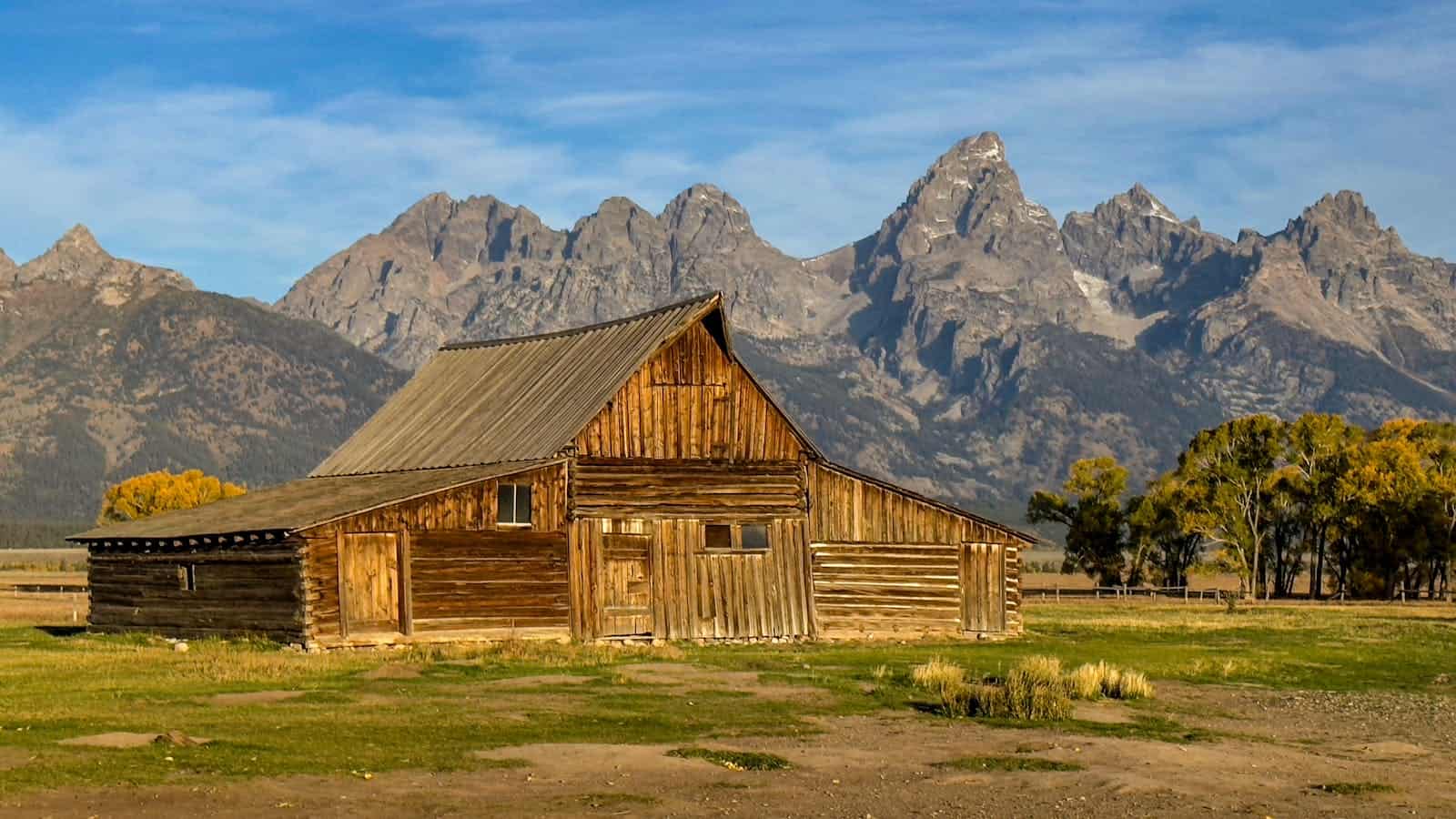
If your idea of safety involves not seeing another human being for days at a time, Wyoming is your ultimate sanctuary. With a population density of just six people per square mile, the sheer lack of opportunity prevents most types of interpersonal crime. It is the kind of freedom that allows you to leave your keys in the ignition, simply because there is no one around to steal your truck.
The cowboy culture here emphasizes self-reliance, but also a code of conduct that respects property and personal space. While it may lack the infrastructure of the East Coast, the low crime numbers speak for themselves, offering a rugged peace you can’t fake. It is perfect for those who trust themselves more than they trust the government or a security system.
Indiana

Indiana might seem like a surprise entry, but recent data highlights its rise as a stable, secure place for the middle class. WalletHub’s analysi 403s placed Indiana 11th in its safety rankings, citing its low cost of living and manageable housing market as stabilizing factors. When people aren’t desperate for money, crime tends to drop, and the Hoosier State proves that theory right.
Communities here are centered around schools and sports, fostering a level of connection that keeps youth on the right track. You won’t find the flashiness of the coasts, but you will find quiet streets and a predictable rhythm of life that many crave. It is an affordable haven where the American Dream still feels attainable and protected.
Iowa

Iowa rounds out the list as a breadbasket of stability, where traditional values translate into safe, walkable neighborhoods. The state is renowned for its low violent crime rates, which are among the best in the Midwest region. It is a place where the biggest scandal in town is often about high school football rather than police sirens or yellow tape.
The economy is diverse enough to weather storms, keeping families grounded and communities intact even during downturns. Nationally, carjackings dropped by about 43% in 2025, and Iowa has benefited from this nationwide cooling of vehicular crimes. It offers a wholesome, slow-paced environment that feels like a protective bubble against the chaos of the outside world.
Like our content? Be sure to follow us.