12 states Texans are moving to when they leave the Lone Star State
Texas keeps attracting newcomers, but hundreds of thousands of Texans still pack their boots, brisket opinions, and moving boxes each year. U.S. Census Bureau estimates show that about 483,500 people left Texas for another state in 2024, even as roughly 556,200 people moved into Texas. Texas still gained about 72,700 residents through interstate migration, so nobody needs to organize a farewell party for the Lone Star State just yet.
The 12 destinations below attracted about 283,400 Texans, or nearly 59% of the state’s estimated interstate outflow. Helen You of the Texas Demographic Center offers useful context: “Large populations naturally generate large volumes of both in-and-out migrants.” The Census Bureau bases these figures on survey estimates, so small differences may reflect sampling variation rather than a dramatic migration revolution.
California

California claimed the top spot with an estimated 45,447 newcomers from Texas in 2024(U.S. Census Bureau). The 2023 estimate reached 38,732, which means the point estimate jumped by about 17% in one year. California edged Florida by only 188 Texans, so the contest practically required a photo finish and perhaps one confused moving truck.
Why would Texans choose a state that often plays the villain in Texas political speeches? California offers enormous job opportunities, family connections, universities, military installations, entertainment hubs, beaches, mountains, and diverse climates within a single state. Census research shows that Americans most often move for housing, family, employment, or another major life change, and a state as large as California can satisfy all four motives at once.
Florida

According to the U.S. Census Bureau, Florida welcomed an estimated 45,259 former Texas residents in 2024, up from 37,781 in 2023. That nearly 20% increase gave Florida the largest numerical gain among the top two destinations, even though California narrowly held first place. Texas and Florida also exchanged huge numbers of residents in both directions, making this route one of America’s busiest migration pipelines.
The appeal hardly requires a detective. Florida gives Texans warm weather, large metropolitan areas, beaches, retirement communities, and another state without a traditional individual income tax. Census demographers also point to economic opportunity, warm weather, and retirement destinations as recurring drivers of migration, which makes Florida feel less like a surprising choice and more like Texas with extra coastline and considerably more alligators.
Oklahoma

According to the U.S. Census Bureau, Oklahoma attracted an estimated 28,074 Texans in 2024, which placed it third on the list. The 2023 estimate reached 31,506, so the point estimate fell by roughly 11%, yet Oklahoma still moved ahead of Colorado in the ranking. Proximity clearly helps because many Texans can cross the state line without abandoning family ties, familiar weather, or their preferred college football arguments.
A shorter move can reduce the disruption that comes with changing jobs, schools, doctors, and support networks. Oklahoma also gives former North Texans relatively easy access to Dallas-Fort Worth, which can matter for remote workers, business owners, and families with relatives on both sides of the Red River. Census research regularly finds strong migration flows between populous states and their neighbors, so this route follows a well-established national pattern.
Colorado

Colorado received an estimated 27,574 Texans in 2024, down from 32,150 in 2023. The point estimate dropped by about 14%, which pushed Colorado from third place to fourth. Even with that decline, nearly 28,000 movers still chose Colorado, enough people to fill a small city with former Texans who suddenly own hiking boots.
Colorado offers Texans an obvious lifestyle change without sending them to the opposite side of the country. Denver is a major employment center, and the state offers mountain recreation, cooler nights, winter sports, and four distinct seasons. The Census Bureau cautions that migration hot spots can change as economic conditions, housing development, and demographic preferences shift, so Colorado’s one-year decline does not erase its long-running pull.
Georgia

Georgia drew an estimated 20,968 Texans in 2024, nearly matching the 20,923 estimate for 2023. That tiny change of 45 people counts as essentially flat, especially after accounting for the survey’s margin of error. Still, Georgia held fifth place, which shows that its connection with Texas rests on more than one unusually busy moving season.
Atlanta gives movers a large airport, major employers, professional sports, universities, and a broad mix of suburban and urban communities. Georgia also lets Texans stay in the South, where the climate and everyday pace may feel more familiar than life in the Northeast or Pacific Northwest. Census researchers found that Southern counties have increasingly dominated domestic migration rankings since 2021, and Georgia sits squarely inside that broader regional trend.
Louisiana

Louisiana welcomed an estimated 19,850 Texans in 2024, up from 18,446 one year earlier. The point estimate grew by about 8%, helping Louisiana climb from seventh to sixth place. The numbers suggest a steady regional connection rather than a sudden rush, which makes sense when the two states share a border, industries, family networks, and a deep commitment to properly seasoning food.
Houston and southeastern Texas maintain especially strong cultural and economic links with Louisiana. A former Texan can relocate to Lake Charles, Baton Rouge, or New Orleans and still reach relatives in Texas without planning a cross-country expedition. Family reasons accounted for 26.5% of all U.S. moves in the Census Bureau’s detailed 2022 analysis, and nearby states often benefit when people want a fresh address without losing their support system.
Illinois

Illinois attracted an estimated 18,189 Texans in 2024, compared with 15,227 in 2023. That increase of roughly 19% pushed Illinois from 11th place to seventh, one of the list’s biggest ranking gains. Apparently, some Texans willingly trade mild winters for Chicago wind, which proves that job offers, family needs, and city life can overpower even a perfectly reasonable fear of February.
Chicago is a global business center and home to major universities, with extensive transportation links and neighborhoods that cater to almost every lifestyle. Other Texans may return to family roots or relocate to Illinois for school, health care, corporate transfers, or military-related work. The Census Bureau’s national research identifies housing, family, and employment as central reasons Americans move, and Illinois offers several powerful versions of those motivations.
North Carolina

North Carolina received an estimated 16,498 Texans in 2024, down slightly from 17,335 in 2023. The point estimate slipped by about 5%, but the state kept eighth place in the ranking. That consistency matters because it suggests an established route rather than a one-year burst created by a few large corporate transfers.
Charlotte and the Raleigh-Durham area give professionals access to banking, technology, research, education, and health-related employers, while coastal and mountain communities attract people who prioritize lifestyle. North Carolina also offers Southern familiarity without copying Texas exactly, which sounds appealing when someone wants change but not complete cultural whiplash. Census researchers found that North Carolina’s coastal counties attracted strong migration among older adults, highlighting the state’s growing retirement appeal.
New York

New York attracted an estimated 16,324 Texans in 2024, down from 18,956 in 2023. The point estimate fell by nearly 14%, dropping New York from sixth to ninth place. Even so, more than 16,000 Texans chose the Empire State, which should put to rest any claim that every interstate move follows a simple low-tax, warm-weather script.
New York offers specialized careers, prestigious universities, major cultural institutions, global business connections, and family networks that few states can match. Some movers may accept higher costs because a promotion, relationship, education, or once-in-a-lifetime opportunity gives them a strong reason to do so. Ever turned down the right opportunity because winter owns a snow shovel? Plenty of people decide that the trade-off makes sense.
Washington

Washington welcomed an estimated 16,202 Texans in 2024, up from 13,788 in 2023. That increase of about 18% lifted Washington from 13th place to 10th. The state gained more than 2,400 additional Texans in the year-to-year point estimates, showing growing interest in one of the country’s biggest geographic and climate changes.
Seattle and its surrounding communities attract workers connected to technology, aerospace, health care, logistics, and international trade. Washington also gives Texans forests, mountains, coastlines, milder summers, and enough gray skies to make every sunny afternoon feel like a national holiday. For movers seeking career opportunities and outdoor access, the state offers a combination that Texas cannot easily match.
Virginia

According to the Census Bureau, Virginia recorded the list’s fastest percentage increase, attracting an estimated 15,476 Texans in 2024, up from 11,470 in 2023. The point estimate surged by nearly 35%, moving Virginia from 16th place to 11th. That four-place jump deserves attention because it reflects a gain of roughly 4,000 movers in just one year.
Northern Virginia provides professionals with access to federal agencies, defense contractors, technology companies, and the broader Washington metropolitan job market. Hampton Roads adds major military connections, while Richmond offers another growing employment center with a different pace. Texas has a large military population, so career transfers and veteran connections may help explain part of this route, although the Census flow table does not identify each mover’s specific reason.
New Mexico
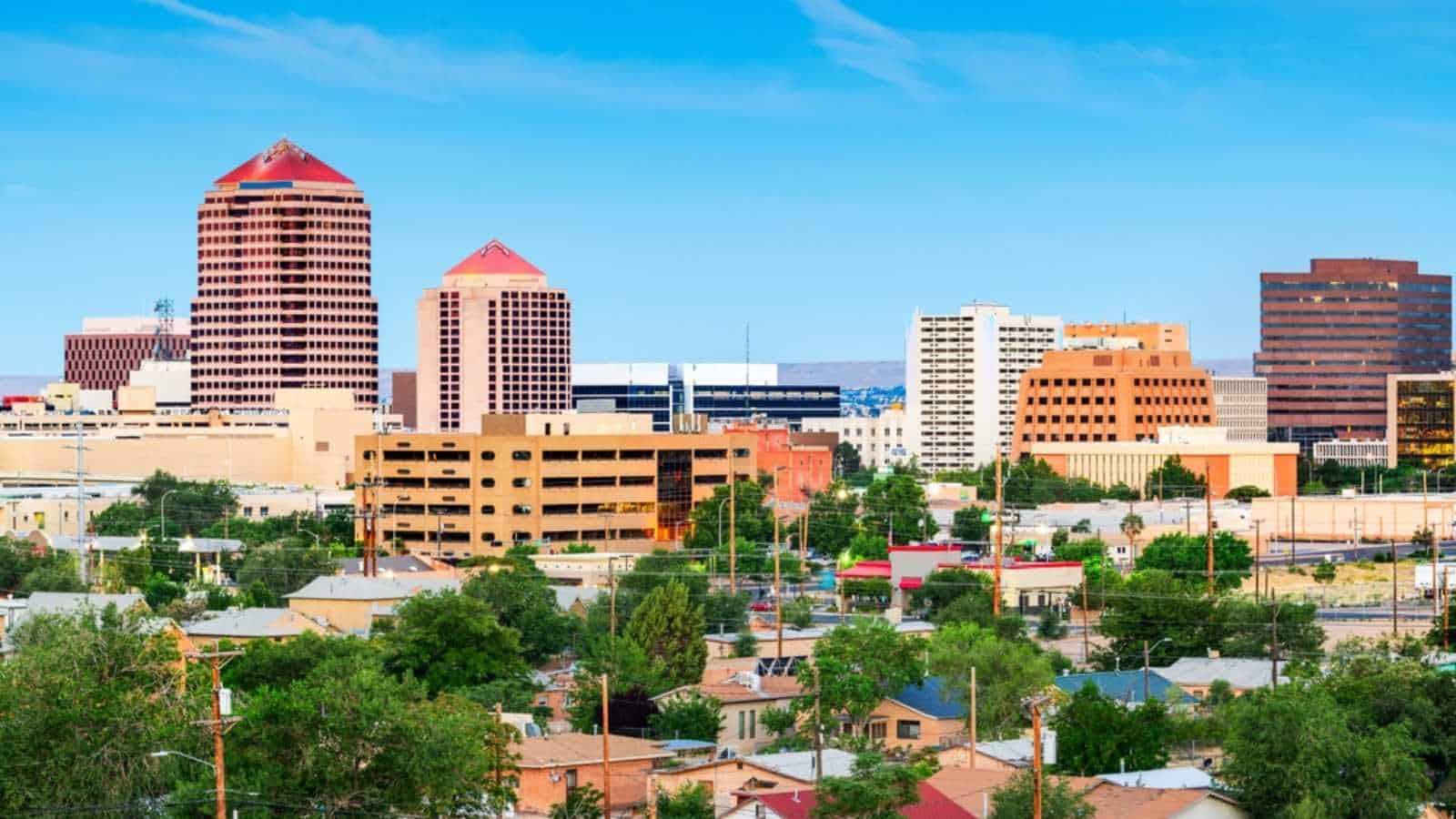
Census Bureau notes that New Mexico rounds out the list with an estimated 13,543 arrivals from Texas in 2024. The 2023 estimate reached 16,975, so the point estimate dropped by about 20%, the steepest decline among these 12 destinations. Even after that slide, New Mexico still drew more Texans than Tennessee, Missouri, Arkansas, Maryland, or Arizona.
The state offers an easy regional move for West Texans, especially those with family, work, education, or cultural connections across the border. New Mexico also offers mountain towns, desert landscapes, distinctive cuisine, art communities, and a slower pace in many areas. Dudley Poston, a Texas A&M sociology professor emeritus, gave the broadest explanation for Texas outflow: “The obvious and primary answer is size.” Texas simply has enough people to feed many migration routes at once.
Key takeaway

Texas does not face a mass exodus, even though roughly 483,500 residents moved to another state in 2024. California and Florida dominated the destinations, Oklahoma and Colorado formed the next tier, and Virginia recorded the strongest year-over-year percentage increase among the top 12. Together, these states attracted nearly three out of every five Texans who crossed a state line.
The list also shows that Texans do not follow one political, financial, or lifestyle formula. Some choose neighboring states, others chase major job centers, and plenty move closer to relatives, mountains, beaches, universities, or retirement communities. Before choosing your own destination, compare the full package: housing, employment, taxes, insurance, climate, family access, and how much you will miss decent breakfast tacos.
Disclaimer – This list is solely the author’s opinion based on research and publicly available information. It is not intended to be professional advice.
Like our content? Be sure to follow us