12 things every woman should know before joining the armed forces
When you look at a recruitment poster, you see a path to glory, but a 2022 Army Sexual Harassment Survey reveals a much darker reality for women in uniform. That year, reports of upsetting sexualized behaviors skyrocketed to 35%, a massive jump from just 15% in previous years.
Even more jarring is the fact that rape disclosures doubled to 4% in that same window. Yet, behind these climbing numbers, nearly 65% of survivors choose to stay silent. They aren’t just afraid of the trauma; they are afraid of a system that often fails to protect them.
Some female veterans have described the quiet, daily pressure of being a woman in a world where masculinity is the only gold standard. They talk about the “motherhood penalty” and the exhaustion of having to work twice as hard just to be seen as equal.
This article isn’t a plea to stay away from the service. It is a necessary look at the 12 honest truths that recruiters usually leave out of the conversation.
Higher Performance Standards
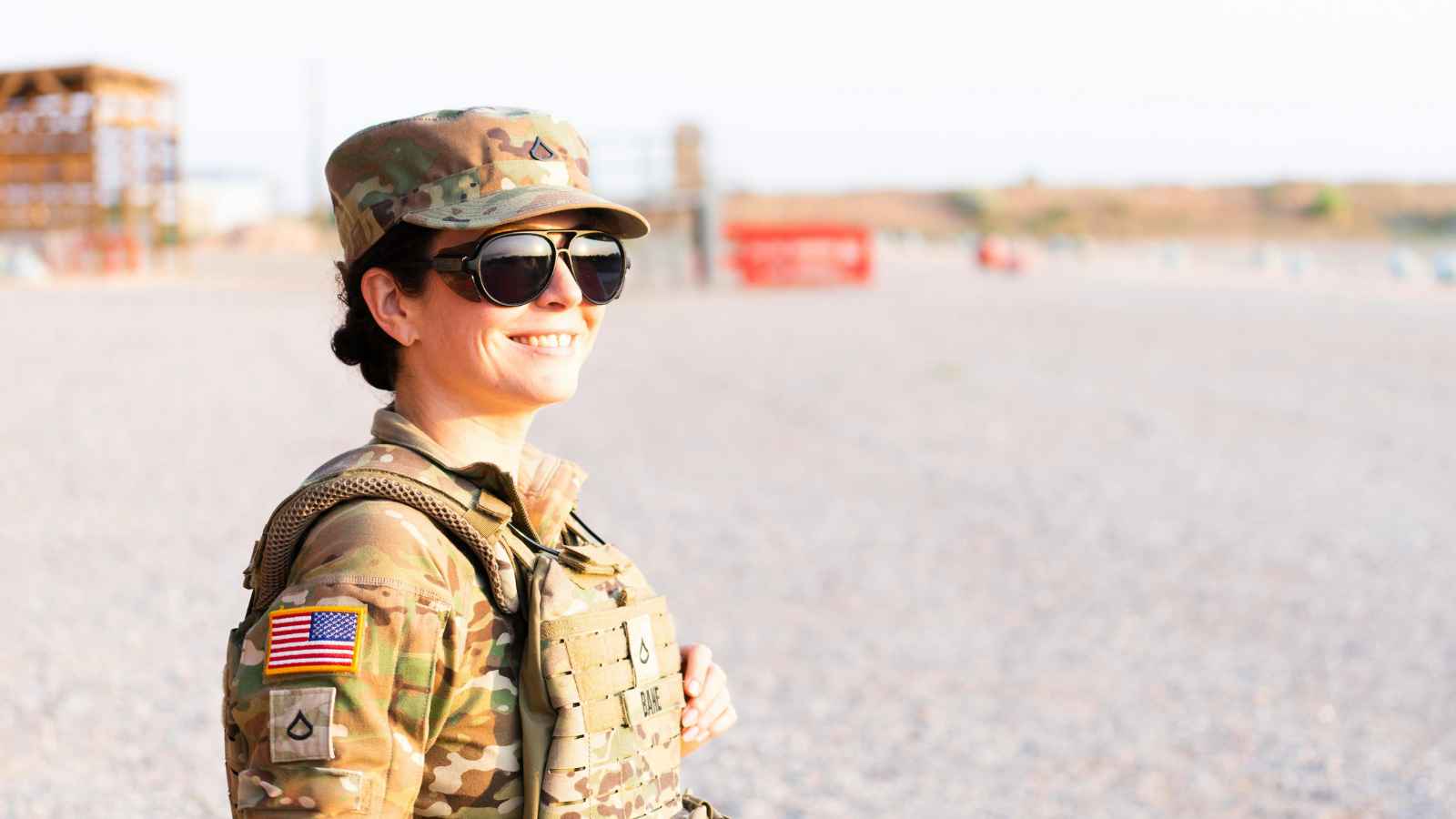
Military culture still treats masculinity as the default standard for competence and leadership. Research shows that women in combat are often forced to “prove” themselves far more than men.
You might feel intense pressure to become “one of the boys” just to gain basic respect. This often involves cutting your hair short, adopting masculine mannerisms, and suppressing your personality. It is a constant social test that never truly ends.
The “honorary man” label is incredibly fragile and can be revoked at any moment. If you make one mistake on a training exercise, it is often blamed on your gender rather than a bad day.
Men are allowed to fail and stay “one of the guys,” but your acceptance is often tied to perfection. You have to work harder to show that you belong there based on merit. This creates a heavy emotional burden that lingers long after you take off the uniform.
Limited Career Advancement

The military structure favors the “ideal worker” who has no family duties or outside commitments. This leads to a systemic “motherhood penalty” that derails the careers of many ambitious women.
A scoping review of data from 2010 to 2022 found that 24% of women leave the workforce in the first year after childbirth. In the military, the “double shift” of home and high-stakes service is even more punishing. Mothers are often viewed as less committed to the mission than their male peers.
You will likely face “role incongruity,” where motherly traits like warmth are seen as the opposite of leadership. If you prioritize your career, you risk being labeled a “bad mother” by society.
If you prioritize your child, you risk being passed over for key promotions and deployments. This “maternal wall” discrimination causes real delays in salary growth and rank. It is a structural trap that forces women to choose between family and a career.
Gender-Based Exclusion
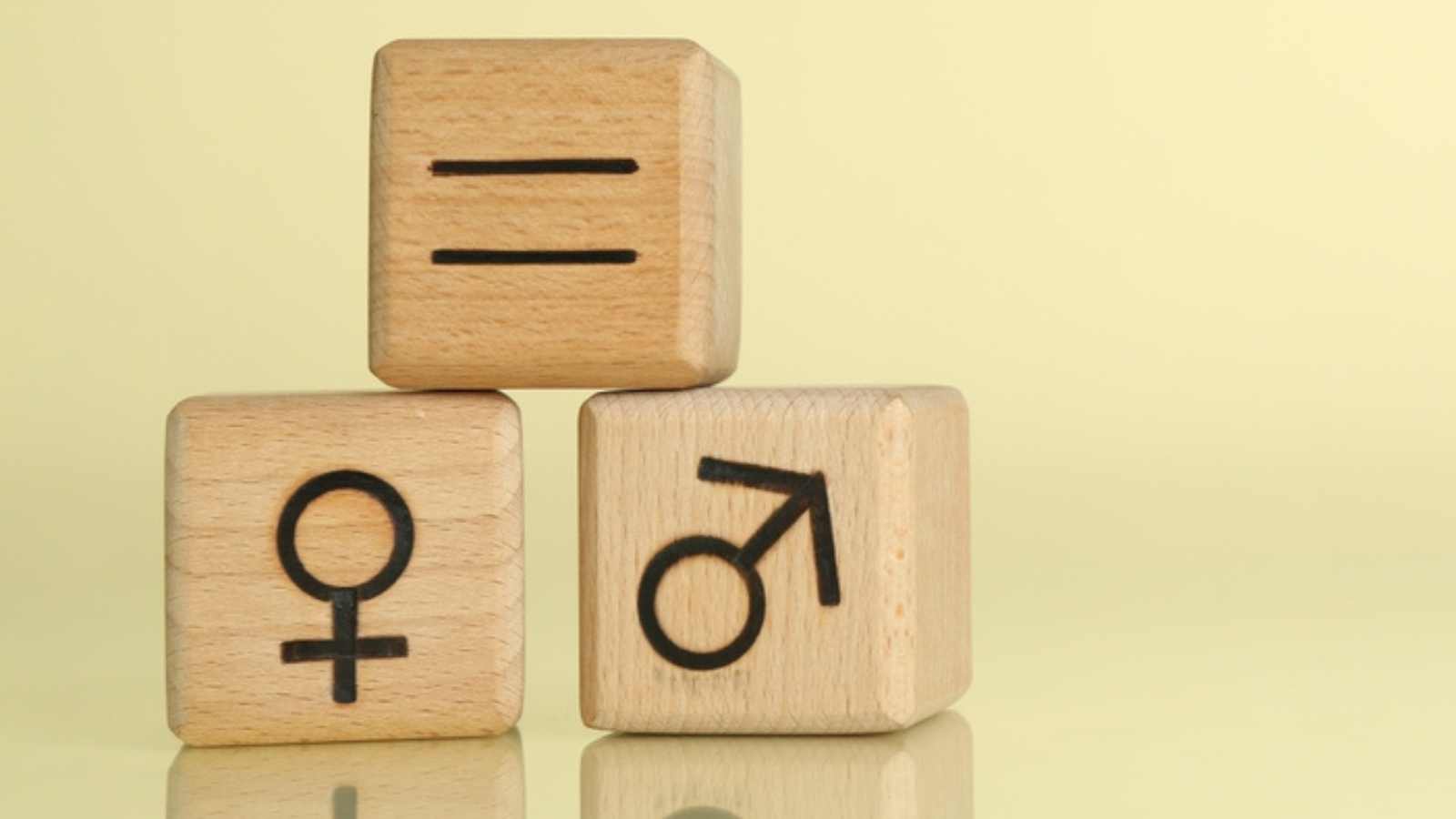
Despite recent progress, the Nigerian Armed Forces and many others remain deeply patriarchal institutions. As of 2017, women made up less than 6% of the forces, with even fewer in actual combat.
Socio-cultural norms still suggest that war is too “brutal” for women, which leads to subtle exclusion. You might find yourself steered toward nurturing or support roles against your will. This occupational segregation keeps women in lower-status positions with less influence.
Gender and social role theories explain how these biases are built into the very foundation of the service. Cultural and religious beliefs often concentrate men in high-risk, high-reward positions.
Women face structural barriers that limit their access to the most prestigious training programs. Even when policies change on paper, the “glass ceiling” remains very much intact. You will be fighting an uphill battle against centuries of male dominance.
Sexual Harassment Risks

The danger for women in the military often comes from within their own ranks. Beyond the 35% harassment rate, the 2022 data shows a sharp rise in “upsetting targeted sexualized behaviors.”
Other ranks, or enlisted personnel, are disproportionately affected compared to officers. Overwhelmingly, the suspects in these incidents are male colleagues or superiors. This creates an environment where you may feel unsafe in your own unit.
Many women avoid formal reporting because they believe “nothing would be done.” Data from AFCAS 2020 found that over 90% of victims do not file an official complaint.
They fear that speaking up will cause “career harm” or lead to social ostracization. The culture of “banter” often masks serious sexism and harassment as harmless jokes. It is a high-risk environment where the safety of women is rarely the top priority.
Mental Health Strains
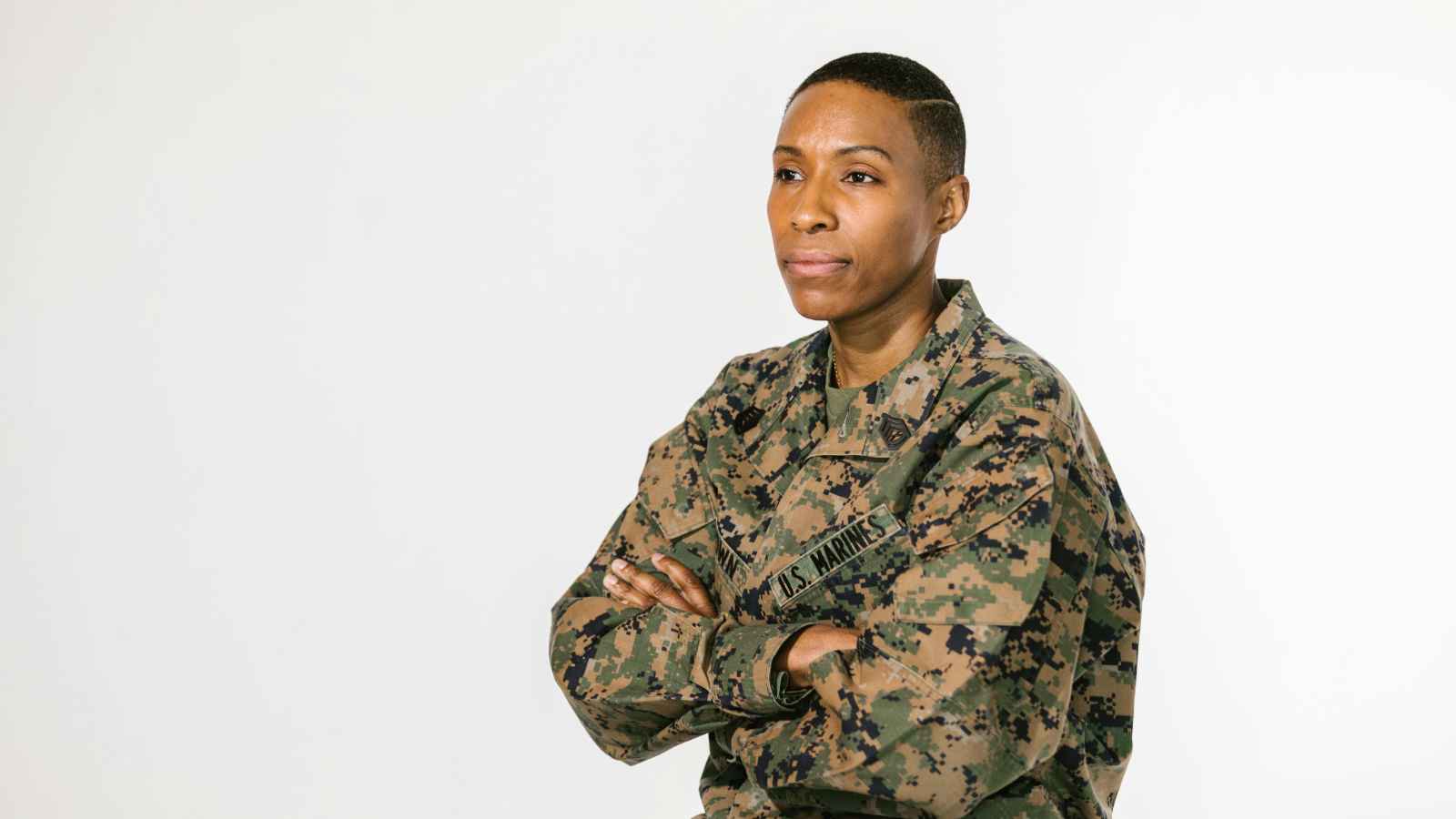
Military training is designed to make you a “bad patient” by fostering extreme self-reliance. You are taught that admitting vulnerability is a sign of being a “weak link” in the chain.
This leads many women to hide symptoms of anxiety or depression for years. They fear that seeking help will lead to being “downgraded” or medically discharged. The stigma surrounding mental health is a major barrier to getting necessary support.
The “total institution” of the military controls every aspect of your life, from your housing to your social circle. This 24/7 immersion can make it impossible to escape a toxic or stressful environment.
Many use cheap alcohol as a coping mechanism for the stress of deployment or training. When you finally transition to civilian life, the loss of this structure can be devastating. Breaking these attachments often uncovers mental health issues that were suppressed for a long time.
Financial Vulnerabilities
Joining the service is often marketed as a path to financial freedom, but the reality is complex. Women veterans face a higher risk of poverty compared to their male counterparts.
Data from June 2025 show female veteran unemployment at 4.4%, higher than the male rate. Many women leave the service with chronic pain or PTSD that limits their ability to work. These service-connected disabilities create significant gaps in long-term employability.
Housing costs also hit female veterans harder, with many spending over 50% of their income on rent. Fixed disability benefits often fail to keep up with the rising cost of living in major cities.
1 in 4 post-9/11 veterans report being food insecure, according to a 2023 study. Younger veterans are especially at risk as they navigate the transition from discharge to a new career. The financial “safety net” of the military can disappear very quickly once you are out.
Proving Physical Capability

There is a long-standing myth that women are physically incapable of meeting combat standards. However, research shows that pioneering women in Ranger and Infantry training match male standards when properly trained.
You have an “estrogen advantage” that can provide better metabolic resilience and mental endurance. Women who succeed are often larger and stronger than the average female recruit. It isn’t about being a man, but meeting a sex-neutral standard through science.
Injury prevention is the biggest physical challenge you will likely face. Stress fractures are a major risk if your training doesn’t account for female biomechanics.
Using equipment that fits your body, like specialized body armor, is essential for performance. With the right gear and science-based conditioning, you can thrive physically. The truth is that women’s capabilities are still evolving and being redefined every day.
Professionalism Demands

Navigating a “hypermasculine” organization requires a massive amount of emotional labor. A study of female leaders in Nigeria found that many felt they had to work “twice as hard” to be accepted.
You will likely experience “emotional dissonance” as you suppress frustration to handle daily bias. Male-dominated spaces often normalize rigid gender roles as “just the way things are.” This makes it hard to challenge unfair treatment without being seen as a problem.
Success in these spaces often comes from adopting coping strategies rather than relying on formal fairness. You may find yourself downplaying your femininity just to survive professionally.
The battle isn’t just about doing the job; it’s about surviving the stereotypes. This constant need to manage how others see you is mentally draining. You must be prepared for the emotional pressure of being one of the few women in the room.
Need for Mentors

You should never try to navigate the complexities of the military alone. Structured female mentorship programs, like the one at the 369th Adjutant General Battalion, are essential.
These programs address specific needs that the standard chain of command often ignores. A good mentor helps you build tactical skills while also teaching you how to spot “predators.” They provide a safe space to discuss work-life balance and family management.
Early integration into these mentorship networks can empower you to reach your full potential. These relationships foster a multidirectional learning environment that builds real confidence.
Mentors can guide you through the process of reporting harassment or applying for promotions. Without a mentor, you are left to learn the “unwritten rules” of the military by trial and error. Finding a trusted female leader should be your first priority after enlistment.
Reporting Retaliation

Reporting a crime in the military often feels like a lose-lose situation. The “justice gap” means that cases of sexual assault drop sharply between the report and the conviction. In 2021, only six convictions came out of 25 rape cases at court martial, according to the Center for Military and Justice, UK.
Many women perceive the system as institutionally hostile toward survivors. They fear that reporting will lead to their memory and behavior being attacked in court.
Rape myths and gender stereotypes still heavily influence the decisions of police and prosecutors. Factors like alcohol use or your sexual history are often used to dismiss your credibility.
This systemic distrust is why so many cases are globally underreported. Even when a report is made, the adversarial legal process can be deeply re-traumatizing. You need to understand that the system is often stacked against the survivor.
Intense Training Realities
Military training is a form of psychological conditioning designed to rewire your brain. It aims to suppress your natural aversion to killing and replace it with militaristic responses. This process involves the systematic erasure of your individuality through uniformity in appearance and behavior.
You are conditioned to follow orders without question, with physical punishment used as a tool of control. This “identity erasure” can create a profound disconnect from the civilian world.
Recruits who join at 16 or 17 are particularly vulnerable to this intense conditioning. They are more likely to be influenced by glamorized ads before they have the maturity to understand the costs.
Data shows that those who enlist early are more likely to be deployed in dangerous frontline roles. The psychological damage from this reprogramming can lead to long-term depression. Training isn’t just about fitness; it is about fundamentally changing who you are.
Unequal Recognition
Gendered stereotypes create a “glass ceiling” that can undermine your entire career progression. In the Marine Corps, research shows that women are often doubted before they even speak.
You may find yourself tokenized as a “sexual object” or a “protected person” rather than a colleague. This forces many women to act more masculine just to be seen as “good enough.” It is a double standard that men in the service rarely have to face.
Displaying too much aggression can get you labeled a “bitch,” while showing “warmth” makes you seem incompetent. This “pariah femininity” leads to ostracization and harassment from male peers.
Many women downplay their feminine traits entirely just for professional survival. This impacts your self-efficacy and your sense of belonging within the “brotherhood.” Recognition is a currency that is rarely distributed fairly across gender lines.
Key Takeaways
- The 35% Risk: Sexual harassment is a documented systemic danger that requires a personal safety and support plan.
- The Merit Myth: Expect to work significantly harder than male peers to earn the same level of trust and recognition.
- Motherhood Penalty: Rigid military hierarchies often punish women for family commitments in ways they do not punish men.
- Psychological Rewiring: Training is designed to erase your individuality, making the return to civilian life very difficult.
- The Mentor Gap: Finding an experienced female mentor is the single most effective way to navigate a hypermasculine culture safely.
Disclaimer – This list is solely the author’s opinion based on research and publicly available information. It is not intended to be professional advice.
Like our content? Be sure to follow us.