12 things science and religion actually agree on
The supposed war between faith and reason looks very different when you notice how often they quietly arrive at the same truth.
For centuries, we have been sold a story that faith and logic are bitter enemies fighting for custody of the truth. It often feels like you have to pick a side in a messy divorce, choosing between a lab coat and a prayer book.
But if you look closer, that narrative falls apart faster than a cheap suit, revealing a history full of handshakes rather than fistfights. You might be surprised to find that some of history’s biggest breakthroughs happened when these two sides decided to play nice.
The Priest Who Discovered The Big Bang
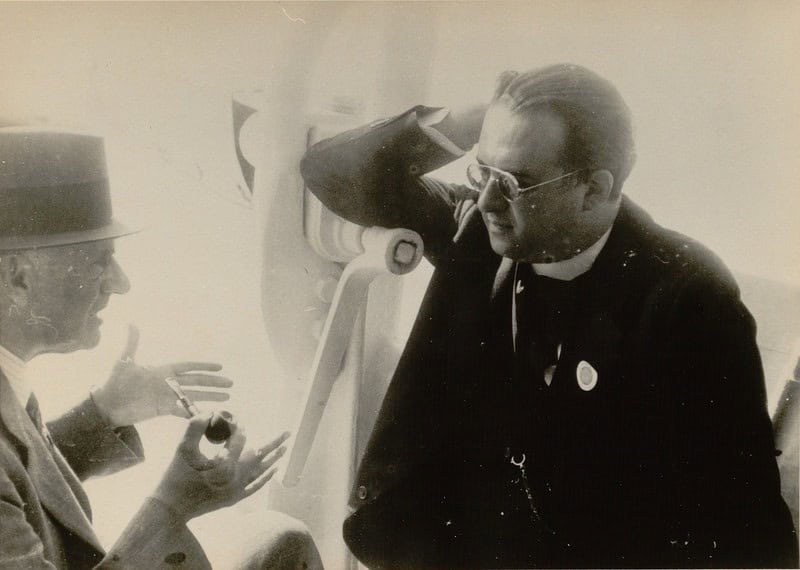
Most folks assume the Big Bang Theory was cooked up by a staunch atheist trying to disprove a creator, but it was actually the work of a Belgian Catholic priest named Georges Lemaître. He looked at the expanding universe and realized it must have started from a single point, an idea that sounded suspiciously like “let there be light” to many of his peers.
Einstein initially scoffed at the physics, but he eventually stood up and applauded Lemaître’s theory at a conference in California. It serves as a classic reminder that the origins of the cosmos are a puzzle both physicists and theologians are trying to solve.
Genetics Born In A Monastery Garden
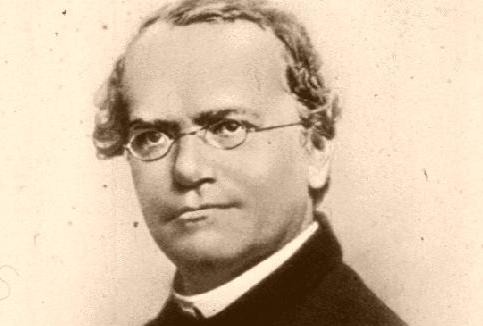
Gregor Mendel is the father of modern genetics, but he was also an Augustinian friar who spent his days tending to pea plants in what corresponds to the modern Czech Republic. He didn’t see his scientific curiosity as a distraction from his faith but rather as a way to admire the intricate design of creation.
His careful counting of wrinkled and smooth peas laid the groundwork for everything we know about DNA today. It took years for the scientific community to catch up, but a man of the cloth beat them to the punch.
Ancient Texts Predicting Germ Theory

Long before we had microscopes or hand sanitizer, ancient religious texts were laying down surprisingly accurate rules about hygiene and quarantine. The book of Leviticus, for instance, mandates isolating people with skin diseases and avoiding dead bodies, which effectively stopped the spread of infection.
While they framed it as ritual impurity, the practical result was a prehistoric version of the CDC guidelines. It turns out that washing your hands is good for both the soul and the immune system.
The Mental Health Boost Of Faith

Psychologists and sociologists are increasingly finding that belonging to a religious community offers a serious buffer against depression and anxiety. A 2023 Gallup poll found that Americans who attend religious services weekly report significantly higher emotional well-being indices than those who do not.
Science is finally putting data behind the idea that having a spiritual anchor can keep you steady when life gets stormy. It is not just about dogma; it is about the distinct human need for connection and purpose.
Fasting For The Body And Spirit

Religious groups have practiced fasting for millennia to focus the mind, but modern biology has recently jumped on the bandwagon with intermittent fasting. The MDPI reported that intermittent fasting was the most popular specific diet among Americans, with many citing health benefits like lower inflammation.
What monks have done for spiritual clarity is now being prescribed by nutritionists for better blood sugar control. It is a moment where the lab results perfectly match the ancient wisdom of the desert fathers.
The Vatican Observatory

You might think the church would avoid telescopes after the whole Galileo fiasco, but the Vatican actually owns and operates a massive observatory in Arizona. They actively hire Jesuit astronomers to study everything from meteorites to quantum gravity.
This collaboration proves that the search for extraterrestrial life and the search for God can happen through the same lens. They literally watch the heavens, waiting for answers from the stars.
Meditation Changing The Brain

Buddhist monks have claimed for ages that meditation changes who you are, and neuroscientists now have the MRI scans to prove it. According to a 2022 NCHS data brief, the use of meditation among U.S. adults has more than tripled since 2012, aligning with findings that it physically alters brain structure.
Regular mindfulness practice can shrink the amygdala, the part of the brain responsible for fear and stress. Science basically looked at ancient contemplative practices and said, “You know what? This actually works.”
The Anthropic Principle
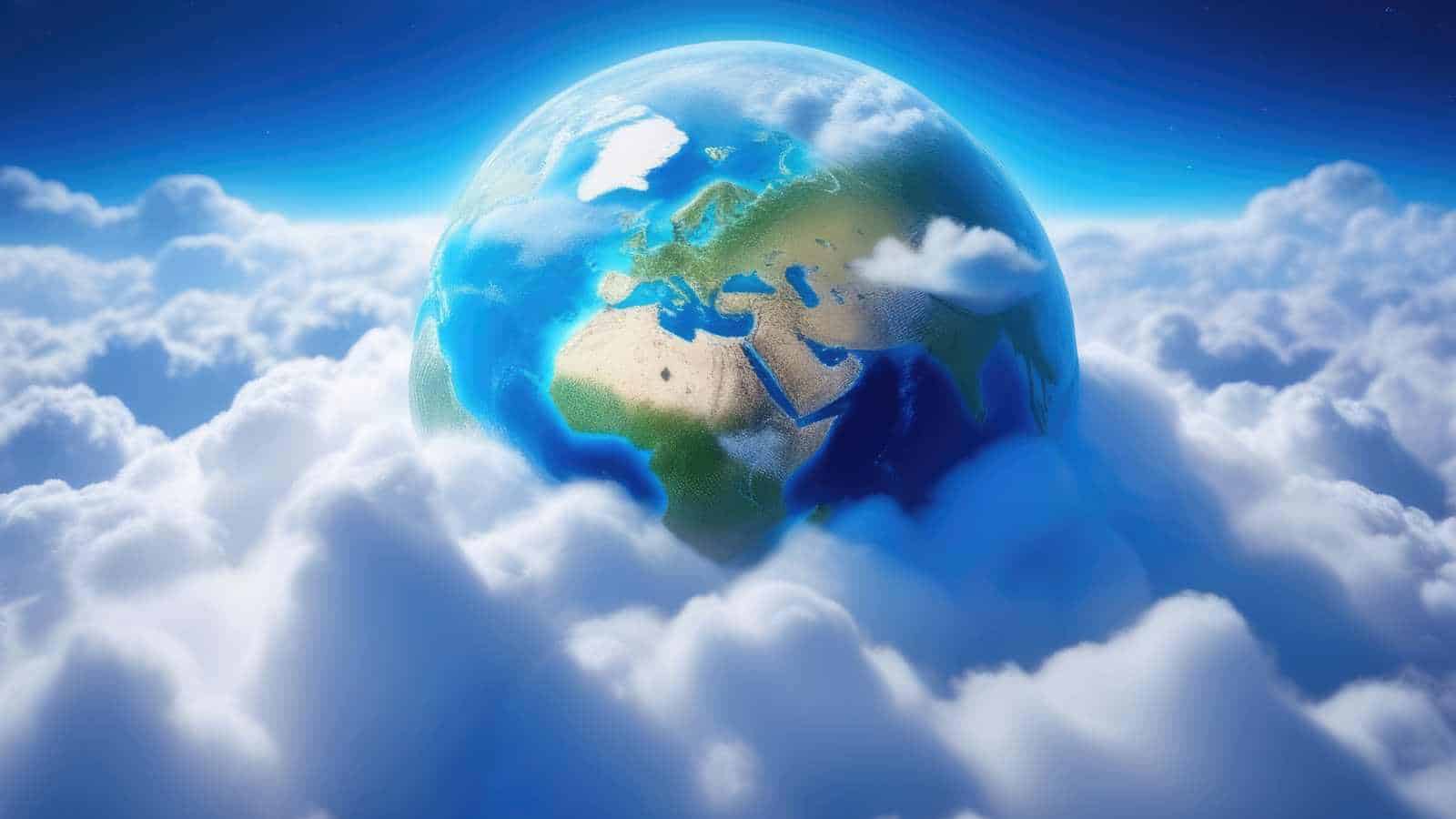
Physicists have noticed that the universe seems incredibly fine-tuned for life to exist, almost as if someone fiddled with the knobs to get the settings just right. If the force of gravity were slightly stronger or weaker, stars wouldn’t form, and we wouldn’t be here to argue about it.
This observation, known as the Anthropic Principle, has led many secular scientists to sound a lot like theologians when they describe the cosmos. It is a rare moment where the math points to something that looks a lot like intention.
Stewardship Of The Planet
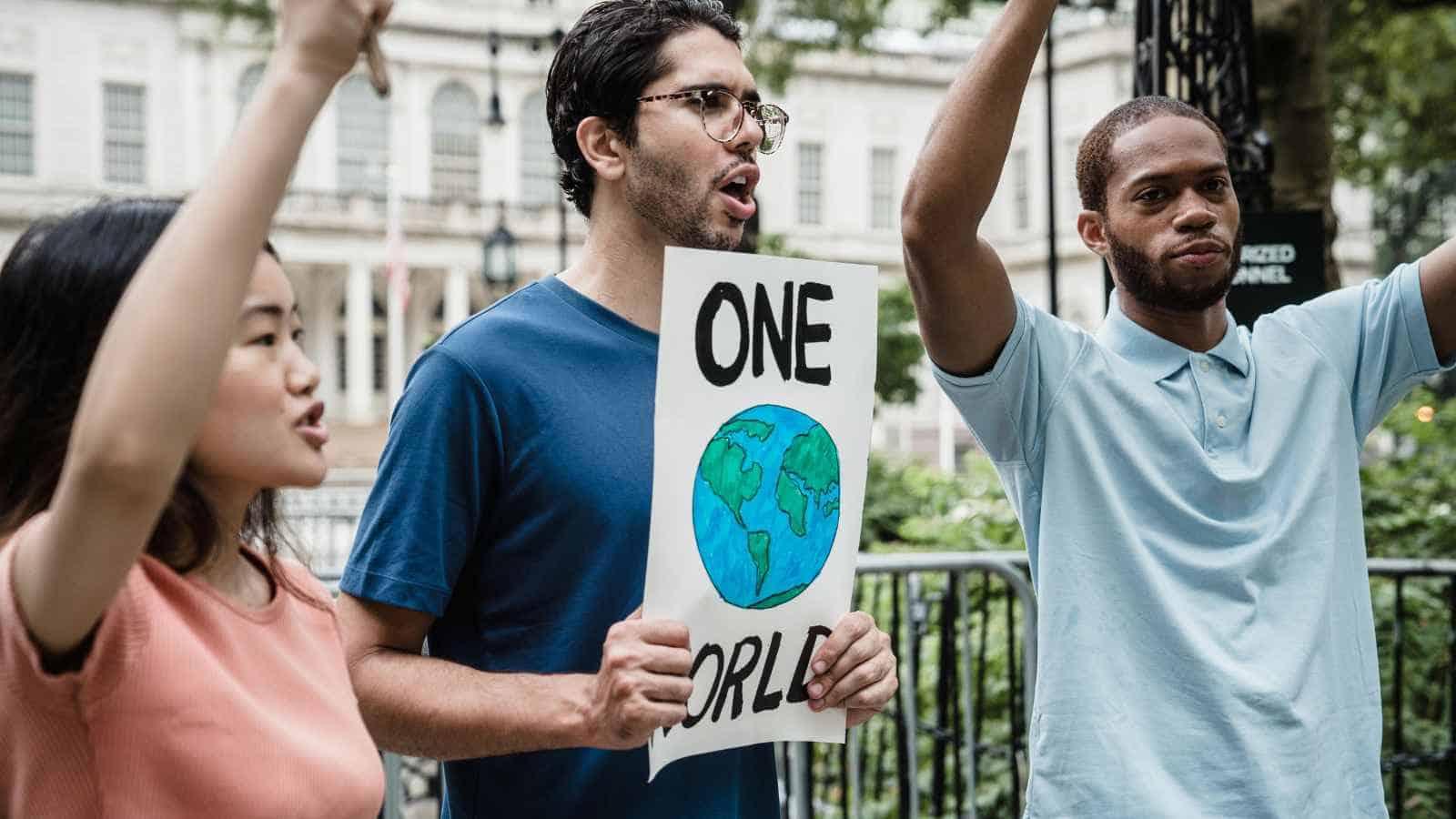
For a long time, environmentalism and religion seemed to run in different circles, but that has shifted dramatically in recent years. A Pew Research study highlights that 66% of Americans believe God gave humans a duty to protect and care for the earth.
Biologists fighting for conservation and religious leaders preaching stewardship are finding themselves on the same team. Saving the whales and saving creation have merged into a single, urgent goal.
The Power Of Charity

Evolutionary biologists argue that altruism helps the species survive, while religions teach that charity is a path to holiness. The numbers back up the impact of this shared value; according to the NPF report, religious organizations received the largest share of charitable donations in 2024 at 23%.
Whether you call it an evolutionary survival strategy or divine love, the act of giving away resources binds society together. Both sides agree that selfishness is a dead end for humanity.
The Finite Beginning Of Time
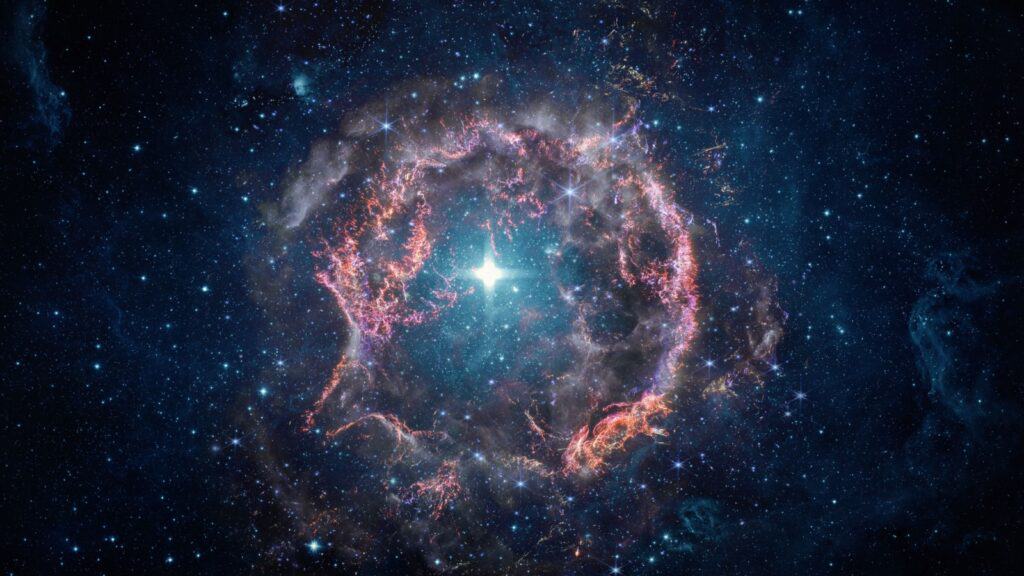
For a long time, steady-state theorists argued that the universe had always existed, which clashed with the religious idea of a specific creation moment. When evidence for the Big Bang became undeniable, science effectively agreed that time itself had a starting line.
This shift brought the scientific timeline much closer to the “in the beginning” concept found in Genesis. It was an awkward but validating moment where the equations finally pointed to a genesis event.
Belief In Coexistence

Despite the noisy debates on cable news, most people on the ground do not actually see science and faith as mortal enemies. A Pew Research Center study found that 47% of the general public believes science and religion can work together.
This statistic is a breath of fresh air, suggesting that the “war” is mostly happening in headlines rather than in our homes. It seems most of us are happy to let the chaplain and the chemist sit at the same table.
Like our content? Be sure to follow us