12 Things to Avoid Doing in the United States
Planning to visit the United States or maybe even move there? Congratulations! But here’s the thing, Americans are an interesting bunch. They’re friendly, yes, but sometimes their customs and habits might make you scratch your head.
For example, a Pew Research study shows that 59% of Americans find discussions about politics stressful, particularly at family gatherings or casual social gatherings. So, if you’re planning to visit or move to the U.S., there’s a lot more to getting it right than just showing up.
And while you might have heard all about the big cultural differences (think: the “American Dream” and “the land of opportunity”), there are plenty of subtle yet essential norms that can easily make or break your experience here.
If you’re here for business, study, or leisure, blending in with the locals means understanding the unspoken rules. Things like tipping appropriately, respecting personal space, and, yes, avoiding politics unless you’re prepared for a fiery debate. So, let’s take a look at the top 12 things you definitely shouldn’t do in the U.S., if you want to blend in like a pro and avoid any cultural faux pas.
Disrespecting Personal Space

Let’s talk personal space, Americans love theirs. If you’re too close, people may feel uncomfortable, and you’ll probably get a polite but firm step backward. If you’re in a crowded subway or a simple coffee line, giving people space is just a basic courtesy.
The key here is to be mindful of how much distance you maintain. In most situations, especially in cities like New York or Los Angeles, standing too close to someone can make you seem overbearing. So, when in doubt, leave a little extra room—especially when it comes to queues or elevators. A bit of space goes a long way in making everyone feel at ease.
Tipping Poorly

In the U.S., tipping isn’t just about appreciation; it’s often an essential part of a service worker’s income. A report from the National Employment Law Project found that, for wait staff, tips account for approximately 58.5% of their total earnings. This means that when you go out to eat, your tip is not only a thank-you for good service but also an essential part of helping your server pay the rent.
And don’t think that tipping only applies to restaurants. Bartenders, taxi drivers, hotel staff, and even hairdressers rely on tips to make a living. So, when in doubt, always tip—and remember, leaving less than 10% is seen as rude. If you’re not sure how much to tip, most U.S. cities will automatically add gratuity (usually 15-18%) to your bill for larger parties. It’s one less thing to worry about, but just know it’s expected.
Ignoring Local Laws
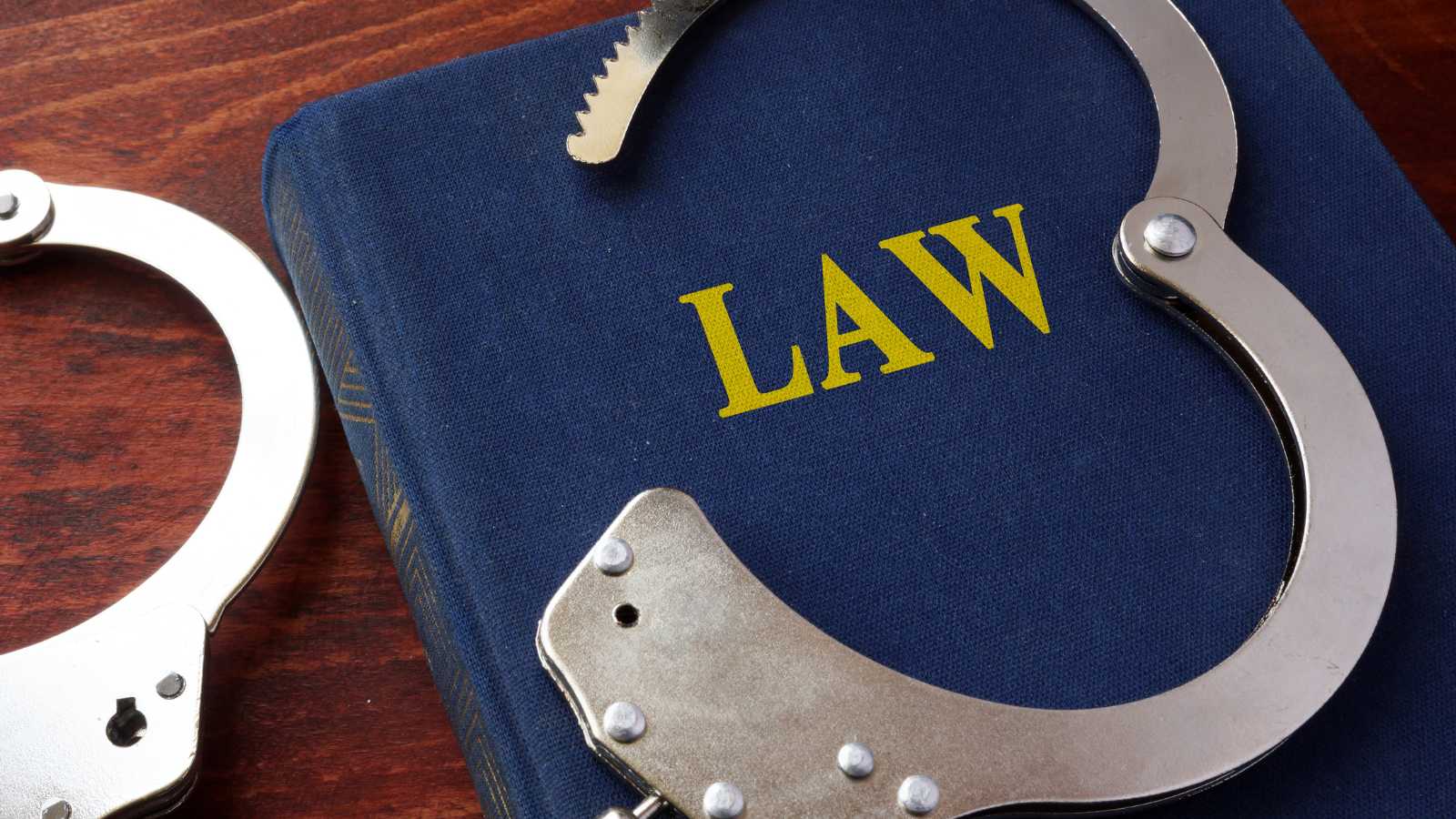
You might think that laws are pretty standard across the U.S., but that’s far from true. The U.S. is a massive country with varying regulations across each state. What’s legal in one state can be illegal in another. For example, while cannabis is legal in California and Colorado, it’s still illegal in Texas and many other states.
Ignoring these local laws can lead to hefty fines or even jail time, so it’s essential to do a quick check before you travel to different parts of the country. On top of that, everyday activities like jaywalking or even smoking in a non-designated area could get you into legal trouble. So, before you make assumptions, make sure you know the specific laws where you’re staying; what seems like a small mistake could end up being more serious than you expected.
Assuming All Americans Share the Same Views

One thing that can quickly get you into trouble is assuming that all Americans think alike. The U.S. is one of the most diverse countries in the world, with people from different cultural backgrounds, political beliefs, and religious practices. So, if you meet someone from Texas and assume they think the same way as someone from New York, you might be in for a surprise.
It’s essential to avoid generalizing about Americans based on one person or region. People in the U.S. have varied perspectives depending on where they’re from, their personal experiences, and even their upbringing. Rather than making assumptions, ask questions and listen to understand. The more open you are to learning about their point of view, the more you’ll be able to connect with people on a deeper level.
Talking Politics or Religion Too Much

Ah, politics and religion—the two topics that can turn a casual conversation into a full-blown debate. While Americans are open-minded and generally willing to discuss almost anything, you should tread carefully when bringing up politics or religion. A Pew Research study found that 59% of Americans find discussions about politics stressful, particularly at family gatherings or casual social gatherings.
This doesn’t mean you can’t talk about politics or religion in the U.S., but it’s best to avoid making sweeping statements or assuming others share your views. If you’re unsure about the topic, steer the conversation elsewhere until you gauge the other person’s comfort level. A good rule of thumb? Keep it light and neutral until you’re sure it’s an appropriate time for a deeper conversation.
Also on MSN: 15 American phrases that seem friendly but mean trouble
Using the “OK” Hand Gesture (In Certain Contexts)

The “OK” hand gesture, where your thumb and index finger form a circle, may seem like a harmless sign of approval, but in some parts of the U.S., it’s far from okay. While it’s generally understood as a positive gesture, in certain cultural contexts, it can be interpreted as an obscene gesture. The meaning of hand gestures varies widely around the world, and people often misinterpret them due to regional and cultural differences.
Before flashing the “OK” sign, consider the situation. If you’re in a more conservative area or at a formal event, it’s safer to stick with a thumbs-up or a simple nod. This small change can help you avoid awkwardness and keep your interactions respectful.
Being Late

Time is money in the U.S., and nothing says “disrespect” quite like showing up late. Be it for a job interview, a social gathering, or a professional appointment, punctuality is important. Arriving late sends the message that you don’t value the other person’s time, which can leave a lasting negative impression, especially in business settings.
But even beyond work, being on time matters. Americans place a high value on efficiency and organization, so showing up late can throw off plans and create unnecessary stress for everyone involved. To avoid this, it’s a good idea to plan ahead and leave extra time for potential delays. And if you do find yourself running behind, taking a moment to send a quick text or make a call to let others know will show that you respect their time, and they’ll certainly appreciate it.
Disregarding Traffic Laws

In the U.S., traffic laws are enforced with an intensity that might surprise you. If you’re driving on the highways of California or navigating the streets of New York City, ignoring traffic signals or speeding could result in serious fines or worse. In fact, the U.S. has one of the highest rates of traffic enforcement worldwide, with 79% of Americans reporting that they’ve witnessed someone breaking traffic laws in the past month, according to PRNewswire. So, if you’re planning on driving, make sure you’re familiar with the local laws.
Speeding, running red lights, or failing to yield to pedestrians can get you into trouble quickly. If you’re in a rental car, familiarize yourself with the specific rules of the area you’re visiting—because, while California may have relaxed rules for turning right at red lights, other states may not. And don’t get me started on parking violations—there’s nothing more terrifying than coming back to your car only to find a $200 ticket on your windshield.
Overstaying Your Visa
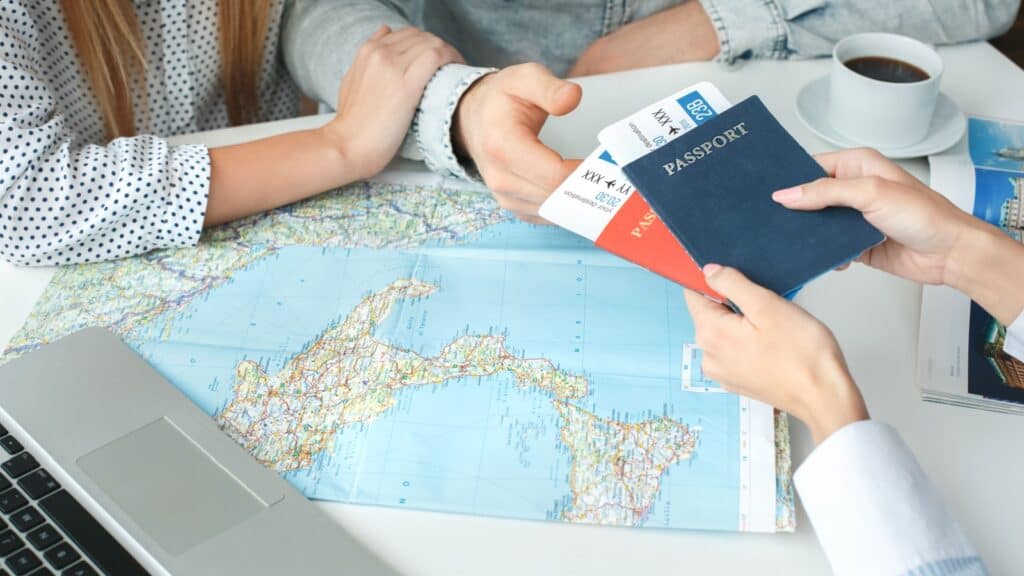
The U.S. is famous for its strict visa regulations, and overstaying your welcome is a fast track to serious problems. In fact, a report from the U.S. Department of Homeland Security showed that more than 500,000 people overstayed their visas in that year alone. Not only can overstaying result in fines, but it can also make it incredibly difficult to re-enter the U.S. in the future, or even result in deportation.
Be mindful of the dates on your visa and make sure you’re adhering to them. If you plan to extend your stay, it’s essential to apply for an extension before your current visa expires. Keep track of deadlines and stay up to date with any changes to immigration laws or travel restrictions, especially if you’re planning to stay long-term.
Talking Loudly in Public

In the U.S., being mindful of your volume is important, particularly in public spaces. Be it on public transportation, dining at a restaurant, or hanging out with friends, speaking too loudly can quickly draw unwanted attention.
To avoid standing out in a way you don’t want, try to keep your voice at a moderate level. This doesn’t mean you can’t have fun or show excitement—it just means being aware of your surroundings. A good rule of thumb? If you wouldn’t want someone overhearing your entire conversation from across the room, it’s probably time to lower the volume a bit.
Forgetting to Show Gratitude
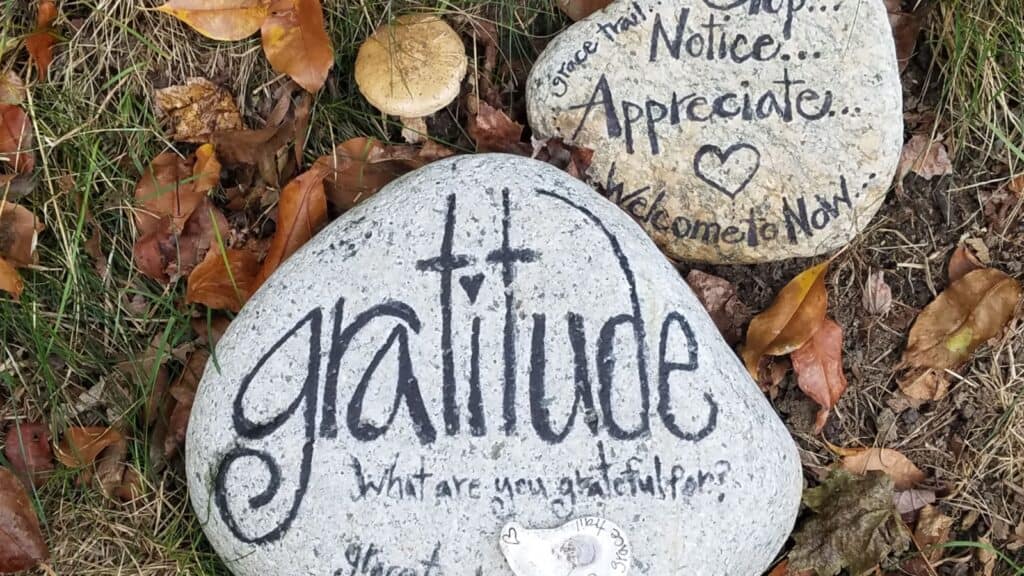
In the U.S., saying “thank you” isn’t just polite, it’s expected. Gratitude is directly linked to better physical health and a higher sense of well-being, CNN reports. Whether someone is holding the door open for you, handing you a coffee, or helping with directions, expressing gratitude is a small gesture that makes a significant impact. Forgetting to thank someone can come across as rude or even entitled.
In fact, not expressing gratitude can affect how people perceive you. It’s especially important to be gracious in more formal settings, such as job interviews, business meetings, or when interacting with service workers. A sincere “thank you” can go a long way in fostering positive relationships, both personally and professionally.
Assuming Everyone Celebrates Major Holidays

The U.S. celebrates a wide range of holidays, from Thanksgiving to the Fourth of July, but not everyone participates. According to a 2021 Pew Research report, 21% of Americans don’t celebrate Christmas due to various reasons, for example, It’s important not to assume that everyone is on the same page when it comes to celebrations, especially when it comes to personal or religious holidays.
If you’re not sure about someone’s holiday practices, ask them! Most people are more than happy to share their traditions with you, and it’s a great way to bond. Just don’t assume everyone celebrates Christmas or Hanukkah the same way you do.
Key Takeaways

When in the U.S., personal space is a big deal; people generally prefer to keep their arm’s length. So keep that in mind in crowded places.
Tipping is not just polite; it’s expected, especially in service industries where workers rely on tips to make a living.
Being on time is essential in American culture, either for work, social events, or even casual meetups; punctuality is often seen as a sign of respect. Also, avoid discussing sensitive topics like politics and religion unless you’re sure the conversation is welcome; things can get heated quickly.
In terms of behavior, don’t assume everyone celebrates the same holidays or shares the same views. The U.S. is diverse, and recognizing this cultural diversity will help you navigate interactions more smoothly. And lastly, it’s important to follow local laws, which can vary widely from state to state—what’s legal in one place could be a big no-no elsewhere. By staying aware of these norms, you’ll avoid awkward situations and fit right in. So go ahead—blend in like you’ve been living here for years!
Disclosure line: This article was developed with the assistance of AI and was subsequently reviewed, revised, and approved by our editorial team.
20 Odd American Traditions That Confuse the Rest of the World

20 Odd American Traditions That Confuse the Rest of the World
It’s no surprise that cultures worldwide have their own unique customs and traditions, but some of America’s most beloved habits can seem downright strange to outsiders.
Many American traditions may seem odd or even bizarre to people from other countries. Here are twenty of the strangest American traditions that confuse the rest of the world.
20 of the Worst American Tourist Attractions, Ranked in Order

20 of the Worst American Tourist Attractions, Ranked in Order
If you’ve found yourself here, it’s likely because you’re on a noble quest for the worst of the worst—the crème de la crème of the most underwhelming and downright disappointing tourist traps America offers. Maybe you’re looking to avoid common pitfalls, or perhaps just a connoisseur of the hilariously bad.
Whatever the reason, here is a list that’s sure to entertain, if not educate. Hold onto the hats and explore the ranking, in sequential order, of the 20 worst American tourist attractions.