12 things Warren Buffett would consider worth spending more money on
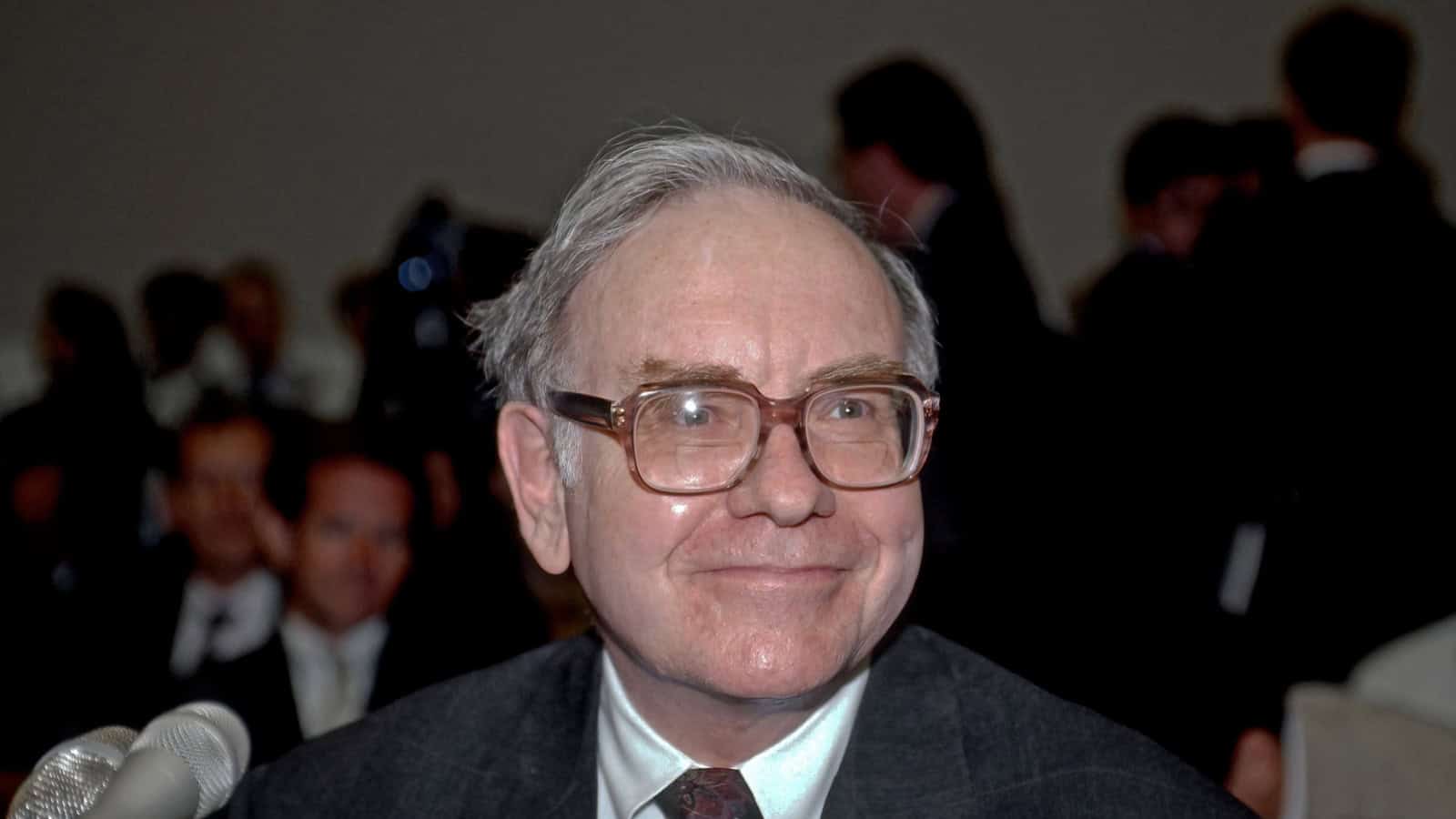
One of the richest investors in history has kept the same Omaha home since 1958. Warren Buffett paid $31,500 for it. In a 2025 note, he called it his first and only home. That choice says more about value than a row of cars built to show off.
That choice hits hard in 2026. The Census Bureau says median monthly costs for homeowners with a mortgage reached $2,035 in 2024. That was up 3.8% in one year.
Buffett left Berkshire Hathaway’s CEO post on Jan. 1, 2026, after 60 years at its helm. He is still its chair. This list applies his ideas to spending. It does not claim he backs all 12 buys.
A Great Business With Lasting Earning Power
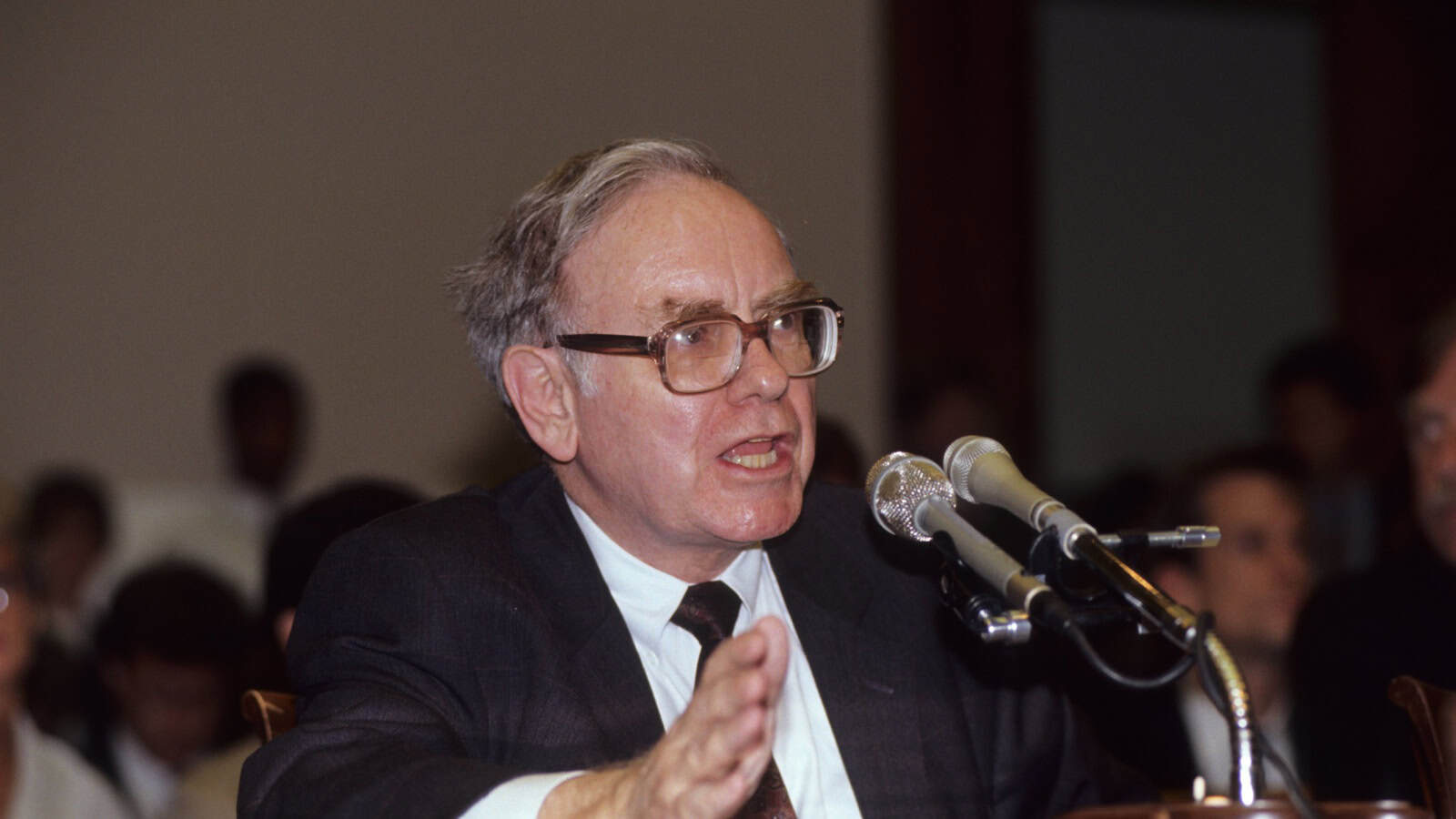
Buffett has never seen a low price as proof of a deal. Berkshire’s 2025 report shows why. Its per-share market value gained 19.7% a year from 1965 through 2025.
The S&P 500 returned 10.5% with dividends over that span. In his 1989 letter, Buffett wrote, “It’s far better to buy a wonderful company at a fair price than a fair company at a wonderful price.”
That rule still needs a price check. Berkshire posted $44.5 billion in operating earnings in 2025. It made $47.4 billion in 2024. Its five-year average was $37.5 billion. Strong cash flow, loyal buyers, sound managers, and low debt may be worth more. A prestigious name with weak earnings may not. Durable performance has lasting value. Brief hype still burns cash.
A Home That Serves Real Life for Years
Buffett said in Nov. 2025 that the Omaha house he bought in 1958 was his first and only home. Reuters says it cost $31,500. He found lasting comfort and stayed. That does not make ownership a universal rule.
Census data put the U.S. homeownership rate at 65.7% in late 2025. For many households, renting still provides greater flexibility and lower financial risk. A higher home price can make sense if it buys a sound roof, less flood or fire risk, or a shorter commute.
In 2024, owners with mortgages paid a median of $2,035 each month. They used 21.4% of household income for those costs. Take a made-up case. A family pays $15,000 more for a small house that needs a $20,000 roof. The extra cash buys ease, not space.
Preventive Care and Medical Help You Can Trust

Good health keeps every other asset productive. A 2025 CDC study found that 76.4% of U.S. adults had at least 1 of 12 chronic medical conditions in 2023. That represents roughly 194 million people. More than half, 51.4%, had 2 or more. This does not make each high-cost test wise. It does make skipped care a false form of thrift.
The CDC said in May 2026 that 90% of the nation’s $5.3 trillion health bill goes to people with chronic or mental health needs. It also says 1 in 4 adults has an untreated dental cavity.
Paying more may make sense for screenings, vaccines, dental care, prescribed medicine, and qualified advice. A high price never proves clinical value. Patients should ask what the care can change.
Education With a Clear Return

Education can compound for decades, but each credential’s price still matters. BLS data for 2024 put median weekly earnings at $1,543 for those with a bachelor’s degree. High school grads made $930. Their jobless rates were 2.5% and 4.2%.
Those are broad population averages. They cannot promise the same outcome for each school, field, or person.
Georgetown University found in 2025 that workers ages 25 to 54 with a bachelor’s degree made 70% more at the median than high school grads. Yet pay ran from $58,000 in education and public service to $98,000 in STEM fields.
Community college, a registered apprenticeship, or a state license may pass the value test. A high-cost school name with no clear gain may fail it.
Tools That Save Time and Prevent Mistakes

A dependable work tool can repay its higher purchase price. BLS data put 2024 median weekly earnings for full-time workers age 25 and older at $1,221. Across a 40-hour week, that is about $30.53 an hour.
Consider this clearly labeled fictional case. A freelance editor loses 8 billable hours each month to an unreliable computer. The lost time is worth about $244 before missed deadlines raise the cost.
Now judge the replacement through cost per useful month. A $1,200 computer kept for 48 months costs $25 per month before repairs. If it saves 4 work hours a month at the BLS-based rate, it protects about $122 in time. That arithmetic can support faster software, encrypted backups, or sturdy trade gear. Yet an add-on used zero times earns no praise.
Food That Supports Health Without Selling a Fantasy

Food deserves more than a simple cheap-versus-expensive rule. USDA data show U.S. consumers spent 9.7% of disposable personal income on food in 2025. Food at home took 4.8%. Meals out took 4.9%.
Paying more may fund food safety, a medical diet, or ingredients that will get eaten. It does not need a premium label.
Grocery prices rose 2.3% in 2025, below the 20-year norm of 2.6%, USDA says. Food away from home rose 3.8% in 2025. Egg prices still leaped 21.9% for the year. That uneven rise rewards a plain, flexible grocery basket.
Beans, oats, eggs, frozen vegetables, and store brands can build a sound diet at modest cost. Pay more when it helps health or cuts waste, not when a vague claim decorates the package.
Insurance Against a Loss Too Large to Carry

Much of Berkshire’s wealth grew through the property-and-casualty insurance business, which puts a fee on risk.
The Federal Reserve found that 59% of adults faced a major, unexpected expense in 2025. Car costs hit 30%. Home or appliance repairs hit 22%, and medical bills hit 21%. Insurance earns its price when one bad event could wipe out years of saved cash.
A flood shows the gap between a small fee and a huge loss. FEMA said in 2025 that 5 inches of water can cause more than $25,000 in damage. It warns that most home and renter policies do not cover floods.
Sound coverage guards against catastrophic hits: a lawsuit, lost work, fire, or flood. Duplicate plans or small add-ons can drain cash and leave the largest hole bare.
Shoes, Clothes, and Work Gear Built to Last

Buffett’s test puts cost per use above a logo. BLS says the average U.S. consumer unit, usually a household, spent $2,001 for clothes, shoes, and their care in 2024. That was 2.5% of its annual budget and 2% less than in 2023.
A higher price can work for boots, coats, uniforms, or safety gear worn each week. Closet trophies need a hard look. The math is plain. Boots that cost $160 and get 300 wears cost about 53 cents per use. Two $75 pairs that each last 100 wears cost 75 cents per use. Long life can cut waste too.
The EPA’s newest U.S. textile waste count is from 2018. It says 11.3 million tons went to landfills, and just 14.7% was recycled. Price proves no worth, so check seams, fit, repair options, and warranty terms.
Time and Contact With People Who Matter

Close ties can pay back in ways no stock screen can show. A 2023 report from the U.S. Surgeon General tied weak social bonds to a 29% higher risk of heart disease. It tied them to a 32% higher risk of stroke. Dr. Vivek H. Murthy wrote, “Our individual relationships are an untapped resource.” A train ride, meal, or free day may help guard that bond.
Pew found in 2025 that 74% of adults with a spouse or partner would turn to that person for emotional support. Friends drew 46%. Mental health professionals drew 19%.
Cash cannot buy trust, but it can reduce distance. A small visit may be worth more than a grand gift. Buffett worked with Charlie Munger for more than 60 years. A strong bond can outlast a pile of goods.
Simple Investing and Advice That Stops Costly Errors

Buffett has long favored low-cost index funds for many ordinary investors. In his 2013 letter, he directed a trustee to put 90% of specified cash in a low-cost S&P 500 fund.
The other 10% would go in short-term government bonds. He wrote, “My advice to the trustee could not be more simple.” That was a specific estate instruction, not a plan for each age and goal.
The SEC shows why cost matters. In its hypothetical example, a $100,000 portfolio grows 4% a year for 20 years. It ends near $208,000 with a 0.25% fee. A 1% fee leaves about $179,000, a gap of $29,000. Skilled tax, estate, or financial planning help may earn its price. A maze of fees and hard sales must prove that it solves a real need.
Experiences That Keep Paying in Memory
Americans devote real money to experiences, not just possessions. BLS says the average consumer unit spent $3,609 on entertainment in 2024. It spent $1,131 on public and other transportation. Those sums sat in a $78,535 yearly budget.
A class, show, trip, or family reunion may be worth more if it deepens a bond or marks a rare time in life. Across 8 studies published in 2016, Amit Kumar and Thomas Gilovich found that people gained more joy from stories about experiences than possessions.
Debt can spoil that gain. Federal Reserve data put the rate on credit-card accounts charged interest at 22.15% in the second quarter of 2026. A meaningful trip may pass Buffett’s test. One that leaves months of high-cost debt may not.
Anything That Grows More Useful With Time
Growth with time is more than a stock idea. In a hypothetical account, $100 put in each month and earning 7% a year would grow to about $122,000 after 30 years.
The saver would put in just $36,000. No investment can promise a 7% gain. Still, the math shows what time can do to small steps. Skills, health habits, trust, and good tools can grow in quieter ways.
Cash can also buy resilience. The Fed found in 2025 that 63% of adults could pay a $400 shock with cash or its equivalent. Just 35% of nonretirees felt their retirement savings were on track.
Ask 3 things before you pay more. Will the gain last for years? Will it cut a serious risk or repeat a mistake? Does it buy real use, or praise?
Key Takeaway
Buffett’s record favors lasting value. With 2024 housing costs at $2,035 a month and a $29,000 fee gap over 20 years, spend more on time, health, safety, skill, or trust that endures.
Disclaimer – This list is solely the author’s opinion based on research and publicly available information. It is not intended to be professional advice.
You May Also Like: 8 Things Americans Keep Wasting Money On
Like our content? Be sure to follow us