12 traits that make mean men pick you as their target
I bet you never thought your best qualities would actually act like a neon “Open” sign for the most toxic guys in the dating pool. It sounds like a bad joke, but stats show that nearly 48.4% of women and 48.8% of men in the U.S. report experiencing partner psychological aggression in their lifetime(The National Domestic Violence Hotline). We often think these “mean men”, or, as pros like Dr. Ramani Durvasula call them, antagonistic personalities, hunt for weak people, but the data actually suggests the opposite.
These guys often scout for the highest-value targets they can find because they want to consume your light, not your darkness. Ever wondered why your friends always call you the “nice one” but your dating history looks like a psychiatric case study? I’ve been there myself, wondering why my empathy felt like a magnet for guys who treat emotions like a competitive sport.
Experts like Shahida Arabi point out that narcissists and manipulators don’t choose us because we are like them; they choose us because we possess traits they lack, like emotional intelligence and authentic confidence. FYI, the National Domestic Violence Hotline reports that over 12 million people experience intimate partner violence every year. Here are 12 traits that make mean men target you.
History of Trauma or Abuse

A woman’s early pain can shape how her nervous system interprets relationships for decades. Work by psychiatrist Bessel van der Kolk in The Body Keeps the Score explains how traumatic experiences leave physiological traces that influence emotional regulation.
Attachment research going back to Mary Ainsworth shows that inconsistent caregiving correlates with patterns of anxiety and tolerance for relational distress later in life.
Women with histories of harm often override instinctive alarm signals because their bodies learned that discomfort did not lead to safety. Trauma researchers differentiate between physiological adaptation and conscious choice, emphasizing that past pain shapes perception long before reasoning begins. When early care was inconsistent or punitive, adults may unconsciously accept behaviors that echo that past, even when they cause harm.
High Empathy and Compassion

High affective empathy can create a profound attunement to others’ pain, rooted in early relational experiences and socialization. Studies by Simon Baron‑Cohen explore how high empathy correlates with emotional responsiveness rather than cold judgment. Women with strong compassion often prioritize others’ emotional needs without first evaluating personal cost.
This deeply relational orientation can make them attractive to men who misinterpret empathy as compliance rather than insight. Individuals with high empathy are more likely to absorb emotional turbulence in relationships. Compassionate people often invest effort in understanding their partners’ inner states, sometimes at the expense of tracking relational reciprocity.
Mean or exploitative men can unconsciously detect this attunement and respond in ways that keep emotional engagement high. Emotional depth and relational resilience are not the same thing. Depth does not guard against harm on its own, but it sensitizes women to others’ emotional worlds in profound and meaningful ways.
Low Self‑Esteem

Attachment scholars such as Cindy Hazan and Phillip Shaver find that insecure self‑views predict increased tolerance for negative partner behaviors. People with lower self‑worth often look to partners for validation because it fills internal gaps left unaddressed by the wider world.
The sociometer concept, developed by Mark Leary and colleagues, describes self‑esteem as a gauge of social inclusion and acceptance rather than a fixed trait. When relational feedback becomes central to a woman’s self‑perception, negative behaviors can be rationalized or minimized. This dynamic can prolong exposure to aggressive or manipulative relational patterns.
Women who have internalized devaluation often respond strongly to intermittent praise, making cycles of affection and criticism particularly compelling.
Attachment Anxiety

Women with this pattern often experience relational cues with emotional urgency, perceiving fluctuations in partner behavior as threats to connection. Attachment anxiety correlates with longer persistence in conflicted relationships. High attachment anxiety may tolerate relational volatility because consistency was not historically stable.
This does not predispose women to harmful relationships by character, but rather by pattern recognition shaped by repeated experience. Anxiously attached individuals often interpret relational silence or withdrawal as rejection, which can amplify their efforts to engage.
This heightened sensitivity may attract partners who unconsciously read their behavioral reactivity as relational investment. These processes unfold below conscious awareness, grounded in relational learning rather than moral judgment.
History of Codependent or Addictive Patterns

The Meadows model of codependency, such as those articulated by Pia Mellody, frames these patterns as learned relational responses to unpredictable caregiving.
Behavioral psychology, particularly the work of B.F. Skinner’s work on intermittent reinforcement shows that unpredictable reward schedules lead to strong associative learning. In human relationships, alternating affirmation and withdrawal can activate the same reward circuitry implicated in substance addiction. These patterns feel compelling because they intensify emotional salience and produce powerful memory associations.
This does not mean every woman with a complex relational history is destined to be harmed, but it does clarify why volatility can feel familiar and engaging. Codependent patterns reflect relational learning, not personality defects. Understanding the mechanisms of relational reinforcement clarifies why emotionally intense cycles feel difficult to leave.
Isolation or Weak Social Network

A robust social network provides reference points for emotional reality and accountability that individual relationships cannot replicate. Women whose primary source of social connection is a romantic partner often lack the comparative context that helps interpret relational signals.
John Bowlby’s attachment theory identifies external bonds as protective, buffering individuals from the full force of relational stress. When women are socially isolated, relational feedback comes from a narrow set of interactions, amplifying the influence of any single partner’s behavior.
Friends, family, and supportive communities provide alternative narratives that challenge negative partner messaging. Without these relational mirrors, women may unconsciously adopt the partner’s framing of events as normative.
High Agreeableness and Conflict Avoidance

Agreeableness is a personality dimension identified in the landmark Big Five model by Costa and McCrae, reflecting cooperation, empathy, and a preference for harmony. Women who score high on agreeableness often prioritize relational cohesion, choosing negotiation and accommodation over confrontation.
Mean or controlling partners may unconsciously perceive low resistance as higher compliance and may escalate demands accordingly. Women are often socialized to value nurture and peace‑keeping, shaping relational expectations. This socialization can influence how relational signals are interpreted over time.
Resource Availability and Perceived Utility

Women with stable careers, financial independence, or strong social capital may be attractive relational partners because they represent relational and social stability. Mean, or exploitative men, may be unconsciously attuned to such access points because they align with broader socio‑economic incentives. Human relational selection often involves assessments of resource access as a factor in long‑term engagement decisions.
Financial autonomy correlates with relational bargaining power and reduced tolerance for aggression. Women with a strong economic footing are also more likely to have alternative sources of social support and mobility. This changes how relational signals are interpreted and weighted.
Social exchange theory, articulated by John Thibaut and Harold Kelley, frames interpersonal interactions in terms of perceived benefits and costs.
Dependence on External Validation
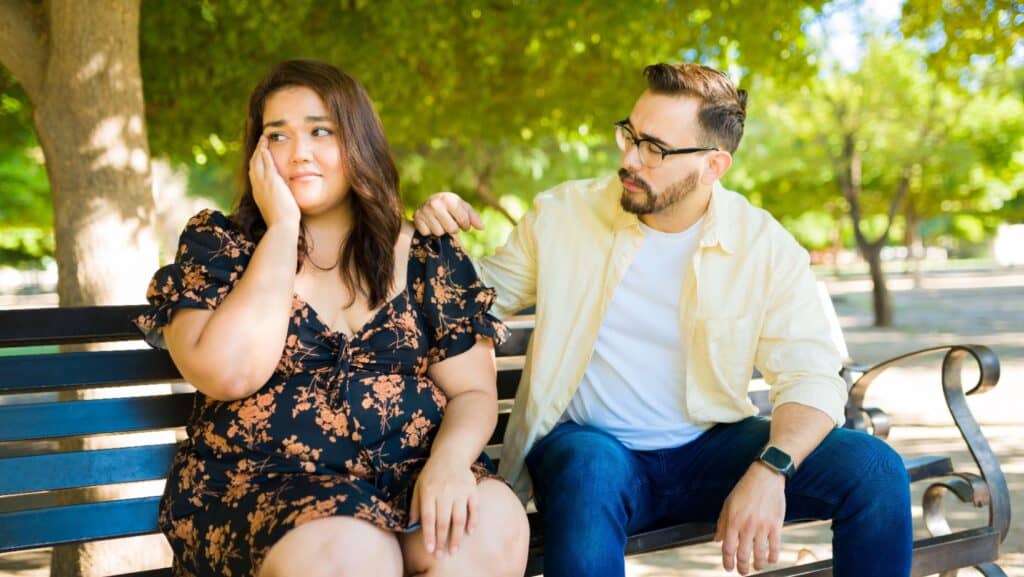
When a woman’s esteem is tied to partner feedback or social affirmation, relational signals carry amplified psychological weight. Mean partners may unconsciously exploit this dynamic by alternating between praise and withdrawal, which heightens emotional involvement.
In American culture, where social comparison is pervasive via media and social networks, external feedback often looms large in self‑perception. Understanding how validation systems influence relational responses provides a research‑centered explanation for why certain relational cues are compelling.
Caregiving and Rescue Orientation
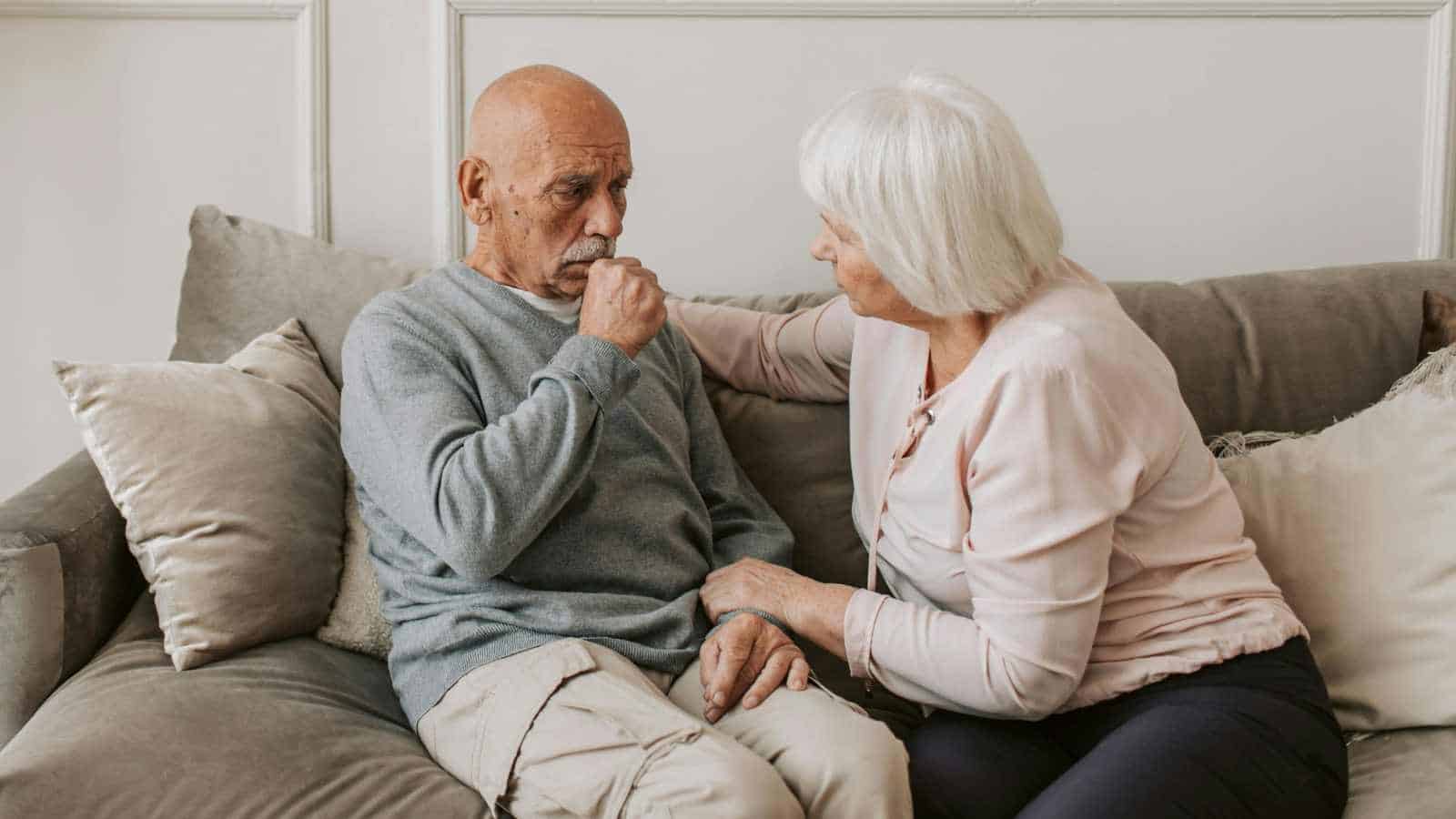
Work by C. Daniel Batson on empathy‑altruism distinguishes genuine concern for others’ welfare from instrumental behavior.
Women socialized into caregiving roles often develop a strong orientation toward nurturing and support that extends into adult relationships.
Mean men may not consciously select for caregiving orientation, but they gravitate toward relational environments where emotional labor is abundant. Patterns of caregiving have deep cultural roots, shaped by social roles and expectations that emphasize relational interdependence.
Predictable Behavioral Patterns

Human perception is sensitive to patterns because predictability allows social learning and anticipatory response. Exhibiting consistent emotional responsiveness and relational transparency provides stable data points that others can read quickly.
The involved partners may not consciously “choose”, but they respond to patterns that signal low resistance or predictable engagement. Predictability in behavior is a social cue as much as a psychological one.
Pattern recognition underlies how humans form relational expectations. When women respond consistently to emotional signals, others learn to anticipate those responses.
Tolerance for Emotional Intensity

Individuals vary in their emotional processing styles, and some have a higher tolerance for intense affective states.
Emotional intensity can activate both the stress and reward systems simultaneously, leading to complex neurochemical responses that bind individuals even in the face of volatility.
Mean or emotionally unpredictable partners create relational climates with high affective swings, tapping into these patterns of emotional engagement. Repeated cycles of intensity lead to deeper psychological entanglement over time.
Key Takeaway

- Past trauma and relational history shape vulnerability: Early abuse, inconsistent caregiving, or exposure to volatile relational patterns can recalibrate emotional thresholds, influencing how women perceive and respond to relational signals.
- Psychological traits interact with relational dynamics: High empathy, caregiving tendencies, low self-esteem, and attachment anxiety can make women more responsive to emotional cues, which means that aggressive men may unconsciously exploit.
- Social context and networks matter: Isolation, weak social support, or dependence on external validation increase susceptibility to relational exploitation, while robust networks provide relational anchors and perspective.
- Personality and behavioral patterns influence selection: Traits such as high agreeableness, conflict avoidance, predictability, and tolerance for emotional intensity are observable signals that shape how certain men perceive and engage with women.
- Structural and learned patterns, not personal failure: Codependent or addictive relational tendencies, resource availability, and emotional responsiveness reflect learned adaptations or socialized roles rather than moral deficiency, situating vulnerability in context rather than blame.
Disclosure line: This article was developed with the assistance of AI and was subsequently reviewed, revised, and approved by our editorial team.
Like our content? Be sure to follow us