12 U.S. states facing the toughest living conditions right now
For millions of Americans, the cost of everyday life has become increasingly difficult to manage. Rising housing prices, inflation, healthcare costs, homelessness, and stagnant wages are putting pressure on households across the country. But in some states, residents face a far tougher reality than in others.
Recent data from the U.S. Census Bureau, Bureau of Labor Statistics, and housing reports show that several states continue to struggle with high poverty rates, unemployment, housing insecurity, and affordability challenges. Louisiana, New Mexico, and Mississippi consistently rank among the states with the highest poverty levels, while states like California, Hawaii, and New York are battling severe housing affordability and homelessness crises.
According to HUD data analyzed by USAFacts, more than 771,000 Americans experienced homelessness in 2024, an 18% increase from the previous year. California alone accounted for more than 187,000 homeless residents, the highest total in the nation.
Here are 12 U.S. states currently facing some of the toughest living conditions based on affordability, poverty, housing pressure, and economic hardship.
California
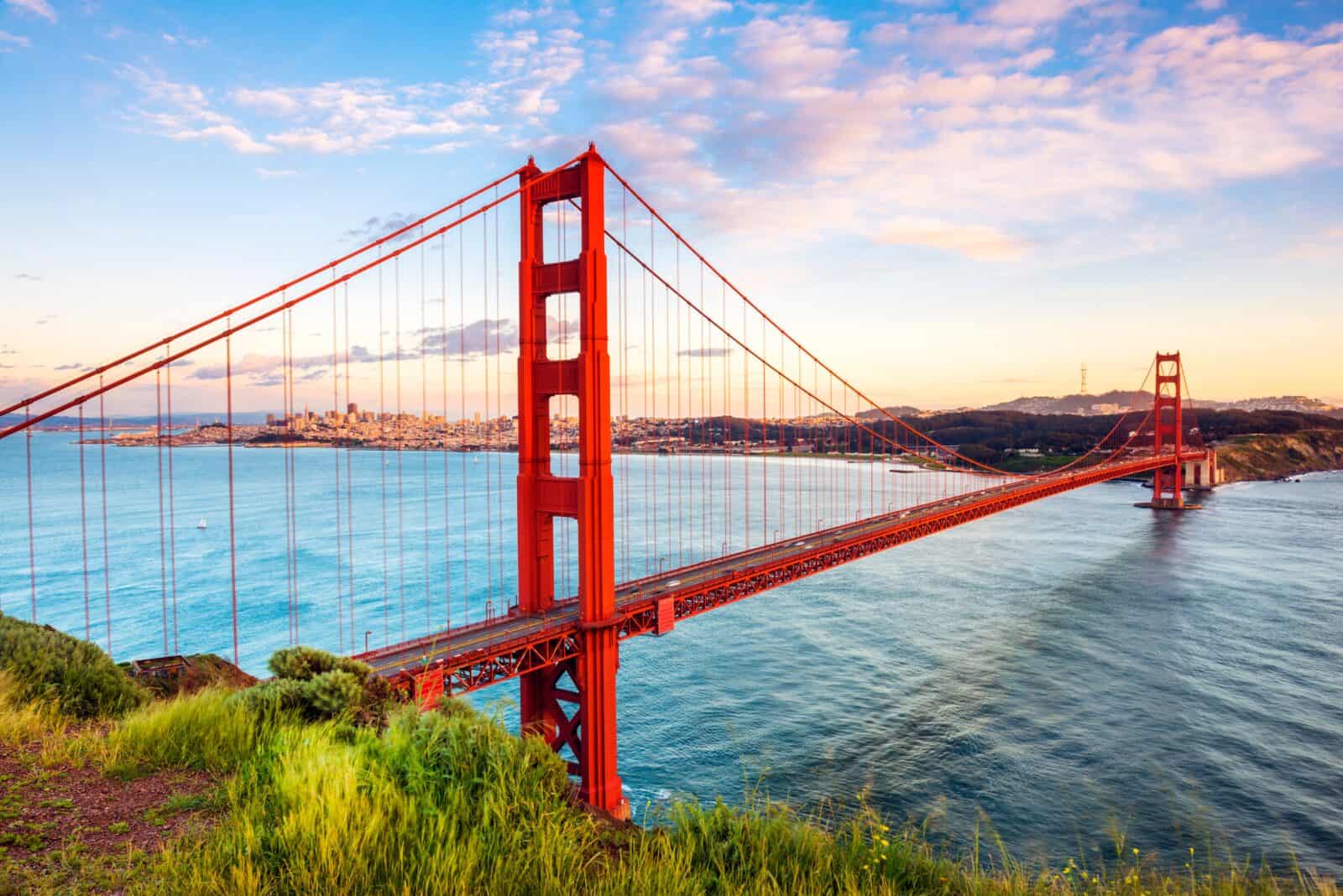
California has one of the nation’s most severe affordability crises despite having the largest state economy in the U.S. Housing costs remain a major burden, especially in cities like Los Angeles and San Francisco, where median home prices and rents are far above the national average. According to California’s homelessness data system, more than 356,000 people accessed homelessness services in 2024 alone, highlighting the scale of the crisis across the state.
The state also continues to struggle with unsheltered homelessness, with many people living in cars, encampments, or temporary shelters. Data from national homelessness rankings showed California had roughly 47.4 homeless individuals per 10,000 residents in 2024, among the highest rates in the country.
Economic inequality remains another challenge, as many middle-income residents increasingly struggle with utility costs, childcare, healthcare, and rising insurance premiums. Critics have also questioned whether billions spent on homelessness programs have translated into enough long-term housing solutions. Still, California remains a major economic hub with strong job opportunities, continuing to attract new residents despite the high cost of living.
Mississippi
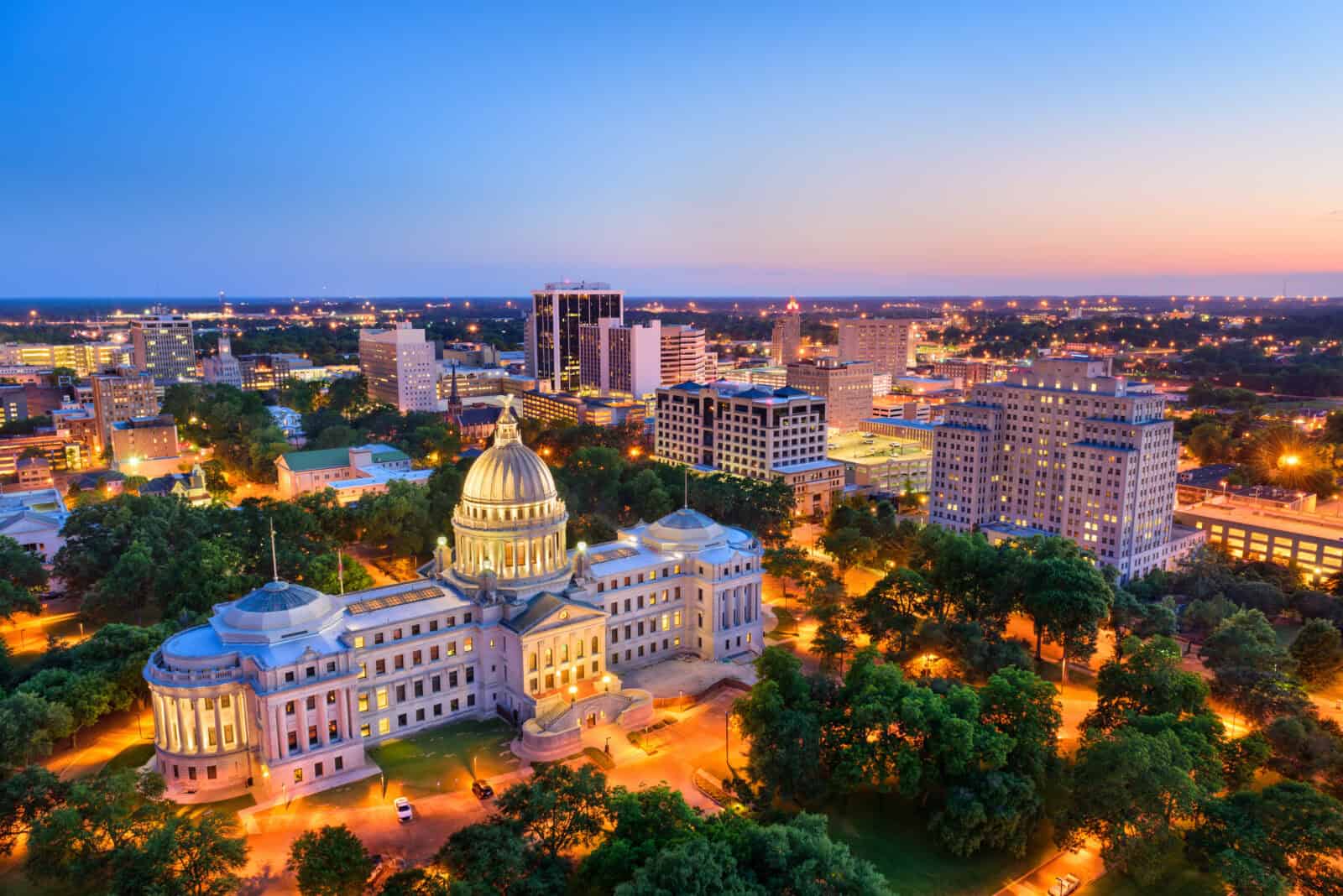
The Magnolia State often finds itself at the bottom of the pile when researchers assess residents’ basic well-being and economic stability. Families here often have to squeeze every penny to make it through the month while dealing with limited access to modern amenities.
According to federal data compiled by the Census Bureau, Mississippi has the highest poverty rate in the nation, with about 19% of residents living below the federal poverty line.
This economic pressure makes it difficult for many to afford basic necessities, such as a full bag of groceries at the local grocery store. Life here requires a special kind of grit to handle the persistent lack of resources and public funding.
Louisiana
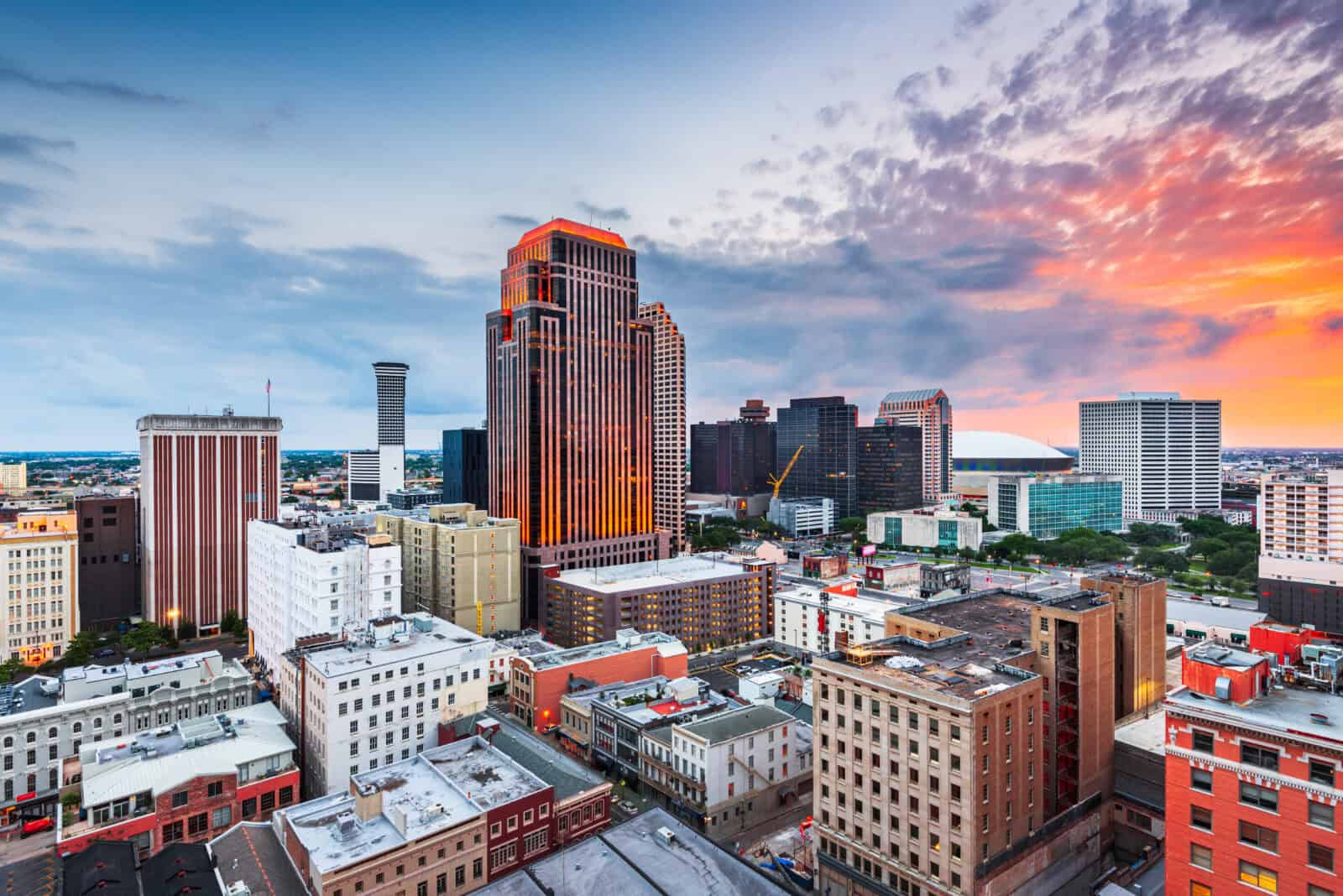
Life in the Pelican State is famous for its incredible music and spicy flavors, but the everyday grind can be quite salty for its citizens. High crime rates and a vulnerability to extreme weather create a backdrop of uncertainty that keeps many people on edge. While the festivals are a blast, the lack of high-paying jobs can make it hard for young families to plant deep roots.
Recent Census estimates show that Louisiana’s poverty rate sits around 18%, one of the highest shares of any state. This financial strain often spills over into household relationships, as the stress of making ends meet takes a heavy toll on everyone. It is a beautiful state that is currently navigating a very rocky economic road.
New Mexico
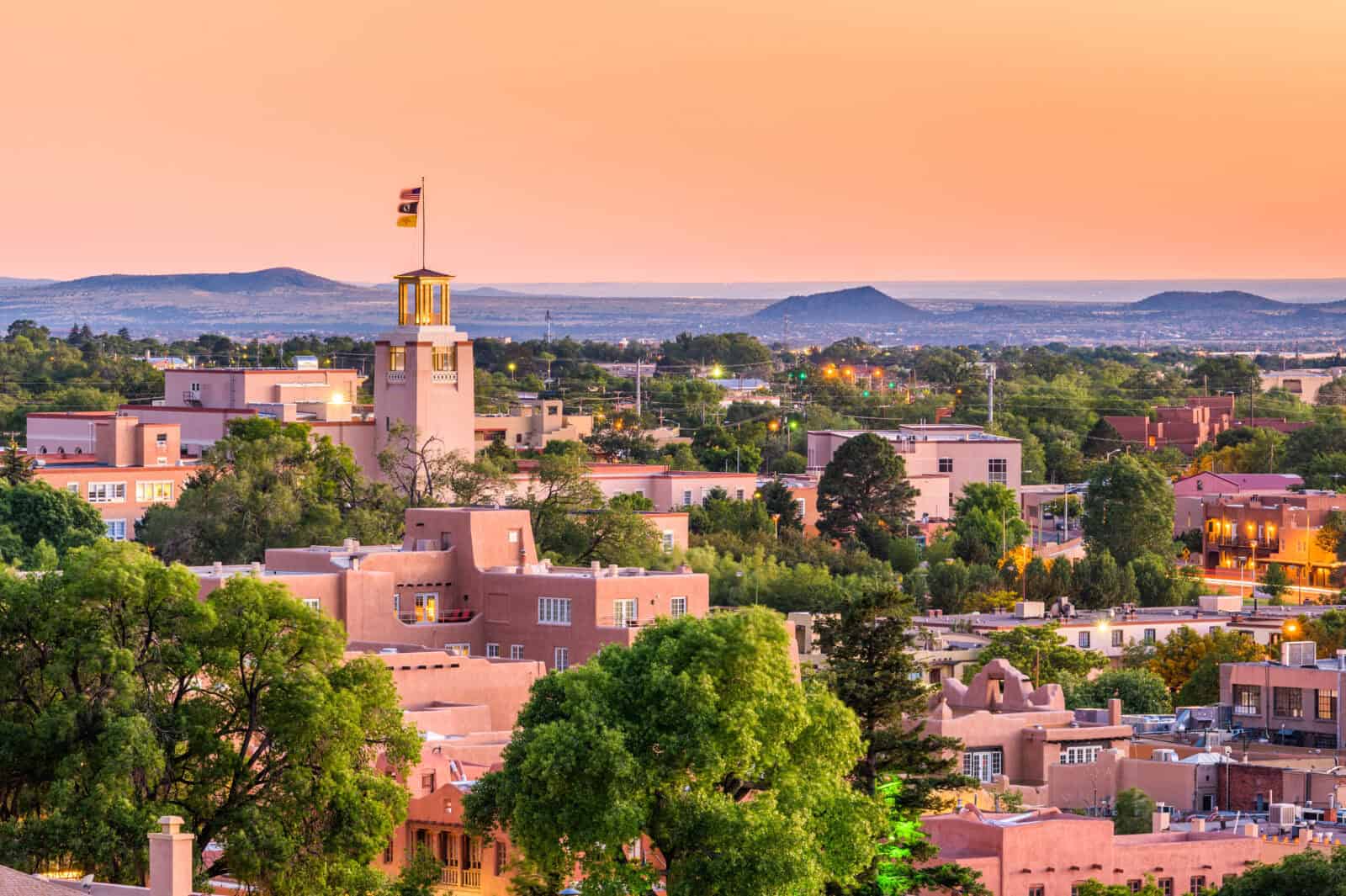
The Land of Enchantment offers some of the most stunning sunsets you will ever see, but the view from the ground is often much more complicated. Public schools here have struggled for years to keep up with the rest of the nation, leaving many students feeling left behind. It is a tough environment for parents who want the best for their kids but find the options are few and far between.
Child welfare data indicate that roughly 23% of children in New Mexico live in families with incomes below the federal poverty line. This cycle of struggle makes it hard for the next generation to find a clear path to a stable and prosperous financial situation. The state remains a place of great spirit, but the hurdles for daily survival are undeniably high right now.
West Virginia

The mountains are majestic, but the economic decline of traditional industries has left many communities in the Mountain State feeling quite hollowed out. A lack of diverse job opportunities means that many talented people feel they must leave their homes to find a steady paycheck. This brain drain leaves the remaining residents facing a shrinking tax base and fewer essential services in their towns.
Education statistics show that only about 23% of adults in West Virginia hold a bachelor’s degree or higher, the lowest share of any state. This makes it difficult for the state to attract modern industries that could provide a much-needed boost to the local economy. It is a proud place that is currently fighting a very difficult battle against a changing world.
Arkansas

Known for its natural beauty, Arkansas is currently facing some of the most significant public health challenges in the country. High rates of obesity and limited access to specialized medical care mean that many residents do not live as long as their peers in other states. It is a frustrating reality for people who love their home but worry about their long-term physical safety.
Recent CDC data show that about 35% of adults in Arkansas are living with obesity, one of the highest rates in the country. This health crisis places immense strain on the local healthcare system and makes everyday activities much more difficult for the average citizen. Finding a healthy balance in life is a constant challenge when the local environment does not support it.
Alabama
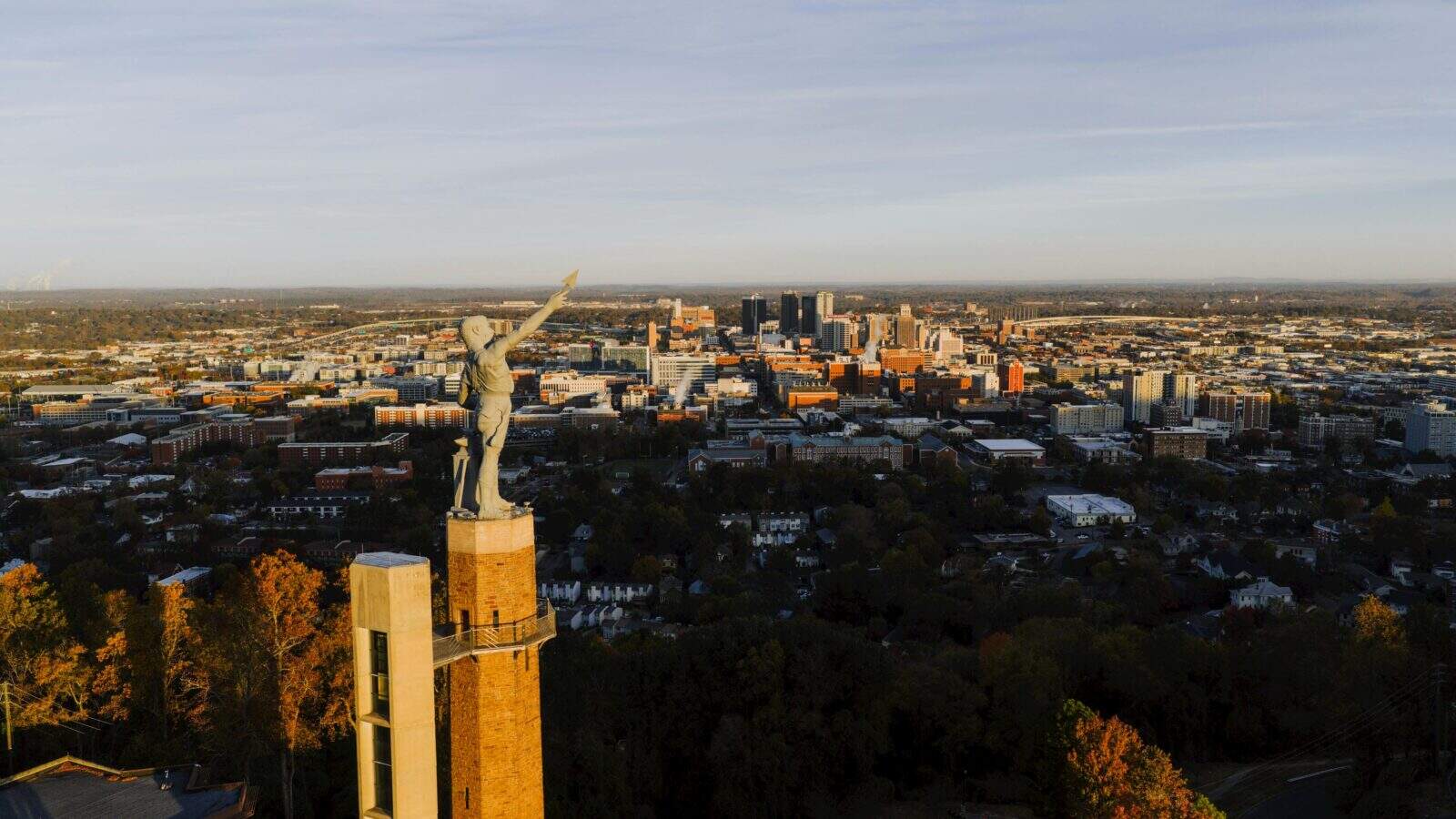
Alabama offers a low cost of living that looks great on paper, but that cheap price tag often comes with a lack of important social protections. The state struggles with access to quality healthcare, particularly for its older residents who need it the most. It is a place where you can buy a house at a bargain price, but you might find yourself having to drive a long way to see a specialist.
Analyses of Medicare data show that about 72% of Medicare beneficiaries in Alabama have three or more chronic conditions, among the highest shares in the nation. This high rate of illness highlights a system that is struggling to keep up with the needs of a vulnerable and aging population. Living here requires a proactive approach to your own health to avoid falling through the cracks of a thin system.
Oklahoma
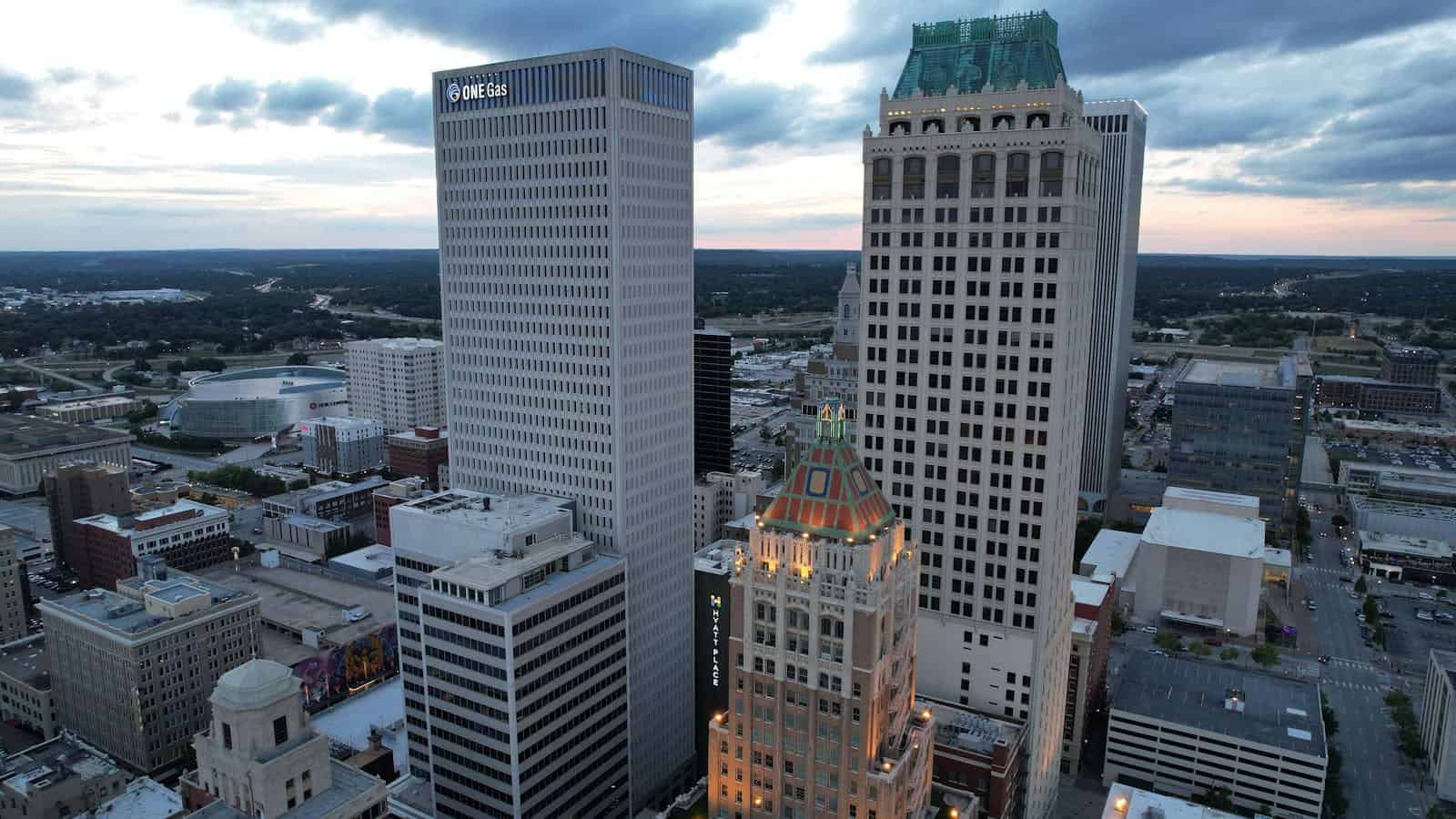
The plains of Oklahoma are wide and open, but the economic opportunities for many residents feel much narrower. The state has seen a significant struggle with drug addiction and a lack of mental health resources in many of its smaller rural communities. It is a place where the people’s friendly spirit is often tested by the harsh realities of a stagnant economy.
A national scorecard on state health systems finds that Oklahoma ranks near the bottom on overall performance, including access, quality, and outcomes. This widespread failure to provide adequate care creates unease among many families who are just trying to stay safe. It is a tough spot for those who want to build a secure future but feel the ground is shaky.
Kentucky

The Bluegrass State is famous for its horses and bourbon, but many of its residents are currently facing a very high cost of living. High rates of unemployment in coal country have left entire towns searching for a new identity and a way to pay the bills. It is a region where the traditional way of life is fading, leaving a void that has yet to be filled.
Recent poverty statistics show that about 16.5% of Kentuckians live below the federal poverty line, compared with roughly 11.5 percent nationwide. This persistent lack of funds makes it hard for many to afford a decent meal or even a simple breakfast before starting their day. The resilience of the people is legendary, but the obstacles they face are truly monumental.
Nevada

Nevada might be a land of big dreams and bright lights, but the high cost of housing is quickly turning that dream into a stressful nightmare. The state has one of the highest rates of housing insecurity, as prices have soared far beyond what local wages can reasonably support. It is a place where you can feel like you are winning big one day and losing it all the next.
Housing research shows that nearly 24% of Nevada renter households are severely cost-burdened, spending at least half their income on rent. This constant pressure to find a home can ruin a person’s sense of peace and their ability to plan for the future. It is a tough environment for anyone who is not already sitting on a large pile of cash.
Hawaii
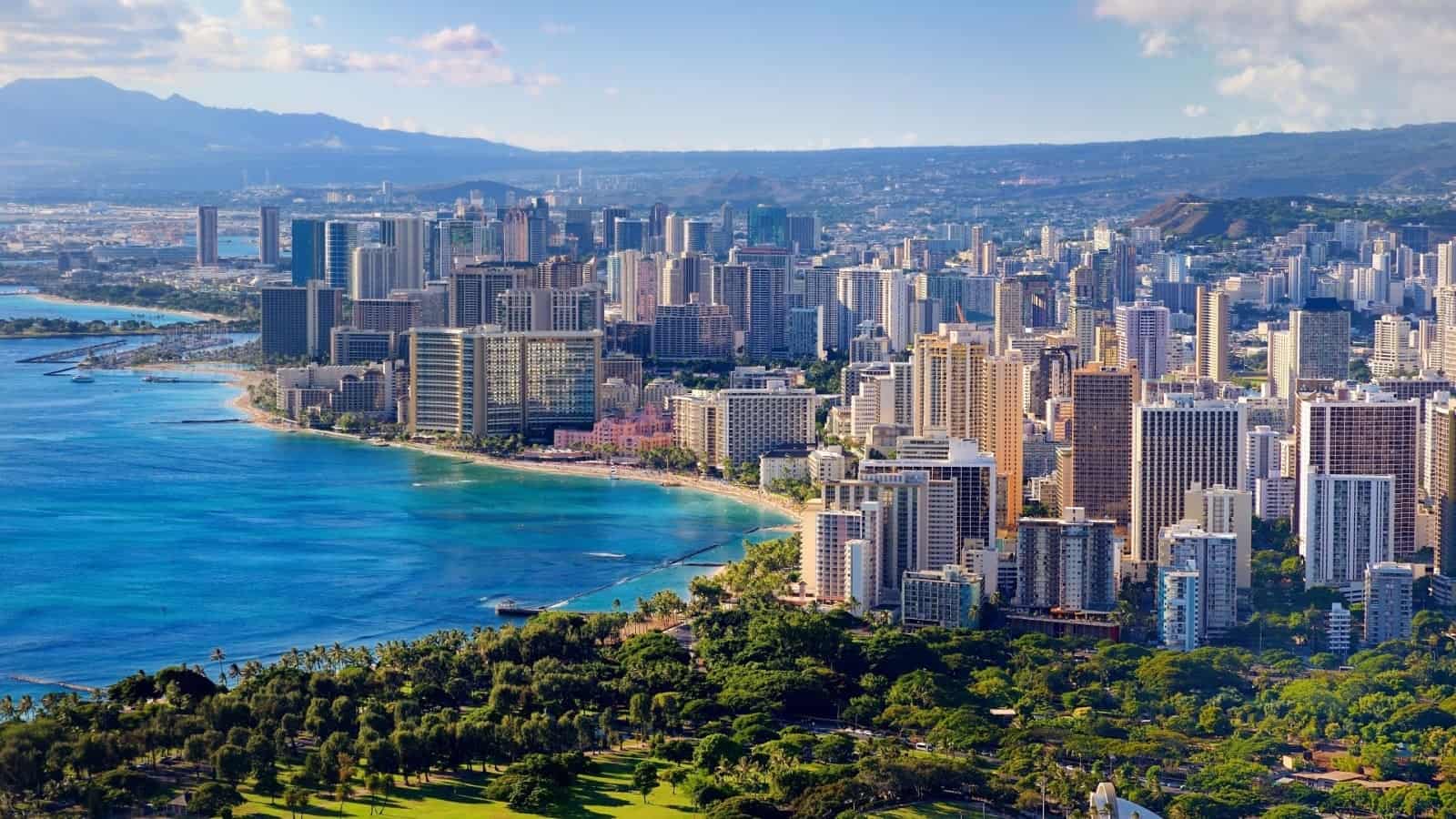
Hawaii consistently ranks among the most expensive states to live in due to extremely high housing, food, and transportation costs. Because most goods are imported to the islands, residents often pay significantly more for basic necessities than mainland Americans. Housing affordability has become especially difficult for local families, with home prices and rents remaining among the highest in the country.
The state is also facing a worsening homelessness problem. Hawaii recorded approximately 80.5 homeless individuals per 10,000 residents in 2024, the highest homelessness rate in the nation.
According to Hawaii’s 2024 Point-in-Time Count, 6,389 people experienced homelessness statewide, with Oʻahu accounting for the majority of cases. Officials also reported a 12% increase in homelessness on Oʻahu between 2023 and 2024.
Natural disasters have added additional pressure to the state’s housing market, especially following the devastating Maui wildfires. Some reports indicated homelessness numbers surged sharply after displaced residents struggled to secure long-term housing.
New York
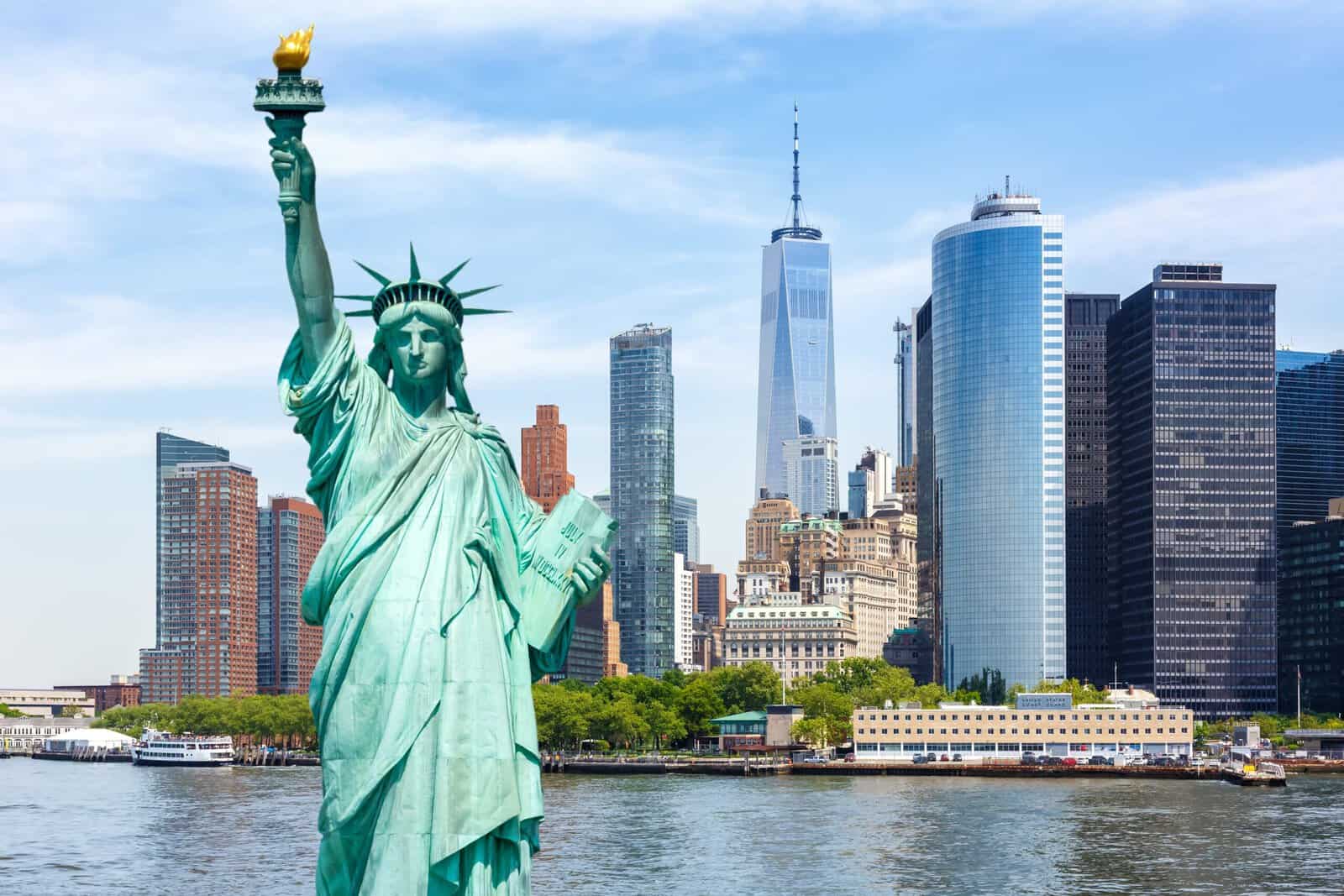
New York remains one of America’s wealthiest states, yet many residents continue to face intense financial pressure tied to housing and living costs. New York City, in particular, has some of the highest rent prices in the country, with median rents for new leases recently approaching $3,950 per month.
Housing affordability has become such a major issue that city officials have debated rent freezes for nearly one million rent-stabilized apartments. At the same time, landlords argue that rising taxes, insurance costs, and maintenance expenses are making it harder to manage properties sustainably.
The homelessness crisis has also intensified dramatically in recent years. Federal data showed New York had one of the country’s highest homelessness rates in 2024, with more than 158,000 homeless individuals statewide.
In New York City alone, shelter populations have risen sharply over the past two decades, with tens of thousands of residents relying on emergency housing every night. Reports from the New York City Comptroller’s Office noted that the city’s affordable housing shortage and low vacancy rates continue fueling the crisis.
Despite these challenges, New York continues to attract workers and businesses because of its economic opportunities, cultural influence, and global financial importance.
Key Takeaway

Living conditions in the United States are far from uniform, and these twelve states highlight the significant hurdles that millions of Americans face every day. The challenges are as diverse as the country’s geography.
While these areas offer unique cultures and beautiful landscapes, the systemic gaps in healthcare, education, and safety cannot be ignored. Recognizing these struggles is the first step toward advocating for the changes and investments that these communities desperately need. It is a reminder that a state’s true value is measured by the well-being of all its citizens, not just the success of its largest cities.
Disclaimer – This list is solely the author’s opinion based on research and publicly available information. It is not intended to be professional advice.
Like our content? Be sure to follow us