12 U.S. traditions that are slowly changing, and boomers are complaining
From family dinners to holiday cards, everyday American traditions are changing in quiet but visible ways, and many boomers aren’t happy about it.
American traditions are the invisible glue that holds many households together for generations. They shaped the rhythms of family life, influenced milestones, and gave everyday moments a rhythm and meaning. But like an old song getting a modern remix, some traditions are evolving, sometimes much to the consternation of boomers who grew up with them. As life gets busier, digital tools creep in, and younger generations embrace new norms, these rituals are transforming and reactions range from bemusement to outright irritation.
In this article, we explore 12 U.S. traditions that are slowly changing and that many boomers are complaining about because things just feel different now. These shifts are rooted in economic changes, evolving values, and new cultural habits that younger generations are embracing, not always with their elders’ approval.
Sitting Down For Family Meals
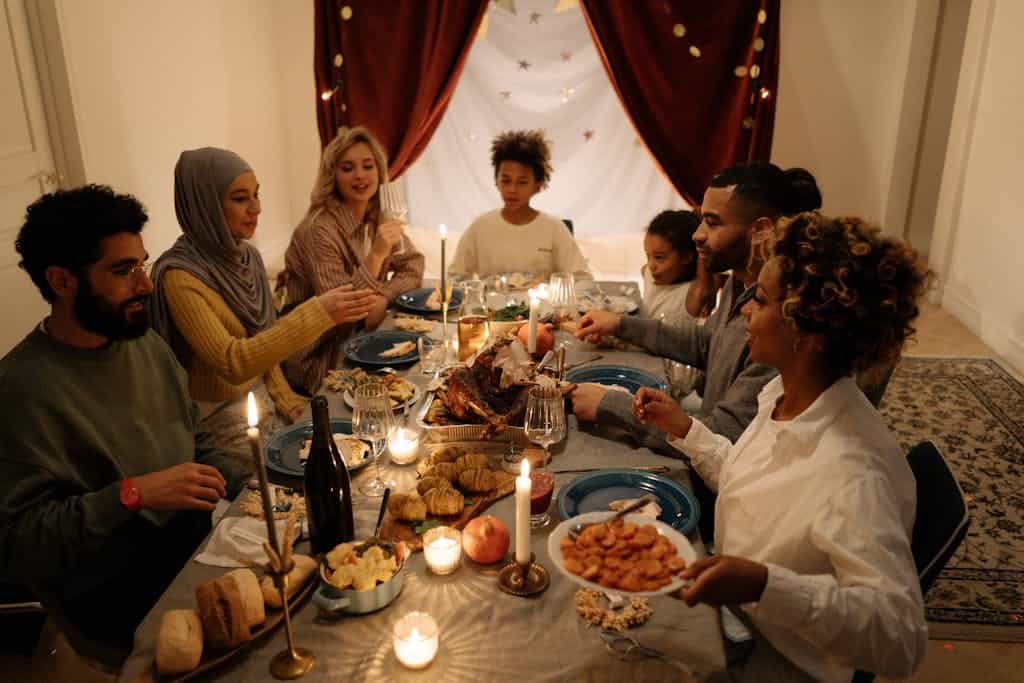
Family dinners used to be the ritual that defined the end of the day for many households, a sacred time when everyone gathered around the table. Today, screens, work schedules, and extracurriculars often pull family members in different directions. Younger families may see meals as another thing to schedule rather than a natural default. Some restaurant trends show that meals with others are rising again, partly because families are craving connection and shared experiences. Families placing group orders at restaurants grew 18 percent in 2024 compared with 2023.
Boomers often remember the aroma of Mom’s cooking as part of their plan to save for family unity, a practice that now competes with convenience. Even so, when households eat together, conversations can be richer because fewer people are multitasking on their devices. In many homes, this shift creates tension between preserving legacy routines and adapting to more hectic lifestyles fueled by work and school commitments.
Holiday Gift Choices and How They’re Given

The tradition of carefully selecting, wrapping, and presenting gifts has deep roots in American celebrations. In recent years, the way gifts are given has changed dramatically. More shoppers now prefer gift cards and digital gifts for their flexibility and practicality, especially with tight budgets and time constraints. In some cases, physical gifts still dominate, but digital options have grown significantly in 2025.
Boomers often see physical gifts as a reflection of thought and effort. For them, handing over a box with a ribbon felt like a gesture of care and emotion. Younger adults sometimes argue that experience-based or digital gifts, such as concert tickets or restaurant cards, can hold meaningful memories without the clutter. This shift often prompts boomer complaints about younger generations “not putting effort into presents,” despite the emotional intent behind different gift formats.
Thanksgiving Table Traditions

Most Americans still cherish Thanksgiving as a time for family, food, and nostalgia, but the menu and practices are subtly changing. About 35 percent 403 of Thanksgiving food purchases in 2025 were made online, showing how convenience and tech integration are reshaping even long-held traditions.
Boomers might grumble about vegan “turkey” alternatives or potluck variations that diverge from the classic roast turkey dinner they grew up with. Yet many households preserve those cherished recipes, which 52 percent of Americans say have been passed down for over 25 years. Either way, the heart of Thanksgiving still beats with stories shared across plates of stuffing, even if the sides now include more diverse or health-oriented options.
Digital Communication Over Handwritten Notes

Handwritten notes were once the gold standard for expressing gratitude or marking special moments. In today’s world, text messages, emojis, and quick emails have replaced thank-you cards. It’s faster and more convenient, but the tactile feel of a pen-on-paper note has been lost to many. Boomers often describe this as a loss of genuine sentiment in everyday exchanges.
Younger folks may counter that heartfelt sentiments aren’t tied to the medium but to the meaning behind the message. Still, seeing an inbox fill up faster than a mailbox used to has many older people wistfully recalling when letters felt like gifts themselves.
Dining Out Instead Of Cooking At Home

Mealtime traditions have also shifted from home kitchens to restaurants and dining experiences. Many families are now eating out more, with a surge in solo and flexible reservation times. Solo dining reservations, for instance, soared 22 percent in the third quarter of 2025, as adults seek convenience or social experiences outside the house.
Boomers who grew up savoring home-cooked meals feel this trend dilutes family bonds formed around chopping vegetables and sharing recipes. Younger adults view it as a way to balance hectic calendars and discover new flavors. The result is a new kind of shared meal that still brings people together, just not always around the home dinner table.
Traditional Invitations vs. Digital Invites

Invitations used to arrive in the mail as little announcements worth displaying on refrigerators and memory boards. Today, events are more often organized through digital invites on apps or social platforms. Boomers see this as a loss of ceremony and significance.
Younger hosts appreciate instant RSVPs and reminders, and while paper invites can be framed and kept, digital ones reduce paper waste and speed up planning. The emotional resonance changes depending on who’s sending and who’s receiving, stirring nostalgic grumbles from those who grew up with formal cards.
Holiday Cards and Seasonal Mail

Sending holiday cards was once a cherished tradition, with many households collecting cards from friends and family as keepsakes. Recent surveys show that a large portion of Americans either do not send cards or stick to traditional printed cards, while only a small minority embrace digital cards.
Boomers often lament the decline of this practice, seeing it as one way families maintained annual contact. Younger adults may feel that social media posts or digital greetings serve the same purpose without wasted paper or delayed delivery. As a result, the ritual of opening envelopes filled with greeting cards is fading from many homes.
Outdoor Family Activities

Activities like outdoor picnics during holidays or Fourth of July parades were staples of boomer childhoods. These days, some of these events draw fewer attendees due to changing interests or busy schedules. Despite that, certain outdoor traditions continue, albeit in modified forms. The essence remains, just the way people participate has shifted.
Younger generations often favor flexibility over scheduled community gatherings, leaving boomers to reminisce about the crowds and communal spirit of traditional festivals.
Church Attendance and Community Services
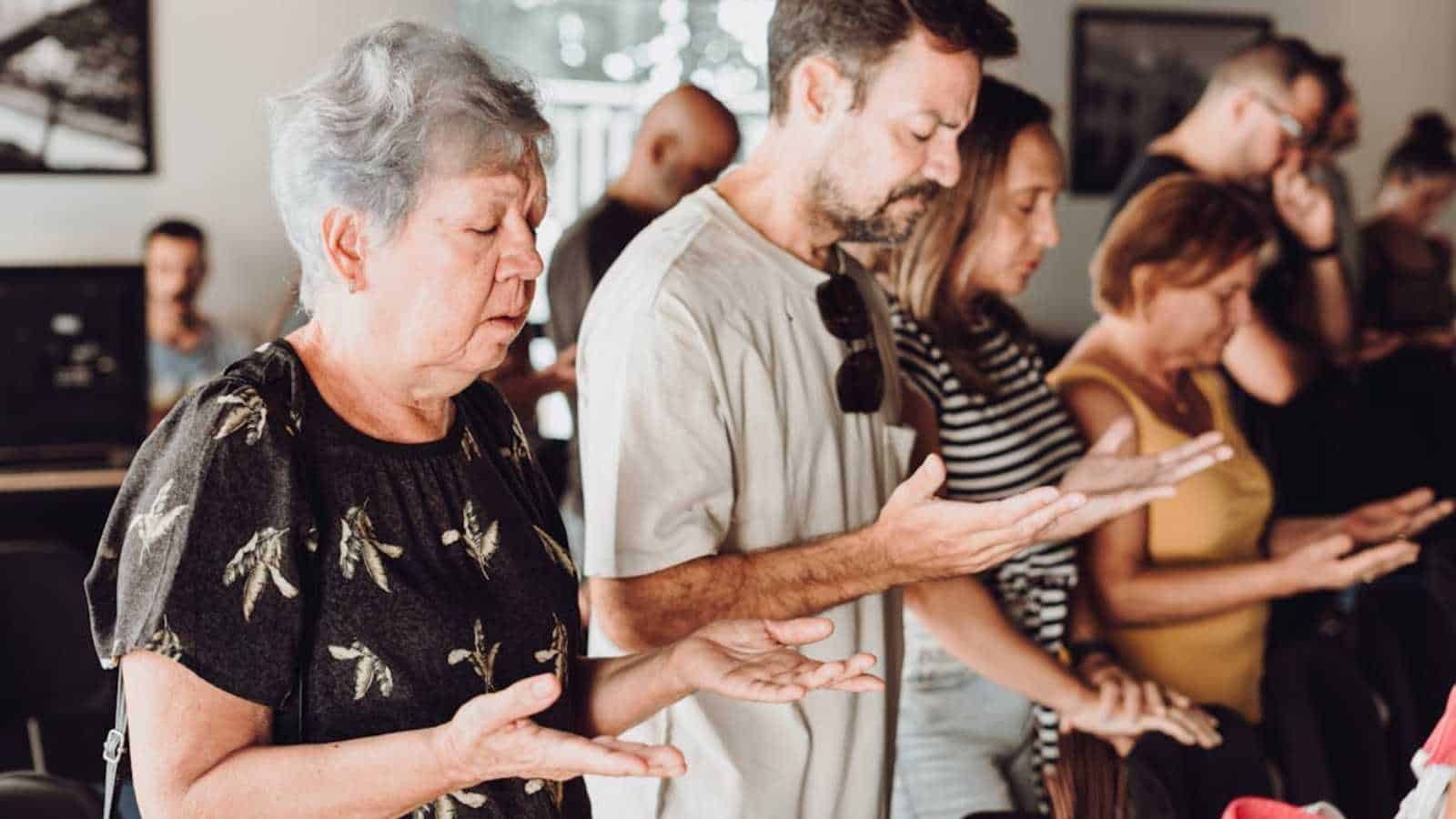
Religious services were once a central weekly tradition that structured many boomers’ lives. Though attendance has evolved, religious involvement hasn’t disappeared; instead, it often takes different forms, such as small-group meetings or personal spiritual practices. Sunday services may not draw the same crowds, but many still find meaningful community engagement in faith-based events.
Boomers sometimes interpret lower traditional attendance as a waning of values, though younger people might argue that they are diversifying how they express their spiritual life. This divergence highlights changing priorities more than an outright rejection of heritage.
Cooking From Scratch

Many boomers remember kitchens filled with homemade breads, pies, and sauces made from scratch. Today, convenience foods and prepackaged ingredients have taken over many meal-prep routines. Not everyone has the time or patience to simmer stocks or bake bread after a long day of juggling commitments.
While some millennials and younger adults are rediscovering traditional cooking, perhaps inspired by nostalgia or by viewing food as an experience rather than an obligation, their day-to-day kitchen rituals are different from what they once were.
Family Holiday Hosting
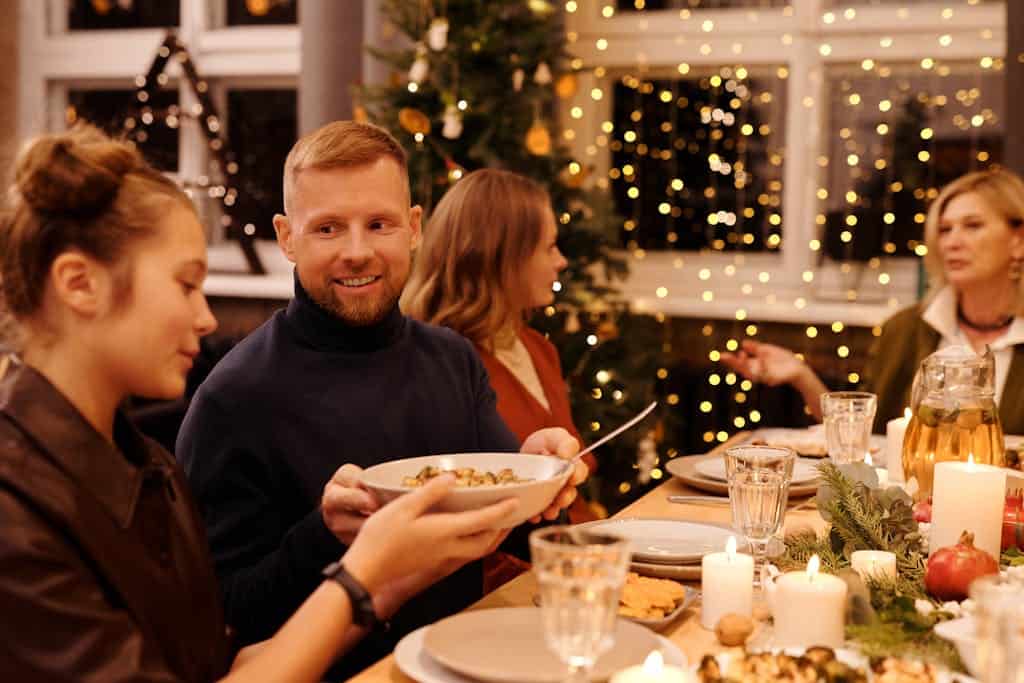
Hosting everyone for Thanksgiving or Christmas was once almost expected, a treasured obligation for many boomers. These days, families often rotate hosting duties, scale down gatherings, or even choose to meet at restaurants instead of someone’s house.
Boomers lament that tradition is slipping when tables aren’t as laden or living rooms aren’t filled with multiple generations. Still, the core idea of shared meals persists in new formats that reflect modern family dynamics.
Celebratory Dress Codes

There was a time when people dressed up for weddings, graduations, and other milestones as a sign of respect and occasion. Today’s dress codes lean toward comfort and personal style over formality. Many younger adults celebrate in casual attire, seeing it as an expression of authenticity rather than a sign of disrespect.
Boomers might grumble about sneakers at weddings and casual wear at graduations, but younger generations view it as fitting the moment and their budget. Fashion choices reflect different priorities rather than a simple rejection of past norms.
Key Takeaway

Traditions don’t disappear overnight; they shift as society changes. Many boomers view these shifts with nostalgia, seeing the past through a lens tinted by memory and emotion.
Modern families are finding new ways to connect, celebrate, and honor their relationships, even as the rituals themselves change. These transformations reflect evolving lifestyles, priorities, and technologies that influence how traditions are lived today.
The 15 Things Women Only Do With the Men They Love

The 15 Things Women Only Do With the Men They Love
Love is a complex, beautiful emotion that inspires profound behaviors. We express our love in various ways, some universal and others unique to each individual. Among these expressions, there are specific actions women often reserve for the men they deeply love.
This piece explores 15 unique gestures women make when they’re in love. From tiny, almost invisible actions to grand declarations, each tells a story of deep affection and unwavering commitment.