13 Foods People With High Blood Pressure Should Avoid
The real danger in our diets isn’t always what we see, taste, or know, but what we never notice until it harms us.
Living with high blood pressure can feel like you are walking a tightrope where one misstep with the salt shaker sends everything wobbling off balance. It is a frustrating reality for millions of Americans who just want to enjoy a backyard barbecue or a quick dinner without worrying about their readings spiking. You might think you are making healthy choices, but hidden sodium and sneaky fats are often lurking in the most unexpected places in your pantry.
Changing your diet does not mean you have to resign yourself to bland, flavorless meals that taste like cardboard. It is really about becoming a bit of a detective at the grocery store and swapping out the worst offenders for tasty alternatives that won’t stress out your heart. We have rounded up the top foods that could be sabotaging your health goals so you can keep your numbers down and your spirits high.
Salty Snacks Like Chips And Pretzels

The snack aisle is basically a minefield for anyone dealing with hypertension because almost everything is coated in salt. Potato chips, pretzels, and cheese puffs are designed to be addictive, making it nearly impossible to eat just a handful. These processed snacks provide almost zero nutritional value while flooding your system with sodium and unhealthy fats.
The crunch is addictive, but your heart has to work overtime to process the salt load you just consumed. It is much better to choose snacks that offer fiber and protein to keep you full. Air-popped popcorn seasoned with herbs or a handful of unsalted nuts can satisfy that need for a crunchy snack without sending your blood pressure through the roof.
The Hidden Danger In Processed Deli Meats

Lunch meat seems like the ultimate convenience food for a quick sandwich, but it is basically a sodium bomb waiting to go off in your body. Manufacturers cure these meats with a heavy hand of salt to keep them fresh and maintain that pink color we all associate with ham and turkey. Just one hot dog has 700 milligrams of sodium, which is a massive chunk of your daily limit.
You have to remember that you rarely stop at just the meat since you likely stack it with cheese and condiments on bread. By the time you finish that sub, you might have consumed more salt than your body needs for the entire day. If you can’t live without a midday sandwich, try using leftover roasted chicken or turkey breast you cooked yourself to slash your sodium intake significantly.
Frozen Pizza Is A Sodium Trap

You’d likely have those nights where cooking is the last thing we want to do, and a frozen pizza feels like a gift from the heavens. However, that cheesy, pepperoni-topped disc is often loaded with preservatives and salt to make sure it tastes decent after sitting in a refrigerator for months. A single slice of frozen pizza can contain over 700 milligrams of sodium, and let’s be honest, nobody eats just one slice.
The crust is usually thick with refined flour, and the tomato sauce is even more concentrated, with even more salt and sugar. It is a triple threat that hits your bloodstream hard and fast. Making your own pizza at home with a whole-wheat pita, fresh veggies, and a sprinkle of mozzarella lets you indulge that craving without the guilt or the blood pressure spike.
Canned Soups Are Not As Wholesome As They Look
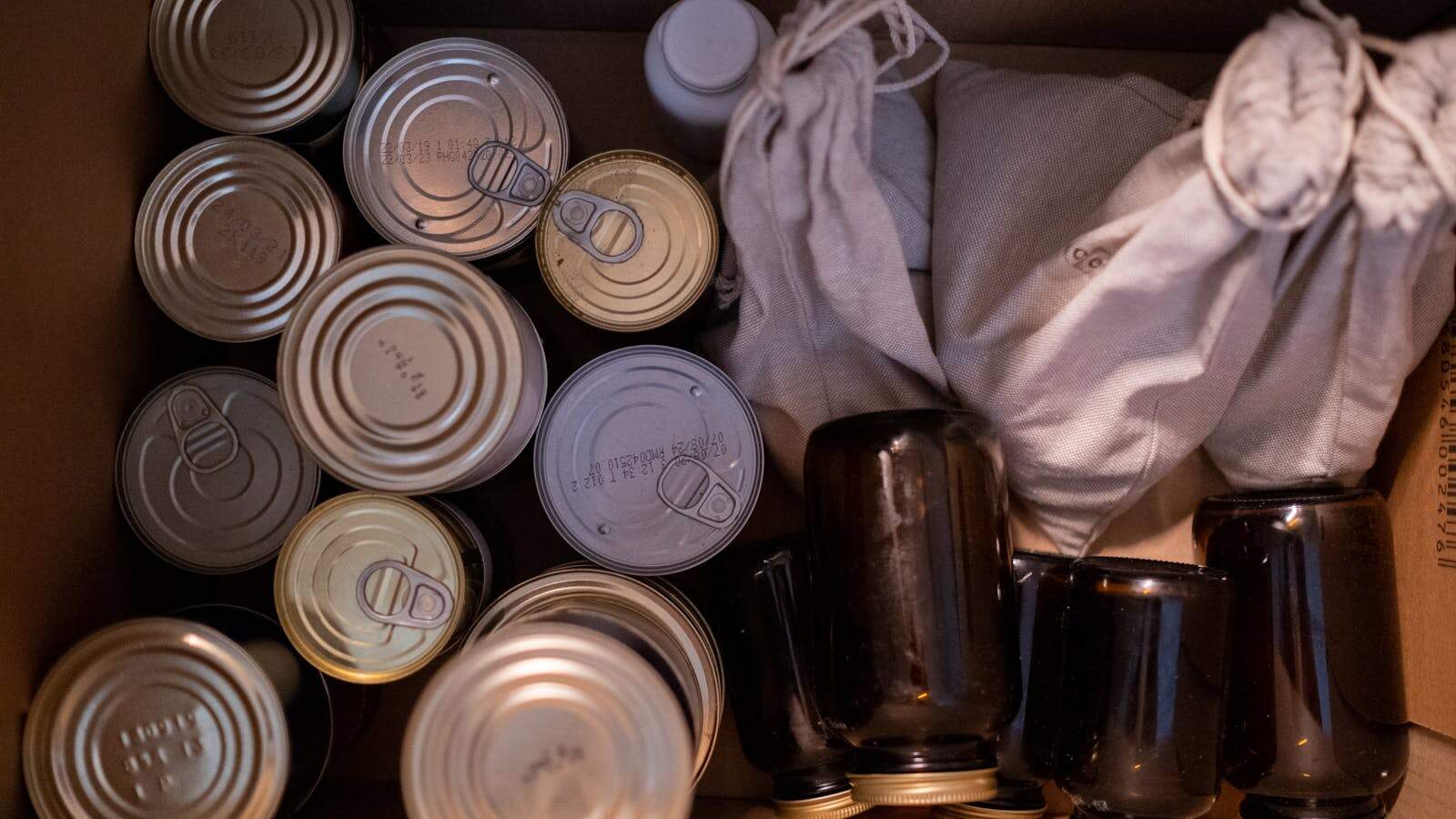
Soup has a reputation for being a comfort food that heals you when you are sick, but the canned variety is a different story entirely. To give that soup a shelf life of years, companies pump it full of sodium, which acts as a powerful preservative. The American Heart Association reports that more than 70% of the sodium Americans eat comes from processed, prepackaged, and restaurant foods, with canned soup being a major contributor.
You might read “vegetable” on the label and think you are doing your body a favor, but you are mostly sipping on salt water. Even the reduced-sodium versions can still have a surprising amount of salt compared to a homemade pot. Your best bet is to make a big batch of soup on the weekend and freeze individual portions so you always have a quick, heart-healthy meal ready to go.
Pickles And Brined Goods Packed With Salt
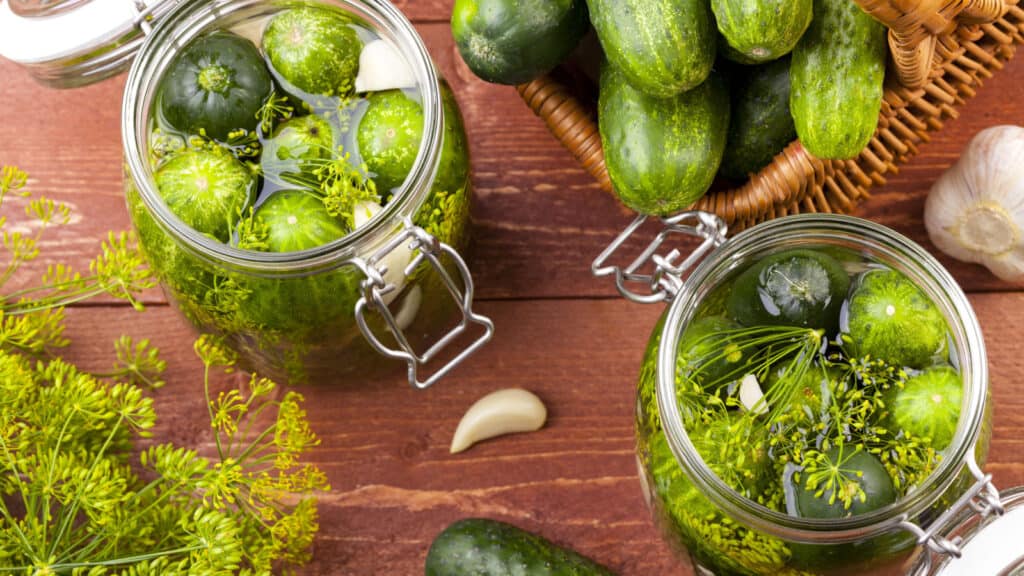
That crisp crunch of a dill pickle is satisfying, but it comes at a steep price for anyone watching their blood pressure. The pickling process literally involves soaking cucumbers in a bath of salt water and vinegar to preserve them. A single medium-sized pickle can contain more than 50% of the recommended daily sodium intake for an average adult, which is a staggering amount for such a small snack.
It is not just cucumbers either; pickled peppers, sauerkraut, and other brined veggies are in the same boat. They might be low in calories, but they are incredibly high in the one mineral you are trying to avoid. You can get that same satisfying crunch by snacking on fresh cucumber slices dipped in hummus or a splash of vinegar without the massive sodium overload.
Canned Tomato Products And Pasta Sauces
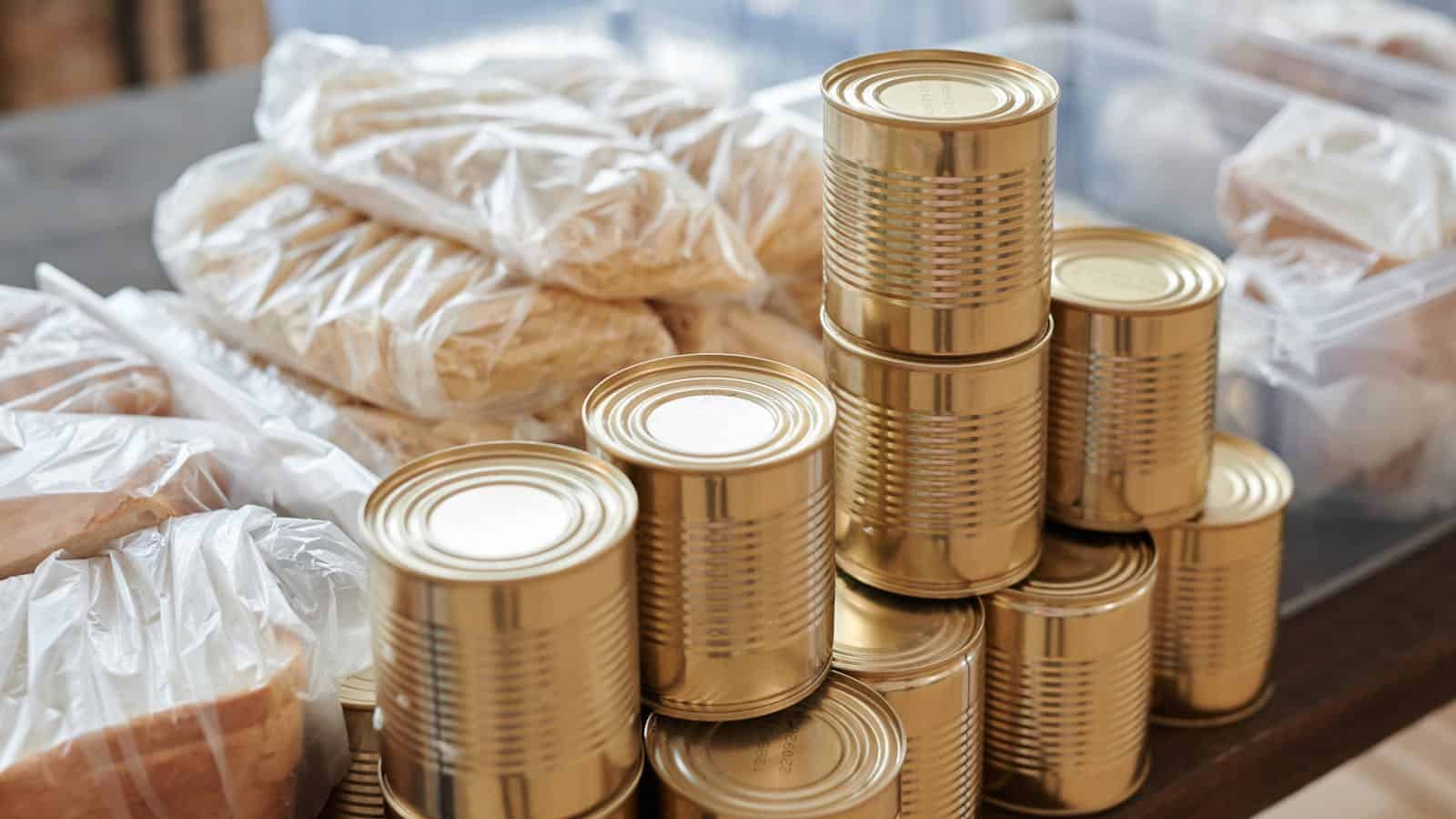
Tomatoes are naturally healthy, but once they are canned or jarred into pasta sauce, they transform into sodium sponges. Manufacturers add large amounts of salt to balance the tomatoes’ acidity and enhance flavors that are lost during processing. It is incredibly easy to overlook this because we tend to focus on the pasta itself, forgetting that the red sauce is the real culprit.
Checking the nutrition label on a jar of marinara can be a shocking experience when you see the numbers. You could easily consume hundreds of milligrams of sodium in a half-cup serving, which is barely enough to coat your spaghetti. Look for “no salt added” versions or, better yet, simmer some fresh tomatoes with garlic and basil for a sauce that tastes fresher and treats your arteries with respect.
Sugar-Sweetened Beverages And Sodas

Most people associate sugar with weight gain, but it plays a sneaky and significant role in raising your blood pressure, too. High amounts of sugar can lead to weight gain and insulin resistance, both of which put extra strain on your blood vessels. A study published in the Journal of the American Heart Association found a direct link between drinking sugary beverages and higher blood pressure readings.
It is easy to drink hundreds of calories without feeling full, leading to a vicious cycle of weight gain and hypertension. Cutting out soda is one of the fastest ways to improve your health metrics. Swap that afternoon cola for sparkling water with a squeeze of lemon or lime to get the fizz you crave without the dangerous sugar rush.
Excessive Alcohol Consumption

A glass of wine with dinner might sound relaxing, but drinking too much alcohol can cause your blood pressure to surge temporarily and permanently over time. It interferes with the effectiveness of blood pressure medications and adds empty calories that contribute to weight gain. The American Heart Association notes that limiting alcohol consumption can lower your systolic blood pressure by anywhere from 2 to 4 mm Hg, which is a meaningful drop.
This does not mean you can never enjoy a beer again, but moderation is absolutely key to keeping things under control. It is about understanding that alcohol is a toxin that your body has to work hard to process. Sticking to the recommended guidelines of one drink per day for women and two for men is a smart way to protect your heart health.
Condiments And Sauces Hiding In Plain Sight
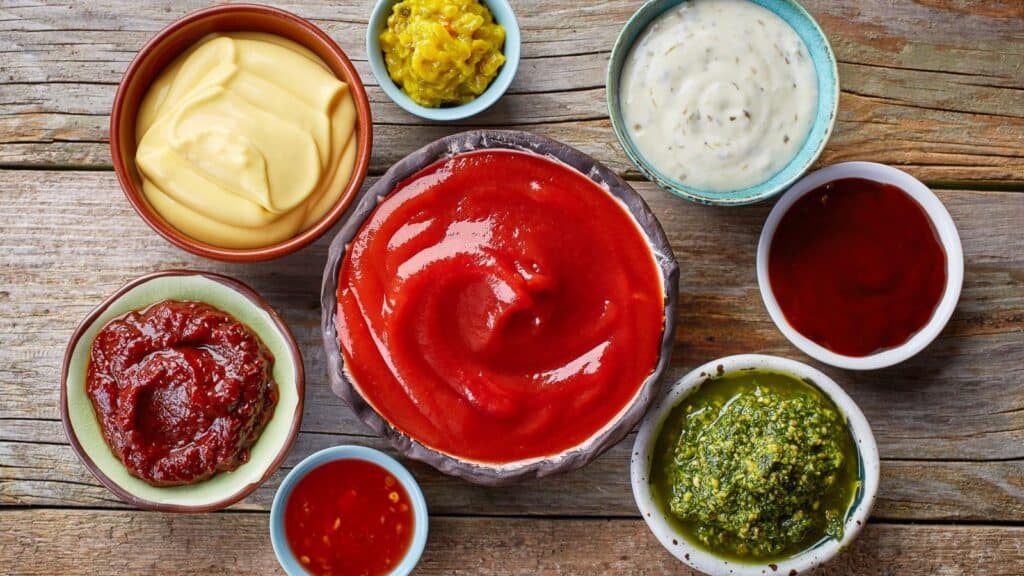
You might cook a healthy piece of chicken, but if you drown it in ketchup, soy sauce, or barbecue sauce, you have undone all your hard work. These flavor enhancers are among the densest sources of sodium in our diets because they are highly concentrated. Just one tablespoon of soy sauce can contain nearly 900 milligrams of sodium, which is almost half of the daily limit for some people.
We often don’t think to count these drizzles and dips as part of our daily intake. It is these small, mindless additions that usually keep people from seeing the results they want. Try flavoring your food with lemon juice, garlic, onions, and fresh herbs, which add bright and intense flavors without the adverse side effects.
The Saturated Fat In Red Meat

While protein is essential, fatty cuts of red meat like steak and bacon are high in saturated fats that can raise your cholesterol and blood pressure. Eating these foods regularly creates a double whammy for your cardiovascular system by clogging arteries and increasing strain on your heart. Plant-based diets or lean meats lead to better blood pressure control and overall heart health.
If you are a meat lover, you do not have to go fully vegetarian, but viewing beef as a treat rather than a staple is a wise move. The marbling that makes a steak tender is exactly what you want to avoid. Choose leaner cuts like sirloin or round, and trim off any visible fat before cooking to minimize the impact on your health.
Bread And Rolls Are The Silent Contributors

This one surprises almost everyone because bread does not taste particularly salty compared to chips or pickles. However, because we eat it so frequently throughout the day—toast for breakfast, a sandwich for lunch, a roll with dinner—the sodium adds up fast. The CDC lists bread and rolls as one of the sources of sodium in the American diet, simply because of the volume we consume.
It is a cumulative effect that catches many people off guard when they are tracking their intake. Even whole-wheat bread can be packed with salt to help the dough rise and balance the flavor. Checking labels is crucial here, or you could try lettuce wraps and open-faced sandwiches to cut your bread consumption in half instantly.
Fried Foods And Chicken Skin
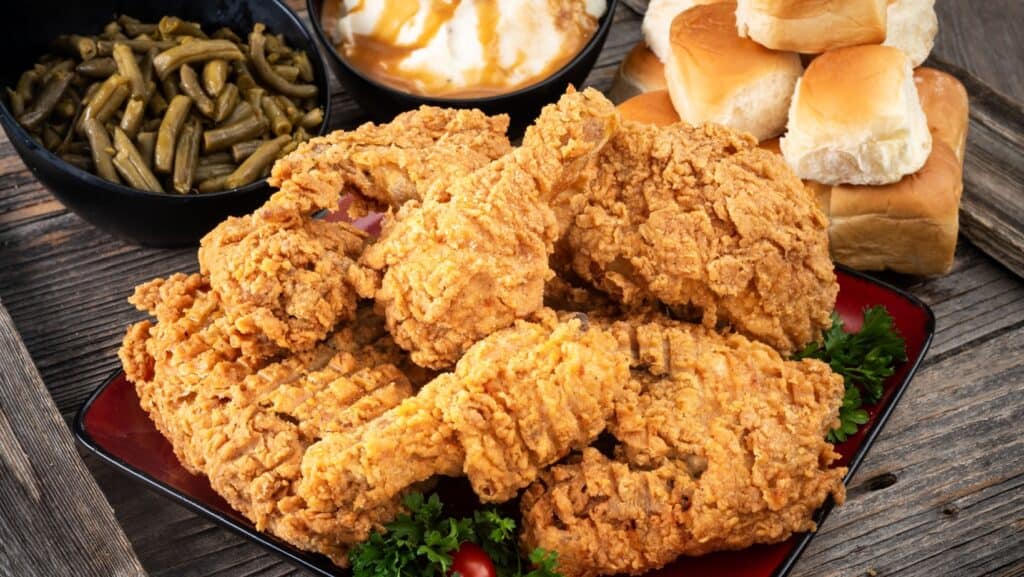
Deep-fried foods are delicious, but they are loaded with saturated and trans fats that are terrible for your blood pressure and cholesterol. The batter absorbs oil like a sponge, and when fried, the skin is essentially pure fat and salt. The high temperatures used in frying can also form harmful compounds that promote inflammation, further stressing your cardiovascular system.
Restaurants often fry foods in reused oils, which degrades the quality and makes them even less healthy. It is heavy food that sits in your stomach, taxing your body. Opting for baked, grilled, or roasted versions of your favorite foods gives you a great texture without the artery-clogging grease.
Restaurant Appetizers And Bar Food

Dining out is a significant challenge because chefs rely on salt and butter to make food taste good, and appetizers are the worst offenders. Items like loaded potato skins, mozzarella sticks, and nachos are often meant to be shared but are calorie- and sodium-bombs even in small portions. Nearly half of all U.S. adults have hypertension, according to the CDC, and frequent dining out is a significant factor because you lose control over how your food is prepared.
These starters can sometimes contain more salt and calories than your actual entrée. It sets the meal off on the wrong foot before you have even really started eating. Skipping the appetizer course or sharing a fresh salad with the table is a simple strategy to keep your sodium intake in check while still being social.
15 Things Women Only Do With the Men They Love

The 15 Things Women Only Do With the Men They Love
Love is a complex, beautiful emotion that inspires profound behaviors. We express our love in various ways, some universal, while others are unique to each individual. Among these expressions, there are specific actions women often reserve for the men they deeply love.
This piece explores 15 unique gestures women make when they’re in love. From tiny, almost invisible actions to grand declarations, each tells a story of deep affection and unwavering commitment.