13 ‘poor person life hacks’ people still use, even after they’re no longer broke
Even after the bank balance rebounds, some survival habits refuse to clock out.
Escaping the grip of financial hardship changes your bank account, but it rarely rewires your brain completely. Many of us carry the survival tactics learned during lean times into our more comfortable futures. It makes perfect sense that saving a few extra dollars feels incredibly rewarding when you remember having absolutely nothing. You might have a padded savings account right now, but those frugal instincts remain permanently encoded in your daily routines.
These ingrained habits offer a fascinating glimpse into how financial trauma leaves a lasting mark on human behavior. It is amusing how American consumers hold onto seemingly irrational money-saving quirks despite earning six figures. Some people will fiercely guard a stash of plastic grocery bags while driving a luxury car to the supermarket. We are going to explore some highly relatable cheapskate habits that wealthy individuals refuse to abandon.
Saving Every Single Plastic Grocery Bag
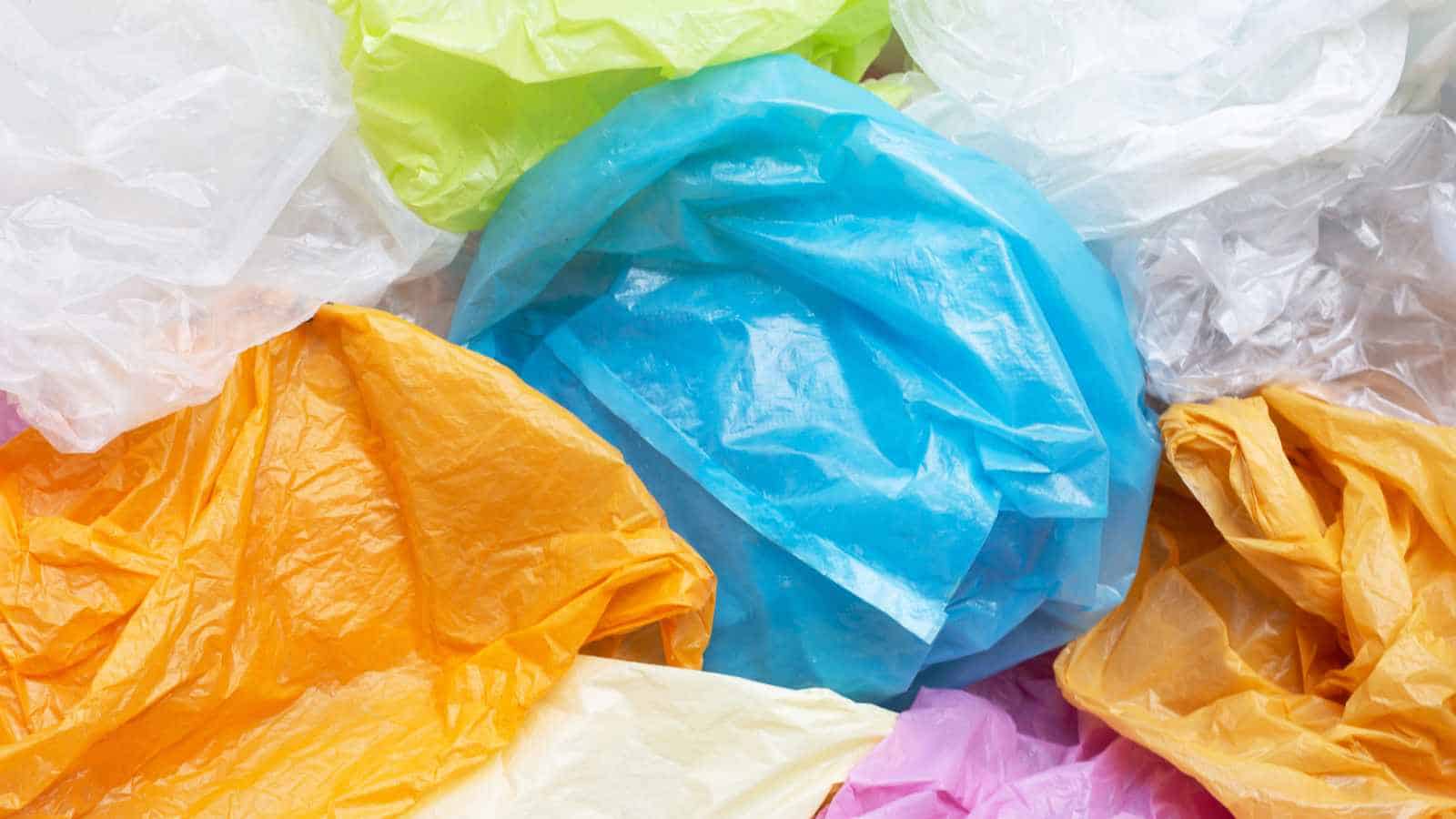
The cabinet under the kitchen sink is usually a treasure trove of crinkled plastic bags waiting for a second life. You can easily spot a former broke person by their refusal to throw away a perfectly good grocery sack. They carefully fold them into little triangles or stuff them into one master bag until it overflows.
Those flimsy sacks serve as tiny trash can liners or dog waste bags for people who refuse to buy dedicated garbage bags. Buying small plastic bags just to throw them away feels like a complete waste of hard-earned cash. Old habits die hard, especially when those habits involve getting something useful for absolutely free.
Adding Water To The Last Drop Of Soap

Nobody who has ever struggled to pay a utility bill will toss out a shampoo bottle that still has suds inside. Adding a splash of warm water to the bottom of the dish soap bottle extends its lifespan by at least a week. You shake it up vigorously and suddenly have enough cleaning power to tackle a whole sink full of dirty dishes.
This trick works wonders for body wash, laundry detergent, and even expensive facial cleansers. Manufacturers definitely want you to throw the bottle away early and run back to the store for a replacement. Refusing to waste that final ounce of product is a silent rebellion against corporate greed.
Hoarding Fast Food Condiment Packets

Every American refrigerator seems to have a dedicated drawer filled to the brim with leftover ketchup and soy sauce packets. People who grew up with tight budgets view these free condiments as a legitimate backup grocery supply. Grabbing a few extra napkins and taco sauces feels like hitting a tiny jackpot at the drive-thru window.
You will rarely catch a frugal survivor paying full price for a bottle of hot sauce when they have thirty packets at home. A survey by Drive Research indicates that Americans actively look for ways to cut grocery costs, including utilizing free condiments. It takes genuine willpower to walk away from a fast-food counter without grabbing a fistful of free salt and pepper.
Turning Old T-shirts Into Cleaning Rags
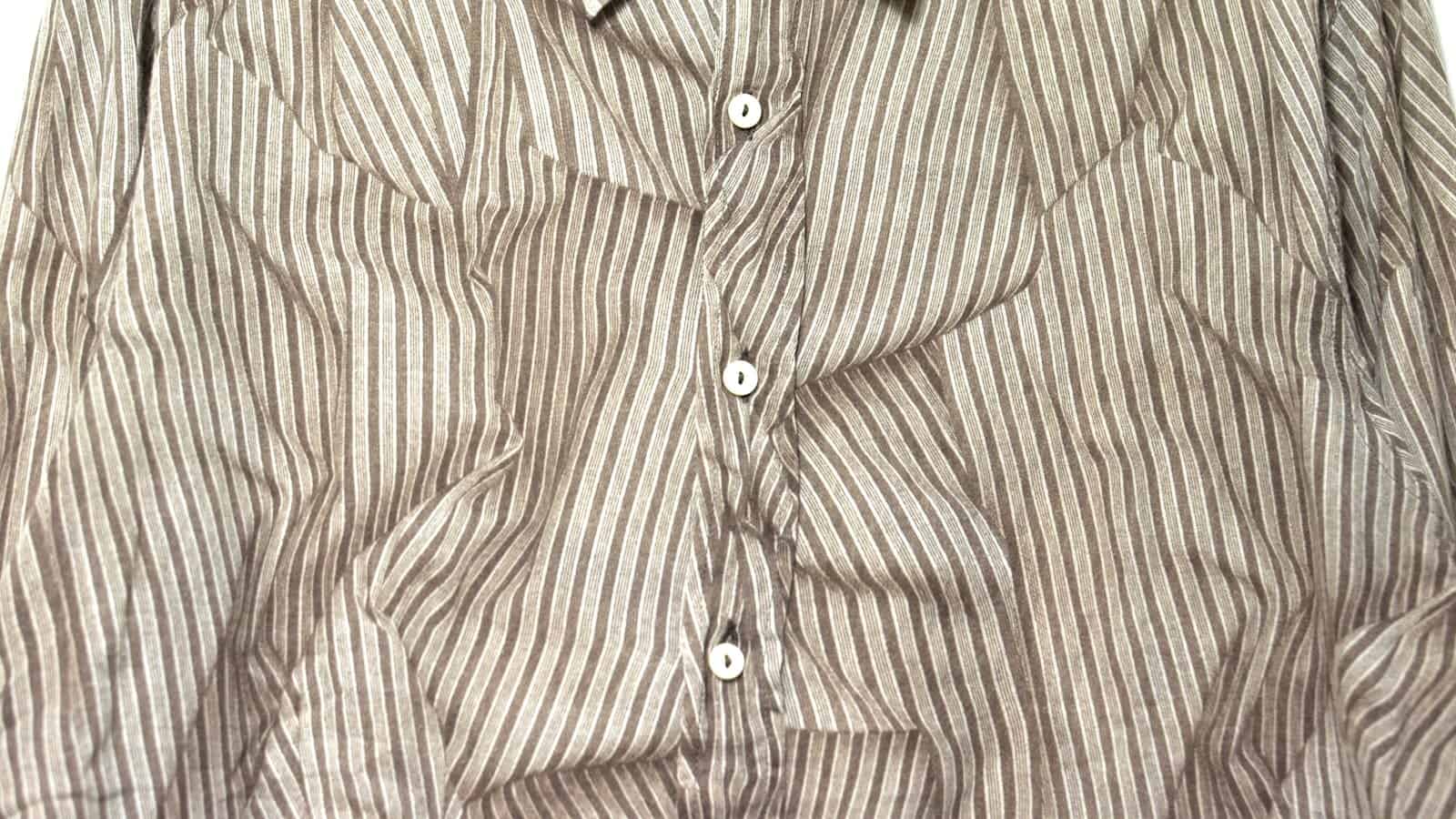
Throwing away a shirt just because it has a hole in the armpit is practically a cardinal sin in frugal households. Cutting up faded clothing to use as dusters is a brilliant way to avoid buying expensive paper towels. Those soft cotton scraps are honestly much better at polishing mirrors and wiping down countertops anyway.
You can wash and reuse these homemade rags hundreds of times before they finally fall apart completely. Retail Dive states that the US secondhand apparel market grew to 43 billion dollars, highlighting a massive cultural shift away from textile waste. Upcycling your wardrobe into a cleaning arsenal is a sustainable move that just happens to save you money.
Refusing To Pay For Shipping

The idea of paying an extra eight dollars to have an item delivered feels like an absolute scam to a thrifty shopper. Many shoppers will gladly spend an extra twenty dollars on random items just to qualify for the free shipping threshold. The math clearly makes no sense, but the psychological victory of avoiding delivery fees is incredibly satisfying.
Online retailers have completely weaponized this mentality to trick consumers into adding more items to their digital carts. According to a 2023 study by Ibotta, 83 percent of consumers actively seek out coupons and free shipping deals before completing a purchase. If a store refuses to waive the shipping fee, a true bargain hunter will simply abandon the cart and walk away.
Scraping The Bottom Of Every Jar

A butter knife is the ultimate tool for extracting that final, stubborn dollop of peanut butter from the sides of the jar. Leaving a perfectly good tablespoon of mayonnaise inside the container is a mistake that a formerly broke person will never make. They will use spatulas and sheer determination to scrape out every single calorie they paid for.
This practice extends to scraping out makeup foundations, toothpaste tubes, and expensive jars of skin cream. Some resourceful individuals will even cut a plastic lotion bottle perfectly in half to scoop out the remaining product. You truly understand the value of a dollar when you refuse to let a single drop of peanut butter go to waste.
Cooking Huge Batches Of Leftovers

Making a massive pot of chili or spaghetti on a Sunday night is a classic survival tactic for busy, budget-conscious families. Eating the same meal for four days straight is completely normal for people who know the pain of an empty fridge. It eliminates the temptation to order expensive takeout when you come home exhausted after a long day of work.
Meal prepping is just a trendy modern word for the old-school habit of stretching a dollar as far as possible. According to a 2024 report by FMI, only 32 percent of shoppers don’t actively buy groceries in bulk to stretch their household budgets. Nothing feels quite as secure as opening the refrigerator and seeing a neat stack of plastic containers filled with edible gold.
Keeping A Wardrobe For Years
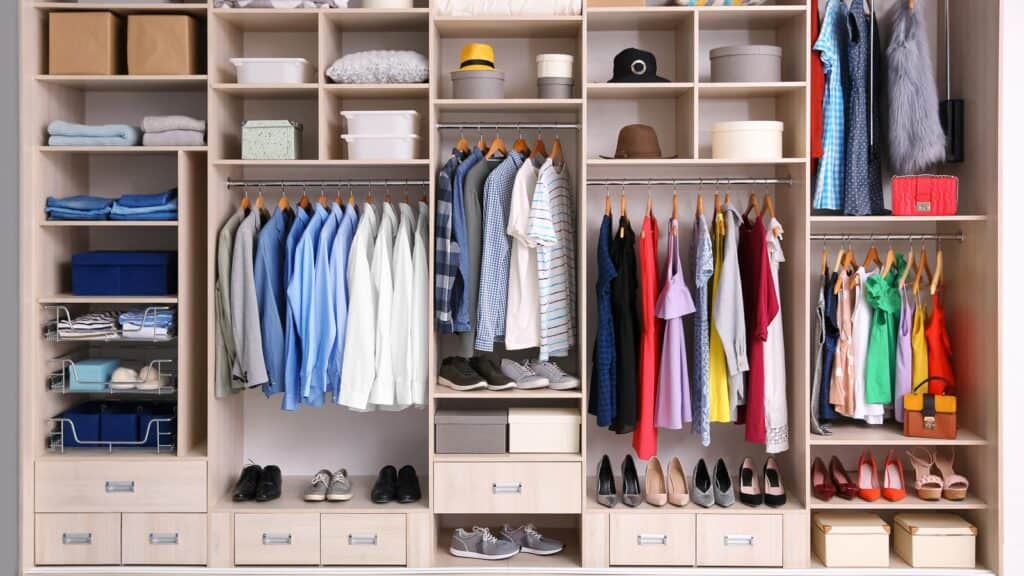
Fast fashion holds absolutely no appeal for someone who knows how hard it is to replace a winter coat. Wearing the same trusty pair of boots for five winters in a row is a badge of honor in frugal circles. They will visit the local cobbler to fix a broken sole rather than carelessly throwing the shoes in the garbage.
Mending a torn seam or sewing a fallen button back onto a shirt takes only five minutes of your time. According to Talker Research, more than half of Americans try to fix broken items themselves before buying replacements. Taking excellent care of your possessions means you can spend your disposable income on experiences instead of necessities.
Never Letting Perishable Food Expire

Throwing away a rotten bag of spinach feels like physically taking a five-dollar bill and lighting it on fire. People with a frugal mindset will constantly monitor their produce drawer and aggressively freeze anything about to go bad. Overripe bananas instantly get tossed into the freezer to be transformed into sweet breads and delicious smoothies later.
A wealthy person might toss stale bread, but a savvy survivor will turn those hard slices into homemade croutons. The freezer serves as a magical pause button for meat, vegetables, and dairy products that are nearing their expiration dates. Maximizing your food is a highly practical habit that prevents massive amounts of unnecessary domestic waste.
Driving The Car Until It Dies

The allure of a brand-new car smell easily fades when you realize how quickly a vehicle loses its monetary value. Many millionaires proudly drive beat-up sedans that are over ten years old because they despise the concept of a monthly car payment. As long as the engine turns over and the heater works, the vehicle is still considered perfectly fine.
A few dents and scratches just add character to a reliable machine that gets you from point A to point B. Skipping the dealership allows you to funnel thousands of dollars directly into investment accounts or high-yield savings plans. Owning a paid-off vehicle grants you a level of financial peace that a shiny luxury lease can never provide.
Diligently Turning Off Unused Lights
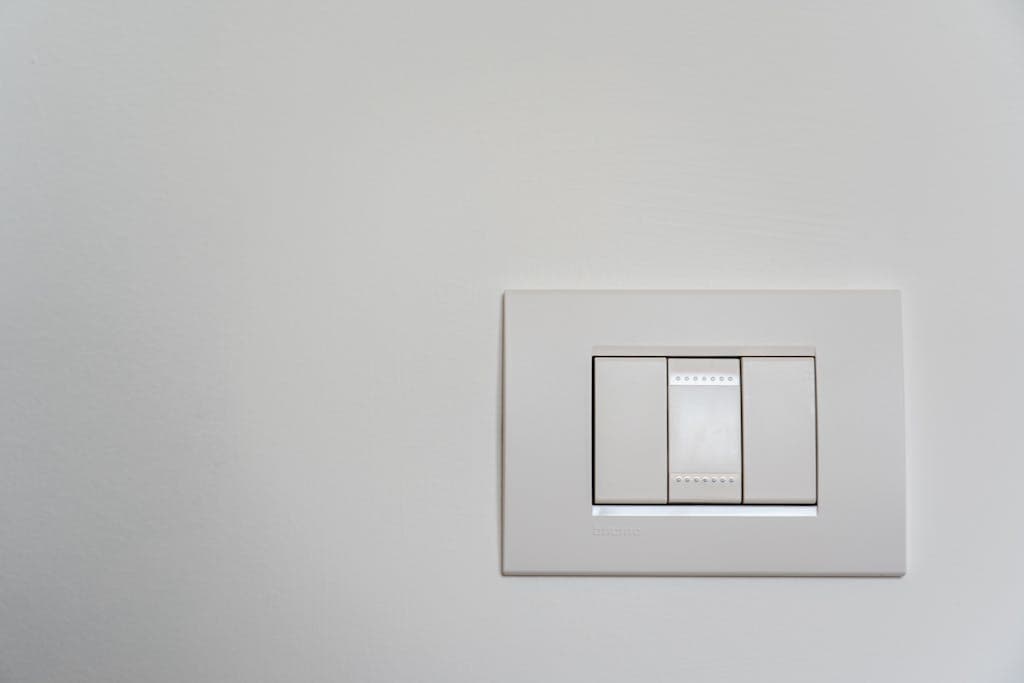
Growing up with parents who constantly yelled about the electric bill leaves a permanent mark on your brain. Walking out of a room and instinctively flipping the light switch is a reflex that you can never truly unlearn. You will even catch yourself walking through your own house in the dark just to save a few pennies.
This intense awareness of energy consumption usually extends to adjusting the thermostat and keeping the air conditioning turned down low. Heating and cooling an empty house feels like a ridiculous extravagance to anyone who has ever survived a freezing apartment. Every little flip of the switch represents a tiny victory against the ever-rising costs of basic public utility services.
Carrying A Reusable Water Bottle Everywhere

Paying three dollars for a single bottle of water at a convenience store is an offense to the frugal spirit. People who hate wasting cash will lug a heavy metal tumbler to the gym, the office, and even the movie theater. Tap water is virtually free, and paying for basic hydration feels like falling for the oldest marketing trick in history.
This simple daily habit saves hundreds of dollars a year while drastically reducing single-use plastic pollution in the environment. Recent data from CivicScience highlights that 60 percent of American adults now use reusable water bottles daily to cut costs. You will never find a thrifty person stranded at a theme park without their trusty, brightly colored hydration vessel.
Doing Everything Yourself First

Hiring a professional to fix a leaky pipe or paint a bedroom is always viewed as the absolute last resort. A person who has lived through lean times will watch four hours of internet tutorials before calling a plumber. They firmly believe that with enough patience and the right tools, they can fix almost anything inside their home.
This stubborn independence builds an impressive set of life skills and saves an astonishing amount of labor costs over time. Even if the project takes three times as long to finish, the satisfaction of doing it yourself is completely unmatched. Refusing to pay for basic services is the ultimate declaration of self-reliance for people who learned to survive on less.
Like our content? Be sure to follow us.