13 things women keep buying—and barely ever use
From unopened serums to “aspirational” workout gear, research shows women quietly waste hundreds, and sometimes thousands, each year on items they thought would improve daily life but now just occupy space. A survey by the Independent found UK households waste around £9,051 a year on unused items, including food, beauty products, and subscriptions, highlighting the scope of unnecessary spending and emphasizing the need for mindful purchases.
Understanding which purchases tend to go unused helps women prioritize spending, save money, and reduce clutter. Below are 13 everyday buys women often regret, with insights, stats, and expert commentary that explain why these items rarely make it into daily routines and how to make smarter choices.
Skincare Hauls and Backup Products

Many women stockpile facial creams, serums, and sheet masks in the hope of improving skin health, but studies indicate that a substantial portion of these products remains unused for months or even years. A Thestandard survey of 1,650 women 46% revealed that nearly half had skincare products unopened for over a year.
Overbuying can lead to expired products, skin irritation, and unnecessary financial loss. Instead, focusing on a minimal rotation of essential, frequently used items ensures optimal skin care, reduces clutter, and promotes more consistent and effective use of purchased products.
Makeup Palettes, Lipsticks, and Beauty Extras

Eyeshadow palettes, lipsticks, and other color cosmetics are frequently over-purchased and underused. Vogue highlights that 20–40% of beauty products go unused due to impulse buying, social media influence, or aspirational shopping.
Large palettes with multiple shades often remain untouched, and expired or improperly stored makeup can increase the risk of skin issues. Instead of collecting dozens of items, curating a smaller, essential set ensures that products are fully utilized, reduces waste, saves money, and protects skin from potential irritation caused by old or expired cosmetics.
Gym Memberships They Rarely Use

Gym memberships are a common example of overestimating future motivation. According to Gitnux around 67% of memberships go unused or are used only rarely, with only 18–20% of members consistently attending. Women often keep memberships due to convenience or fear of cancellation, even when attendance is minimal.
Instead of committing to a long-term plan, choosing pay-per-visit options, shorter contracts, or at-home workouts ensures better utilization, prevents financial waste, and encourages a consistent, manageable exercise routine that aligns with daily life and real motivation levels.
Clothes That Never Leave the Hanger
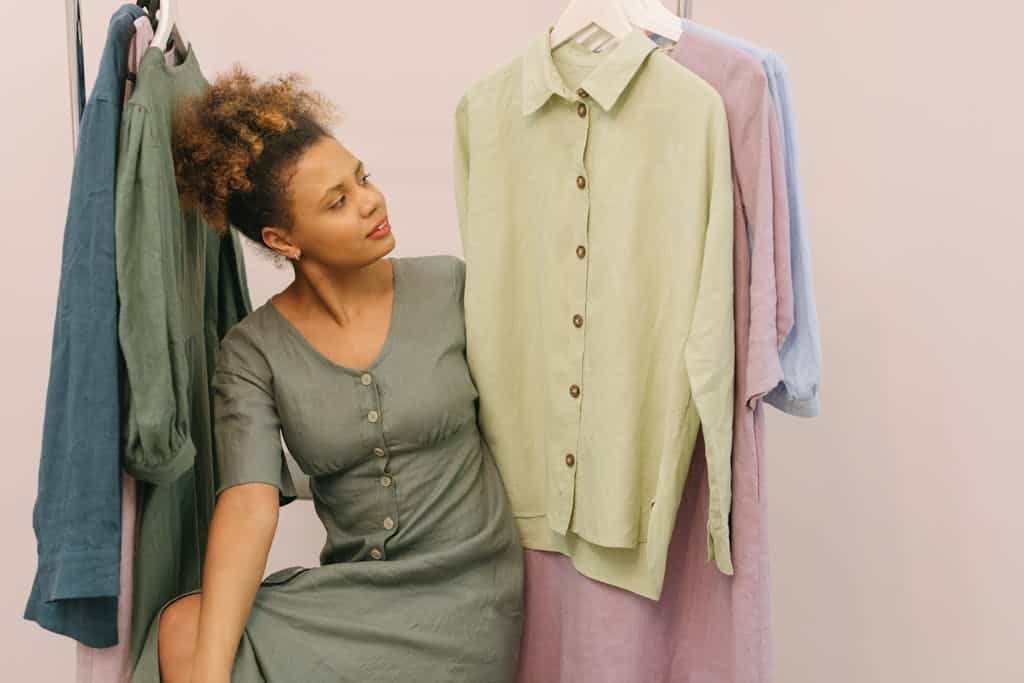
Wardrobes often contain numerous items that remain unworn. A UK survey posted on Thesun of 2,000 adults found an average of 26 items never worn, with 65% of women admitting to owning unworn clothes. Reasons include impulse purchases, aspirational sizes, or forgotten garments. These items often clutter spaces and become sunk costs.
Instead of overbuying, focusing on versatile, frequently worn pieces, maintaining a capsule wardrobe, and periodically decluttering ensures that all purchased items are used and valued, saving money and reducing unnecessary clutter-related stress.
Occasion-Only Dresses, Shoes, and Bags

Special-occasion attire is frequently purchased for weddings, parties, or other events but is often left unworn after the initial use. According to The Ladders, many women cite social comparison and fear of repeating outfits as motivators for purchases. These pieces end up collecting dust or taking up unnecessary space.
Instead, investing in multipurpose, classic, or neutral items allows women to reuse pieces for multiple occasions, reducing financial and environmental impact, while maintaining a versatile wardrobe that offers style flexibility without excess accumulation.
Hair Styling Tools and Complex Gadgets
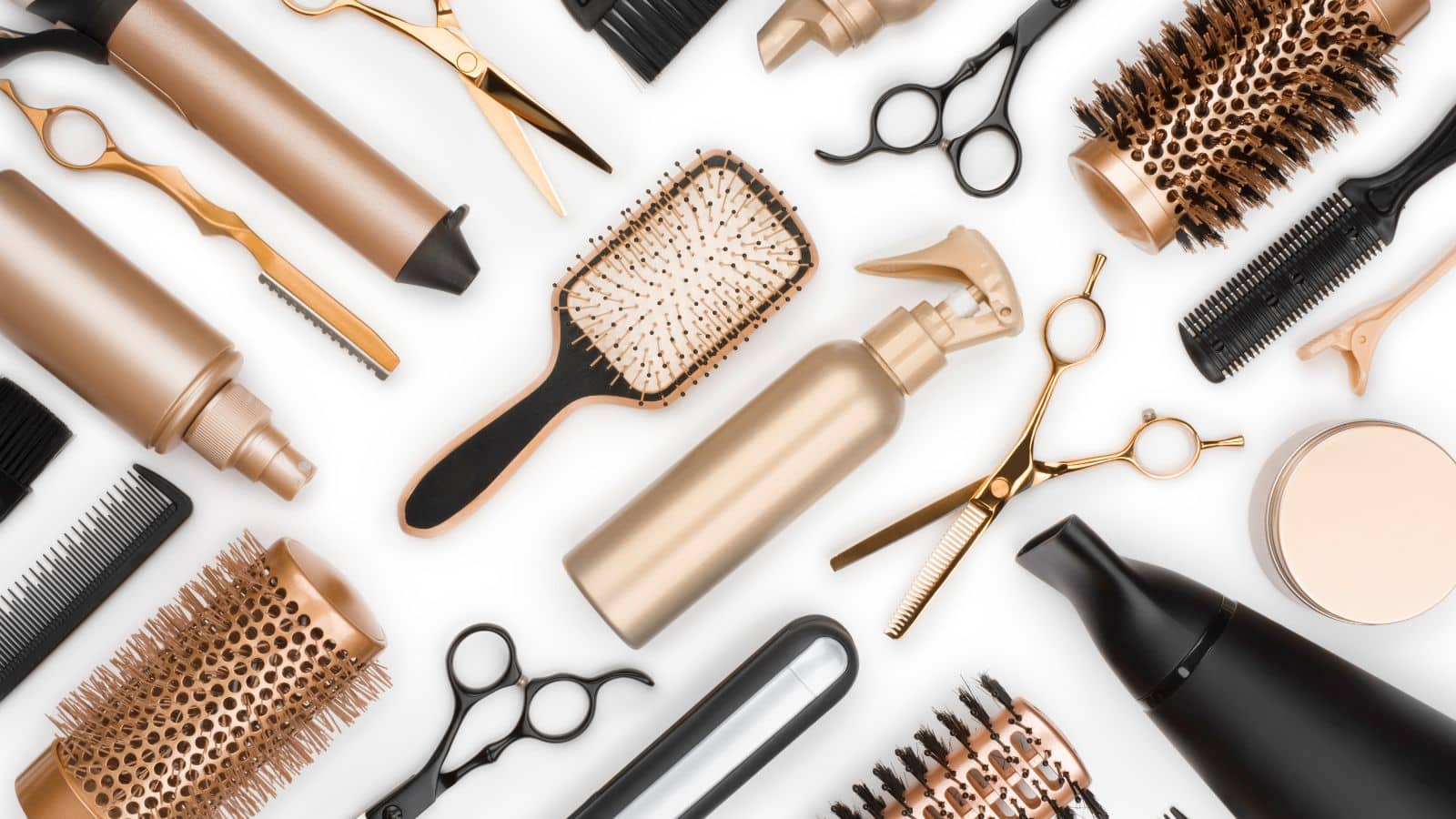
High-tech styling tools like curlers, multi-stylers, and specialty brushes often sit unused despite being purchased with high expectations. Many women revert to simpler routines or tools that integrate easily into daily habits. This leaves expensive gadgets collecting dust and taking up storage space.
Rather than buying too good to believe items or every trending product, investing in fewer, high-quality tools that align with actual styling habits ensures usability, cost-effectiveness, and practicality, allowing women to enjoy results without cluttering their living spaces with underutilized gadgets.
Skincare Devices and At-Home Beauty Tech
Devices like LED masks, microcurrent tools, and advanced cleansing brushes are often purchased for novelty, yet daily consistency is challenging, leading to abandonment.
Despite initial excitement, complexity and effort discourage regular use. Instead, focusing on essential skincare products and incorporating simple tools into a routine maximizes effectiveness, reduces clutter, and ensures that each device or product is used regularly, providing tangible results rather than becoming an expensive, forgotten gadget in a bathroom drawer.
Phone and TV Packages They Barely Watch

Women frequently overspend on multiple subscriptions, many of which go unused. GOBankingRates’ survey estimate $324 wasted annually on TV packagest due to inactivity or lack of engagement.
Automatic billing and convenience create a pattern of paying for services that offer little real value. Instead, auditing current subscriptions, canceling those rarely used, and selectively maintaining services ensures financial resources are better allocated and reduces monthly waste while still providing access to entertainment and communication when truly desired.
Kitchen Gadgets Bought With Good Intentions

Appliances like waffle makers, bread machines, and donut makers are often purchased with the intent of simplifying cooking or entertaining, but they quickly become underutilized.
Women tend to revert to familiar, simpler cooking routines, leaving these items unused and taking up space. Instead, focusing on versatile, multipurpose appliances ensures each investment is practical and functional, supporting regular use, efficient meal preparation, and overall kitchen organization without creating unnecessary clutter or wasted money.
Digital Planners, Productivity Apps, and Online Courses

At the start of the year, downloads of planners and self-improvement apps spike, but studies show most are abandoned within weeks. Women who multitask among work, family, and personal projects may struggle to maintain consistent use. Instead of overloading on tools, prioritizing a few essential apps, pacing learning, and integrating them realistically into daily routines ensures better engagement, practical productivity, and sustainable personal development, preventing digital clutter and unnecessary subscription costs.
Extra Toiletries, Body Care, and Backups

Stockpiling toiletries can seem practical, but it often leads to significant waste. A good amount annually is spent on unused toiletries on unused beauty products, contributing to waste.
Over-purchasing from promotions or bulk deals frequently results in items expiring before use. Instead, maintaining a small rotation of essential products and reviewing stock regularly ensures supplies are used effectively, reduces clutter, prevents expiration-related waste, and saves money while keeping everyday routines efficient and well-stocked.
Accessories, Jewelry, and Trend Bags
Impulse buys like scarves, costume jewelry, and trend-driven bags are often left unused. Female online shoppers regularly purchase accessories, many of which are stored. Fads change quickly, leaving these items obsolete.
Instead, focusing on classic, multipurpose accessories and versatile bags reduces clutter, ensures regular use, and allows for investment in items that complement multiple outfits while maintaining a stylish, functional wardrobe.
Diet Foods, Supplements, and Wellness Fads
Products such as detox teas, low-calorie snacks, and wellness powders are frequently abandoned after initial enthusiasm. Sales data show steep declines over several years, reflecting short-lived commitment to many health products.
Social pressure and body-image messaging drive these impulsive purchases, which often remain half-used. Instead, focusing on sustainable, enjoyable foods, practical supplements, and consistent wellness routines reduces waste, supports genuine health goals, and prevents financial loss from products that never become part of a sustainable lifestyle.
Tips on Mindful Spending and Practical Choices

Being aware of purchases that tend to go unused empowers women to make smarter financial and lifestyle decisions. Prioritizing essentials, rotating products effectively, and choosing versatile, multi-use items reduce clutter, prevent waste, and save money.
Regularly auditing household items, subscriptions, and personal care products ensures practical use, supports long-term wellness, and enhances daily routines. Mindful consumption not only improves financial health but also promotes a more organized, intentional, and satisfying living environment.
You may want to read:
- 12 valuable items women may want to sell in retirement
- 13 items Boomers should never sell, no matter what
- 10 things baby boomers are selling as they reshape America’s economy