14 Old West phrases Americans still use without knowing their origins
You likely speak cowboy every single day without even realizing it. The American West wasn’t just about gunslingers and gold rushes; it was a linguistic forge that hammered out phrases we still use in boardrooms and coffee shops today. English contains an estimated 25,000 idioms, and a significant chunk of our most colorful expressions rode in on a saddle. As the famous Western author Wallace Stegner once noted, the West is “the native home of hope,” and apparently, it is also the native home of some very sticky slang.
Why do these dusty phrases survive in our digital age? Perhaps because they capture a raw, rugged honesty that modern corporate speak lacks. You might think you are just talking about a project deadline, but you are actually referencing cattle drives, poker games, and frontier surgery. FYI, knowing the history behind these words makes you sound a lot smarter at dinner parties. IMO, it is time we paid respect to the pioneers who gave us our best one-liners.
Riding Shotgun

Today, calling “shotgun” just means you want the front passenger seat. Historically, according to John M Jennings, the person riding next to the driver on a stagecoach often literally held a shotgun to defend passengers and valuables from bandits or hostile attacks.
Western slang and transport histories note that “shotgun messenger” was a job title on Wells Fargo and other lines, and the phrase “riding shotgun” meant being armed security on dangerous routes.
Howdy

“Howdy” is still a casual hello in much of the United States, especially in Texas and ranching regions. C Lazy U Ranch describes “howdy” as the classic cowboy greeting, a clipped form of “how do you do” that fits the informal, laconic style of Western talk. Dude ranches and rodeo communities still use it routinely, which helps keep the Old West flavor alive in everyday speech.
All Hat And No Cattle

Calling someone “all hat and no cattle” is a uniquely Western way of saying they talk big but have nothing to back it up. The phrase mocks people who dress like ranchers in big hats and fancy boots but do not actually own cattle or know ranch work. The image comes straight from cattle country, where real status is measured in herds and hard work, not wardrobe.
That Dog Won’t Hunt

Southerners and Westerners still use “that dog won’t hunt” to mean “that idea will not work” or “I do not believe what you are saying.” The Idioms traces it to hunting culture in the South and West, where a dog that refuses to track or flush game is useless, and no amount of excuses will change that. The phrase migrated from literal hunting talk into a general verdict on bad plans and flimsy arguments.
The Whole Kit And Caboodle

Saying “the whole kit and caboodle” means “everything” or “the entire lot.” The Online Etymology Dictionary shows that “kit” referred to a set of tools or personal gear, while “caboodle” likely came from “boodle,” meaning a bunch or collection. Speakers used the phrase to describe a cowboy’s entire outfit or a group of people, and it stuck as a vivid way to say you are talking about the whole package.
Above Snakes

You do not hear “above snakes” as often now, but it survives in Western novels and cowboy culture and helped color later expressions about being “six feet under” or still “above ground.” Legends of America explains that if you were “above snakes,” you were still alive, since snakes were associated with the ground and the graves beneath it. It was a darkly humorous frontier way of saying, “Well, at least I am not dead yet.”
Burn The Breeze

To “burn the breeze” means to move very fast or leave in a hurry. Cowboy lingo lists define it as riding at full speed, fast enough that it looks like you are burning up the air as you go. Ranch hands used it for hard riding between line camps or when chasing strays, and the imagery has carried over into modern uses, describing speeding cars or people rushing out of a situation.
Busted Off Or Chew Gravel

Rodeo and ranch folks still talk about getting “busted off,” meaning bucked off a horse, and “chewing gravel,” meaning landing hard on the ground. Both phrases come straight from cowboy life, where rough stock and bad footing meant riders hit the dirt regularly and jokes about “eating dirt” were part of campfire storytelling.
Pull In Your Horns

Telling someone to “pull in your horns” is an old Western way of saying “back off” or “stop looking for trouble.” Art of Manliness explains that the image comes from cattle or bulls lowering and pulling back their horns when they stop charging or decide not to fight. Over time, it became a general idiom for toning down aggression, pride, or risky behavior.
Ride For The Brand

People still use “ride for the brand” in leadership and business circles to mean being loyal to your team, company, or cause. In ranch culture, a cowboy who rode for a particular brand was expected to be loyal to that ranch and its owner, protecting the cattle and the ranch’s reputation even when no one was watching. The phrase migrated from literal brands burned into hides to corporate logos and organizational missions.
Above One’s Bend

“Above one’s bend” is not as common today, but it appears in Western writing and influenced later phrases such as “above my pay grade.” Old West slang lists define it as something beyond a person’s power or reach. The “bend” likely referred to a person’s physical or figurative stretch, so a task “above your bend” was one you could not quite manage.
Balled Up

Calling a situation “all balled up” is still a casual way of saying it is tangled, confused, or messed up. Western slang references show cowboys using “balled up” to describe tangled ropes, stampeding cattle, or chaotic fights where everything and everyone were in a knot. The phrase stuck as a vivid picture of confusion long after most people stopped handling lariats.
Calaboose
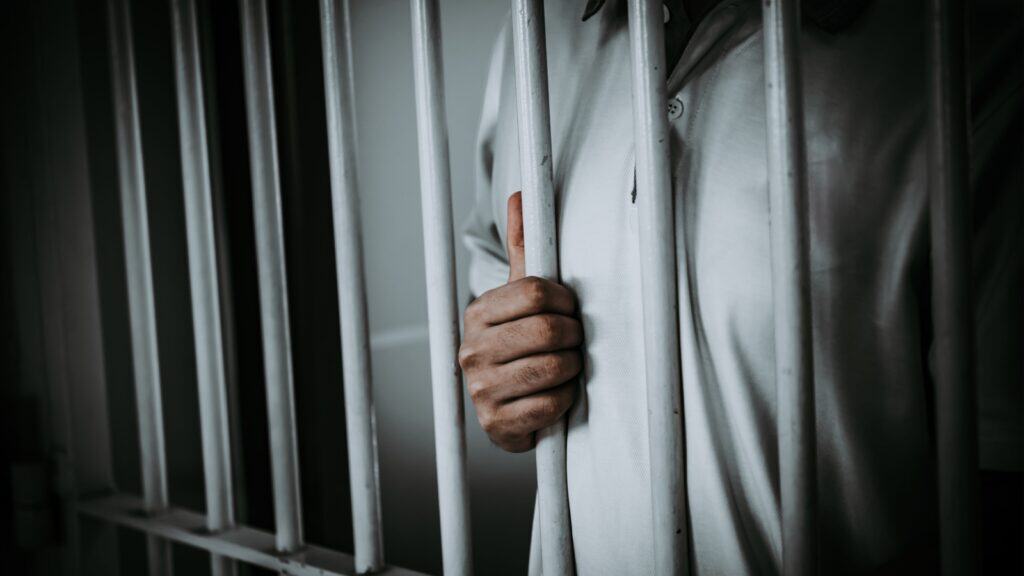
“Calaboose” is an old word for jail that sometimes pops up in country songs and period dramas. The Online Etymology Dictionary says Westerners borrowed it from the Spanish “calabozo,” meaning “dungeon” or “jail,” as Anglo settlers mixed with Mexican and Spanish speakers across the Southwest. It became part of the general Western vocabulary for the town lockup, alongside “hoosegow” and “jailhouse.”
Throw Up The Sponge

When someone “throws in the towel” or “throws up the sponge,” they are giving up or surrendering. YourDictionary defines “throw up the sponge” as a cowboy phrase for quitting, originally borrowed from boxing, where a trainer would throw a sponge into the ring to end a fight. Cowboys adopted it for everything from poker games to cattle drives, and the spirit of quitting under pressure lives on in today’s versions.
Disclosure: This article was developed with the assistance of AI and was subsequently reviewed, revised, and approved by our editorial team.
20 Odd American Traditions That Confuse the Rest of the World
20 Odd American Traditions That Confuse the Rest of the World
It’s no surprise that cultures worldwide have their own unique customs and traditions, but some of America’s most beloved habits can seem downright strange to outsiders.
Many American traditions may seem odd or even bizarre to people from other countries. Here are twenty of the strangest American traditions that confuse the rest of the world.
20 of the Worst American Tourist Attractions, Ranked in Order

20 of the Worst American Tourist Attractions, Ranked in Order
If you’ve found yourself here, it’s likely because you’re on a noble quest for the worst of the worst—the crème de la crème of the most underwhelming and downright disappointing tourist traps America offers. Maybe you’re looking to avoid common pitfalls, or perhaps just a connoisseur of the hilariously bad.
Whatever the reason, here is a list that’s sure to entertain, if not educate. Hold onto the hats and explore the ranking, in sequential order, of the 20 worst American tourist attractions.