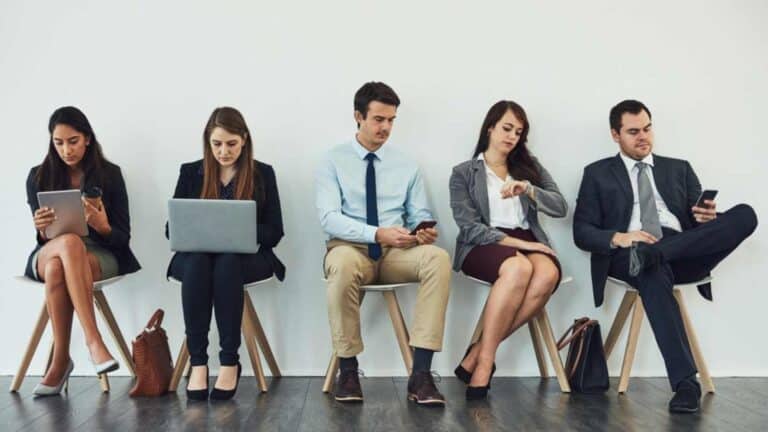
14 ways life was better before smartphones took over, according to Boomers
Data from market researcher Dscout shows that Americans touch their phones an astounding 2,617 times a day, with over 40% checking their devices within five minutes of waking up.
Smartphones have undeniably revolutionized how we interact with the world, making life more convenient in countless ways. However, for those who lived before the digital age, the absence of these constant devices provided a different kind of experience that many Baby Boomers believe was far superior.
Before the advent of smartphones, people were more present and less distracted by the constant stream of notifications. Relationships were stronger, work-life balance was easier to achieve, and disconnecting was much easier. Let’s explore 14 ways life was undeniably better before smartphones took over.
Real-World Connections Were More Meaningful and Authentic

People spent significantly more time in face-to-face interactions with family, friends, and even strangers, fostering real relationships. Without smartphones constantly demanding attention, these interactions were richer and more meaningful. Instead of relying on texts and social media, people made a greater effort to connect more deeply, whether through phone calls, handwritten letters, or in-person visits, which encouraged more genuine communication.
This deeper level of engagement was evident in every aspect of life. Communication was more thoughtful, with face-to-face conversations often lasting longer and involving fewer distractions. Whether at family dinners or casual meetups with friends, being fully present and not distracted by screens made social interactions more authentic and valuable.
Less Stress from Constant Availability and Work Intrusion

The constant pressure to be available 24/7 didn’t exist before smartphones. Work emails, urgent messages, and unexpected calls couldn’t intrude upon personal time as easily, creating a clear boundary between work and life. People were free to relax and unwind without the anxiety of being interrupted or feeling obligated to respond immediately to work-related inquiries.
With smartphones, the line between professional and personal life has become increasingly blurred. The expectation of immediate responses from emails, texts, and messages has led to heightened stress levels and a more invasive work culture. Many people now find it harder to detach from their work responsibilities, which can lead to burnout and diminished quality of personal time.
More Physical Activity and a Stronger Connection to the Outdoors

Before smartphones, people spent more of their free time engaging in outdoor physical activities. Whether it was a walk in the park, playing sports with friends, or simply enjoying a day in nature, being active was much easier without the distractions of endless apps. People were naturally more inclined to be physically active because smartphones had not yet replaced these outdoor moments with digital entertainment.
The rise of smartphones has led to a more sedentary lifestyle, with many opting to stay indoors and spend time on their devices. This shift has led to health concerns, including obesity and other related illnesses, which were less prevalent when outdoor activities were a more prominent part of daily life.
Reading and Learning Were More Immersive Without Digital Distractions

Before smartphones, people read and learned in a more immersive and focused way. Books, whether fiction or educational, demanded the reader’s full attention, offering deep immersion. Without digital notifications or social media interruptions, people could dive deeply into the material, thereby retaining information more effectively.
The presence of smartphones has significantly shortened attention spans. People now often read articles in snippets, skipping through information quickly, making it harder to retain knowledge. The constant interruptions from messages, alerts, and calls detract from the focus needed for deep, concentrated reading and learning, ultimately impacting our ability to absorb and retain what we read.
More Privacy and a Greater Respect for Personal Boundaries

In the pre-smartphone world, privacy was much easier to uphold. People didn’t feel the constant pressure to share every detail of their lives on social media platforms. Instead, personal moments and private experiences remained within smaller, trusted circles, ensuring greater control over one’s own narrative and identity.
Smartphones and social media have reshaped privacy in ways that many find unsettling. People share their lives online, sometimes without thinking of the long-term consequences. The culture of oversharing has made it difficult to maintain personal boundaries, often leading to a loss of privacy and a sense of being constantly watched or judged by others.
Focus on Quality Over Quantity in Relationships and Activities

Before smartphones, people were more focused on quality over quantity. Whether it was spending meaningful time with loved ones, pursuing hobbies, or enjoying a quiet moment, people dedicated themselves fully to these activities. This focus on quality led to a more enriching and fulfilling life, where time was valued and carefully spent.
Smartphones have shifted this focus toward quantity. With the endless scroll of social media, instant messaging, and digital notifications, people find themselves dividing their attention across numerous platforms. This constant multitasking reduces the quality of time spent on any one activity, whether it’s a conversation with family, a hobby, or personal reflection, leading to a less satisfying life overall.
Clearer Boundaries Between Work and Personal Life
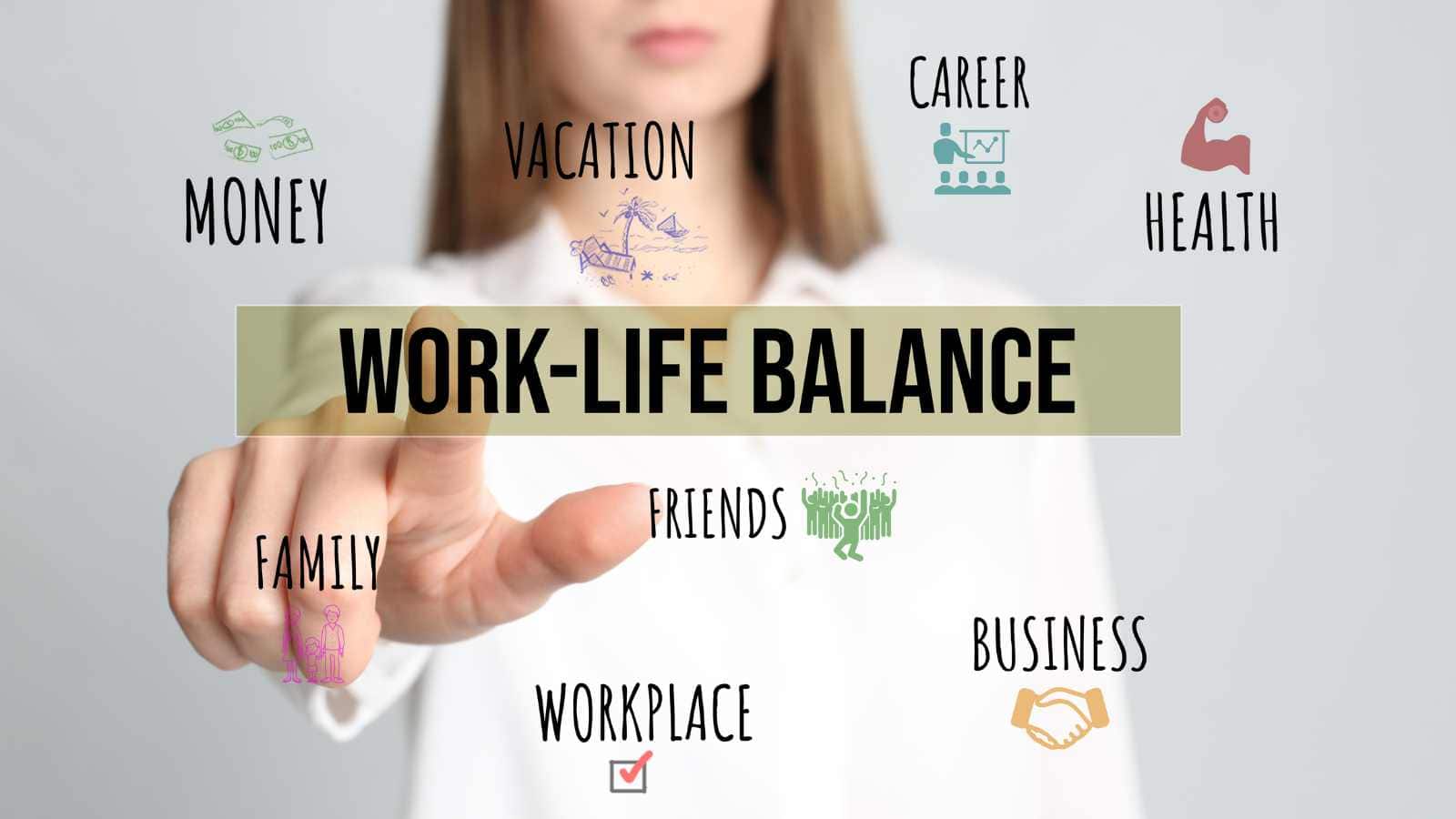
Before smartphones, maintaining boundaries between work and home life was simpler. People would leave the office and, once home, relax and enjoy their personal time without the intrusion of work-related emails or phone calls. These boundaries helped people to refresh and recharge for the next workday.
Smartphones have made it challenging to establish these boundaries. The constant influx of emails, messages, and work notifications blurs the lines between work and personal life. Many people feel as though they are always “on,” leading to an unhealthy work-life imbalance that affects their well-being and relationships.
Less Information Overload and a Slower Pace of Life

Before smartphones, the pace of information delivery was much slower and more manageable. People read newspapers, listened to the radio, or watched scheduled TV programs to stay informed, and they had the luxury of time to process the information before reacting. This slower, more deliberate pace allowed for deeper reflection and more meaningful conversations.
Smartphones have led to a constant flow of information from social media, news apps, and emails, leaving little time to absorb or reflect. This information overload contributes to a sense of being overwhelmed and mentally exhausted. The speed at which we consume news and updates has changed the way we process and internalize information, often making it harder to distinguish important details from trivial ones.
More Creativity and Less Reliance on Technology for Entertainment

Before the widespread use of smartphones, people relied on their own creativity for entertainment. Whether it was painting, writing, or crafting, people used their imagination and skills to create things from scratch. This reliance on self-driven creativity led to a stronger sense of personal accomplishment and satisfaction.
Smartphones have shifted the entertainment landscape toward a more passive experience. People now spend hours playing mobile games, scrolling through social media, or watching YouTube videos, often choosing to consume rather than create. This shift has reduced the amount of time spent on personal, imaginative pursuits, leaving many people feeling disconnected from their creative potential.
Less Anxiety About Social Comparisons and External Validation

Without the constant presence of social media, social comparisons were less frequent. People didn’t constantly see their friends’ vacation photos, achievements, or new possessions, which reduced the pressure to measure up. This lack of digital exposure allowed for a healthier self-image and more genuine relationships.
Social media platforms amplify the urge to compare oneself to others. Constantly seeing curated images of others’ lives can lead to feelings of inadequacy and anxiety, especially when people feel that their own lives don’t measure up. The need for external validation through likes, comments, and shares has created a new pressure that didn’t exist before smartphones, affecting self-esteem and mental health.
More Spontaneity and Adventure in Daily Life

Before smartphones, people were more spontaneous. It was common to decide on a whim to take a road trip, explore a new place, or simply go out without a fully planned itinerary. This sense of freedom and adventure made life feel more unpredictable and exciting.
Unplanned moments often led to the discovery of hidden gems and unexpected experiences, making life feel richer and full of possibilities. The absence of technology-driven schedules gave individuals the flexibility to embrace the moment and make decisions driven by curiosity and serendipity.
Smartphones have made exploration more predictable, with maps and reviews providing constant guidance. While this convenience is helpful, it diminishes the thrill of unplanned discovery and the surprise that once made travel exciting. This reliance on technology has reduced the sense of surprise and discovery that made spontaneous exploration so thrilling.
Less Sedentary Entertainment and More Physical Interaction

Before smartphones, entertainment often involved physical activities. Whether it was playing board games, dancing at a party, or meeting friends for a game of sports, people were more likely to get up and move during their leisure time. This balance between relaxation and physical activity contributed to a healthier lifestyle.
Smartphones have contributed to more sedentary forms of entertainment, such as binge-watching shows and endlessly scrolling through social media. These activities encourage prolonged sitting, which can lead to physical health concerns such as weight gain, poor posture, and related issues. The rise of screen-based entertainment has created a shift toward more passive, less physically engaging ways to pass the time.
More Face-to-Face Socializing and Meaningful Interactions

Socializing was more personal and genuine before smartphones. Without the distractions of texting, social media, or notifications, people could have more meaningful, uninterrupted conversations. Whether at social gatherings or in quiet one-on-one moments, face-to-face interactions fostered deeper connections. These interactions allowed individuals to truly engage with one another, creating lasting bonds that went beyond surface-level exchanges.
Now, smartphones often interfere with in-person moments. People are often glued to their screens, checking messages or scrolling through social media during social gatherings. This division of attention detracts from the quality of socializing and can create a sense of emotional distance, even in close relationships.
More Control Over Personal Time and Less Digital Distraction

Before smartphones, people had more control over their personal time. If someone didn’t want to respond to a call or message, it was easy to disconnect and enjoy private moments without feeling constantly “on call.” This freedom allowed people to focus on hobbies, relaxation, and meaningful activities without digital interruptions.
Smartphones have made it difficult to maintain this control. With the constant barrage of notifications, messages, and work-related emails, people feel compelled to stay connected at all times. This constant connectivity has led to a significant loss of personal time and a growing inability to truly disconnect.
Stronger Sense of Community and Local Connection

In the days before smartphones, communities were more tight-knit. People attended local events, supported neighborhood businesses, and formed deep connections with those around them. A sense of belonging was built through regular, face-to-face interaction with others. These genuine connections fostered a stronger sense of trust and camaraderie, making communities feel like extended families.
Smartphones have caused a shift towards online communities, which, while valuable, often feel less personal. The rise of digital connectivity has created a sense of isolation for many, as in-person interactions have declined. While smartphones make it easier to connect globally, they’ve reduced the quality of local, personal connections.
Key Takeaway

Life before smartphones offered a simpler, more fulfilling existence, with more meaningful relationships and less digital distraction. While smartphones have brought many benefits, they’ve also brought challenges that affect our well-being, relationships, and overall quality of life. Looking back at the pre-smartphone era, we can find inspiration to regain balance, prioritize real-world connections, and embrace a less chaotic lifestyle in a world that is constantly connected.
Disclaimer: This list is solely the author’s opinion based on research and publicly available information. It is not intended to be professional advice.
Like our content? Be sure to follow us