14 Ways the Iran War Is Raising Everyday Costs for Americans
You may never see a charge marked “Iran war” on your bank statement. Still, the conflict has found several ways to collect money from your household.
Moody’s Analytics chief economist Mark Zandi estimated that the war had cost a typical American household roughly $1,000 by late June. His estimate covers higher fuel, grocery, and airfare costs, borrowing costs, and the public cost of military operations.
That figure doesn’t mean every family has paid the same amount. A remote worker who rarely drives may feel less pain at the pump. A rural parent with a long commute, two children, and a pickup truck may feel much more.
The conflict began on February 28, 2026, based on the timeline used in Brown University’s Costs of War research. Its financial reach now stretches from oil tankers in the Strait of Hormuz to grocery carts in Ohio.
Here’s how a war thousands of miles away keeps changing the cost of an ordinary American day.
The Gas Pump Became the First Receipt

Gasoline delivers the most visible shock because drivers watch the total climb in real time. On July 20, the national average reached $4.003 per gallon as renewed fighting disrupted energy flows.
The Strait of Hormuz sits at the center of that pressure. The U.S. Energy Information Administration reports that the route carried close to 20% of global petroleum liquids consumption during the first half of 2025.
Trouble in such a narrow shipping lane can make oil traders nervous before a tanker misses a delivery. The fear of a longer shutdown can push crude prices higher, and those increases often reach gas stations soon after.
Diesel Turns Every Delivery Into a Toll
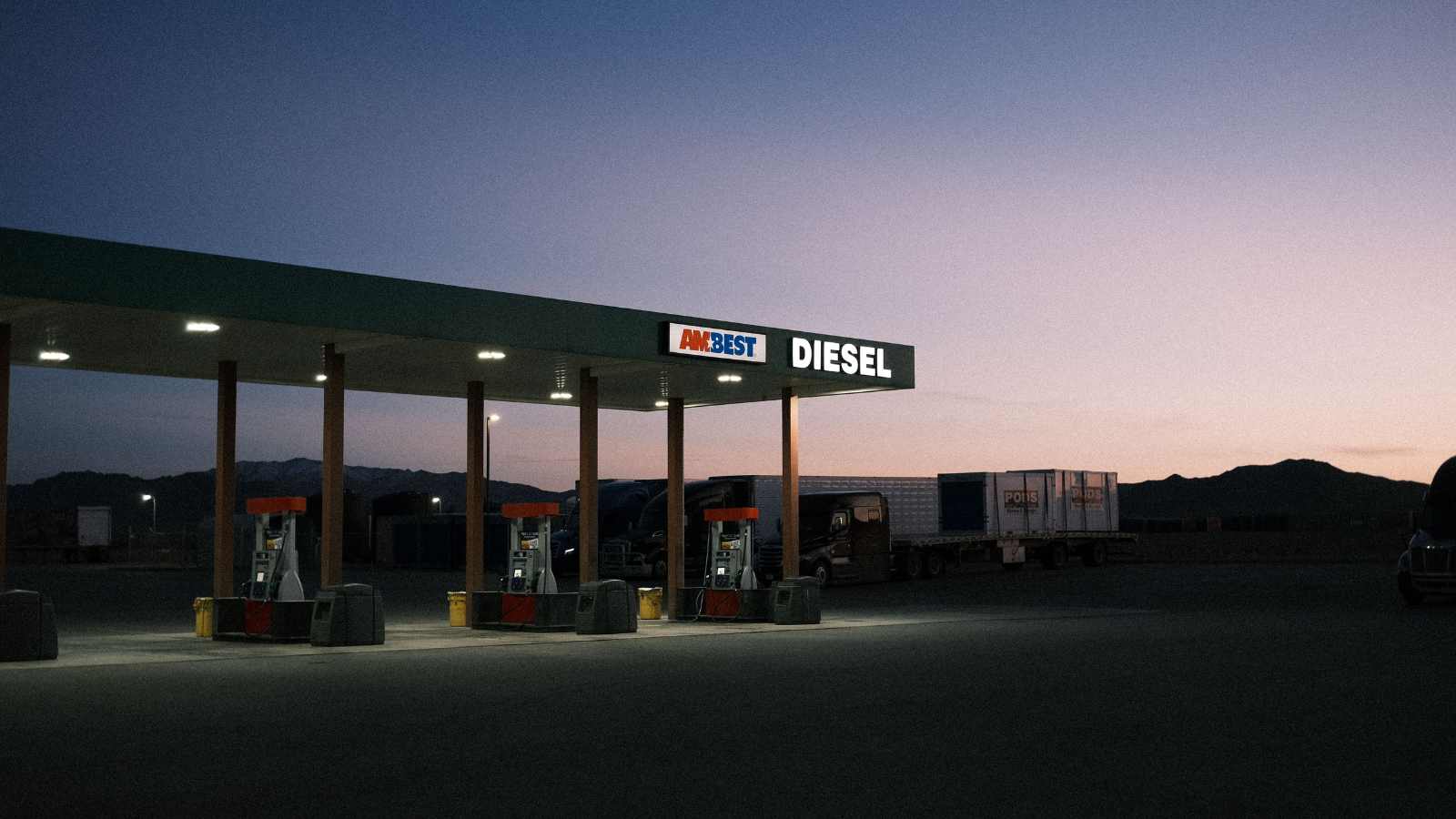
You don’t need to own a diesel truck to pay diesel prices. Most goods spend part of their journey inside a truck, train, ship, tractor, or warehouse machine that depends on fuel.
A cereal box may begin on a farm, move to a processing plant, travel to a distribution center, and end up at a neighborhood store. Diesel touches nearly every step.
Brown University’s energy-cost research describes these higher fuel expenses as an economy-wide, unacknowledged tax. The phrase fits because the charge is hidden in many small price increases rather than appearing as a single clear payment.
A retailer may pay more to receive a shipment. A delivery company may add a fuel surcharge. A warehouse may face higher power and equipment costs.
Each business may pass only part of the increase to customers. Once those smaller charges meet at the checkout lane, however, the household feels the full effect.
Grocery Carts Carry Part of the Battlefield

Food prices rise for many reasons, including bad weather, labor shortages, crop disease, tariffs, and strong demand. The Iran conflict adds another layer through transportation, refrigeration, packaging, and farm fuel.
Zandi estimated that higher fuel expenses had added close to $200 to the typical household’s grocery spending by late June. Much of that burden came from the rising cost of moving products from farms, factories, ports, and warehouses.
The effect often appears in small changes. A loaf of bread gains a few cents. Frozen food costs more to keep cold. A restaurant raises menu prices because its supplier and delivery company sent larger bills.
Ordinary food still needs energy to grow, process, store, and transport.
Fertilizer Prices Plant Tomorrow’s Food Inflation

The food problem begins before crops reach a truck. Farmers need fuel for equipment and fertilizer for many major crops.
Reuters reported that urea fertilizer prices rose by around $80 per ton from a prewar price near $470. The increase arrived as the conflict disrupted energy and fertilizer trade routes.
Natural gas plays a major part in producing nitrogen fertilizer. Reuters notes that fertilizer production depends heavily on gas as both a raw material and an energy source.
The same disruption that raises household fuel costs can raise the cost of growing corn, wheat, rice, fruit, and vegetables. Farmers may plant different crops, apply less fertilizer, delay purchases, or accept smaller profits.
Reuters also found that some American farmers were reducing fertilizer use as war-related expenses combined with drought conditions. Using less fertilizer may lower costs today, but it can also reduce future harvests.
That is why a spring fertilizer shock can affect grocery prices months later. The impact may continue after oil markets begin to calm.
Airfare Absorbs the Jet-Fuel Hit

Airlines burn huge amounts of fuel, and they can’t switch to a cheaper energy source during a busy travel week. Higher jet fuel bills put pressure on routes, schedules, and ticket prices.
Zandi’s household estimate included roughly $100 in added airfare costs. That doesn’t mean every household bought a ticket. The figure spreads the broader travel burden across a typical household model.
The conflict can raise airline expenses in two ways. Carriers pay more for jet fuel, while closed or dangerous airspace can force pilots to use longer routes.
A family planning a reunion may notice that the cheapest nonstop option has disappeared. A business traveler may pay more because the flight requires extra fuel or a longer path around restricted areas.
Even after fuel prices ease, airfares may not fall at the same speed. Airlines may first use the savings to repair profit margins damaged during the conflict.
Home Energy Bills Catch the Same Wave

Oil disruptions don’t stop at gasoline. Heating oil, propane, natural gas, and electricity markets can also react when energy supplies tighten.
The U.S. Energy Information Administration reported that the closure of the Strait of Hormuz disrupted liquefied natural gas exports. Those disruptions matter because LNG connects regional gas markets worldwide.
The effect varies from one American household to another. A home that uses heating oil may feel the shock directly. A family served by a gas-powered utility may see the impact later.
Utilities often buy fuel through contracts arranged in advance. This can delay changes in household bills, but it doesn’t always prevent them.
A power company facing higher expenses may request a rate increase, delay repairs, or postpone system upgrades. Customers may eventually pay in the form of larger bills, higher taxes, or weaker service.
Imported Goods Gain a War Surcharge
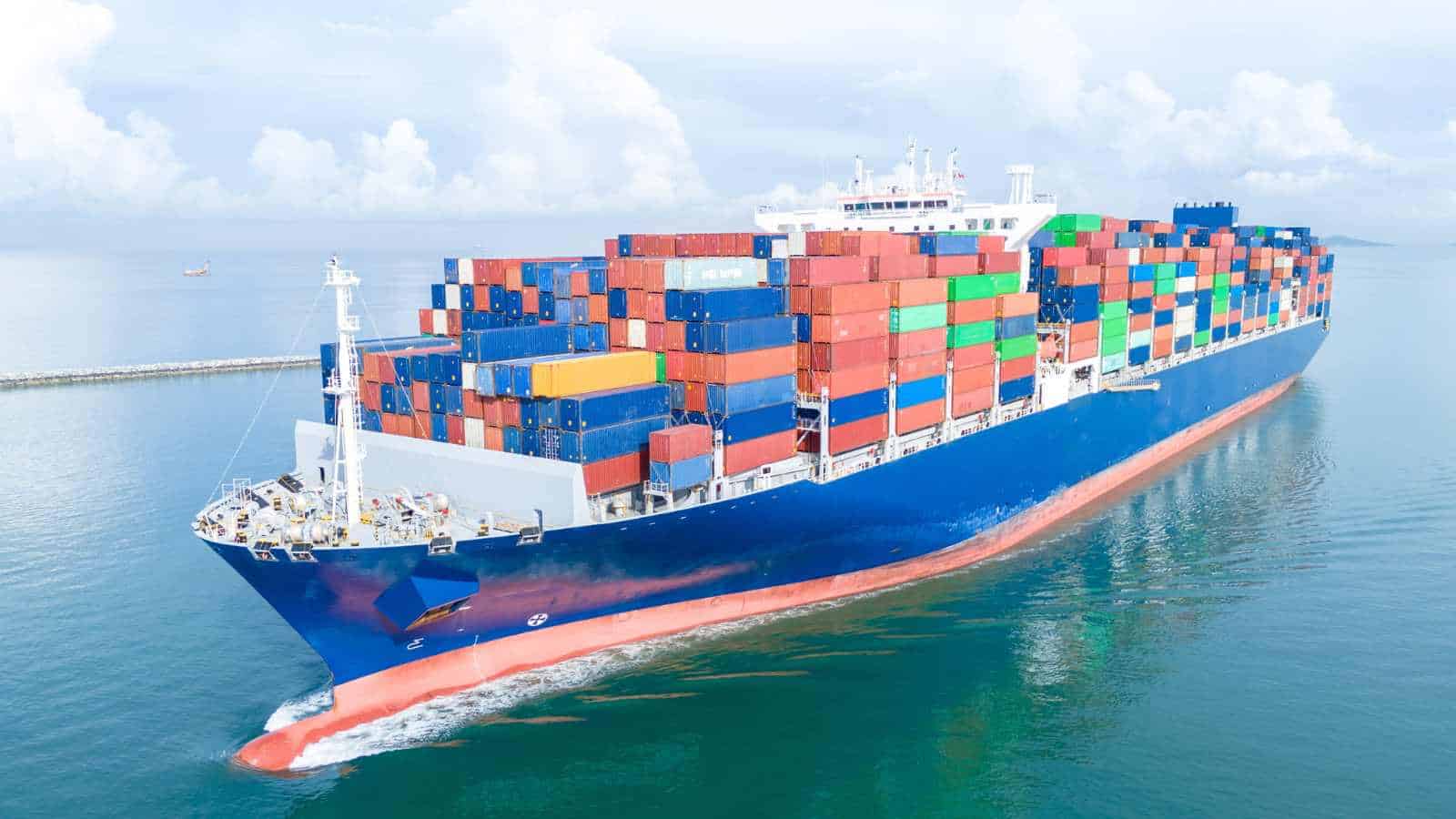
Phones, shoes, furniture, toys, appliances, and clothing often cross several borders before reaching an American store. Their final prices include fuel, freight, insurance, port handling, and warehouse costs.
Reuters reported that the cost of shipping containers from Asia to the United States had roughly doubled since the conflict began. Higher marine-fuel costs played a large part in that increase. Importers also rushed to secure space because they feared that shipping costs would continue to rise.
A store may have ordered its summer inventory months ago. That delays the price shock. Once the older stock sells and newer shipments arrive, customers may find that the same blender, laptop, or pair of sneakers costs more.
Retailers have several ways to respond. They can raise prices, offer smaller discounts, use cheaper materials, or reduce package sizes.
The customer still pays. The cost may simply be hidden in a weaker sale or in a product that doesn’t last as long.
Public Transit Faces Tighter Math

Higher fuel expenses also reach people who never drive. Many city buses, school buses, airport shuttles, and regional transit vehicles still run on diesel or gasoline.
Brown University’s research explains how diesel costs spread through transportation and power generation. Public agencies face the same fuel market as private trucking companies.
A transit agency usually works with a fixed budget. If fuel takes a bigger share, managers may delay repairs, reduce service, seek public funding, or debate fare increases.
The same pressure is felt by school districts and local governments. A district can’t stop transporting children just because diesel has become expensive. It must find the money somewhere else.
Energy inflation often takes time and money.
Interest Rates Keep Cheap Money Out of Reach
The Federal Reserve monitors energy prices because they can ripple through many parts of the economy. Higher fuel costs can raise shipping, food, travel, and production costs simultaneously.
Minutes from the Federal Reserve’s June meeting show that officials and financial markets were closely tracking the Middle East conflict, oil prices, inflation expectations, and future interest-rate decisions.
Zandi estimated that delayed relief from lower borrowing costs had added close to $150 per household. That burden may manifest as credit card debt, business loans, vehicle financing, or other debt.
This is one of the war’s least obvious effects. A person may rarely drive and never book a flight, yet still pay a higher interest charge because the broader inflation picture has changed.
Borrowers who carry credit-card balances feel the pressure each month. Small businesses also face harder choices when financing equipment, inventory, or expansion.
Mortgage Shoppers Pay for Terrible Timing

A home’s listed price is only one part of its cost. The mortgage rate helps decide how much interest a buyer pays each month and how much house that buyer can afford.
When inflation remains high, investors often demand stronger returns on long-term bonds. Mortgage rates tend to follow changes in the bond market rather than waiting for a direct order from the Federal Reserve.
CBS News reported that war-driven inflation had strained homebuyers by keeping borrowing expenses elevated.
A couple may find the right home and still lose it because the monthly payment no longer fits. Another buyer may choose a smaller property, delay the purchase, or put more of their savings toward a down payment.
Even a peace agreement may not push mortgage rates down at once. Financial markets also watch wages, federal spending, trade policy, employment, and longer-term inflation.
The fighting may happen far away, but the timing can change who gets to buy a home.
Military Operations Reach Taxpayers Too

War creates a direct public cost before any household visits a store. Aircraft need fuel and maintenance. Missiles must be replaced. Troops require transport, housing, food, medical support, and protection.
Congress can approve emergency funding without raising taxes that same week. The expense still belongs to the public.
The federal government may cover it through borrowing, future taxes, or cuts in other areas. Borrowing also creates interest payments that can remain long after the fighting ends.
That is why the household cost of war extends beyond gasoline. Some bills arrive today. Others sit quietly in federal accounts and reach citizens years later.
Inflation Spreads While Savings Lose Ground
The conflict didn’t create every price problem in the United States. Housing shortages, tariffs, wages, weather, insurance, and consumer demand also shape inflation.
Still, energy acts as a powerful carrier. When fuel becomes more expensive, it can raise the cost of moving, cooling, heating, producing, and storing goods.
Once households spend more on fuel and food, they have less cash for savings, entertainment, clothing, or emergencies. A tire replacement or medical copay becomes harder to handle because the monthly cushion has already shrunk.
This is the hidden-tax effect. Your paycheck stays the same, but it buys less.
The Burden Is Uneven Across America

National averages hide large differences. The Associated Press explains that gas prices vary across states due to taxes, refinery access, supply routes, environmental regulations, and local market conditions.
Rural households often drive longer distances and have fewer public transit choices. Workers in farming, delivery, health care, construction, and manufacturing may have no work-from-home option.
Families in colder regions may face added heating expenses. People who live near strong public transit networks may avoid some of the gasoline shock.
Income matters as well. An added fuel charge takes a bigger share of a low-wage worker’s budget than a wealthy household’s budget.
One family may cancel a restaurant visit. Another may fall behind on a utility bill or delay filling a prescription. The price increase at the pump may be the same. The sacrifice isn’t.
A Ceasefire Wouldn’t Reset Prices Overnight

Peace talks can calm oil markets fast, but household prices often fall more slowly. Businesses may still hold costly inventory. Airlines may keep fares high while rebuilding their finances.
Retailers may also need to sell products purchased under expensive shipping contracts. Farmers can’t undo planting choices made months earlier.
Gasoline had fallen below its spring peak before renewed fighting pushed the national average back above $4 on July 20. The reversal showed how quickly short-term relief can disappear.
A lasting reopening of the Strait of Hormuz could ease energy pressure. Strong domestic production and emergency reserves may also soften the impact. But falling oil prices don’t guarantee that every consumer price will drop. Some costs may remain elevated through the next planting season, travel period, shipping contract, or federal budget debate.
Key Takeaway

The Iran war isn’t confined to military maps and diplomatic meetings. It reaches American homes through gasoline, diesel, food, fertilizer, flights, energy bills, imported goods, public transportation, interest rates, mortgages, military spending, and wider inflation.
The widely reported estimate of roughly $1,000 per household isn’t a perfect total. It is a snapshot built from several changing costs, and each family will experience them in a different mix.
A commuter may feel the biggest hit at the gas station. A renter with credit-card debt may feel it through interest charges. A family planning a trip may notice it first while searching for flights.
The deeper lesson sits inside an ordinary receipt. Global conflict can enter a household budget long before anyone calls it a financial crisis.
The first sign may be a gas-station number, a missing airfare deal, a smaller grocery bag, or a loan payment that refuses to fall.
Disclaimer – This list is solely the author’s opinion based on research and publicly available information. It is not intended to be professional advice.
Like our content? Be sure to follow us.