Why you should feel uncomfortable on Martin Luther King Day
We love honoring MLK because it feels good, but the truth is his real message was never meant to make anyone comfortable.
Martin Luther King Jr. is one of the most widely celebrated figures in American history. His words are quoted across political divides. His image appears on posters, murals, and social feeds every January.
But King was not a comforting presence in his own time. He was disruptive, polarizing, and deeply unsettling to those in power and to many ordinary Americans. Remembering him honestly means accepting that discomfort is not a flaw in his legacy. It is the point. In a political climate shaped by division, exhaustion, and a hunger for stability, that discomfort matters more than ever.
How History Softens the People Who Once Disrupted It
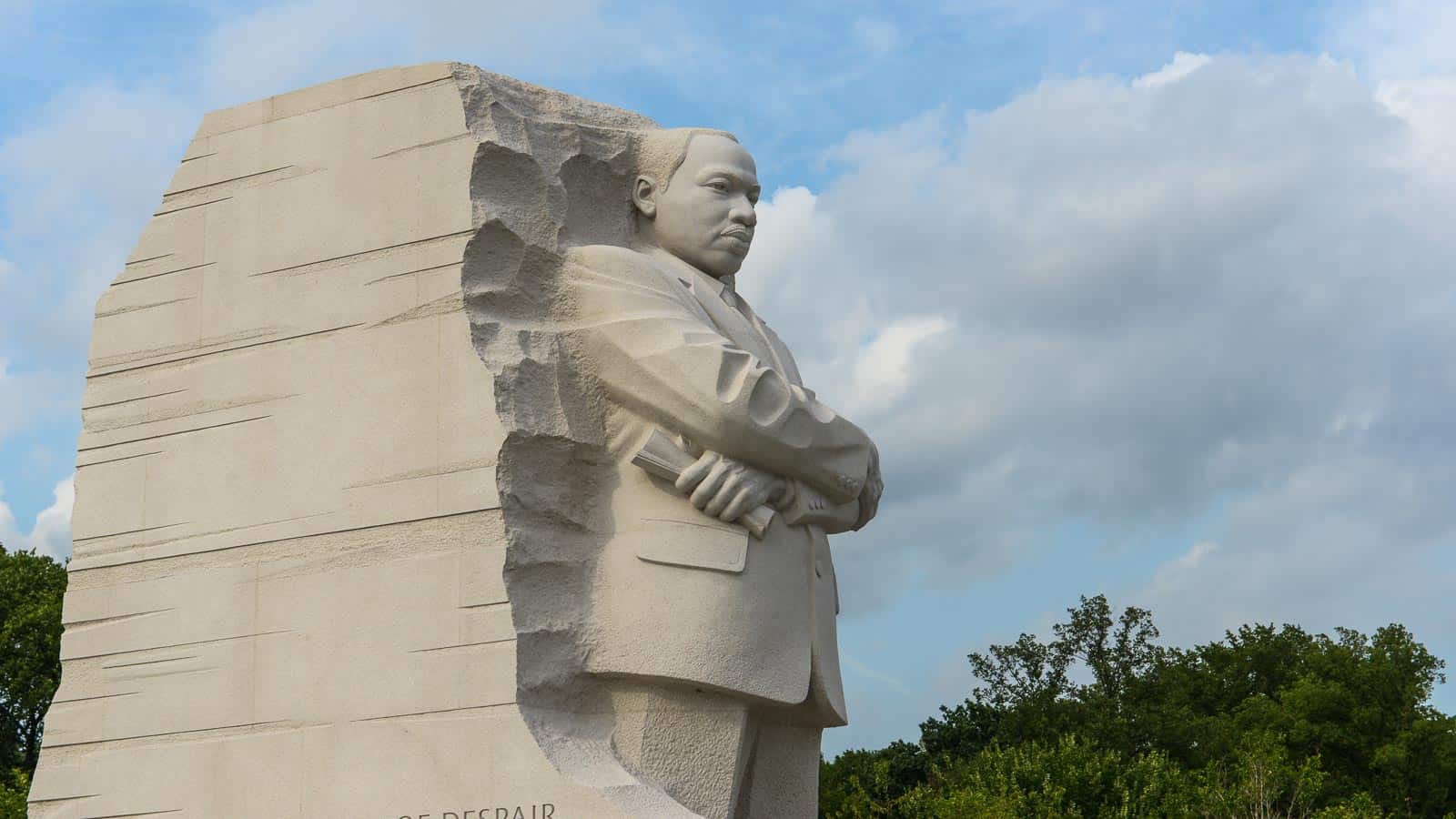
Societies have a long tradition of taming their most challenging figures after they are gone. The ideas that once threatened order are repackaged as values everyone can agree on. The conflicts that once caused upheaval are reframed as necessary steps along a smooth path of progress.
This process is not accidental. It is emotionally convenient. It allows people to celebrate change without acknowledging how hard fought it was or how many resisted it at the time. It replaces moral struggle with moral certainty.
Martin Luther King Jr. has been profoundly softened by this process. His image today is warm and reassuring. His words are quoted selectively. His demands are rarely foregrounded. His critique of power is largely absent from public remembrance.
What remains is a King who feels inspirational rather than demanding. A figure who affirms national goodness rather than interrogates national failure.
King Was Not Widely Loved While He Was Alive
It is uncomfortable to acknowledge just how controversial King was in his own lifetime. He was surveilled by the government. His phone was tapped. His movements were tracked. He received constant threats. Many newspapers criticized him openly. Political leaders warned that he was destabilizing the nation.
Polls from the 1960s showed that a majority of Americans viewed him unfavorably at various points in his career. He was accused of pushing too fast, of provoking unrest, of undermining social order.
These accusations were not fringe reactions. They were mainstream. King was not remembered as a unifying figure while he lived. He was remembered as a disruptive one.
Distance has changed that. Distance removes risk. Distance turns challenge into legacy. Proximity made King frightening. History made him safe.
Why That Discomfort Has Been Edited Out
The discomfort King caused is often edited out of modern remembrance because it complicates the story people want to tell about progress. It forces an acknowledgment that justice was resisted, not welcomed. That change was forced, not gifted. That many people who now praise King would have opposed him at the time.
This realization is unsettling. It raises uncomfortable questions about present day resistance to change. It suggests that today’s disruptive voices may one day be celebrated too.
Removing discomfort from MLK Day allows people to admire King without interrogating themselves.
Why MLK Day Feels Reassuring Instead of Demanding
For many Americans, MLK Day functions as a reassurance ritual. It offers proof that the nation has faced injustice before and emerged better. It suggests a moral arc that bends naturally toward fairness.
There is comfort in this narrative. It reduces anxiety. It allows people to believe that progress is inevitable, even when the present feels chaotic.
But King never believed progress was automatic. He warned repeatedly that justice required sustained effort and moral courage. He understood that rights could be rolled back and that gains could be lost.
When MLK Day becomes primarily reassuring, it obscures that warning.
How Celebration Quietly Replaces Accountability
Celebration feels good. It creates emotional alignment without obligation. Over time, celebration can replace accountability without anyone noticing.
MLK Day often celebrates King’s dreams without examining his demands. It praises his vision without engaging with the systems he challenged. It encourages admiration rather than evaluation.
King did not seek praise. He sought transformation. Being honored after death would have meant little to him if injustice remained intact.
When remembrance becomes comfortable, it stops asking anything of the present.
The Psychological Comfort of Believing the Work Is Finished
Believing that the hardest work is behind us is deeply comforting. It allows people to view current conflicts as aberrations rather than indicators. It frames injustice as residue rather than structure.
King rejected this framing entirely. He believed injustice adapted. He understood that systems respond to pressure but rarely dismantle themselves permanently.
The political climate shaped by Donald Trump disrupted many assumptions about stability and progress. Norms people believed were settled suddenly felt fragile. Institutions once trusted felt unreliable.
In this context, MLK Day can either deepen awareness or soothe it away.
The Trump Era and the Urge to Move On
Years of intense political conflict created widespread fatigue. Many people longed for calm, for normalcy, for a sense that the chaos had passed.
That longing is understandable. Exhaustion is real. But King would have warned against mistaking quiet for justice.
For many Americans, normal has always included exclusion, inequality, and marginalization. Returning to normal does not resolve those conditions. It simply restores familiarity.
MLK Day should not be used to close a chapter. It should be used to examine what remains unresolved.
Why Discomfort Is the Most Honest Response
Discomfort is often treated as a problem to solve. In truth, discomfort can be a sign of honesty.
If King’s words still provoke unease, it is because they still challenge assumptions about fairness, power, and responsibility. If his critiques still feel sharp, it is because the conditions that gave rise to them have not fully disappeared.
A legacy that feels entirely comfortable has been neutralized. A legacy that unsettles remains alive.
King’s Radicalism Was Strategic, Not Emotional
It is important to understand that King’s radicalism was deliberate. He was not reacting impulsively to events. He studied power. He analyzed systems. He understood how pressure forced negotiation.
Nonviolence was not passive. It was confrontational without being destructive. It was designed to expose injustice publicly and morally.
This strategic radicalism is often erased in modern remembrance. King is portrayed as hopeful rather than demanding. Inspirational rather than exacting.
Restoring this context makes MLK Day heavier. It replaces sentiment with responsibility.
The Danger of Turning King Into a Moral Symbol Instead of a Moral Standard
Symbols are easy to honor. Standards are harder to meet.
When King is treated as a symbol, his words are quoted selectively. When he is treated as a standard, his ideas require evaluation of current policies, institutions, and personal choices.
In a political climate that often prioritizes calm over change, this distinction matters deeply. King’s legacy is not proof that justice is inevitable. It is a reminder of how much resistance justice faces.
How National Pride Can Distort Remembrance
King is often invoked as evidence that the nation ultimately does the right thing. This framing transforms him into a symbol of national redemption rather than a critic of national failure.
It allows people to feel proud without feeling responsible. It turns moral struggle into moral closure.
King did not exist to make the nation feel good about itself. He existed to make it confront what it was unwilling to face.
Why MLK Day Should Create Reflection, Not Relief
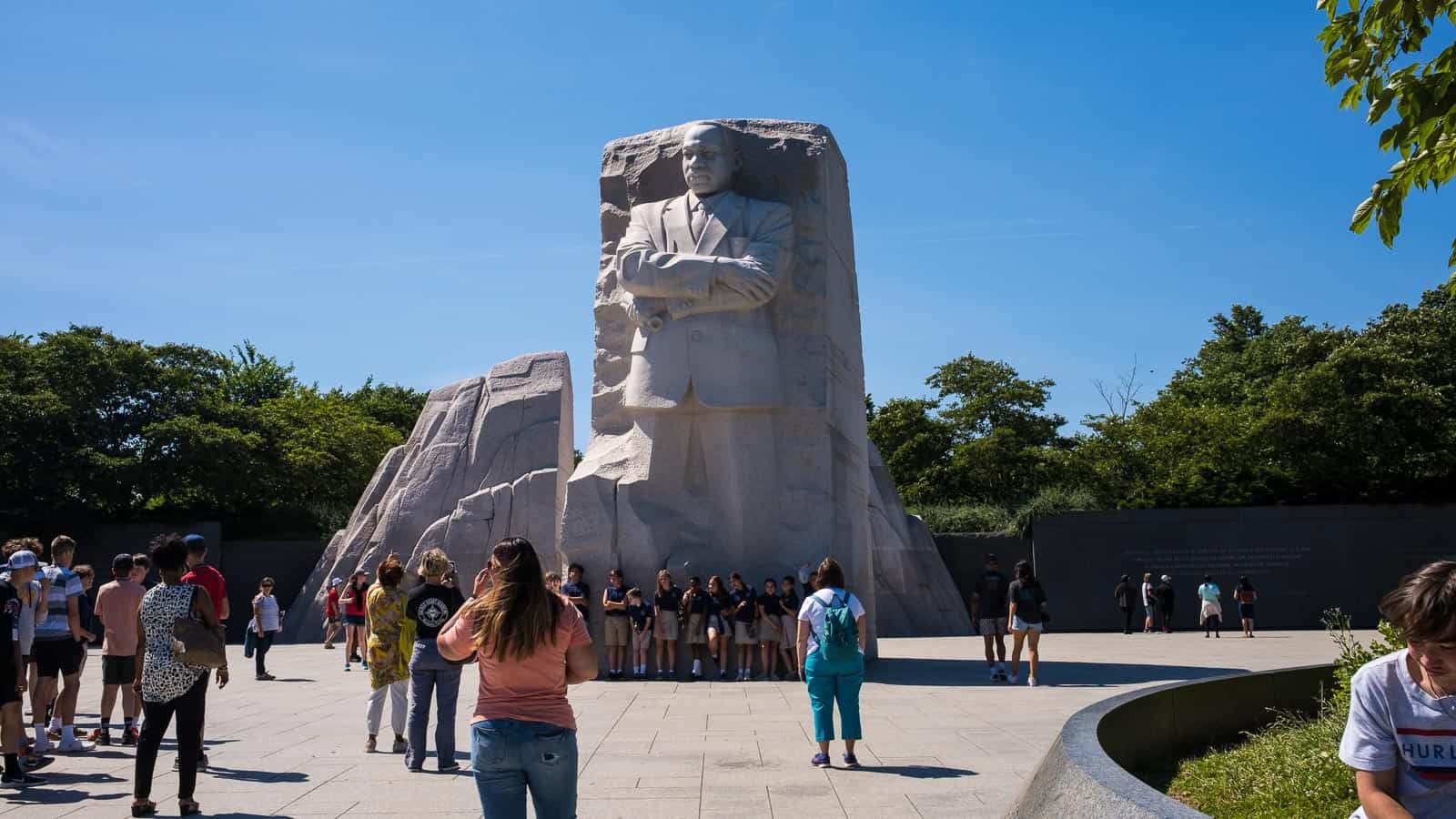
If MLK Day leaves people feeling relieved, something essential has been lost. King did not offer relief. He offered truth.
Truth is often unsettling. It demands reassessment. It challenges complacency. It forces questions that have no easy answers.
Honoring King honestly means allowing that discomfort to remain.
Discomfort as a Measure of Integrity
Discomfort is not disrespect. It is fidelity. If MLK Day unsettles, it means King’s message has not been fully absorbed or neutralized. It means his critique of power still applies.
Comfort suggests completion. Discomfort suggests responsibility.
The Takeaway
Martin Luther King Jr. Day was never meant to reassure us that justice had been achieved. It was meant to remind us how fragile progress can be and how easily it can be delayed. In an era defined by political fatigue and a longing for calm, honoring King honestly means resisting the urge to soften his message. If remembering him feels unsettling, it may be because his work is not finished and neither is ours.
The Surprising Modern Lessons Of Mahatma Gandhi: 10 Ways His Ideas Still Shape Our World

Gandhi’s century-old playbook for justice feels eerily designed for today’s battles over climate, inequality, and truth.
Mahatma Gandhi lived more than 75 years ago, but his words and actions echo in ways that feel remarkably current. Known for leading India’s independence movement through nonviolent resistance, Gandhi became a global symbol of moral courage. Yet beyond the history books, many of his principles can be applied to today’s challenges, from climate change to consumerism to social justice. Learn more.