12 Places in Idaho I’d Think Twice About Visiting Again
Idaho has quietly become one of the fastest-growing travel destinations in the American West. Between 2010 and 2020, the state’s population grew by more than 17%, bringing a surge of new residents and visitors eager to experience its alpine lakes, volcanic landscapes, and wide-open wilderness. In fact, 37% of tourism spending in the state comes from out-of-state visitors.
But popularity has a way of reshaping places. Rising crowds, escalating prices, seasonal bottlenecks, and logistical challenges have changed how some destinations actually feel once you arrive. A few locations that look spectacular in a brochure or on social media can reveal practical limitations when experienced in person.
After spending time across the state, several spots stood out not because they lacked beauty or history, but because the reality on the ground didn’t quite match the expectations built around them. These are the places in Idaho I’d think twice about visiting again, or at least approach very differently the next time.
Boise
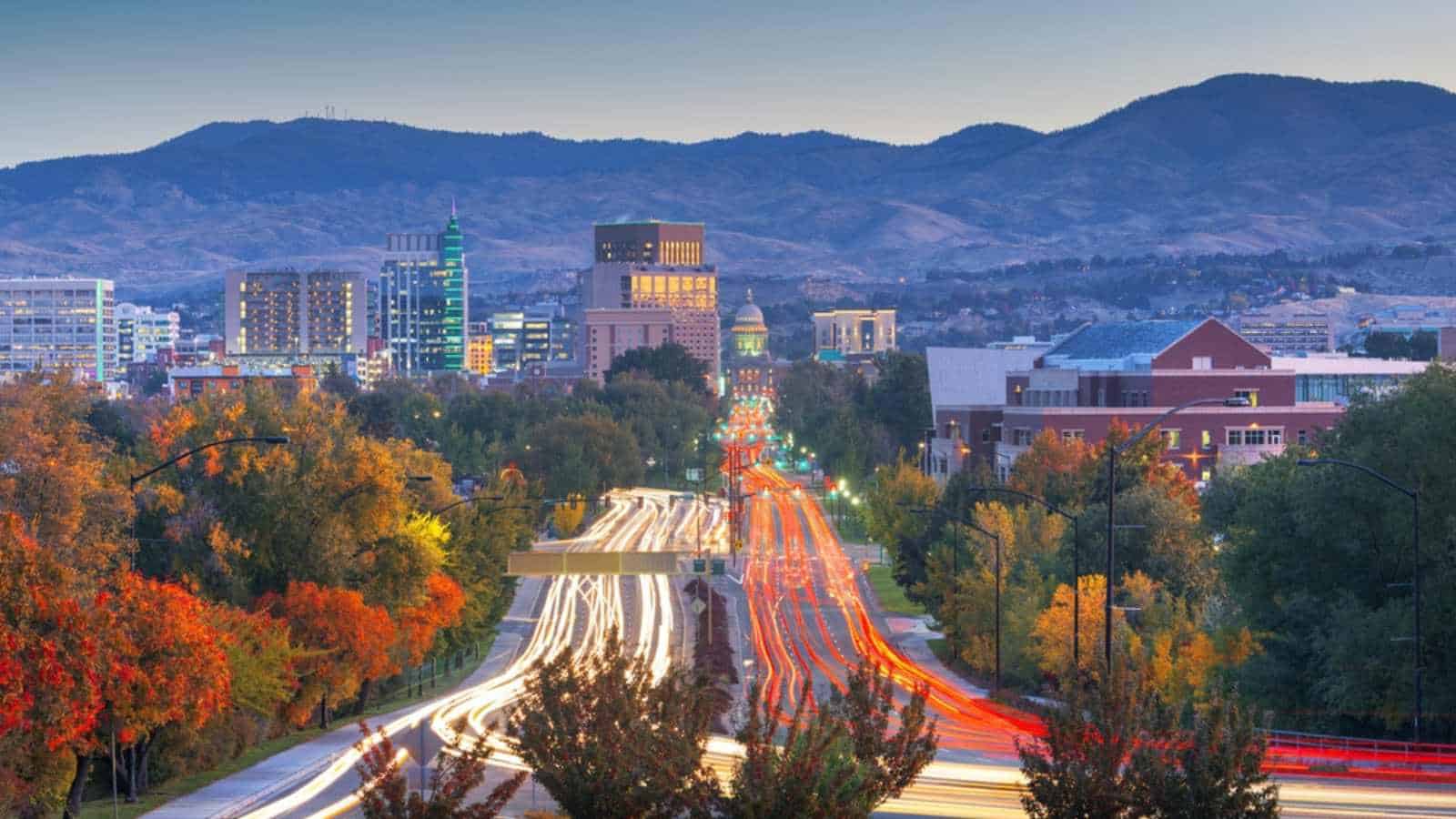
Between 2010 and 2020, Idaho was among the fastest-growing states in the U.S., with the Boise metropolitan area bearing the brunt of that influx. For a traveler, this manifests as a tangible shift in atmosphere.
The once-quiet Boise River Greenbelt now faces bicycle traffic jams, and the popular hiking trails of the Boise Foothills, such as Camel’s Back Park, have experienced significant erosion and overcrowding.
The rapid pace of net migration has outpaced infrastructure development. This results in big-city problems: namely, traffic congestion on I-84 and skyrocketing hotel rates, without the expansive public transit systems found in older metros.
While the Basque Block remains a cultural gem, the downtown core often feels like a construction zone.
Sun Valley
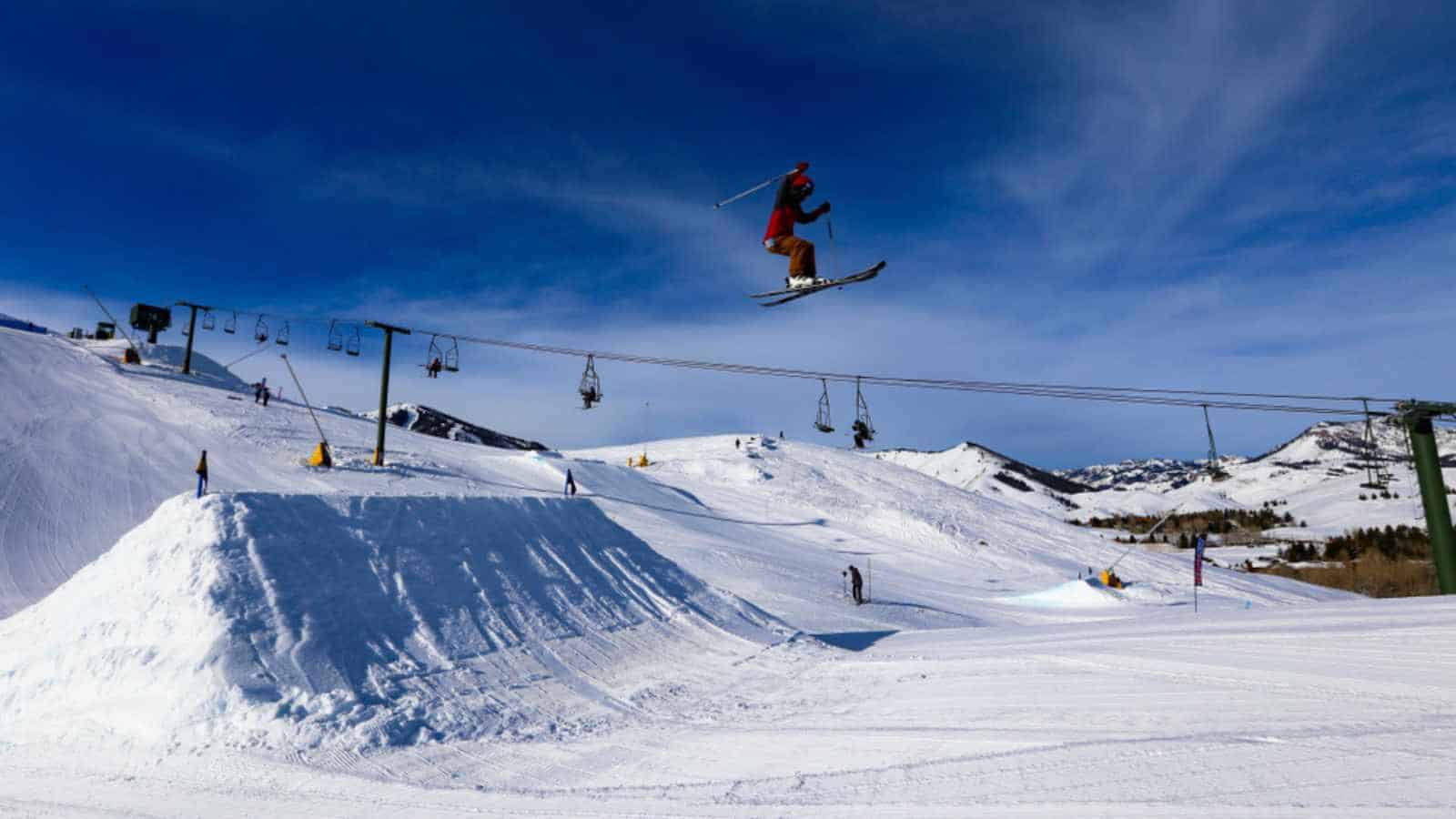
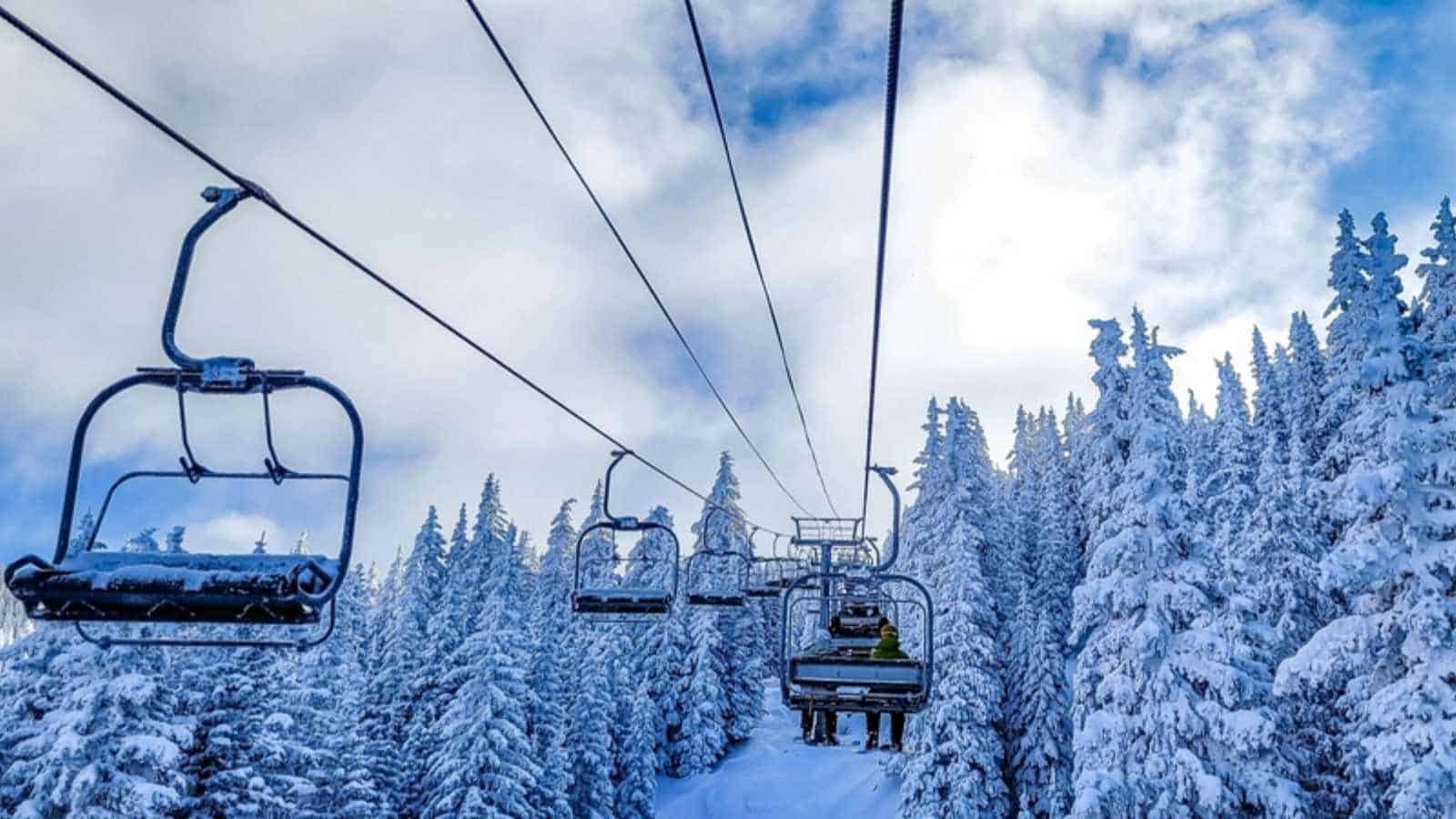
Sun Valley holds a storied place in American history as the nation’s first destination ski resort, immortalized by Ernest Hemingway and countless Hollywood icons. But today, the luxury tag comes with a price point that can alienate even the seasoned traveler.
During peak winter months, lift tickets at Bald Mountain frequently exceed $200 per day, putting it in the same stratosphere as Vail or Aspen. When you factor in lodging in Ketchum, where the median home price has soared past $1 million, the small-town charm begins to feel like an exclusive gated community.
In a study by the University of Montana’s Institute for Tourism and Recreation Research, the “amenity migrant” effect is noted as a primary driver for these rising costs, as wealthy seasonal residents drive up the price of basic services.
Dining out often requires reservations weeks in advance, and a simple lunch for two can easily eclipse $80. If your goal is a quiet retreat, the constant hum of private jets at Friedman Memorial Airport serves as a persistent reminder that this wilderness is highly curated.
Shoshone Falls
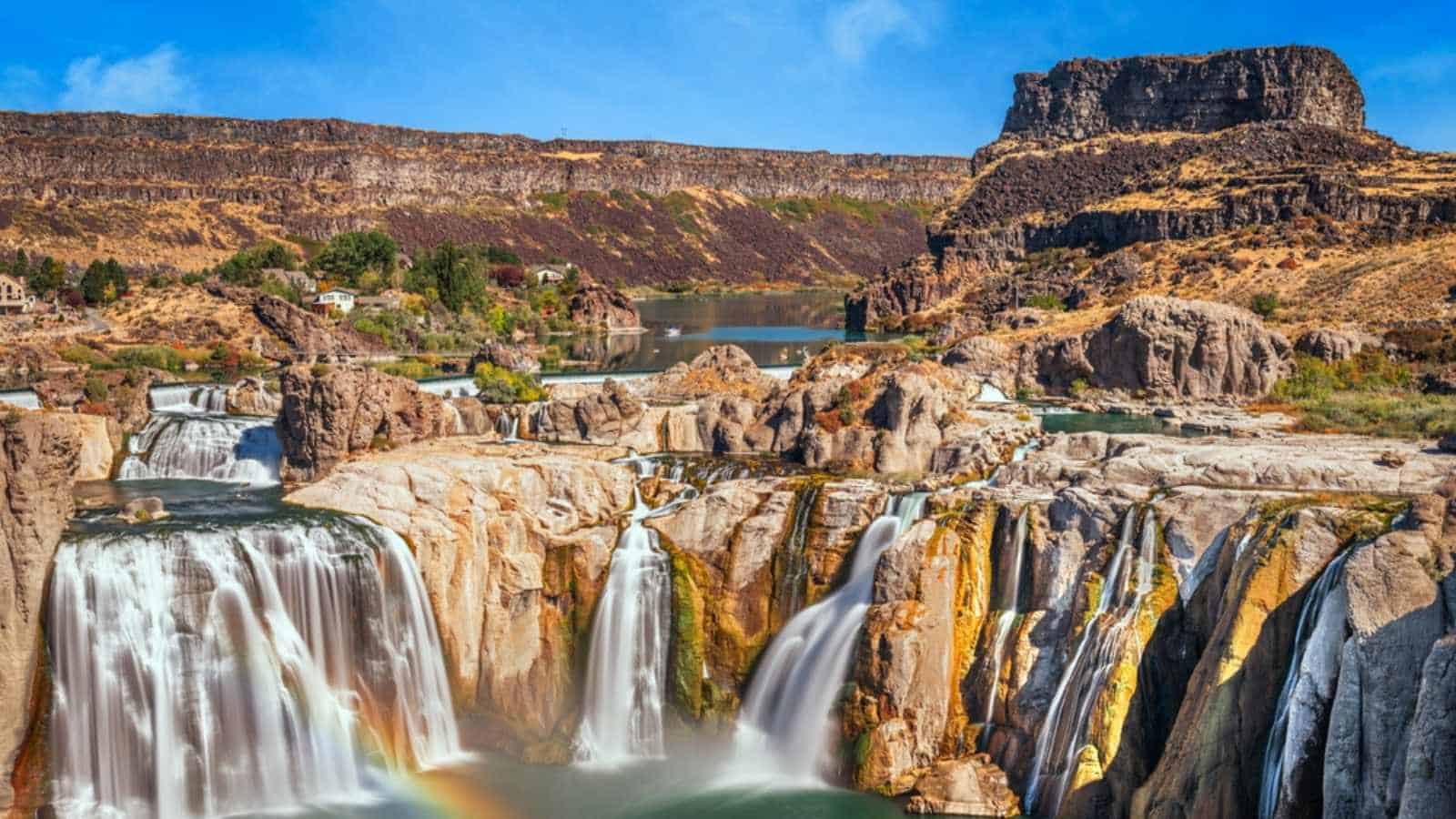
The visual of the Snake River plunging over the basalt cliffs is breathtaking, particularly during the spring runoff. However, the site’s visitability is surprisingly thin. Most travelers find that after paying the vehicle entry fee and walking the 500 feet from the parking lot to the observation deck, they have seen 90% of what the park offers in under fifteen minutes.
The experience is also highly dependent on seasonal water management. Because the Snake River is heavily diverted for irrigation, the falls can dwindle to a mere trickle by late summer. The Idaho Department of Water Resources manages these flows meticulously, and while irrigation is the backbone of the local economy, it can result in a dry waterfall that feels underwhelming after a long drive.
Some visitors enjoy the nearby canyon springs for kayaking, but as a standalone destination, Shoshone Falls can feel more like a scenic pull-off than a day trip. It is a classic Instagram vs. Reality scenario where the photo takes longer to edit than the site took to explore.
Silverwood Theme Park
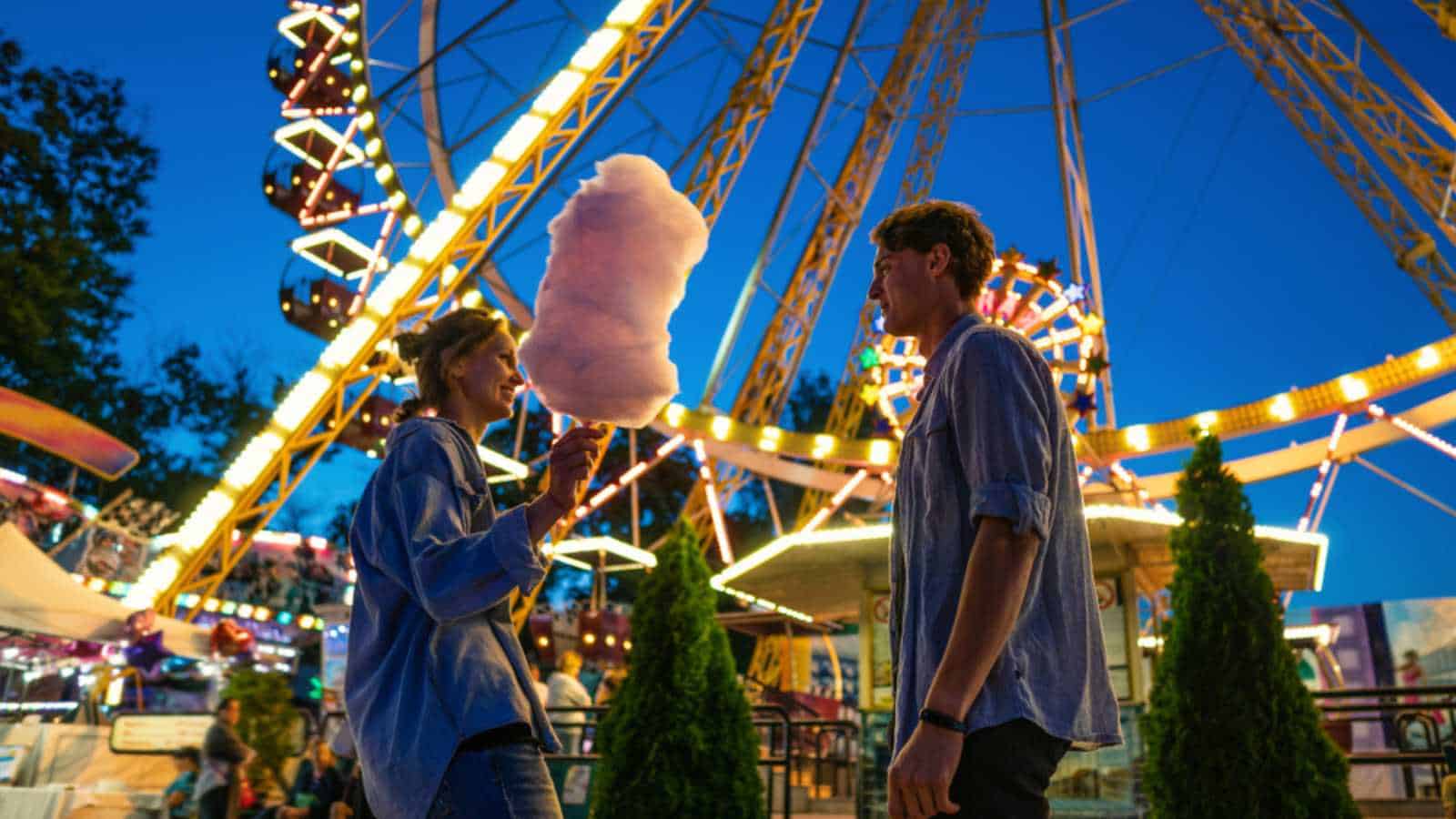
Located in Athol, it is a primary draw for families across three states and two Canadian provinces. During the peak of July and August, however, the park’s capacity is tested to its limits. Wait times for marquee attractions can regularly exceed 90 minutes, and the Boulder Beach water park section often becomes a literal sea of humanity, where finding a single vacant lounge chair feels like winning the lottery.
The waiting game is exacerbated by the Inland Northwest’s intensifying summer heatwaves, during which temperatures frequently reach 95 degrees Fahrenheit. The bonus goes to the park’s cleanliness and well-maintenance, the sheer volume of visitors in such a concentrated space can lead to “theme park fatigue” by mid-afternoon.
Interestingly, a contrarian view holds that Silverwood’s tickets after 3:00 PM offer the best value, allowing visitors to skip the midday heat and crowds. But for the full-priced morning arrivals, the ratio of standing in line to riding can be frustratingly lopsided, leaving one wondering whether the drive to Northern Idaho was worth the exhaustion.
Coeur d’Alene
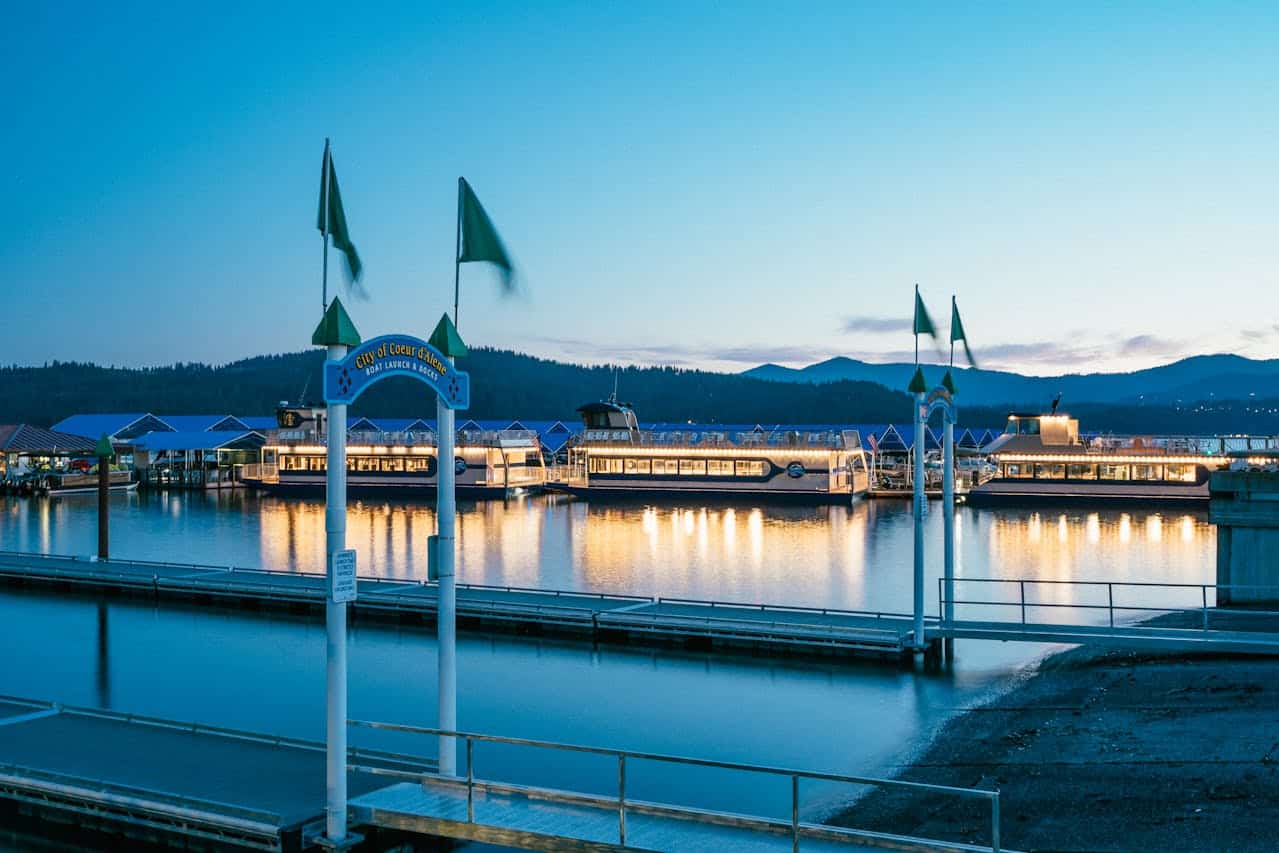
Coeur d’Alene is the crown jewel of the Idaho Panhandle, centered around a lake that National Geographic once called one of the most beautiful in the world. But that beauty has become a magnet for massive seasonal crowds, shifting the town’s vibe from quaint lakeside retreat to overtaxed tourist hub.
During the summer months, finding parking near the famous floating boardwalk is a Herculean task, and the public beaches like City Park are often packed shoulder-to-shoulder.
Local economic reports highlight that tourism is a multi-billion-dollar industry for the region. The rise of short-term rentals has tightened the housing market, and the service industry struggles to keep pace with the summer surge, leading to long wait times at popular eateries on Sherman Avenue.
The Tubbs Hill hike offers stunning vistas but the trail can feel more like a city sidewalk during a holiday weekend.
Craters of the Moon
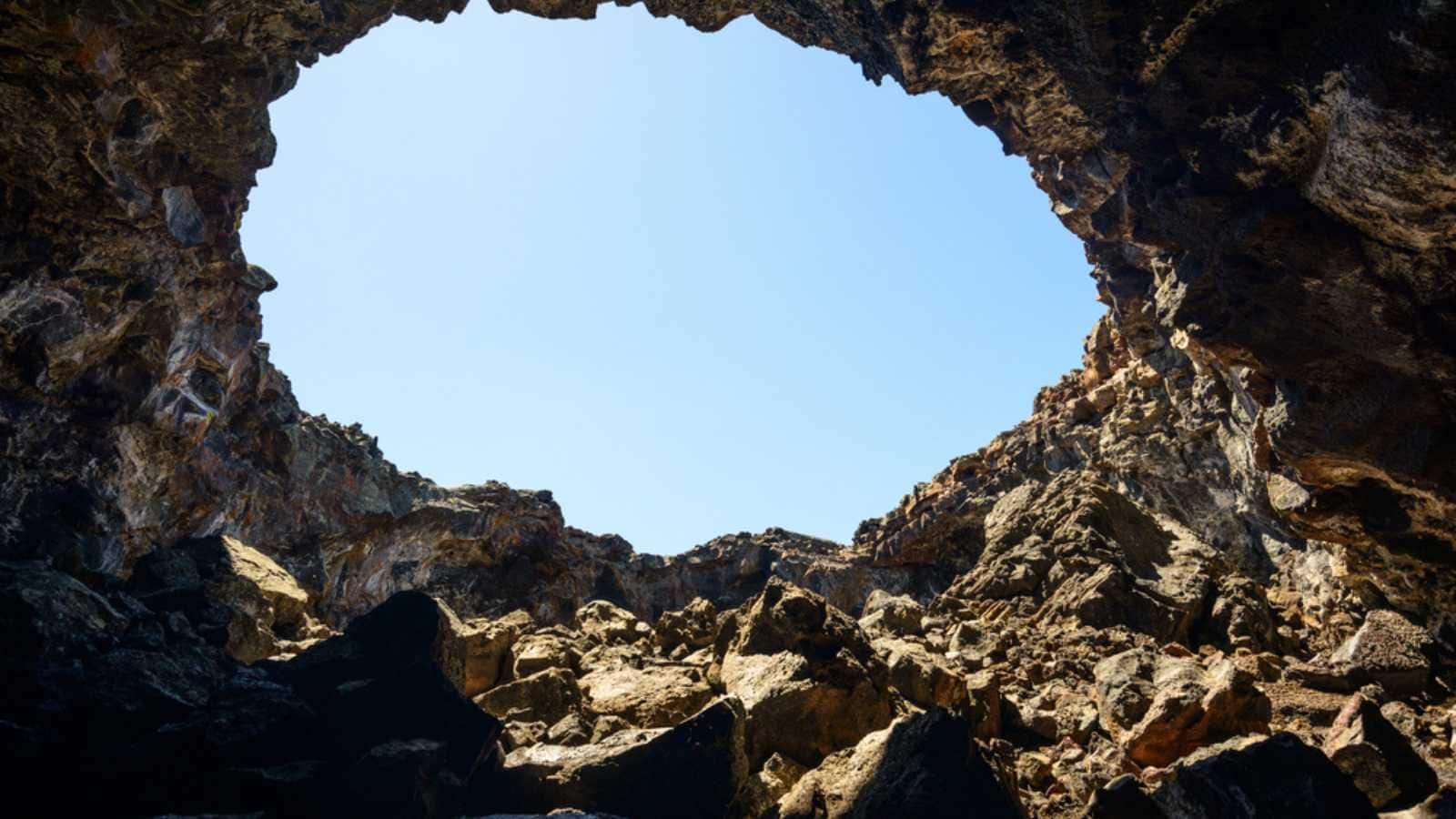
For a geology enthusiast or a fan of The Inferno by Dante, it is a masterpiece. For the average traveler, however, the landscape can feel stark, repetitive, and punishingly hot. The black basalt rock absorbs solar radiation, creating a microclimate in which ground temperatures can soar far above ambient air temperatures.
The loop road provides access to several caves and viewpoints, but after the third or fourth overlook, the sea of black rock can start to look the same. There is very little shade, and the wind across the Snake River Plain can be relentless.
While organizations like the National Park Service emphasize the hidden life of the high desert, noting unique desert limber pines and lava-tube-dwelling insects, these details are easily missed by the casual observer.
It is a place of profound silence and scientific importance, but without a deep interest in volcanology, the alien novelty can wear off long before you’ve finished the seven-mile drive, leaving some to wonder if a quick photo from the highway would have sufficed.
McCall
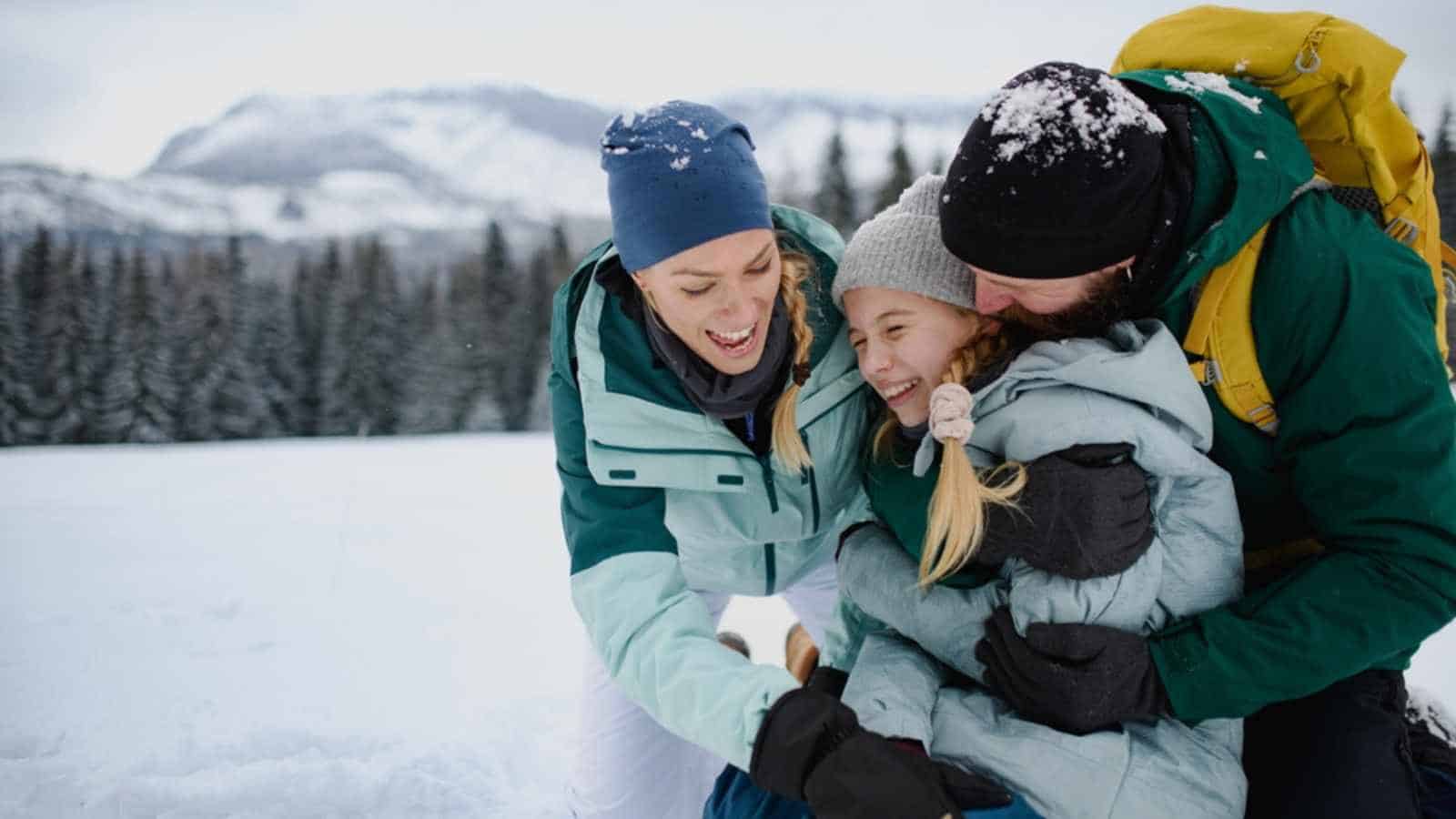
Visit during the shoulder seasons, late spring when the snow is slushy but the lake is too cold for boats, or late autumn when the larch trees have dropped their needles and the town can feel eerily quiet and underwhelming. Many of the best boutiques and seasonal eateries operate on limited hours or close entirely during these lulls.
The Winter Carnival, while famous for its massive ice sculptures, has become so popular that it often results in gridlock on the town’s single main road.
If you arrive a week too early or too late, you miss the magic, but if you arrive on time, you’re sharing it with 60,000 other people. For a long-form traveler seeking a consistent experience, McCall’s on-off nature requires precision planning that may not always yield relaxation.
Hell’s Canyon
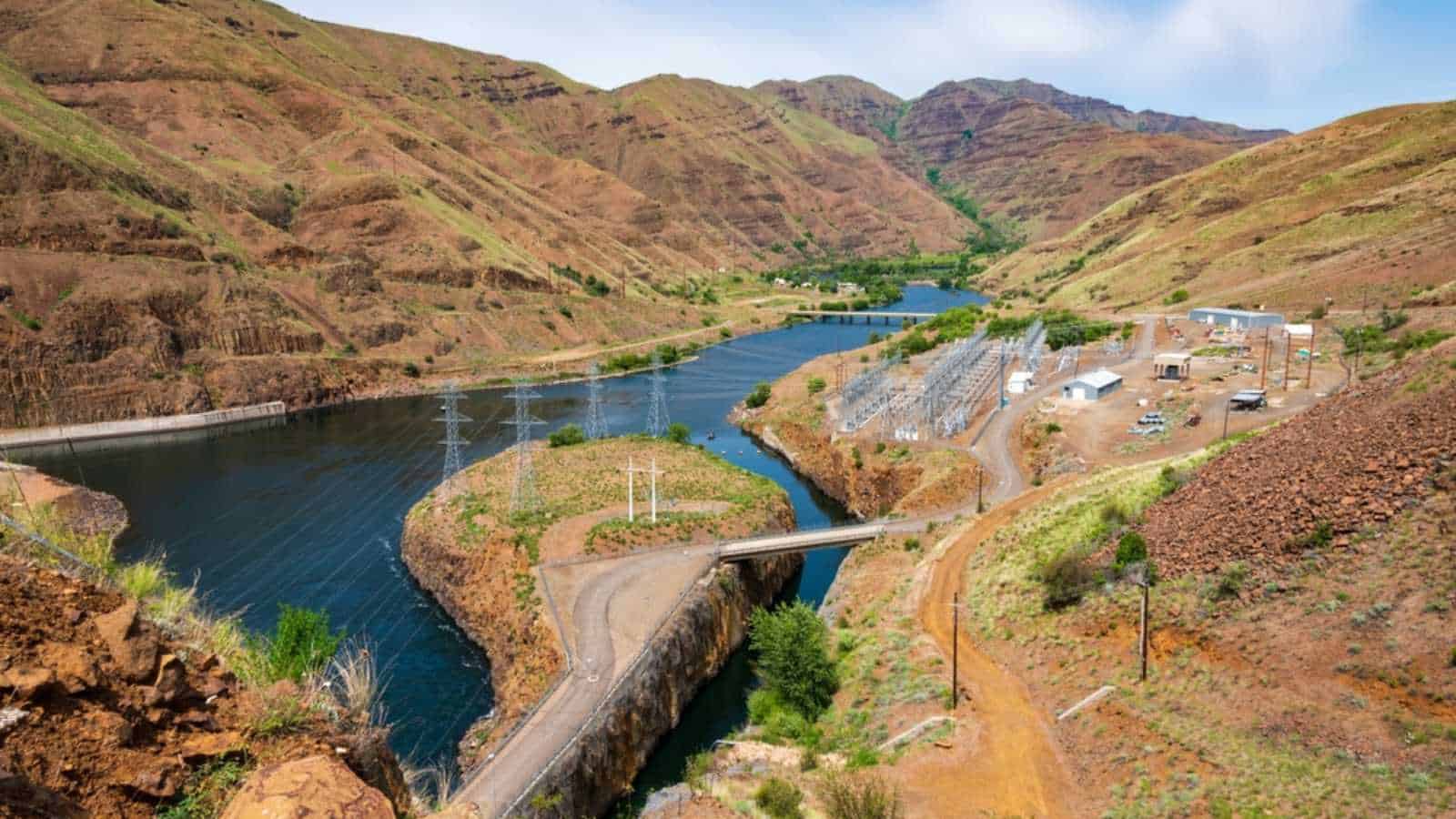
Hell’s Canyon is deeper than the Grand Canyon, a staggering 7,993-foot gorge carved by the Snake River along the border of Idaho and Oregon. It is a place of raw, terrifying beauty. The catch? It is notoriously difficult to actually see in its entirety.
Unlike the Grand Canyon, which has paved rim drives and accessible overlooks, Hell’s Canyon requires significant effort. To reach the iconic Heavens Gate Lookout, visitors must navigate a steep, gravel forest service road that is often closed by snow well into July.
Most people experience the canyon via jet boat tours from Lewiston or Clarkston, which are thrilling but can be expensive and noisy, detracting from the wilderness feel. This is one of the most remote areas in the lower 48 states.
You can drive for hours and only catch glimpses of the rim. It is a destination that demands a buy-in of time and physical effort that many visitors aren’t prepared for, leading to a sense of “I drove all this way for that?” if the weather doesn’t cooperate.
Idaho Falls
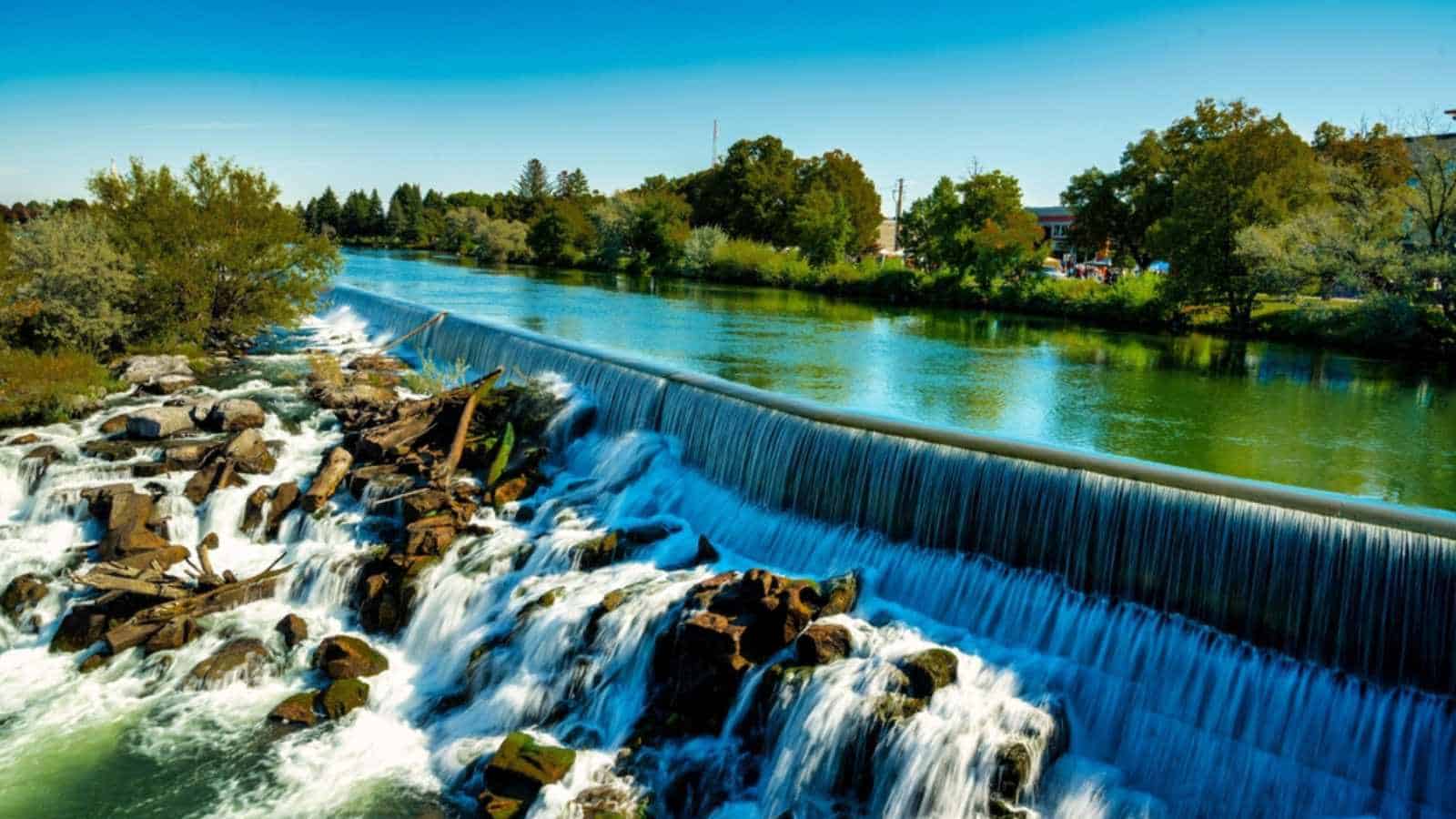
It is undeniably pleasant, clean, and safe. However, many travelers who book a multi-day stay here find that they run out of must-do activities within the first 24 hours. Aside from the Museum of Idaho and a small zoo, the city lacks the deep cultural density of Boise or the outdoor proximity of the mountain towns.
The falls themselves are functional, diverted for hydropower, which gives them a somewhat industrial aesthetic compared to the wild falls found elsewhere in the state. From an economic perspective, Idaho Falls thrives as a hub for the Idaho National Laboratory, making it more of a working city than a tourist town.
It is an excellent place to refuel and grab a meal but also lacks the destination gravity needed to sustain a longer visit. Travelers often find themselves looking at their watches by noon on day two, realizing the scenic stopover was exactly that, a stop, not a stay.
Bruneau Dunes State Park
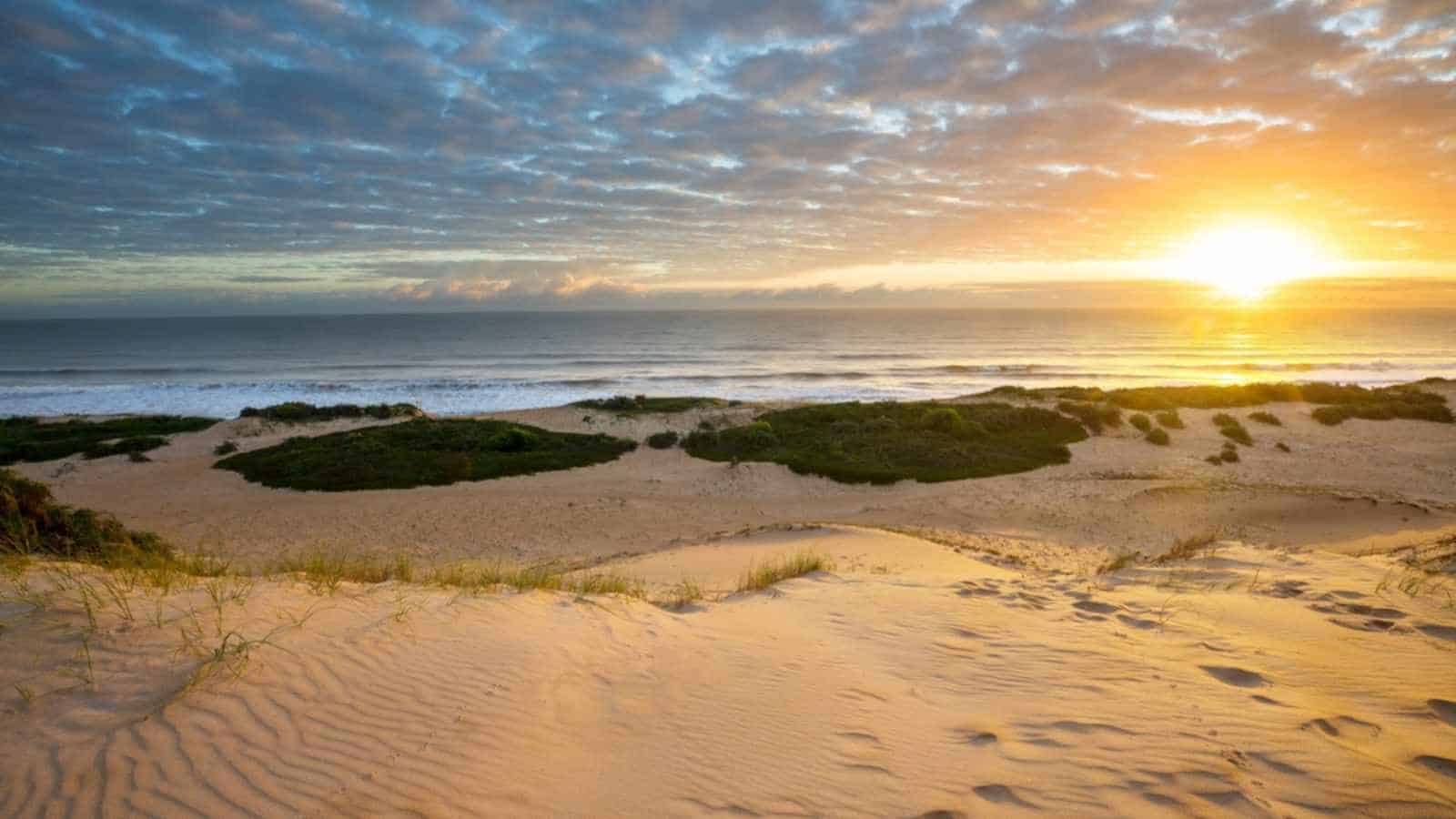
It is a striking sight, especially at sunrise when the shadows accentuate the ripples in the sand. But the physical reality of the dunes is a different story. Climbing sand is a two steps forward, one step back endeavor that is far more exhausting than a traditional mountain hike. For families with small children or those not in peak cardio shape, the ascent can be a grueling, sand-in-every-crevice ordeal.
The park is also a hotspot for extreme temperatures; during the summer, the sand can become hot enough to burn unprotected paws or feet.
If you aren’t there for the observatory at night, the daytime activity is essentially climbing a giant pile of sand in the sun. It’s a unique geographical feature, but the physical price of admission, in sweat and effort, makes it a one-and-done destination for many.
Twin Falls
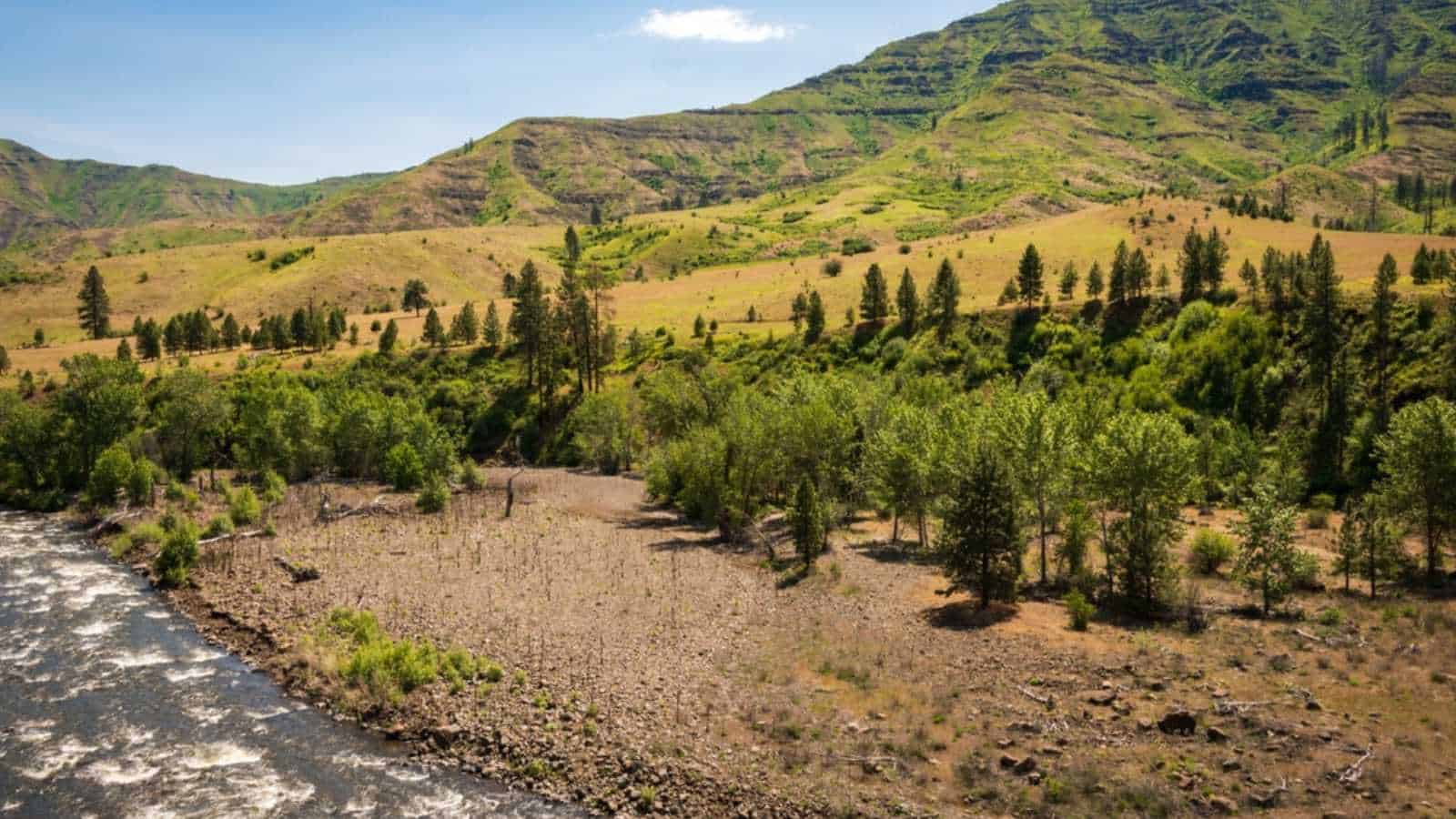
The bridge and the canyon overlooks are located right on the edge of a commercial district, and you can see the canyon from the parking lot of a Target or a Costco. This proximity to big-box sprawl strips away some of the majesty and “escape” that people look for in Idaho.
The local tourism board highlights the Canyon Rim Trail, which is well-paved and offers great views, but for the traveler who has driven several hours, the quick-hit nature of the landmarks can be disappointing.
There is a lack of depth to the visitor experience once you’ve taken the bridge photo and seen the falls. While the area’s historical significance, including the site of Evel Knievel’s failed 1974 canyon jump, is interesting, it’s a narrative that takes ten minutes to read on a plaque.
For many, Twin Falls is a place where the wow factor is high, but the stay factor is low.
Shoshone Ice Caves
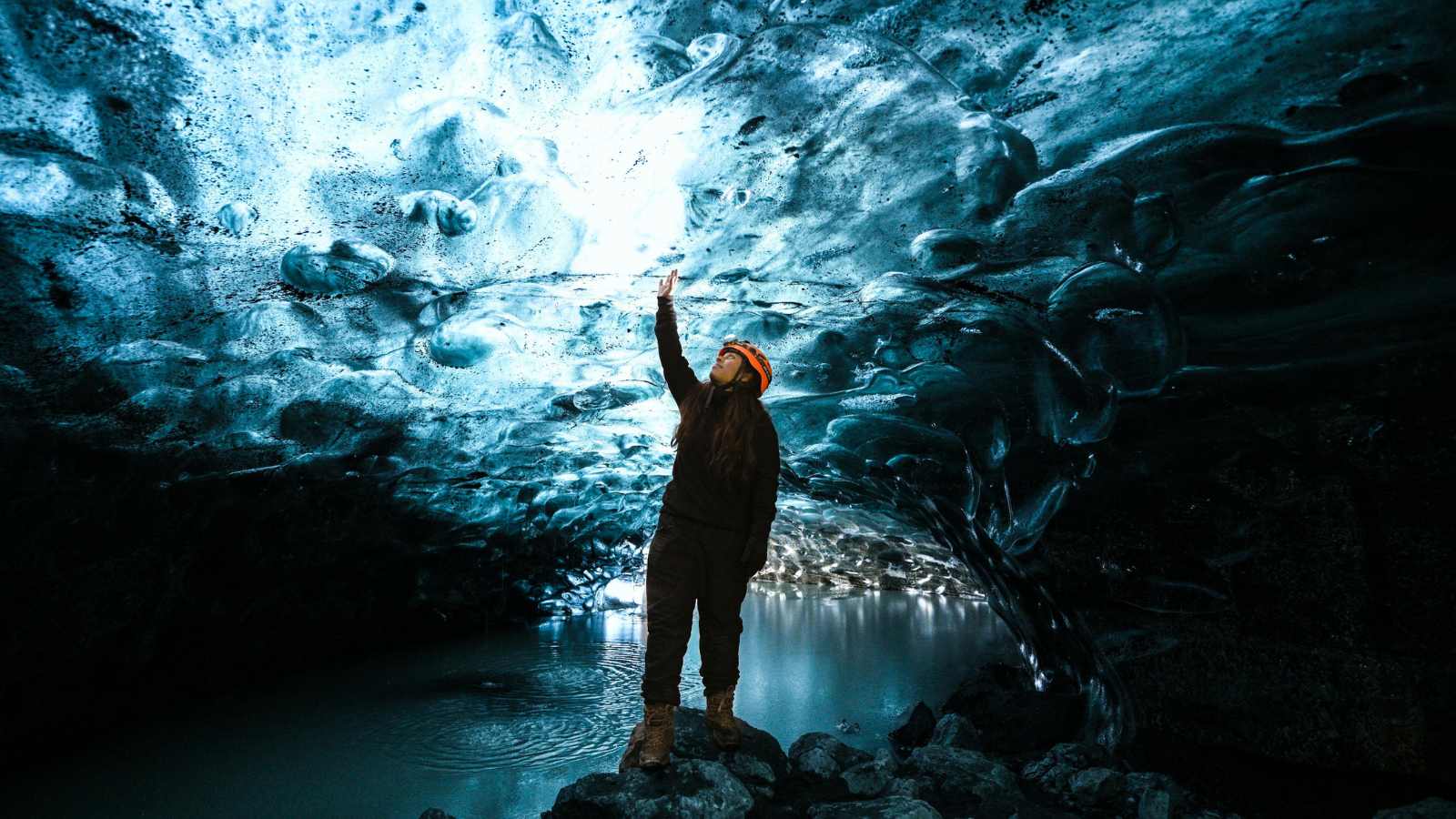
The commercialized tour experience can feel a bit dated to the modern traveler. Visitors must navigate a series of stairs and walkways to see what is essentially a frozen floor of a cave. Because of the ice’s delicate nature and safety concerns, the tours are strictly controlled and relatively short.
Some visitors find the gift shop’s tourist-trap aesthetic and the surrounding volcanic museum a bit kitschy. The expectation of a vast ice palace often clashes with the reality of a dark, cold tube with frozen ground.
These environments are sensitive to human presence, which explains the tours’ restrictive nature. The history of how early settlers used the cave to store meat and ice is fascinating, but the visual payoff can feel underwhelming compared to the dramatic desert drive required to reach it.
It’s a cool experience, literally, but it often leaves people saying, “Well, we’ve done that now,” rather than “I can’t wait to go back.”
Key Takeaways
- Popularity can alter the experience: Growing tourism and migration have increased crowds and strained infrastructure in once-quiet towns.
- Cost doesn’t always match value: Luxury resorts and seasonal destinations can be prohibitively expensive without delivering a proportionate experience.
- Short visits dominate some landmarks: Certain natural sites are visually stunning but can be fully experienced in only minutes.
- Accessibility and effort matter: Remote or physically demanding destinations require planning, time, and energy that may not appeal to all travelers.
- Expectations vs. reality: Postcard-perfect images and online hype often differ from what visitors actually experience on the ground.
Like our content? Be sure to follow us