15 things women don’t want men to do
Some men’s behaviors leave women frustrated or uncomfortable. It’s not just about minor annoyances; many of these actions reflect a deeper, more pervasive issue.
Women often find themselves dealing with these behaviors in both online and offline spaces, whether from strangers or close partners. According to a 2020 Pew study, 57% of women aged 18–34 have received unsolicited explicit content online. This issue isn’t just a “small inconvenience”; it’s a widespread concern that undermines women’s sense of safety and autonomy.
Now let’s examine these behaviors more closely. Here are 15 things women don’t want men to do, supported by statistics and personal insight. Let’s see why these behaviors need to stop.
Acting Like Consent Is Optional

Women often report that men treat “no” as a suggestion rather than a firm boundary. A 2020 Pew review of online daters found that 48% of women frequently receive unsolicited sexual advances after they said no. Many men ignored nonverbal cues or even verbal rejections.
This behavior isn’t “persistence”; it’s disrespect. It’s time for men to understand that consent is black and white, with no room for grey areas. Many women also report that men try to frame pressure as flirting or persistence, even when the woman has clearly declined.
Women want men to stop reframing pressure as flirting. If a woman says no or shows discomfort, that should be the end of the conversation, not a challenge to break through her defenses.
Sending Unsolicited Explicit Photos and Messages

Unsolicited explicit photos? Definitely not flattering. According to a survey report by Fox Business, 6 in 10 women aged 18–34 who date online have been harassed and sent unsolicited images or text. This behavior makes women feel unsafe and violated, particularly when it comes from strangers.
The reality is that unsolicited content is more invasive than romantic content; it’s an unwelcome intrusion into someone’s personal space. Women emphasize that explicit exchanges should only occur in private, consensual settings and not as cold openers on social media or dating apps.
Women need men to understand that explicit content should not be sent unless both parties have consented. It’s about respecting the boundaries that women set and realizing that consent is an ongoing agreement.
Catcalling and Street Harassment

Who really enjoys a stranger yelling at them from a car? Catcalling and street harassment make women feel unsafe.
Unwanted advances, such as catcalling, are some of the most common forms of public harassment, significantly affecting women’s well-being. As shown in research by PMC, street harassment is a prevalent issue that contributes to feelings of insecurity and discomfort in public spaces. Many men still frame catcalling as harmless fun, but women know better.
Women want men to stop trivializing street harassment and recognize its real-world impact on their sense of safety and well-being. Public spaces should be just that, public, not a hunting ground for inappropriate behavior.
Joining In Sexual “Locker-Room Talk”

“Locker-room talk” isn’t a joke; it’s an issue. It’s unacceptable for men to participate in degrading conversations about women. Yet, many women still hear male friends or partners laughing along with such comments to fit in. It’s time for men to challenge these conversations rather than participate in them.
As stated by in-mind, women want men to stop treating misogynistic banter as harmless fun and instead challenge these conversations when they occur.
Women want men to speak out against such behavior. No more excusing this behavior as “just talk” or “boys being boys.” By standing up and being allies, men can help create a culture that respects women and holds individuals accountable for their words and actions.
Mansplaining and Talking Over Women

Women dislike “mansplaining”. It is as frustrating as it sounds. Women have long endured men explaining things to them in a condescending tone, assuming they know more about women’s bodies, careers, or life experiences.
This behavior is prevalent not only in personal relationships but also in the workplace and public life. Beyond explanations, it’s about space; men often interrupt women or speak over them, taking credit for ideas they didn’t originate.
Women want men to stop monopolizing conversations and actively listen. True equality in communication comes from sharing the floor and valuing women’s perspectives.
Ignoring Emotional Labor and Defaulting to “Mom Mode”

Emotional labor shouldn’t be an unpaid job. Women often feel like they’re managing everything from appointments and dates to feelings and chores, and yet many men assume that this responsibility is theirs alone to handle.
Many men expect women to handle the emotional and logistical work in relationships, from planning dates to remembering birthdays. It’s time for men to stop outsourcing life management to women and start sharing the load.
Women want men to notice the emotional labor they put in every day and to step up and contribute. It’s not about being a “better mother”; it’s about being an equal partner in life’s responsibilities. Recognizing and valuing the invisible work women do will foster healthier relationships.
Treating Kindness as Romantic Interest

A smile doesn’t mean she’s interested. One of the most annoying things women experience is when men assume that basic politeness or friendliness is a secret invitation for romance.
As Natasha Piggott highlights, this happens frequently in social interactions, and when women make it clear they’re not interested, some men react with anger or insults. It’s frustrating when a simple conversation turns into pressure to set a date or exchange contact information.
Women want men to understand that not every friendly interaction is an open door to intimacy. When a woman says “no,” it’s a boundary, not a challenge. Men need to learn to respect a woman’s autonomy and recognize that not every interaction is romantic.
Making Public Spaces Feel Unsafe

Public spaces should feel safe for everyone. But for women, being followed, approached when they’re alone, or ignored when they signal disinterest, like having headphones in or reading a book, can make simple outings feel unsafe.
Street harassment and unwanted attention are common experiences that contribute to women’s unease in public spaces. These behaviors are common, but they make women feel vulnerable.
Women want men to recognize when their behavior is crossing the line between innocent interaction and making someone feel threatened. Respecting personal space isn’t optional; it’s a basic courtesy. Understanding boundaries can transform public spaces into safer, more welcoming places for everyone.
Overdrinking and Aggressive Party Behavior

When “having fun” means crossing the line. Women find it unacceptable when men overindulge in alcohol.
This behavior isn’t just about getting sloppy; it’s about creating a dangerous environment where consent can be compromised. Many women link this behavior to sloppy behavior, impaired consent, and heightened risk of aggression or unwanted advances.
Women want men to recognize the risks associated with excessive drinking, both for themselves and those around them. Drinking shouldn’t be an excuse for bad behavior. Men need to understand that drinking excessively can result in dangerous situations, and it’s time to shift the focus away from excess to responsible socializing.
Treating Relationships Like Convenience Stores

Relationships aren’t on-demand services. More and more women report burnout with men who expect partner-level benefits like emotional support, sex, or domestic help without offering commitment in return.
Many women cite poor experiences on dating apps and frustrations with men who don’t take relationships seriously.
Women are tired of men treating relationships like a one-way street. Stop acting like relationships are just an “on-demand service” and start putting in the effort. Genuine relationships require mutual commitment, respect, and understanding, not just one-sided benefits.
Dismissing Feminism and Gender Inequality

Feminism isn’t a niche topic; it’s a human issue. Women notice when men roll their eyes at feminist movements, dismiss women’s safety concerns, or think sexism is “over.”
Many women view this attitude as a signal that a man isn’t taking the inequality women face seriously. These attitudes signal that a man isn’t taking the issue of gender equality to heart.
Women want men to stop minimizing issues of gender inequality and recognize their responsibility in challenging these systemic problems. It’s time for men to take a stand, not just for the women they love, but for women everywhere. Being an ally means recognizing and fighting inequality in all its forms.
Weaponizing “Rationality” and Mocking Feelings

Feelings aren’t “crazy.” Women are tired of men downplaying their emotions as dramatic or irrational. This behavior often turns into gaslighting, where men rewrite events to make women feel guilty for being upset. This behavior erodes trust and intimacy over time.
Women want men to stop using logic as a weapon. Instead, they want men to listen and engage with their emotions in a healthy, supportive way. Understanding that emotions are valid and important is a crucial step in building strong, respectful relationships. Validating emotions, rather than dismissing them, strengthens connections and trust in relationships.
Refusing Accountability and Doubling Down

Accountability isn’t a loss of status. Women are frustrated by men who refuse to admit fault, deflect blame, or say “that’s just how I am” when confronted. This behavior renders conflict resolution futile.
Women want men to take responsibility for their actions and start engaging in healthier, more mature ways of resolving issues. Accountability is key to building trust and improving relationships.
Taking responsibility isn’t about losing face; it’s about fostering mutual respect and growth. When men acknowledge mistakes and strive to make things right, it creates an atmosphere of accountability, which benefits both partners in the long run.
Leaning on Stereotypes About Gender Roles

Equality isn’t just about shared responsibilities; it’s about fairness. Women are tired of men assuming that they should take on most of the childcare, housework, and emotional support roles.
Many women express frustration with men who view domestic duties as optional or who act as if they deserve praise for doing the bare minimum.
Women want men to stop leaning on these outdated expectations and start stepping up as equal partners. Both men and women should share responsibilities, not just divide them along gender lines. True equality is achieved when both partners contribute equally in all aspects of life.
Treating Online Dating as a Game, Not Human Interaction
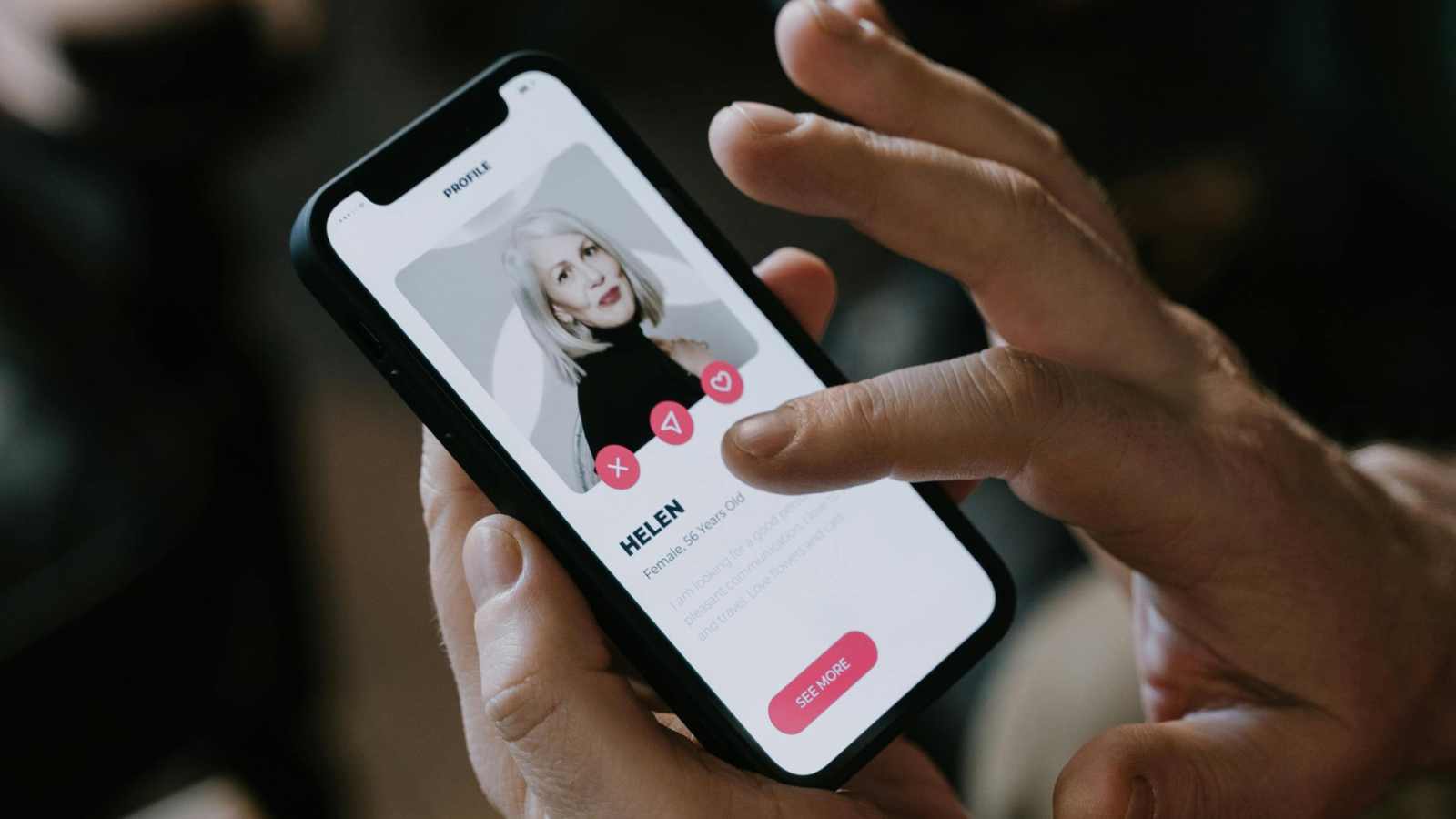
Dating apps shouldn’t be treated like a game. Surveys show that a majority of women view dating apps negatively, largely due to experiences like ghosting, mass messaging, and low-effort interactions.
Women are tired of being treated like disposable avatars rather than real people with real feelings. Dating should be about forming real connections, not a series of anonymous interactions.
Women want men to remember that dating apps are about genuine connection, not mindless swiping. Let’s treat dating with the respect it deserves because real people are behind those profiles. Genuine connections take effort, and that effort should be acknowledged and valued by everyone involved.
Key Takeaway

Many of the behaviors women wish men would stop doing stem from a lack of respect, empathy, or understanding. These actions can undermine relationships and make women feel unsafe or undervalued. By paying attention to these concerns, men can build healthier, more respectful interactions with women both online and offline.
Disclaimer – This list is solely the author’s opinion based on research and publicly available information. It is not intended to be professional advice.
Like our content? Be sure to follow us