13 reasons some boomers are quietly distancing themselves from their adult children
Data from Cornell University shows that more than 25% of American adults experience estrangement from a close family member, with parent-child separations being the most common form of family disconnect.
The relationship between Baby Boomers and their adult children has always been a dynamic blend of love, support, and mutual care. However, in recent years, a subtle shift has been occurring: many Boomers seem to be quietly distancing themselves from their grown children. This emotional withdrawal has sparked curiosity and concern, as it challenges traditional expectations of family closeness in later life.
While some might chalk this up to the natural course of aging, the truth is more complex. A variety of societal, personal, and generational factors are contributing to this growing emotional distance, reshaping the way these relationships evolve over time.
Shifting Priorities in Retirement

As Baby Boomers reach retirement age, many are discovering that their time, energy, and resources are best spent on themselves. After decades of putting family first, they are now focusing on personal goals, travel, and hobbies that were long put on the back burner. This newfound freedom offers them a chance to explore passions and dreams that had been previously sidelined. For some, this change in focus inadvertently creates a sense of emotional distance from their children.
Retirement is a time for personal exploration and relaxation, which may lead to less involvement in their children’s lives. The shift to a more independent lifestyle, including prioritizing self-care, wellness, and exploration, is not an attempt to withdraw from family but rather an embracing of a new, fulfilling phase of life. While they still care deeply about their children, they may prefer the tranquility and flexibility that this time offers.
Overwhelmed by Financial Concerns

Many Boomers are facing financial stress due to living longer than expected. With increasing healthcare costs, the need for long-term care, and a fluctuating economy, they may feel immense pressure to secure their own financial future. This financial strain can often lead to a decline in their ability to provide the same level of support they once did, straining their relationship with their adult children. As they grow more aware of their limited resources, emotional distance can also follow.
While some may have once been able to offer financial assistance to their children, the looming reality of their own future can create an unavoidable shift. These pressures can leave Boomers feeling they must focus on their own needs and savings, which, in turn, can distance them from their children. The shift away from financial support is not personal but a practical necessity reflecting their evolving priorities.
Disagreements Over Parenting Styles

As children grow into adults, they may develop their own perspectives on family dynamics and values, sometimes challenging their parents’ long-held beliefs. This difference in opinion can lead to tension and misunderstandings. For instance, Boomers may have strong feelings about parenting techniques, child-rearing philosophies, or even political values, which can feel alienating when their adult children choose to live differently. This conflict can cause some Boomers to emotionally withdraw, as they may feel that their advice or way of thinking is no longer valued.
The generational gap in parenting styles and life philosophies can be a significant source of emotional distancing. Instead of engaging in potentially confrontational discussions, some Boomers may step back and let their children make their own decisions without interference. While this can be a form of respect, it can unintentionally widen the emotional gap over time.
The Rise of Technological Dependency

Technology has reshaped communication, often leaving older generations feeling left out or overwhelmed. While many Boomers use technology, they may struggle to keep up with the ever-evolving digital landscape. When their adult children increasingly rely on texting, social media, and virtual meetings to communicate, Boomers can feel disconnected or neglected. This reliance on technology for communication often leaves Boomers feeling as though their attempts at connection are undervalued or ineffective.
For some Boomers, the constant digital communication can feel impersonal or even alienating. As a result, they may quietly withdraw, preferring face-to-face interactions or more traditional forms of connection that their children may no longer prioritize. Instead of pushing back against technological advances, some Boomers quietly distance themselves because they feel disconnected in a world that has rapidly shifted away from their preferred modes of communication.
Emotional Exhaustion from Long-Term Caregiving

Some Boomers have spent decades caring for aging parents or family members with health challenges. The emotional toll of caregiving can be overwhelming, leading to burnout and a desire for emotional relief. After years of putting their own lives on hold to support others, many Boomers feel the need to focus on their well-being and step back from the heavy demands of caregiving. This emotional exhaustion can cause them to retreat from their adult children as they prioritize their own mental health.
Caregiving often requires immense emotional labor, leaving many Boomers with little energy to nurture relationships with their adult children. The exhaustion from years of responsibility can lead to a quieter withdrawal, in which Boomers focus on regaining their emotional stability. This step back is not an indication of disinterest but rather an attempt to regain balance and peace in a life dominated by caregiving responsibilities.
Disappointment Over Unmet Expectations

Parents often have expectations for their children’s lives, whether in terms of career success, relationships, or personal growth. When these expectations are unmet, some Boomers may experience disappointment, which can subtly affect their connection with their children. Instead of expressing their frustrations directly, they may distance themselves emotionally to cope with feelings of dissatisfaction or unfulfilled hopes.
This disconnect might not be deliberate but rather a result of unspoken emotional responses to their children’s life choices or to a perceived lack of progress. Over time, this can contribute to a growing gap in their relationship. When parents feel disappointed in the choices or paths their children have taken, they may not know how to communicate these feelings, leading to withdrawal and silence rather than open conversation.
The Strain of Constant Dependency

In some cases, adult children may continue to rely heavily on their parents for financial, emotional, or logistical support. This ongoing dependency can lead to frustration, as Boomers may feel that their children are not taking responsibility for their own lives. Over time, this strain can create tension and resentment, prompting Boomers to emotionally withdraw as they shift their focus toward encouraging their children’s independence.
While parents want the best for their children, many Boomers believe it’s time for their adult children to take on more responsibility for their own lives. This desire for autonomy, coupled with their own needs for peace and personal space, may lead to a shift in the relationship. The desire to see their children thrive independently can inadvertently cause them to pull back emotionally, even though the intention is to foster growth.
A Desire for Simpler, Less Stressful Relationships

As Boomers age, many seek relationships that are less stressful and more fulfilling. If their relationship with their adult children has become fraught with tension, constant demands, or misunderstandings, they may start to distance themselves. The desire for simpler connections, free of emotional baggage, can lead to a quieter withdrawal from family dynamics that have been a constant source of stress.
This distancing is not necessarily out of a lack of love, but rather out of a desire for a more peaceful, less complicated dynamic. Boomers may prefer to focus on friendships or relationships that are less emotionally taxing. At this stage in life, Boomers are more likely to prioritize their mental well-being and emotional peace than to try to resolve complex family tensions.
The Impact of Health Issues

Health issues, whether physical or mental, can significantly impact how Boomers relate to their adult children. Chronic illness or cognitive decline can make it difficult for them to engage with others as they once did. The toll of managing one’s own health can lead to a desire for solitude, further distancing them from their adult children, who may not fully understand the extent of their struggles.
When Boomers are dealing with their own health challenges, they may not have the energy or emotional capacity to maintain close connections. This retreat is often a result of physical limitations rather than emotional detachment. Their focus shifts to managing their health, leading to a quiet withdrawal from the emotional demands of family relationships.
Fulfilling Their Own Life Goals
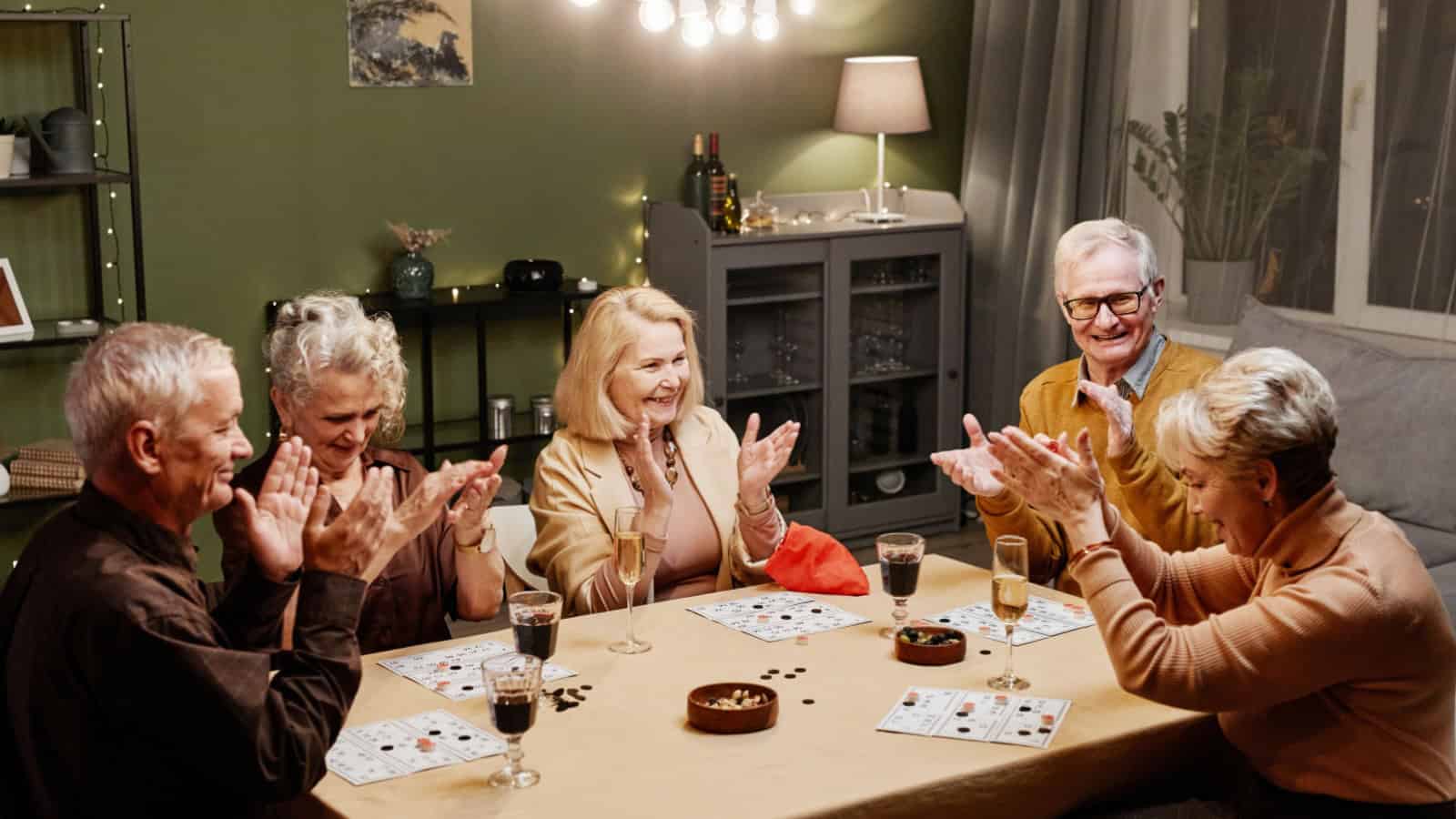
As Boomers enter their later years, many feel a renewed sense of urgency to accomplish personal goals that they put aside during their busy years of raising children. Whether it’s traveling the world, pursuing a long-forgotten passion, or simply enjoying peace and quiet, this pursuit of personal fulfillment can cause them to distance themselves from family obligations. After decades of prioritizing others, Boomers are now turning their attention to themselves.
Rather than feeling guilty, some Boomers may see this as an opportunity to prioritize their own happiness, which might inadvertently create a gap in their relationships with their adult children. The need to focus on personal goals does not stem from a lack of love for their children but rather from a desire to live life to the fullest in their later years.
Seeking Different Social Connections

Boomers are increasingly engaging with communities of like-minded individuals through social clubs, organizations, and interest groups. These connections often offer an outlet for emotional support, entertainment, and socialization that they may not receive from their adult children. Over time, these new social circles can replace the roles once filled by family members, resulting in a quieter distancing.
The desire for fulfilling relationships outside of family, where there is less history and fewer expectations, can be a driving force behind this shift in dynamics. These connections may offer Boomers a sense of camaraderie and belonging that they may not feel with their adult children, creating a natural emotional distance.
Struggling with Grief and Loss

Many Boomers have experienced the loss of close friends, family members, or even a spouse, which can be incredibly isolating. The grief associated with these losses may make it difficult for them to stay emotionally present for their adult children. This emotional burden can lead to a desire for space and a retreat into themselves as they process their grief in solitude.
While grieving, Boomers may unintentionally pull away from relationships that once provided comfort, including their children. The process of mourning is deeply personal, and some Boomers may find solace in their own company, leading to a quieter emotional withdrawal from their children.
The Fear of Being a Burden
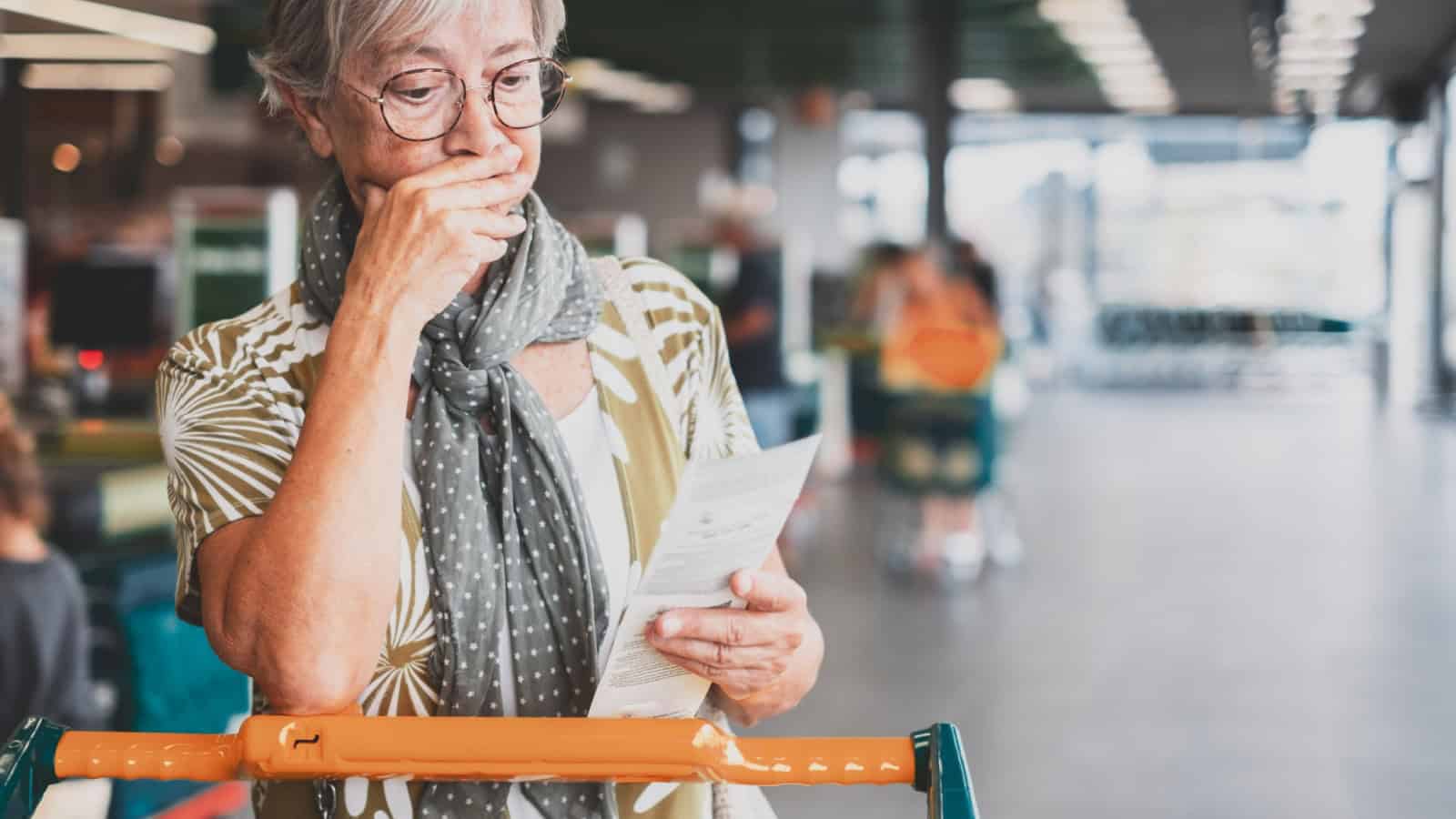
Some Boomers worry about being a burden to their children as they age, especially as health concerns and financial challenges become more prominent. This fear of becoming a source of stress or responsibility can lead to a quiet distancing, as they attempt to manage their affairs independently. The desire to protect their children from additional stress can lead them to step back, making the relationship feel less connected.
Though this distancing might seem like abandonment, it’s often an attempt to shield their children from the inevitable realities of aging. This decision is made out of care and concern for their children’s emotional well-being, even if it leads to emotional distance in the short term.
Key Takeaway

The reasons behind some Boomers distancing themselves from their adult children are multifaceted, rooted in both personal and generational changes. Many of these shifts stem from a desire to prioritize their own well-being, whether driven by financial concerns, emotional exhaustion, or the pursuit of personal fulfillment. Understanding these underlying factors is crucial in fostering empathy and patience as families navigate these evolving relationships.
Disclaimer: This list is solely the author’s opinion based on research and publicly available information. It is not intended to be professional advice.
Like our content? Be sure to follow us