11 common expenses many people cut out after 60
Turning 60 often sparks a fresh perspective on life, one in which spending gets streamlined and priorities shift. With retirement on the horizon, many people start to question their financial habits, making room for what truly matters. According to the Social Security Administration, the average monthly benefit for a retired worker in 2026 is $2,071.
That’s a solid income, but it calls for smart financial choices. By cutting back on certain expenses, seniors can embrace a simpler, more intentional lifestyle. Here’s a look at 11 common expenses many people choose to eliminate or reduce once they hit the big 60.
The commute loses its grip

Once a person stops driving to work five days a week, the car no longer acts like a payroll partner. Gas, tolls, parking, downtown garages, rideshares, and surprise repairs all start to look negotiable. BLS data hosted by FRED shows that 2024 transportation spending for households age 65 and older was $9,538, so this category still deserves attention after retirement.
Many people maintain their mobility by planning errands more carefully, sharing rides, using senior transit, or driving outside rush hour. That one change can make the week feel calmer, and the wallet feel lighter.
Office clothes leave the cart

The work closet can calm down fast after 60. Blazers, pumps, suits, shapewear, office dresses, dry cleaning, and seasonal “meeting outfits” lose their old power. Style becomes more personal, more comfortable, and far less tied to someone else’s dress code.
Convenience dining slows down

Convenience meals often sneak in during busy work years. After 60, many people gain more control over the dinner clock, and that changes the bill. The Bureau of Labor Statistics reported that food away from home rose 4.1% over the year ending December 2025, so restaurant habits can sting faster than expected.
More retirees choose soup in the freezer, rotisserie chicken with a salad, or brunch at home with friends. The goal is not punishment, but better food, easier digestion, and fewer mystery charges.
Adult-child costs get firmer limits

Parents never stop loving their children, but many stop running an open wallet. After 60, tuition, sports fees, lunch money, car insurance, and last-minute rescue payments often fade.
AARP’s 2025 nationally representative survey found 75% of parents gave financial help to at least one adult child, so boundaries matter at this stage. Many people move from “I’ll cover it” to “Let’s make a plan.” That shift protects retirement cash and teaches grown children to stand taller.
The mortgage may disappear

For homeowners, the best retirement raise can come from a loan that finally ends. A paid-off home does not eliminate taxes, insurance, repairs, or utilities, but it can remove the biggest monthly line item. The U.S. Census Bureau says owners held 39.4% of owner-occupied homes free and clear in the 2020 to 2024 ACS period.
Many people use that breathing room to fund health needs, travel, grandchild visits, or a softer emergency fund. The house starts feeling less like a bill and more like a base camp.
Coffee runs lose its charm

The office coffee run can feel like a tiny thing until it becomes a weekday ritual. After 60, many people trade the paper cup for a favorite mug at home. The National Coffee Association’s 2025 report says 66% of American adults drink coffee every day, so this little habit reaches many budgets.
Retirees still enjoy the ritual, but they often save café stops for meetups, errands, or real treats. That keeps the pleasure and dumps the automatic spending.
Big vacations get simpler

Many people do not stop traveling after 60; they travel with a sharper taste. They may swap peak-season resorts for shoulder-season stays, road trips, cruises with deals, or visits with family.
The cut usually hits luxury extras, rushed itineraries, and pricey packages that add stress. The trip becomes less about bragging rights and more about comfort, safety, and stories worth telling.
Subscriptions face a cleanup

After 60, the quietest money leaks often hide in subscriptions. Streaming apps, delivery passes, premium news, fitness portals, cloud storage, and forgotten trials can stack up without asking permission. Deloitte’s 2026 Digital Media Trends report estimates that the average paid video bundle for U.S. households comprises 4 services.
Many retirees pick their favorites, rotate the rest, and cancel anything that sits untouched. A cleaner screen can make the monthly bank statement feel wonderfully boring.
The second car gets questioned
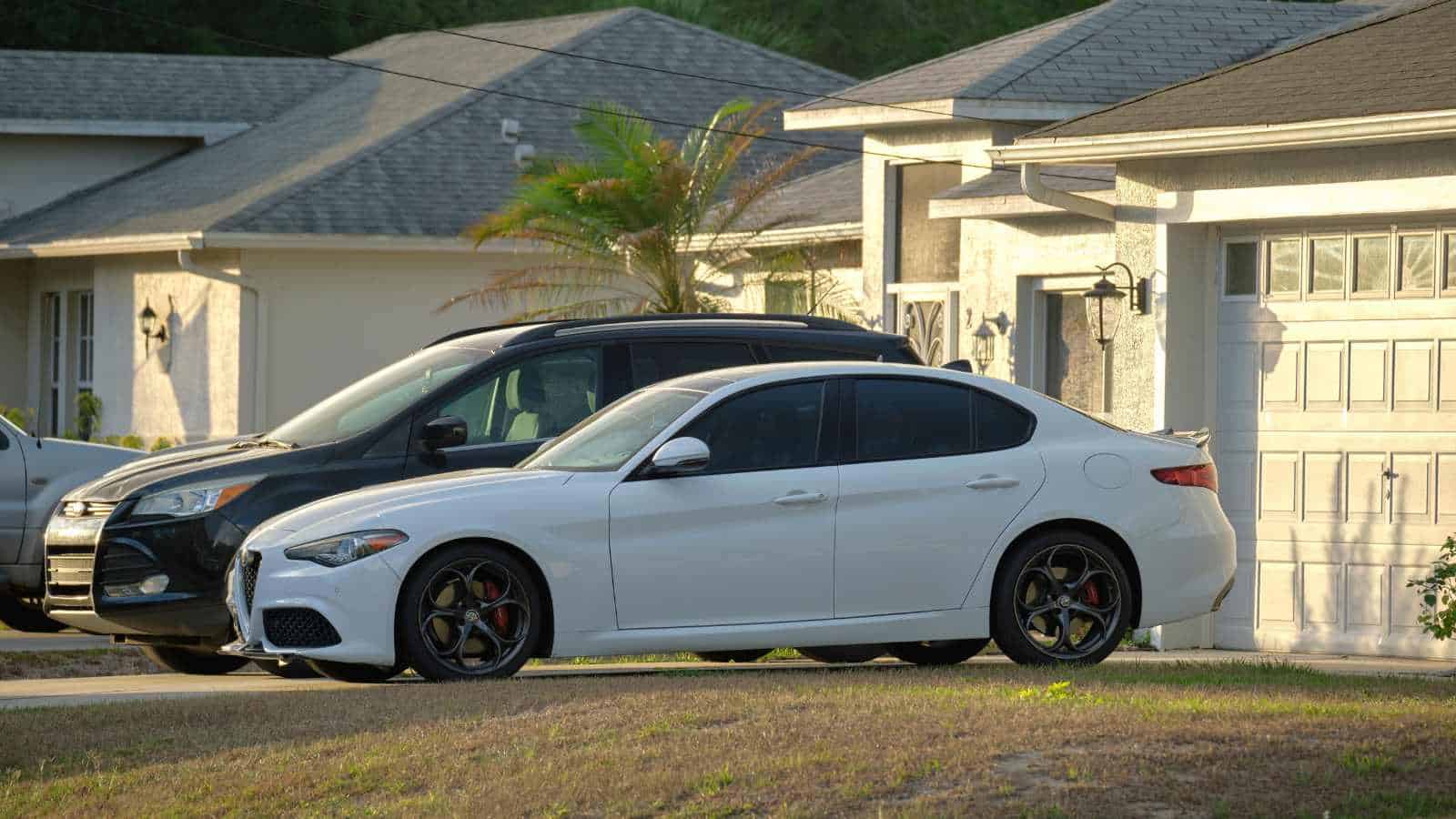
A second car can turn from freedom into furniture with wheels. Once work schedules soften, many couples notice one vehicle sits in the driveway most days. AAA’s 2025 Your Driving Costs study places the average annual cost to own and operate a new car at $11,577.
That number makes downsizing to one vehicle look less extreme and more practical. People who keep one car often use rideshare, delivery, car rentals, or friends for the rare times when they need to overlap.
Status buys lose their sparkle

Something lovely happens after 60. Many people stop shopping for applause. Designer logos, jewelry upgrades, formal entertaining pieces, and trendy home décor lose steam when comfort takes the lead.
Retirees often keep quality but skip pressure, and the new flex becomes a paid bill, a peaceful morning, and a closet that finally breathes.
Tech upgrades wait longer

After 60, technology usually has to prove its usefulness. A phone, tablet, watch, or smart home gadget earns a spot because it helps with calls, photos, banking, safety, or health. AARP and the Consumer Technology Association reported in 2025 that 80% of older Americans already own at least one type of technology that helps them age in place.
That makes the newest model less tempting than the most helpful model. People keep devices longer, update software, and replace gear when they truly need to.
Key takeaway
After 60, people usually cut friction before they cut joy. The strongest savings come from work-linked costs, silent subscriptions, car habits, convenience meals, and status purchases that no longer fit the season.
The best budget does not feel smaller; it feels more honest. Keep the expenses that support health, connection, beauty, and ease, then let the rest leave without drama.
Disclaimer – This list is solely the author’s opinion based on research and publicly available information. It is not intended to be professional advice.
Like our content? Be sure to follow us.