12 classic American foods that quietly disappeared from dinner tables
For much of the 20th century, the American dinner table revolved around hearty casseroles, gelatin molds, meatloaf, and TV dinners. But eating habits in the U.S. have changed dramatically over the last few decades.
According to the USDA’s Food Expenditure Series, Americans now spend nearly as much, and sometimes more, on food away from home as they do on groceries, a major shift from the home-cooked meal culture that once defined family dinners. Researchers also note that convenience foods, restaurant meals, and prepared grocery items increasingly replaced labor-intensive recipes that were once staples in American kitchens.
As schedules became busier and tastes evolved, many classic dishes slowly faded from everyday menus. Some survive as nostalgic comfort foods at holidays or potlucks, but others have nearly vanished altogether.
Ambrosia Salad

This sugary mixture of marshmallows, canned oranges, and coconut was the undisputed king of the potluck dessert table. It was a sweet treat that bridged the gap between a side dish and a full-blown sugar rush for the kids. Every grandmother had her own secret recipe that she guarded with her life and served with a big wooden spoon.
As shoppers lean more toward fresh fruit and lighter desserts, old-school canned fruit salads have slipped into the background in favor of options that feel less heavy and processed. We have moved toward fresh berries and yogurt parfaits, leaving the canned fruit cocktails in the pantry of the past.
Liver And Onions
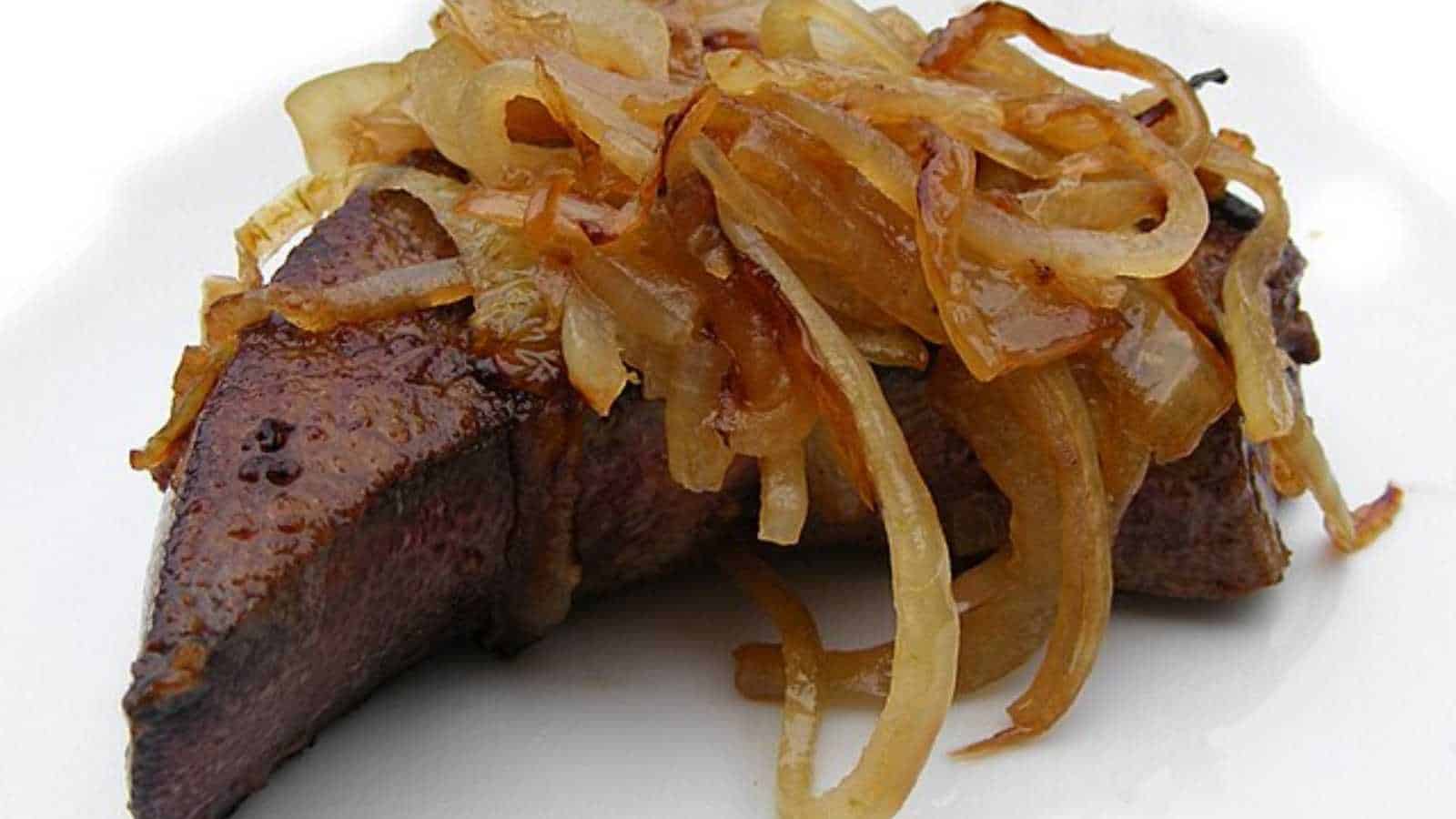
There was a time when this iron-rich plate was a weekly requirement for kids across the country. It was touted as the ultimate boost for your health and vitality, even if the smell sent most children running for the hills. For many boomers, it represents a simpler time when you ate what was put in front of you without a single word of complaint.
Historical consumption data show that liver availability in the U.S. has dropped from about 5.5 pounds per person in 1909 to just 0.5 pounds per person in 2019, a decline of about 90%.
Most people would rather find their vitamins in a colorful pill than on a dinner plate covered in brown gravy. It has moved from a kitchen staple to a rare specialty item that few young cooks even know how to prepare properly.
Gelatin Salads
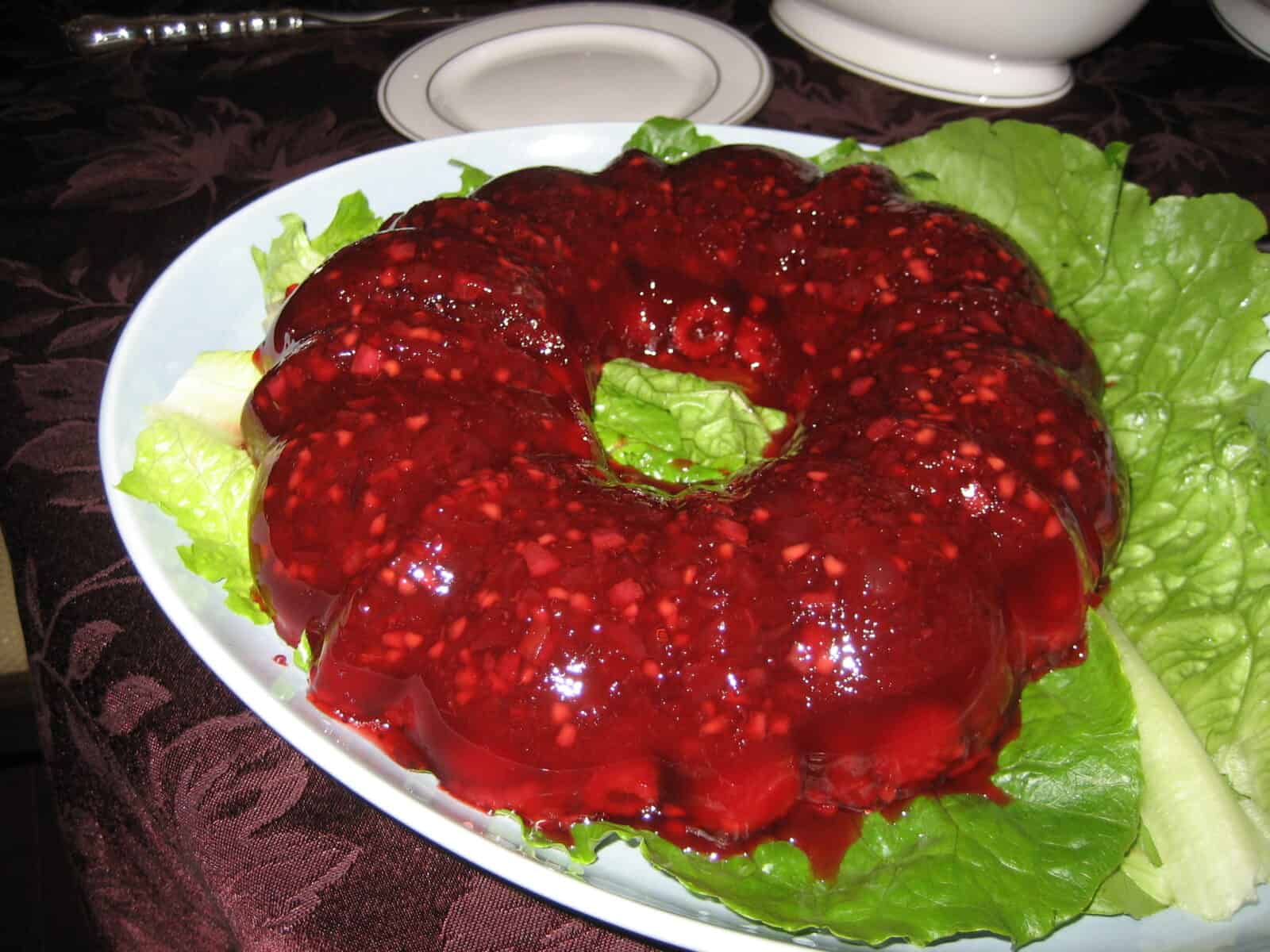
In the mid-sixties, no social gathering was complete without a wobbling tower of lime green jelly filled with shredded carrots. These shimmering creations were the height of sophisticated hosting and allowed home cooks to show off their creative flair. They were the visual centerpiece of every holiday table, looking more like a science project than an actual side dish.
Food historians note that Jell‑O salads peaked in popularity in the 1950s and 1960s before steadily declining as tastes shifted toward fresher, less processed dishes. We have collectively decided that fruit belongs in a bowl and vegetables belong in a salad; never the two shall meet in a mold.
Creamed Chipped Beef
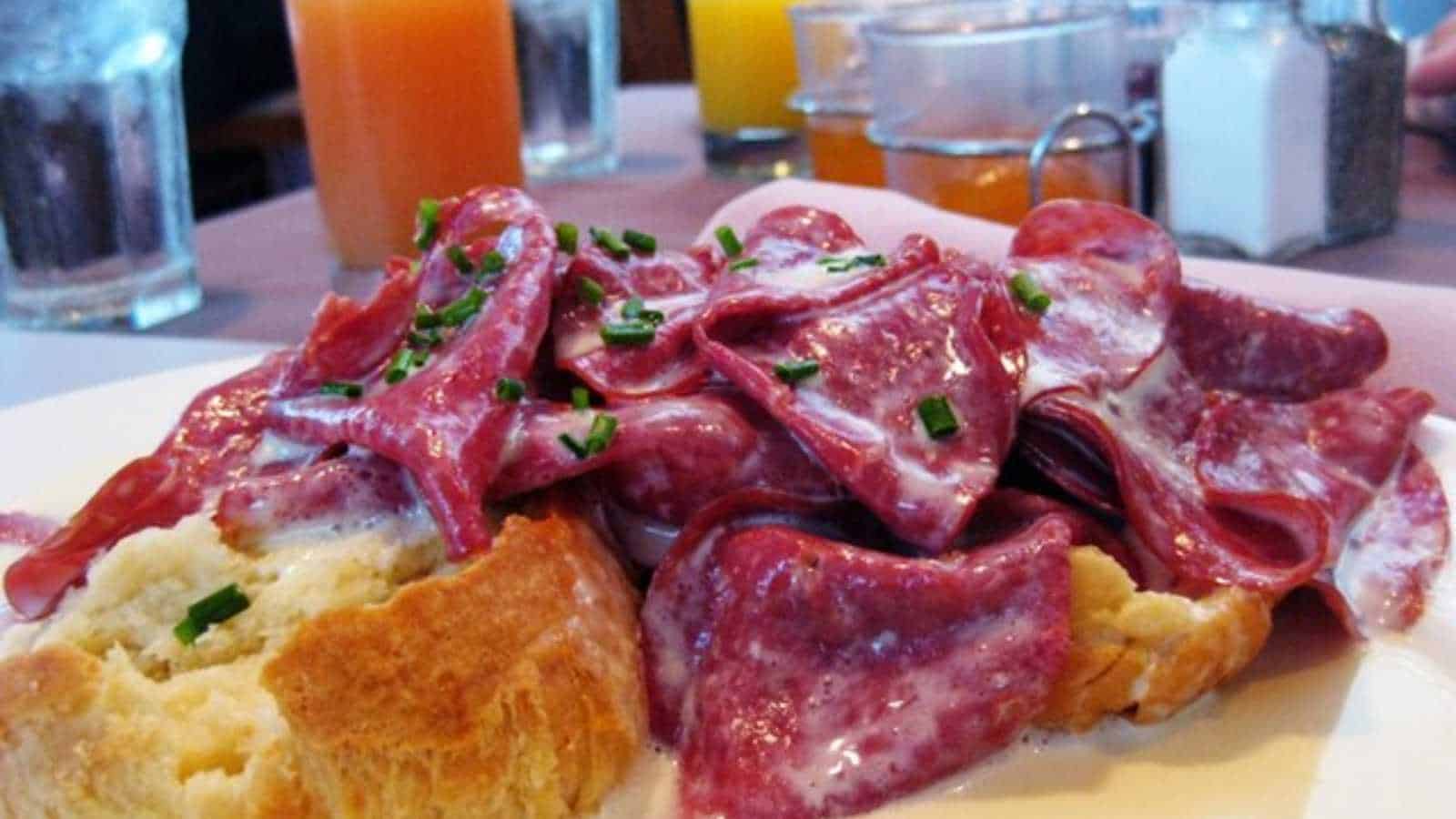
Affectionately known by its less-than-appetizing military nickname, this salty dish was a comfort classic for many returning veterans. It consisted of thin slices of dried beef smothered in a thick white gravy, served over a slice of toasted bread. It was a cheap and filling way to feed a hungry family when the monthly money was running low.
Newspaper retrospectives note that creamed chipped beef went from a school cafeteria favorite and a frozen dinner staple to a rare nostalgic menu item as tastes and health priorities changed.
Most people now find the high sodium content a bit too much for their modern sensibilities and prefer fresh protein instead. It remains a nostalgic memory for some, but it has largely vanished from the standard restaurant menu.
Salisbury Steak

Often confused with a simple hamburger, this seasoned ground beef patty was a dinner hero for busy parents in the seventies. It was the star of the original TV dinner, sitting in its little aluminum tray alongside some mashed potatoes and peas. It gave the impression of a fancy steak dinner on a very modest, tight household budget.
Frozen food sales data show that brands built on classics like Salisbury steak now compete with global flavors such as bowls and pasta bakes, reflecting how our quick meals have diversified. People are now reaching for grain bowls or spicy tacos when they need a fast bite after a long day. The humble beef patty in brown gravy just cannot compete with the global flavors of the modern era.
Baked Alaska
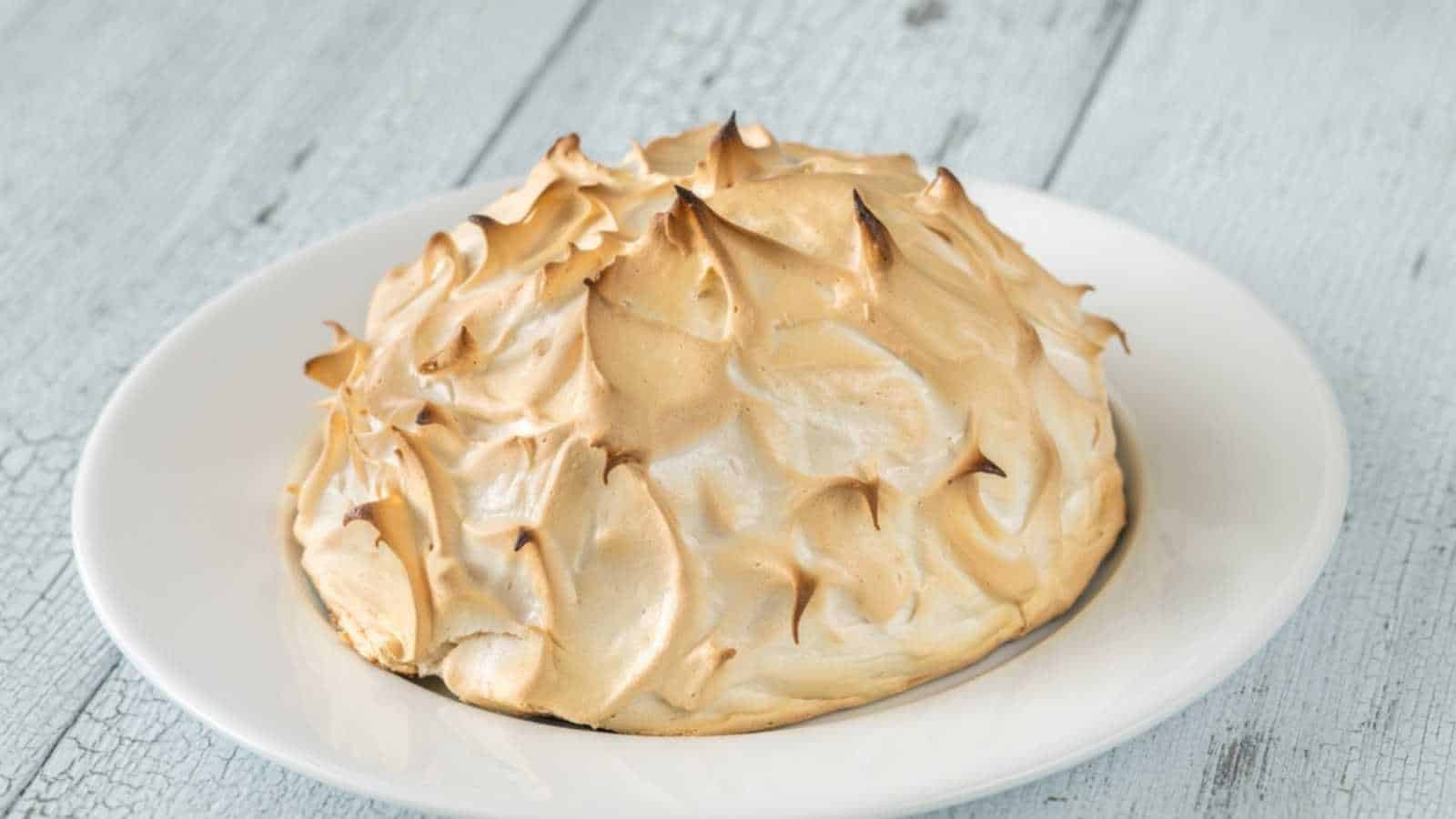
This theatrical dessert was once the grand finale of every high-end dinner party or celebratory cruise ship meal. It involved a cake topped with ice cream and encased in toasted meringue, all while miraculously staying frozen in the center. It was a feat of culinary engineering that never failed to draw a chorus of oohs and aahs from the guests.
Food historians point out that elaborate showpiece desserts like Baked Alaska fell out of everyday rotation as home cooking shifted away from labor-intensive performance toward simpler, store-bought sweets.
Most people today would rather grab a pint of high-quality gelato from the grocery store than spend hours whisking egg whites. It has become a relic of a time when dinner was as much about the show as it was about the taste.
Aspic and Meat Jellies
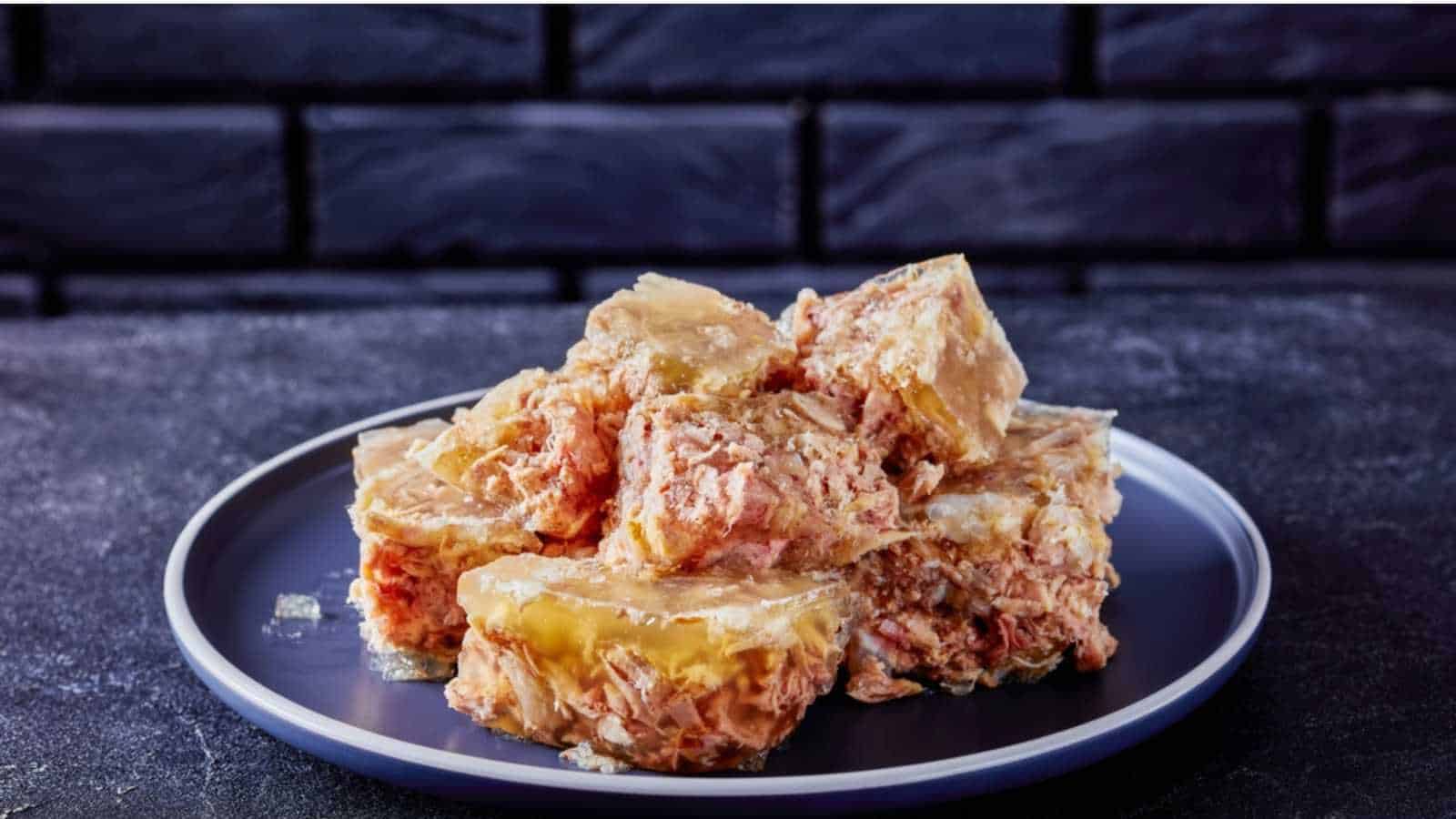
Long before we had fancy charcuterie boards, people were obsessed with encasing meats and vegetables in clear, savory stock. These cold platters were a sign of a skilled cook who could clarify a broth until it was as clear as a mountain stream. It was a staple of formal luncheons where every dish was expected to be a work of architectural art.
Today, aspic mostly survives in high-end culinary schools and niche French restaurants, where it is treated as a heritage technique rather than an everyday dish. Texture is often the biggest hurdle for modern palates accustomed to crunchy or creamy sensations. Aspic has quietly retired to the history books, leaving behind only the most adventurous of chefs to keep it alive.
Mock Apple Pie
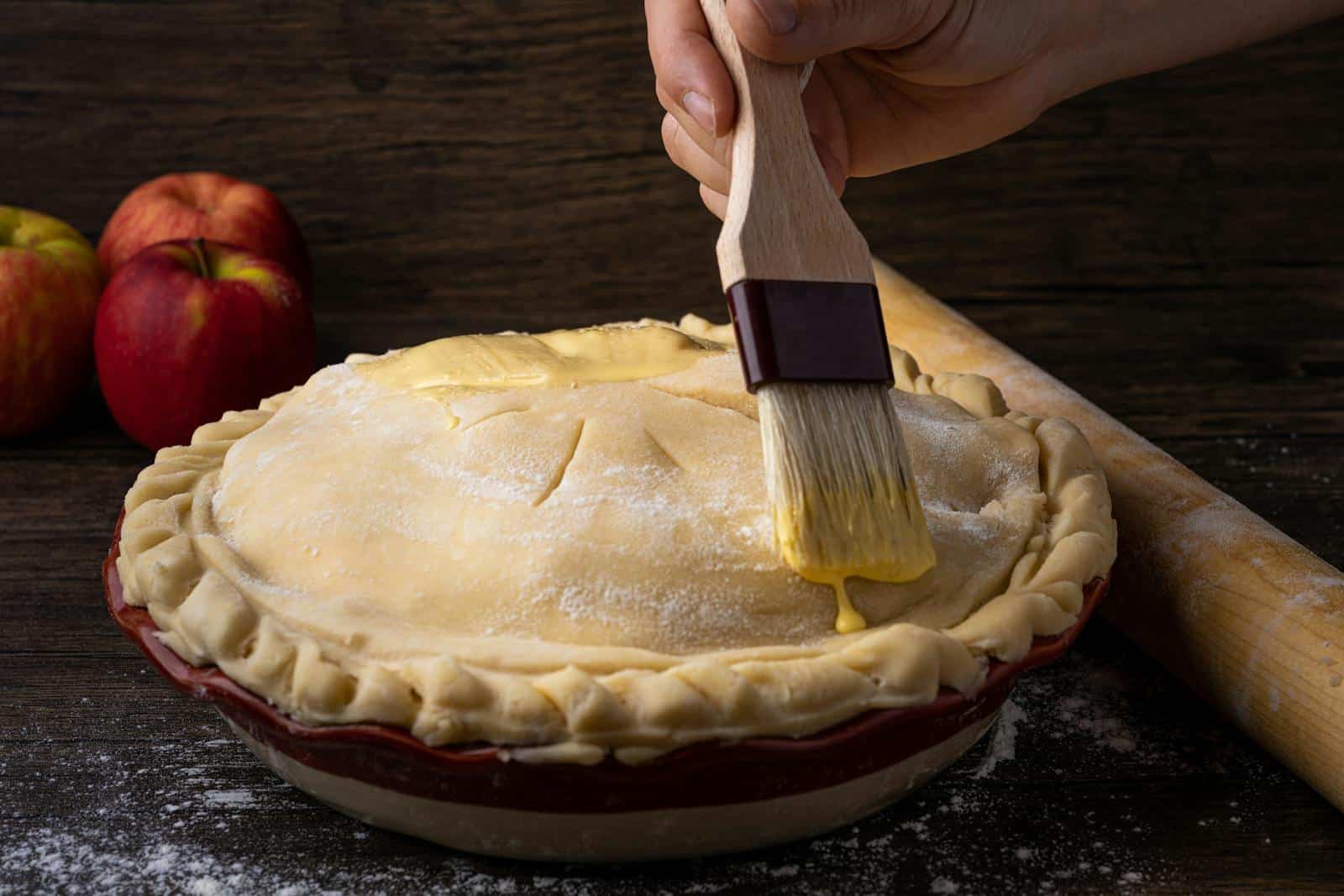
During times of hardship, resourceful cooks discovered that Ritz crackers soaked in lemon and cinnamon tasted surprisingly like fruit. This clever deception allowed families to enjoy a favorite dessert even when fresh apples were too expensive or simply unavailable. It was a testament to the creativity and grit of the American home cook in the mid-century.
Food historians trace mock apple pie back to the 1800s, when cooks used crackers or stale bread whenever real apples were scarce or too costly. With fresh produce now available year-round, the need for such a clever substitution has mostly evaporated from our kitchens.
Canned Whole Chickens
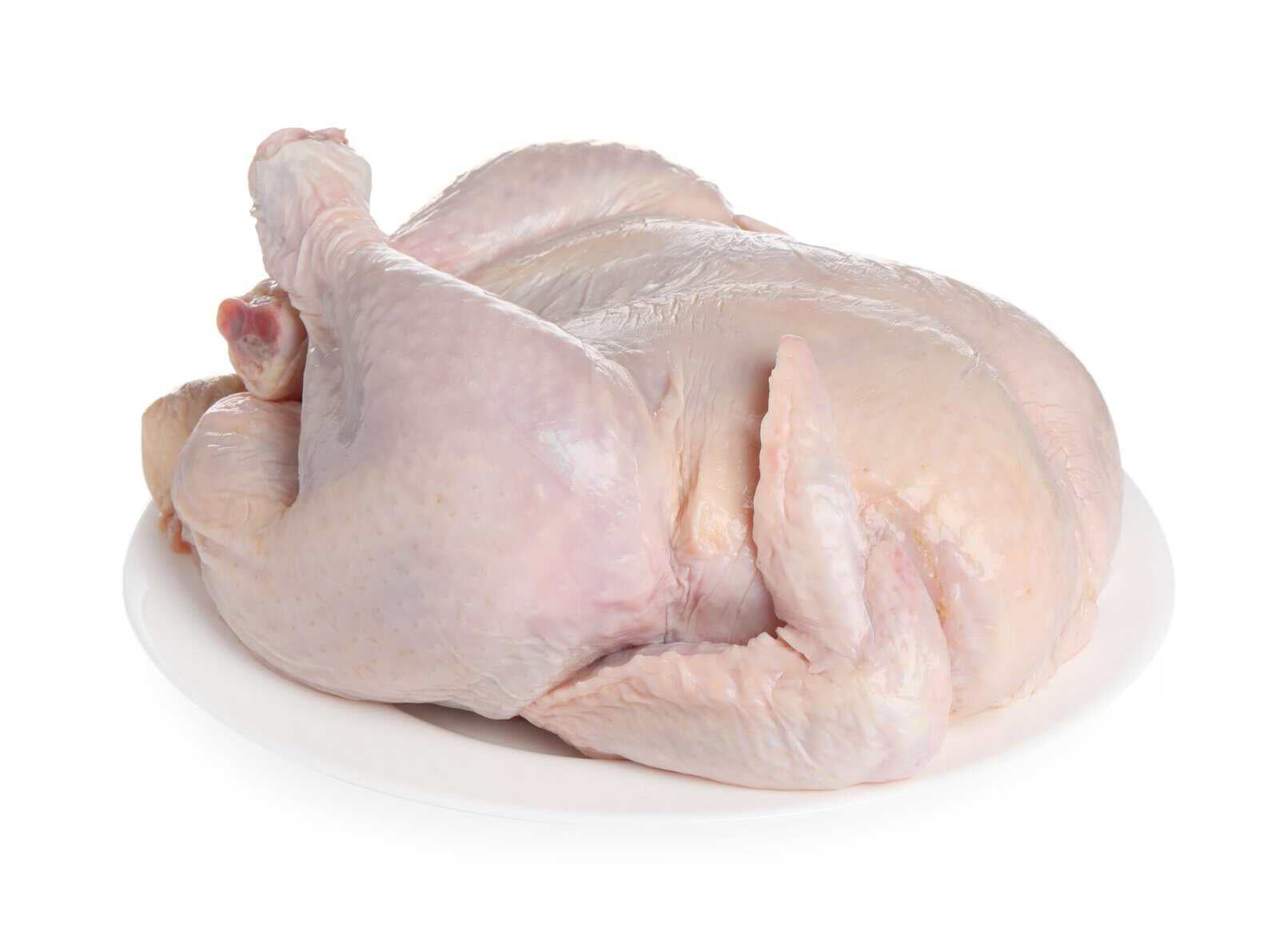
There was a time when you could buy an entire cooked chicken sliding out of a large can in a pool of jelly. It was marketed as a miracle of convenience for a family that was always on the move and needed a fast meal. While it was a staple for some campers and survivalists, it eventually became the subject of many late-night comedy jokes.
Canned meat histories now treat the whole canned chicken as a startling relic in the evolution of convenience foods, more viral curiosity than pantry staple. The visual of a whole bird emerging from a metal cylinder is enough to turn many modern appetites toward a leafy salad instead.
Fried Bologna Sandwiches
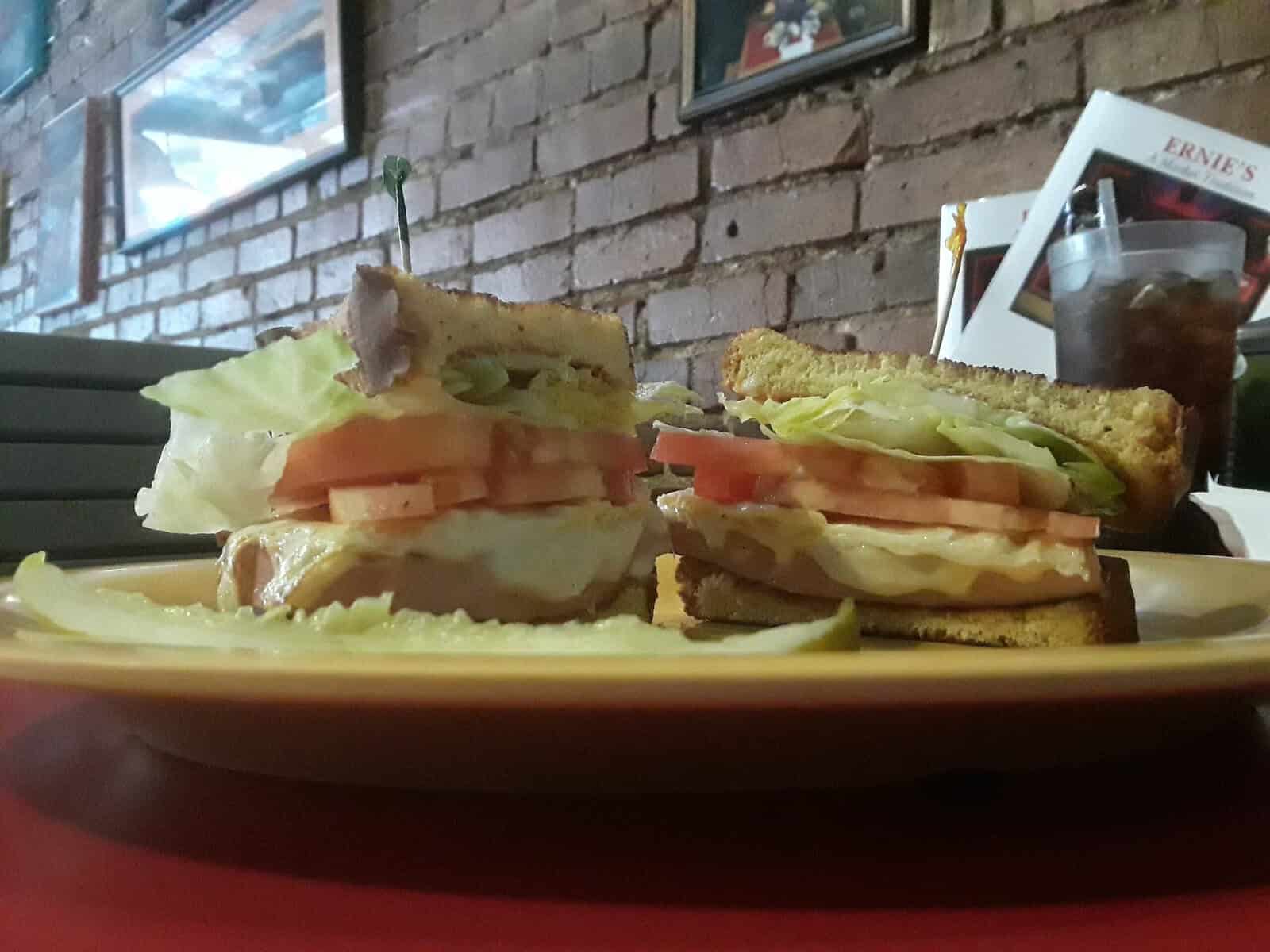
In many blue-collar households, a thick slice of fried bologna on white bread was the ultimate lunch of champions. The meat would curl up into a little bowl in the pan, waiting for a generous dollop of yellow mustard to finish it off. It was a simple and honest meal that fueled a generation of builders and factory workers across the nation.
The modern bologna market has shifted toward premium and nitrate-free versions, reflecting a push from health-conscious consumers for “better” processed meats. People are now more likely to reach for roasted turkey or avocado than a slice of bright pink deli meat. The fried bologna sandwich has become a rare indulgence rather than a daily fuel source for the working class.
Grapefruit Halves

There was a decade when every morning started with a serrated spoon and a grapefruit half topped with a little sugar. It was the unofficial uniform of the diet-conscious American, promising a slim waistline and a sharp start to the day. The ritual of digging out each individual segment was as much a part of the morning as the first cup of coffee.
Market reports show that U.S. grapefruit consumption has dropped sharply from earlier peaks and only recently started to stabilize at much lower levels. The labor-intensive grapefruit has been replaced by quicker options like smoothies, protein bars, and yogurt cups that fit into a busy commute.
Succotash

This humble mixture of lima beans and corn was once a beloved side dish that celebrated the harvest of the American heartland. It has roots that stretch back to the indigenous peoples of the continent and was a staple on colonial tables for centuries. It was a reliable and nutritious way to fill a plate without needing many expensive ingredients.
As home cooks experiment with edamame, chickpeas, quinoa, and international grain blends, lima beans have quietly slid to the back of the pantry. Succotash has become a word people recognize more from old cartoons than from menus at local eateries.
Key Takeaway

The disappearance of these classic dishes tells a story of how our culture, health goals, and daily schedules have evolved over time. While we may not miss the texture of a meat jelly or the smell of liver, these foods remind us of a time when we gathered around the table with more patience.
Embracing new flavors is a sign of progress, but there is still value in remembering the simple traditions that fed previous generations. Many of these meals were born of a need for thrift and resourcefulness, traits that remain useful in any modern kitchen.
Disclaimer – This list is solely the author’s opinion based on research and publicly available information. It is not intended to be professional advice.
Like our content? Be sure to follow us