The 12 things boomers can’t stand about modern restaurants
America’s restaurant industry is changing fast, and not always in ways older diners appreciate. Baby boomers, who still control a massive share of consumer spending, are becoming an increasingly important restaurant demographic as the U.S. population ages.
Restaurant Dive projects that adults 65 and older will account for 18% of all U.S. restaurant spending by 2030, up sharply from 10% in 2025.
At the same time, restaurants are racing to appeal to younger customers with QR-code menus, app-based loyalty programs, loud social-media-friendly interiors, and fast-turn dining experiences.
Research from McKinsey and other hospitality analysts shows generational differences in dining priorities are widening, with older diners placing more emphasis on service, comfort, consistency, and value.
Here are 12 modern restaurant trends many boomers simply can’t stand.
QR code menus that turn dinner into homework
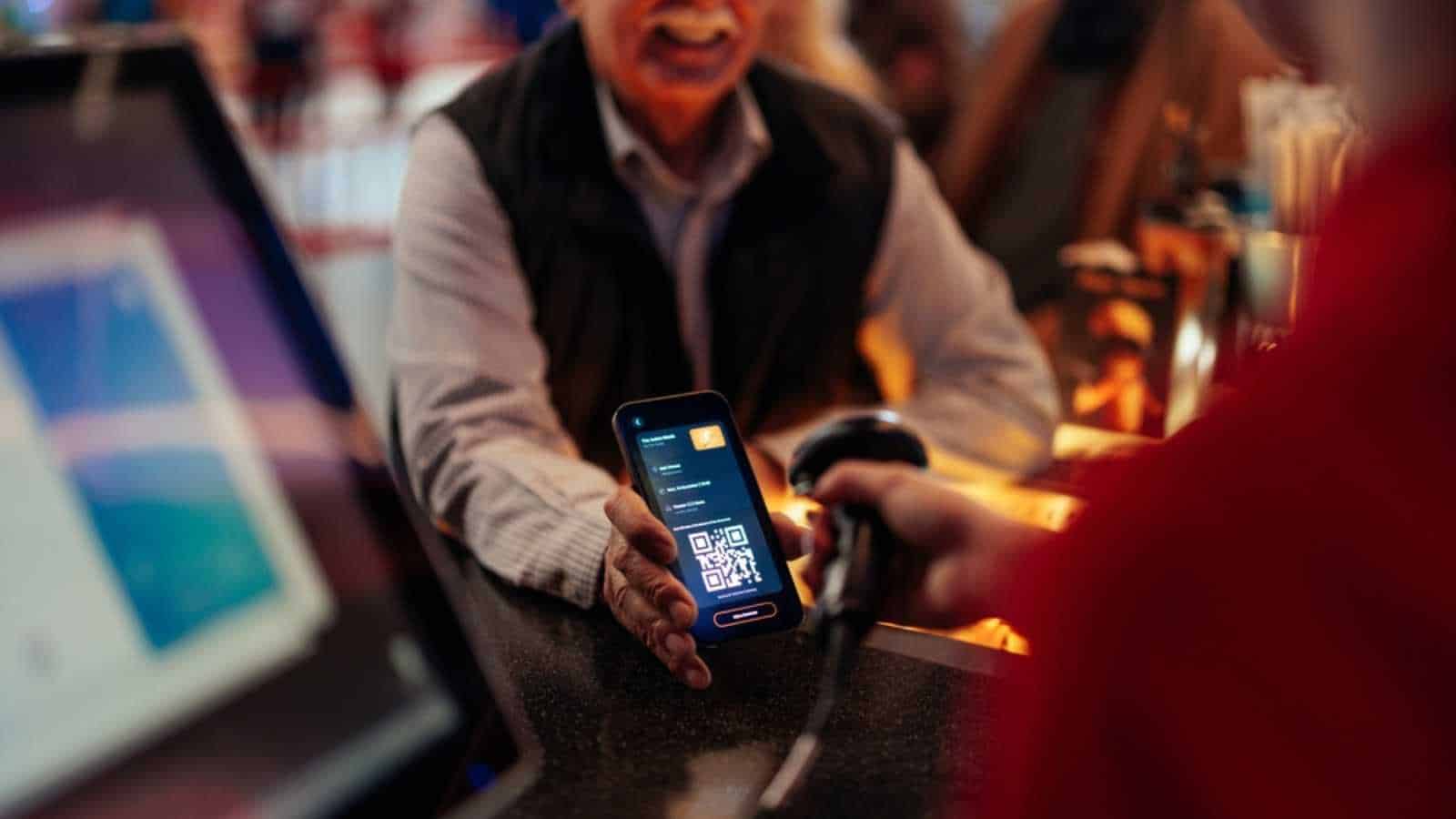
QR code menus may save restaurants money, but they can make dinner feel like a tech support session with appetizers. Many boomers hate pulling out a phone, finding the camera, scanning a tiny square, waiting for a weak signal, pinching the screen, and then hunting through a PDF that looks like someone trapped a menu inside a spreadsheet.
A 2025 consumer dining trends report found that 90% of Americans prefer printed menus to QR code menus when dining at restaurants, so this complaint is not limited to boomer territory. Honestly, who wants to start dinner by checking battery percentage?
The annoyance grows because a paper menu does more than list food. It gives diners a pause, a rhythm, and a sense that the restaurant actually invited them in. I have watched tables go quiet while everyone stares at separate screens, and that tiny moment changes the mood fast.
Boomers often read that shift as a loss of hospitality, not a cute upgrade. Restaurants can keep QR codes for specials or wine details, but when they remove every printed option, they basically tell older guests, “Good luck, and may your cellular data be strong.”
The dining rooms are so loud that nobody can hear the specials

Boomers do not ask restaurants to turn into libraries, but many modern dining rooms now blast music, pack hard surfaces, and call the result “vibe.” That vibe can make conversation feel like a competitive sport.
The CDC’s NIOSH summary warns that loud restaurant noise can block communication and reduce dining enjoyment, and adds that spaces where people must raise their voices at arm’s length may indicate sound levels that pose a hearing risk. So yes, Grandpa asking “What?” three times does not always mean he forgot his hearing aids.
Older diners often choose restaurants for conversation, not background music that makes a Caesar salad feel like bottle service. Noise also changes spending behavior because people shorten meals when they feel tired, irritated, or ignored.
If a restaurant wants regulars who linger, order dessert, and come back next month, it needs more than a playlist and cement floors. A little acoustic paneling, softer music, and staff who notice when guests struggle to hear can turn a chaotic room into a place people actually remember fondly.
Tip screens that make everyone feel watched
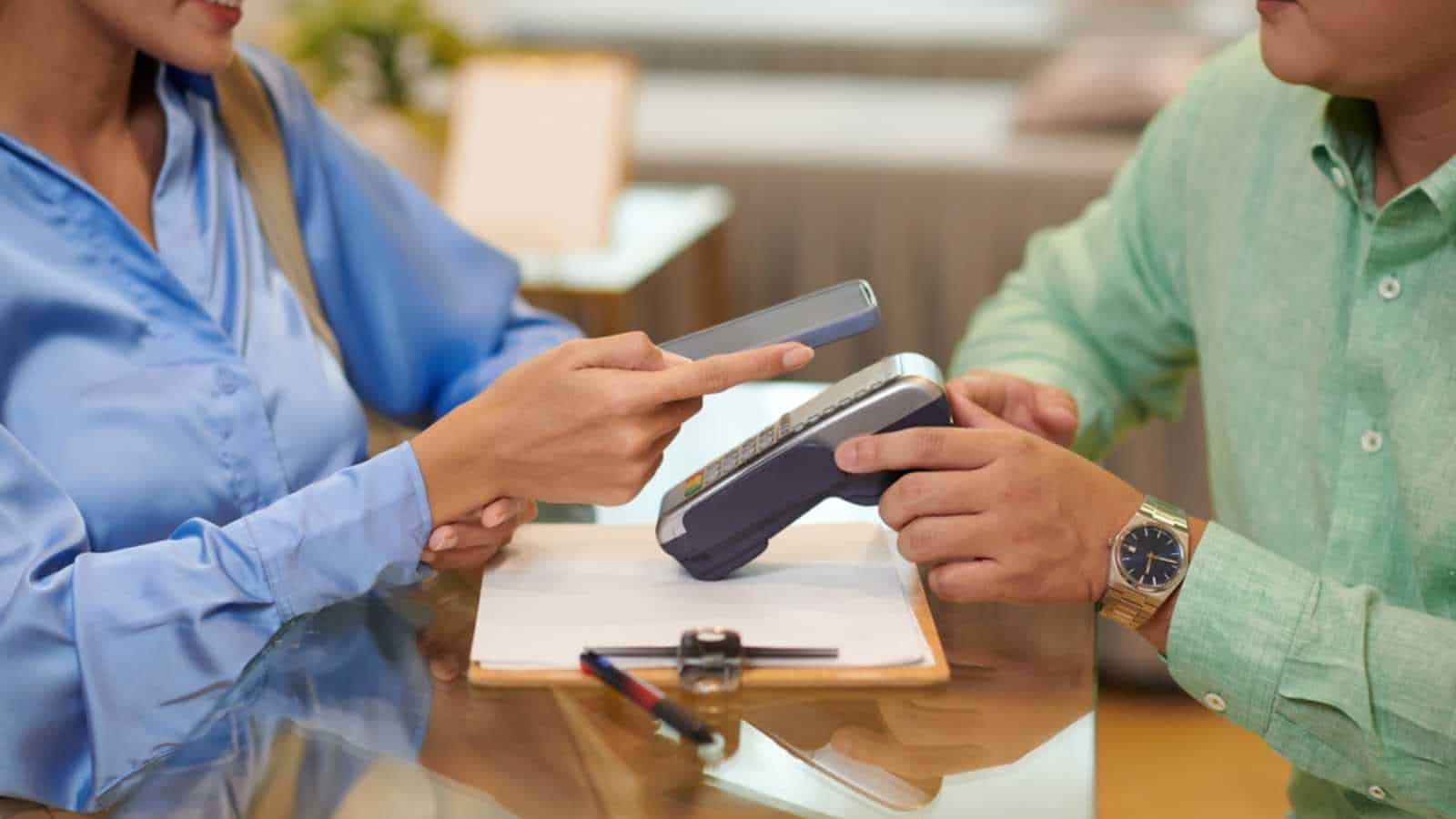
The modern tip screen can make even a confident diner sweat. You order a muffin, the cashier flips the tablet, and suddenly three big buttons ask for 20%, 25%, or 30% while someone waits two feet away.
Food & Wine reported that nine in 10 Americans say tipping culture feels “out of control,” and more than half say they often tip because of social pressure. Boomers grew up with tipping as a reward for table service, so a tablet guilt trip at a counter feels less like gratitude and more like emotional blackmail with a swivel screen.
The fatigue shows up in real restaurant data. Restaurant Dive reported that Popmenu found the share of consumers tipping servers 20% or more fell from 45% in September 2025 to 41% in March 2026, and CEO Brendan Sweeney linked the pullback to tipping fatigue and price pressure.
Toast also reported that the average full-service restaurant tip sat at 19.2% in Q3 2025, just above a seven-year low in the prior quarter. Boomers do not hate tipping good servers; they hate feeling ambushed before anyone brings water.
Surprise fees hiding at the bottom of the check

Few things ruin a nice meal faster than a bill that suddenly grows extra limbs. A “service fee,” “wellness fee,” “kitchen appreciation fee,” “credit card fee,” and “administrative fee” can make a simple dinner feel like a cable bill with fries.
The National Restaurant Association says operators continue to battle rising labor and food costs, so the pressure behind some fees feels real. But diners still want a clear price before they order, especially boomers who built a lifetime habit around reading the menu, doing quick math, and deciding what feels reasonable.
The frustration worsens because many diners do not know whether a fee replaces the tip, supports staff, covers card processing, or simply pads the check. When restaurants bury those charges in tiny print, they burn trust for a few extra dollars.
Boomers often value straight dealing, and they tend to notice when the advertised price turns into a mystery total. Restaurants can avoid the drama by clearly listing fees on the menu, training servers to explain them, and, maybe, a wild idea, pricing food honestly from the start.
Tiny portions with luxury prices
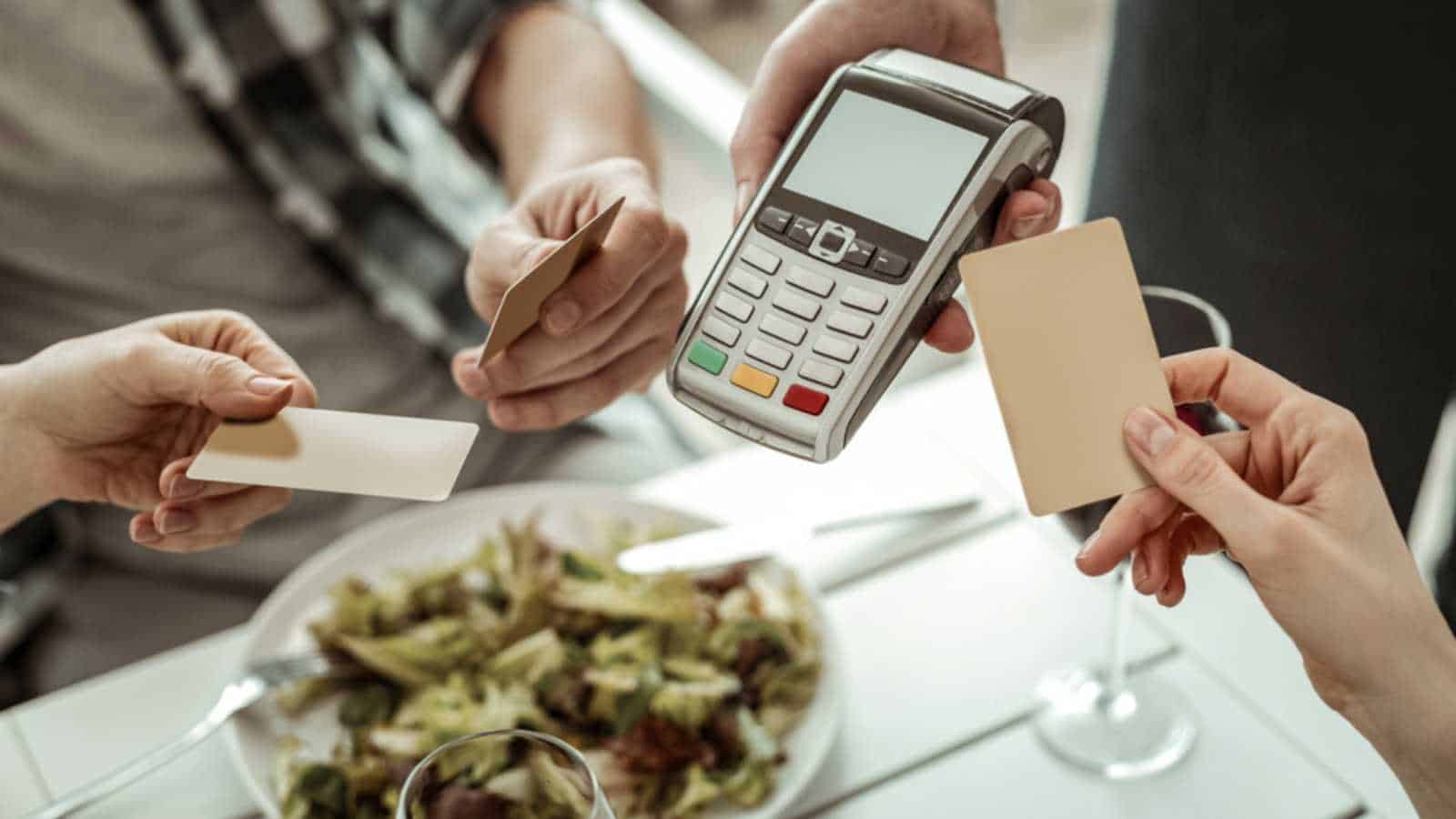
Boomers have a special radar for shrinking portions, and restaurants keep testing it. Menu prices rose 3.8% from March 2025 to March 2026, with full-service prices up 4.3% over that period, according to National Restaurant Association economic data.
That may sound moderate on paper, but diners feel it fast when the salmon arrives smaller, the side costs extra, and the cocktail looks like it was poured during a sneeze. People will pay for quality, but nobody enjoys playing “find the entree” on a giant white plate.
Modern restaurants often defend smaller portions with words like curated, seasonal, elevated, and chef-driven. Fine, but a hungry guest still wants dinner, not a museum exhibit with parsley. Boomers often compare the new experience to decades of dining, when a meal felt generous and clear.
If a restaurant charges premium prices, it needs to deliver premium satisfaction, not just good lighting and a poetic description of carrots. Value still matters, and even the National Restaurant Association says 2025 value goes beyond price to include hospitality and affordability.
Cashless counters that reject real money

Cashless restaurants may feel sleek to owners, but many boomers still like the control and simplicity of cash. Pew Research found that 71% of adults aged 50 and older always have cash on hand, compared with 45% of adults under 50.
That gap explains why a “card only” sign can annoy older diners before they even smell the coffee. Cash also helps people manage budgets, split meals, tip directly, and avoid handing their information to another app.
The issue goes beyond nostalgia. When a restaurant refuses cash, it can make some customers feel excluded, especially older guests, lower-income diners, and people who prefer privacy.
Boomers often see cash as practical, reliable, and already paid for, which, yes, still counts as a feature. A restaurant does not need to turn back the clock to 1978, but it can accept both cash and cards without treating cash users like they arrived by covered wagon. Flexibility feels a lot more welcoming than a lecture about “frictionless payments.”
Servers who vanish behind apps and kiosks
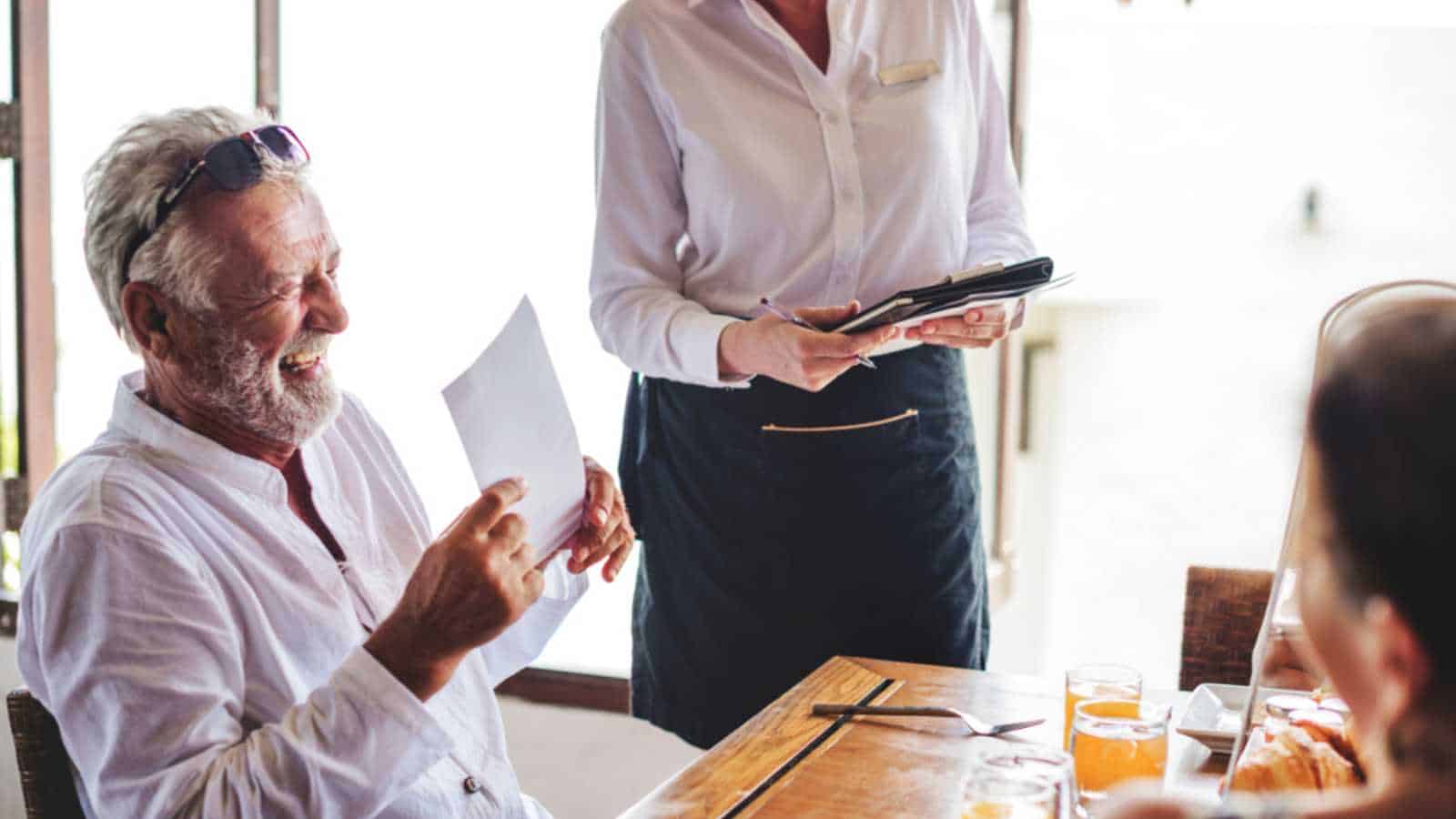
Boomers often miss the old-fashioned part of hospitality, the part where a person greets you, explains the special, checks on the table, and notices that you need another napkin before your lap becomes a crime scene.
Modern restaurants keep moving more tasks to apps, kiosks, QR ordering, and text updates. The National Restaurant Association says restaurants want more in-person traffic in 2025, especially among fine-dining and casual-dining operators, but a restaurant cannot win people back to the dining room by making the whole experience feel like takeout with chairs.
Technology helps when it supports service, but it irritates people when it replaces service. A kiosk never reads the table, catches confusion, or says, “That dish runs spicy, so you may want the sauce on the side.” Boomers often appreciate efficient tools, yet they still expect the human part to show up.
Restaurants that blend both worlds win. Let the app handle loyalty points, but let a real server handle warmth, timing, and the priceless art of making guests feel like more than order numbers.
Reservation rules with cancellation penalties

Modern reservations now include credit card holds, cancellation windows, deposits, and reminder texts that read like legal notices. Toast reported that seated reservations rose 8% year over year in Q3 2025, while cancellations rose 7%, so restaurants clearly need tools to protect tables.
Still, boomers often dislike making dinner plans that feel as binding as a mortgage closing. A reservation should promise a seat, not create anxiety about traffic, weather, babysitting, or a friend who says, “I’m leaving now,” while still standing in their kitchen.
Restaurants face real losses when diners no-show, so fees make business sense in high-demand rooms. The problem starts when the rules feel harsh, hidden, or one-sided. If the restaurant can run 25 minutes late without apology, diners get pretty grumpy when a late cancellation costs them money.
Boomers tend to value courtesy both ways. Clear policies, reasonable grace periods, and actual communication can make a cancellation fee feel like a fair boundary rather than a candlelight trap.
Communal tables that erase personal space

Communal tables look great in design photos, but many boomers see them and immediately wonder why dinner now requires sitting beside strangers named Chad and Madison.
The trend fits younger diners who want social energy, shared experiences, and a little “look how spontaneous we are” charm. OpenTable’s 2025 trend report says group dining and experiential dining continue to rise, and it urges restaurants to build around social meals and flexible setups. That may work for some crowds, but not everyone wants a side of forced intimacy with their soup.
Personal space matters more when diners want conversation, privacy, or a quiet anniversary dinner. Boomers often grew up treating restaurant meals as personal occasions, even casual ones.
A shared table can make it harder to talk about family, money, health, or anything deeper than “pass the salt.” Restaurants can still offer communal seating, but they should not make it the only option. Give people a booth, a two-top, or at least enough elbow room to cut chicken without becoming part of a stranger’s TikTok recap.
Dark rooms and tiny print menus
Dim lighting can create a mood, but some restaurants take it so far that diners need a flashlight, bifocals, and divine intervention to read the menu. Boomers often joke about this, but the complaint makes sense.
A printed menu loses its charm when the font looks like an ingredient label on a lip balm tube. Combine that with low contrast, gray ink, glossy paper, and candlelight, and suddenly “What are you having?” turns into a group reading project. Nobody wants to ask the server to translate the appetizer section as if it were ancient scripture.
This issue connects directly to accessibility and comfort. Restaurants spend serious money on decor, then sabotage the experience with menus that many paying guests cannot read. A larger font, better contrast, and decent lighting do not ruin ambiance. They simply help people order with confidence.
Since physical menus remain overwhelmingly popular, restaurants should treat them like part of the service, not an afterthought. A beautiful menu that guests can actually read beats a trendy one that makes everyone reach for their phone flashlights.
Overdesigned food that needs a speech
Some modern restaurants turn every dish into a TED Talk. The server arrives with a plate and starts explaining the foam, the smoke, the local microgreens, the fermented something, and a sauce “inspired by memory.”
Boomers often enjoy creative food, but many hate feeling like they need a culinary degree before taking a bite. The National Restaurant Association found strong interest in experiences such as tasting events, private chef dinners, and cooking classes, so restaurants clearly see demand for food that entertains as well as feeds.
The problem starts when creativity replaces comfort. A diner can appreciate a clever dish and still want it warm, balanced, filling, and understandable. I love a good chef story, but sometimes I just want the chicken to taste like someone respected the chicken.
Boomers often respond well to restaurants that offer fresh ideas without making the guest feel uncool for wanting familiar flavors. Give the dish personality, yes, but do not make dinner feel like a pop quiz where the answer costs $38.
Menus that chase trends instead of regulars

Modern menus can change so often that loyal guests never know what they will find. One month, the restaurant serves classic pasta; the next, it pivots to small plates, then Korean tacos, then natural wine snacks, then a brunch menu built entirely around chili crisp.
The National Restaurant Association reports that 58% of consumers eat a wider variety of global cuisines than they used to, indicating a real appetite for variety. Still, boomers often want at least a few steady favorites they can count on when they bring friends or family.
Trend chasing can make a restaurant feel restless. Regulars form attachments to specific dishes, servers, booths, and rituals, and those attachments drive repeat visits. When a restaurant deletes every familiar item in pursuit of the next social media flavor wave, it may win a weekend crowd and lose the people who kept the lights on during slow months.
Smart restaurants can rotate specials without abandoning their identity. Keep the beloved burger, the great soup, or the reliable fish dish, then experiment around it.
Social media vibes that matter more than comfort
Some restaurants now design every corner for photos, not people. The neon sign has a slogan, the drink arrives smoking, the dessert stacks higher than common sense, and the lighting flatters the influencer more than the food.
OpenTable notes rising interest in curated experiences such as tasting menus, mixology workshops, and ticketed wine dinners, and that trend can feel exciting when restaurants handle it well. But boomers often resent places that prioritize spectacle over service, comfort, and meals that do not require three camera angles.
The real issue involves priorities. A restaurant can look beautiful and still seat people comfortably, control noise, train staff, print menus, and serve food at the right temperature. Boomers often spot the gap between image and substance fast because they have seen plenty of dining fads come and go.
A flower wall cannot rescue slow service. A viral cocktail cannot fix a cold entree. Restaurants that want broad appeal should remember the simplest rule in hospitality: make guests feel cared for before asking them to post about it.
Key takeaway
Boomers do not reject modern restaurants because they hate change. They reject the parts of modern dining that make a meal feel less human, less clear, less comfortable, or less fair. QR menus, loud rooms, tip pressure, hidden fees, cashless rules, tiny portions, and overdesigned service all point to the same complaint. People still want hospitality, not a scavenger hunt with a service charge.
The funny part is that restaurants can fix most of this without giving up style or technology. Print a few menus, lower the music, explain fees, keep a human server in the loop, and make comfort feel as important as the decor. Boomers will notice, and so will everyone else. After all, a good restaurant should make you say, “That was worth it,” not “I need a nap and a customer support number.”
Disclaimer: This list is solely the author’s opinion based on research and publicly available information. It is not intended to be professional advice.
Like our content? Be sure to follow us.