12 factors behind Gen Z women’s hatred of men
Generation Z is redefining relationships, gender expectations, and dating culture in ways that are dramatically different from previous generations. But alongside these changes, a growing online narrative claims that many Gen Z women “hate men.” The reality is more nuanced.
Recent research shows young women are not necessarily driven by hatred, but by frustration, fear, disappointment, political polarization, and exhaustion with modern dating culture. Surveys from the Pew Research Center show younger adults are significantly more likely to report loneliness and emotional strain, while multiple studies suggest women feel less safe and more psychologically burdened online than men.
At the same time, dating has become harder for many young adults. Nearly half of Americans say modern dating is more difficult than it was a decade ago, according to Pew Research. Social media algorithms, political divides, economic pressure, hookup culture, and safety concerns have all contributed to growing distrust between young men and women.
Here are 12 major factors shaping why many Gen Z women have become increasingly skeptical of men and modern relationships.
Backlash against women’s rights
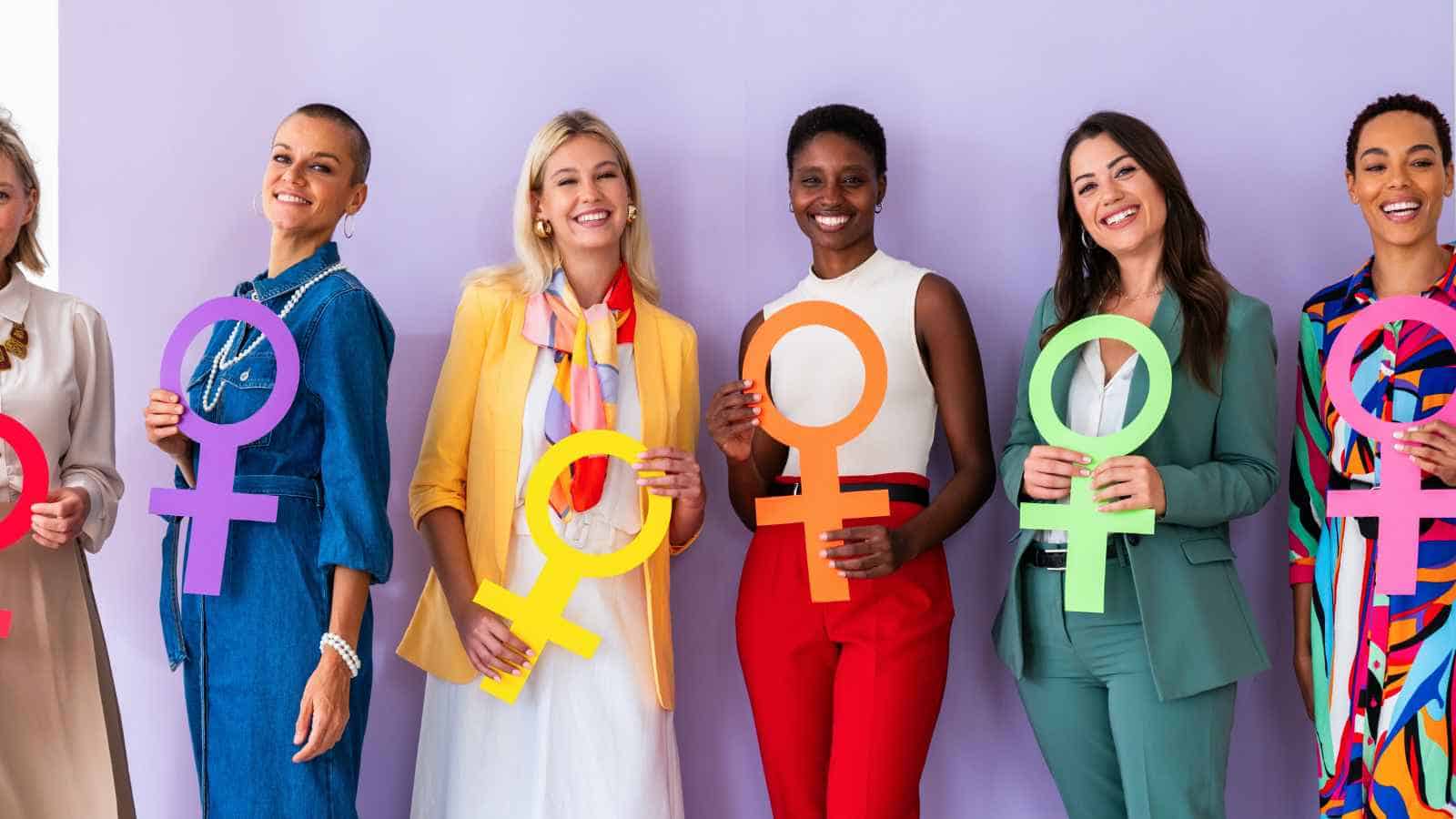
The shift is undeniable: a growing ideological rift now separates Gen Z women from their male peers. While many young men view modern feminism as a direct assault on their status, women see a calculated retreat from the pursuit of equality. This tension stems from a documented rise in sexist endorsements, where young men increasingly believe that sexual harassment claims are exaggerated.
As the partnership transforms into a silent cultural war, the voting gap widens and trust evaporates. Women are no longer willing to negotiate their safety or dignity with a generation that views their progress as a threat. This friction is just the beginning of a much deeper social collapse.
Persistence of traditional gender roles

Traditional gender roles are stubbornly clinging to life, creating a jarring disconnect in the modern dating landscape. While society champions diversity, a startling number of young men still cling to patriarchal ideals.
Data from a March 2026 report by the Global Institute for Women’s Leadership at King’s College London reveals that 31% of Gen Z men born 1997–2012 globally agree that “a wife should always obey her husband. This resurgence of traditionalism suggests that many Gen Z men hold more conservative views than their predecessors.
This trend leaves young women, who expected to find progressive partners, feeling blindsided by a cohort demanding an outdated level of obedience. This friction isn’t just a preference; it’s a cultural collision.
Sexist double standards in sexuality and relationships

Gen Z women are dismantling the quiet tolerance of previous generations, trading silence for a sharp, unapologetic critique of the modern dating landscape. This friction stems from a glaring contradiction: men often demand sexual liberation while simultaneously weaponizing it to shame their partners. It is an exhausting tightrope walk where women are expected to be available yet “pure,” empowered yet submissive.
This systemic hypocrisy transforms personal dating frustrations into a broader, collective resentment toward patriarchal control. As these double standards collide with a digital age that records and judges every move, the gender gap continues to widen. Is this a temporary rift or the start of a permanent social revolution?
Online misogyny and radicalization

The internet has become a breeding ground for misogynistic narratives, with many Gen Z women witnessing this firsthand in their interactions with men. YouGov research published in October 2025 states that while potentially misogynistic views are not universally held by young men, they are more prevalent among Gen Z men compared to older generations, with 55% of Gen Z men holding at least one of 12 polled misogyny markers, compared to 52% of Boomers.
Sexist beliefs, such as “women exaggerate harassment,” are contributing to the gender voting gap among young people. The online echo chambers make extremist gender content feel normal to some young men, which many Gen Z women interpret as male hostility in everyday life.
Mistrust driven by harassment and safety fears

Gen Z women are redefining their boundaries as a direct response to a digital landscape rife with persistent harassment and safety concerns. While previous eras might have dismissed “catcalling” as a nuisance, today’s women face a 24/7 barrage of unsolicited scrutiny and online threats that follow them into their private spaces.
Their skepticism functions as a necessary defense mechanism against a world that frequently fails to protect them. By prioritizing safety over traditional social expectations, they are creating a new standard for accountability that many find uncomfortable yet deeply necessary. This evolution reflects a broader demand for systemic change in how men and women coexist.
Economic frustration and provider-role collapse

The collapse of traditional provider roles is another source of tension. While many Gen Z women pursue higher education and financial independence, many Gen Z men struggle to fulfill the traditional breadwinner role due to economic instability.
Research indexed on ResearchGate indicates that men who perceive a threat to their traditional power, status, or structural roles in society may indeed displace their frustration onto women. This economic tension, coupled with the pressure to adopt more equal partnership models, often results in resentment among men and a sense of burden among women, who perceive it as entitlement rather than genuine struggle.
Emotional immaturity and “traditional” masculinity pressure

Gen Z women increasingly reject the emotional labor required to sustain relationships with partners who remain tethered to outdated social scripts. While women prioritize mental health and radical vulnerability, many men feel trapped by rigid “traditional” expectations that discourage honest communication.
This friction intensifies as young men oscillate between stoic withdrawal and defensive aggression under modern economic stress. The resulting gap in emotional maturity creates a cycle of frustration that pushes women toward independence rather than partnership. As these cultural values collide, the very foundation of modern romance is being rebuilt.
Social media echo chambers and viral narratives

Social media plays a significant role in shaping Gen Z women’s perception of men. Platforms like TikTok and YouTube are flooded with content highlighting toxic male behaviors and problematic dating experiences, reinforcing negative stereotypes.
Research covered by PsyPost in March 2025 shows that young men who consume content from “manfluencers” influencers in the manosphere who promote anti-feminist or traditionalist masculinist views are more likely to hold negative, dehumanizing views of women. Repeated exposure to these narratives makes it easy for Gen Z women to assume that most men fit these harmful stereotypes, fostering a sense of distrust and resentment.
Political polarization and value clashes
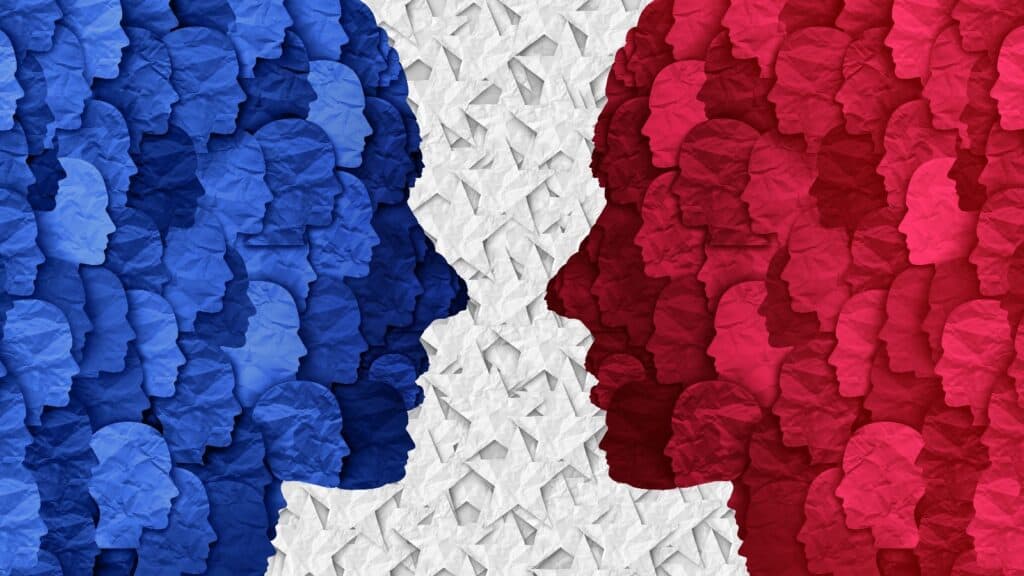
The growing chasm between Gen Z women and men isn’t just about different voting habits; it is a seismic shift in how a generation defines human rights. As young men increasingly drift toward conservative traditionalism, women are moving sharply in the opposite direction, viewing these sexist undercurrents as a direct threat to their autonomy.
This friction transforms every conversation into a battlefield of clashing ideologies. When a man rejects feminist progress, women no longer see a simple policy disagreement but a fundamental rejection of their personhood. This resentment stems from a refusal to tolerate dated power dynamics, creating a social standoff that reshapes modern dating, workplace culture, and the very future of the nuclear family.
Broken expectations around equality at home

Modern romance faces a deepening rift as younger women confront a stark reality: the promise of domestic equality rarely survives the first year of cohabitation. While Gen Z enters relationships with blueprints for shared labor, systemic inertia often pulls partners back into outdated roles.
Gender specialist Kate Mangino argues that many relationships are still coloured by “leftover expectations of what women do and what men do, what mothers do and what fathers do. This persistent gap creates a profound sense of betrayal, fueling a broader disillusionment with traditional partnership. As these women prioritize their peace over the struggle for basic fairness, the point of friction remains clear.
Identity shifts and queer‑inclusive norms

Gen Z women are redefining the social landscape, fueled by a refusal to accept outdated dynamics and systemic inequities. This friction isn’t just about preference; it is a fundamental clash between evolving values and a stubborn status quo. From the rise of financial independence to the rejection of the “mental load,” the reasons for this growing distance are complex and deeply rooted in modern survival.
The widening chasm reflects a generation of women who prioritize personal autonomy over traditional partnership. As digital spaces amplify these frustrations, the divide continues to sharpen, leaving many wondering whether the bridge between the genders can ever be rebuilt or whether the separation is permanent.
Emotional burnout and defensive “man-hating.”

Modern dating and social dynamics have pushed many Gen Z women toward a state of profound emotional fatigue. This shift is not merely a trend but a reaction to recurring disappointment and systemic friction.
Recent data from the 2024 Ipsos World Mental Health Day report confirms that Gen Z women indeed report the highest levels of distress and are the most likely to experience poor mental health. When repeated betrayals shatter trust, contempt often emerges as a vital survival strategy. This defensive posture creates a protective barrier against further harm, reframing “man-hating” as a tool for emotional preservation.
Key takeaway

Gen Z women’s growing frustration with men is a multifaceted issue rooted in political, social, and emotional divides. The persistence of traditional gender roles, sexual double standards, and political polarization, coupled with economic pressures and online misogyny, has created a deep sense of resentment.
As society evolves, many Gen Z women feel betrayed by men who resist change, leading to a widening gender gap and a sense of hostility. From the rise of the “manosphere” to the fight for bodily autonomy, distinct drivers explain the surge in resentment. Understanding these dynamics is crucial for fostering healthier relationships and gender equality in the future.
Disclaimer – This list is solely the author’s opinion based on research and publicly available information. It is not intended to be professional advice.
Like our content? Be sure to follow us.