12 habits of women who frequently lie
Ever caught a friend in a tiny fib and thought, “Okay… how often is this happening?”
Studies by the University of Wisconsin show that lying is actually concentrated in a small minority of adults. In the U.S., around 75% of people told between 0 and 2 lies per day, while about 6% told occasional lies. These numbers aren’t just wild speculation; they come straight from research on everyday deception.
For women in this “frequent liar” minority, lying often spills into multiple areas of life, from romantic relationships to work, sometimes even parenting. So what makes these women so convincing? It’s not just what they say, it’s how they say it. Here are 12 habits that turn everyday fibs into believable performances.
And FYI, you might even recognize a habit or two in yourself or someone you know.
They Lie Far More Often Than Most People

Frequent liars don’t sneak in one or two fibs; they dominate the deception game.
Not all lying looks the same, and for habitual liars, fibbing becomes less of a rare slip and more of a regular communication style. She may not just lie to escape one awkward question. Instead, the story shifts across different parts of her life, from where she went to what she spent, who she spoke to, or why she made a certain choice.
The tricky part is that these changes often sound small at first. One detail moves, then another gets softened, then a third gets quietly rewritten. Before long, her version of events feels like a document with too many edits. You might notice this when her stories keep changing just enough to make you pause, but not enough for her to admit anything is wrong.
They Hide Lies Inside Mostly True Stories

Ever notice how a story can sound true even when something feels… off? That’s classic “good liar” territory.
Research by PubMed Central on self‑identified good liars shows that the three go‑to tactics are: embedding lies inside truthful information, keeping statements simple, and keeping the whole story plausible.
That’s why she might show you receipts, screenshots, or timelines that mostly add up, except for one key detail (like who she was messaging or why she was late). The truth acts like camouflage, making the lie harder to spot until much later. It’s like telling half the truth with such precision that the missing half goes unnoticed.
They Lean on Warmth and Likability as Cover

Sometimes deception isn’t cold or calculated, it’s wrapped in charm.
Personality plays a surprising role in how convincing a liar can be. Traits like modesty and sympathy can make a person appear more trustworthy, which makes their lies easier to believe. Being outgoing or open to new experiences can also help someone gauge how believable their story sounds and notice when others might be stretching the truth.
That means someone who’s friendly, emotionally tuned‑in, and socially polished may have an easier time pulling off deception because people simply trust them more. In everyday life, this can translate to “She was just so kind and empathetic that I didn’t think to question what she said.”
Likability doesn’t make lying okay, but it does make it easier to get away with.
They Lie to Avoid Criticism and Backlash
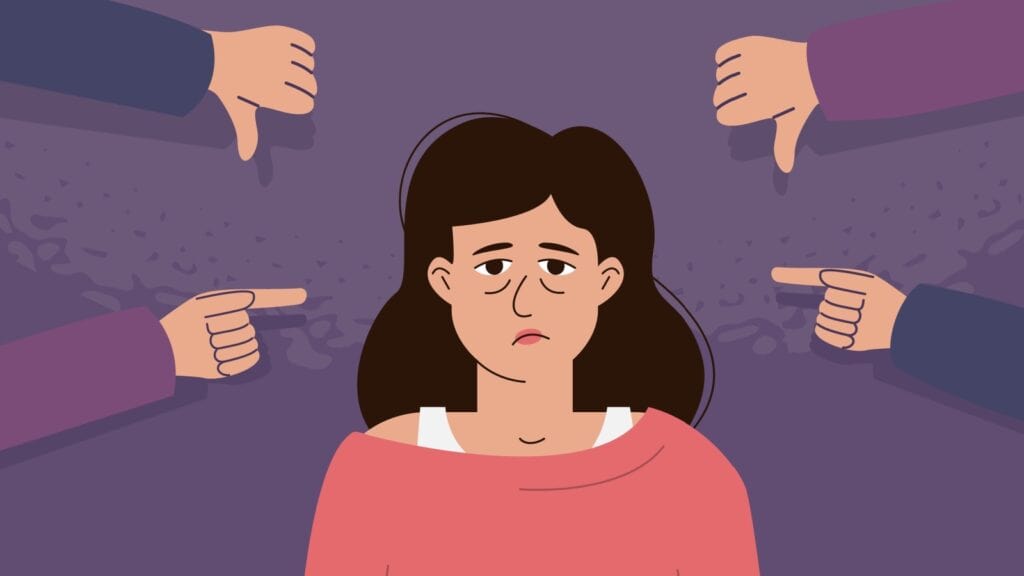
Sometimes lying isn’t about greed or manipulation, it’s about self-preservation.
Research from UC Berkeley found that women in negotiations tend to maintain high ethical standards when advocating for themselves but are more willing to bend the truth when representing others. The motivation? Avoiding social backlash and maintaining a positive reputation.
The logic isn’t “I want to mislead you” so much as “I want to avoid being judged as ineffective or uncaring.” It’s a skillful, socially calibrated kind of dishonesty that isn’t about ego so much as reputation management.
So, when someone seems to sugar-coat the truth under pressure, there might be a socially strategic reason behind it.
They Justify Lies as ‘Protecting Feelings’

Ever heard the phrase, “I didn’t want to hurt you”? There’s actually a behavioral pattern behind it.
Women may sometimes tell “white lies” to keep the peace, avoid hurting someone’s feelings, or make a tense moment feel easier. In relationships, friendships, or even at work, this kind of lying can look like kindness on the surface.
She might say someone did a great job, laugh at something that was not funny, or pretend everything is fine just to avoid conflict. The intention may be gentle, but it is still deception. Over time, these small lies can become a habit, especially when people convince themselves they are only trying to protect others.
They Edit the Truth to Fit Social Expectations

Women often adjust their stories to align with social norms, especially in sensitive domains like sexual behavior, ambition, or personal achievements.
Terri Fisher, co-author of the study and associate professor of psychology at Ohio State University’s Mansfield campus, says, “Women are sensitive to social expectations for their sexual behavior and may be less than totally honest when asked about their behavior.”
This shows how social pressure shapes reporting habits. In casual conversation, you might notice subtle tweaks or omissions, often designed to avoid judgment. This isn’t always malicious; it’s socially strategic. Yet it remains a form of deception, woven seamlessly into everyday life.
They Deceive by Omission and ‘Technical Truths’

Not all lies are spoken; they can be hidden in silence or selective disclosure.
A report by Murray State University shows that withholding relevant information is a common form of deception, especially among individuals with avoidant or anxious attachment styles. Women, like men, may omit details about dating, spending, or other sensitive topics, later defending themselves with, “I never said I didn’t…”
These “technical truths” allow them to navigate conflicts without blatant falsehoods. The subtlety makes detection difficult: the lie exists in what isn’t said. In practice, this can look like vague answers, delayed disclosures, or carefully curated details.
They Lie to Keep Distance or Prevent Abandonment

Attachment style plays a surprisingly big role in deception.
Women with avoidant attachment sometimes lie to protect their independence or keep emotional distance, while those with anxious attachment may hide actions out of fear of rejection. These lies often act as coping strategies, helping them safeguard themselves or maintain a sense of stability in relationships.
For instance, a woman might downplay interactions with others or conceal personal feelings to prevent conflict. Over time, these behaviors can become habitual, creating a consistent “lie to protect” approach. The intention is not always to manipulate; it can be a way to navigate emotionally complicated situations.
They Live Inside Grand, Shifting Stories

At the extreme end, lying can turn into a deeper pattern where stories become bigger, bolder, and harder to separate from reality.
This kind of lying goes beyond a small excuse or a harmless cover-up. A person may twist facts, add dramatic details, or create entirely different versions of events to make them look more impressive, misunderstood, or important. Sometimes, they may even seem to believe parts of what they are saying.
In daily life, this can show up as constant exaggeration about work, achievements, relationships, or personal struggles. These lies are red flags because the story keeps changing, the details feel too polished, and checking the truth takes real effort. It can feel like being trapped in a movie script that never stops rewriting itself.
They Are Convinced They Can Get Away With It

Confidence plays a major role in habitual lying.
People who lie often believe they are skilled at it, assuming others are “too sensitive” or “wouldn’t get” the full story. Women who frequently deceive may also justify their actions in the same way, thinking their lies are harmless or unlikely to be uncovered.
This sense of overconfidence strengthens the habit, making the deception harder to spot. It’s a combination of boldness and misjudgment that allows someone to appear charming and self-assured, even as they spin exaggerated or false stories.
They Carefully Manage Facial Expressions and Tone

Pulling off a convincing lie isn’t just about what’s said—it’s how it’s delivered.
Mastering facial expressions, tone, and gestures can make a story far more believable. Women, often socialized to stay polite and composed, may find it easier to appear calm under scrutiny. Controlled eye contact, steady speech, and measured reactions help hide any cracks in the tale.
In the end, lying becomes a performance, with subtle acting that keeps the audience hooked and questioning very little.
They Change How They Lie Depending on Who’s in Front of Them

Lying isn’t one-size-fits-all.
People often change their stories depending on who they’re talking to, the setting, and what’s at stake. Some exaggerate to gain an advantage, while others soften the truth to protect relationships.
Face-to-face interactions push people to be more careful, especially women, who may stick closer to the truth when expressions and tone can reveal inconsistencies, according to a report from the Berlin School of Economics. Anonymous channels like text or social media make bending the truth easier because the risk of being caught feels lower.
Timing, audience, and social expectations all shape how someone crafts a lie, turning deception into a situational skill.
Key Takeaways

Frequent lying often starts small, but it can become a pattern when someone learns that edited stories help them avoid conflict, judgment, or consequences. These habits may show up through half-truths, missing details, charm, emotional excuses, or stories that keep changing over time. The main red flag is inconsistency, when someone’s version of events shifts depending on who is listening.
Many lies work because they are wrapped in truth. A person may share enough real details to sound believable, then hide the one part that changes the meaning of the whole story. That is why deception can be hard to spot, especially when the person seems warm, calm, confident, and emotionally aware.
The biggest lesson is to pay attention to patterns, not just single moments. One small lie may be harmless, but repeated exaggeration, vague answers, and polished excuses can point to a deeper trust problem. Healthy relationships need honesty, accountability, and clear communication, not stories that require detective work to understand.
Disclaimer – This list is solely the author’s opinion based on research and publicly available information. It is not intended to be professional advice.
Like our content? Be sure to follow us