12 workers you really don’t need to tip at all
Some people prefer to tip widely, but that practice can impact personal finances. Digital checkout screens often request high percentages for simple purchases, such as a cup of coffee or a snack, before consumers have tasted their food. Many individuals feel pressure to select the highest tip option while the cashier is watching, which may lead to habitual overtipping driven by social expectations.
Tipping culture has developed beyond its traditional role in the American economy. Recent coverage in National Geographic observes that digital point-of-sale screens now prompt for tips even on minimal or self-service purchases, creating potential confusion for shoppers.
This change can leave consumers feeling stressed while managing errands. Understanding which workers rely on tips can help inform more informed spending decisions
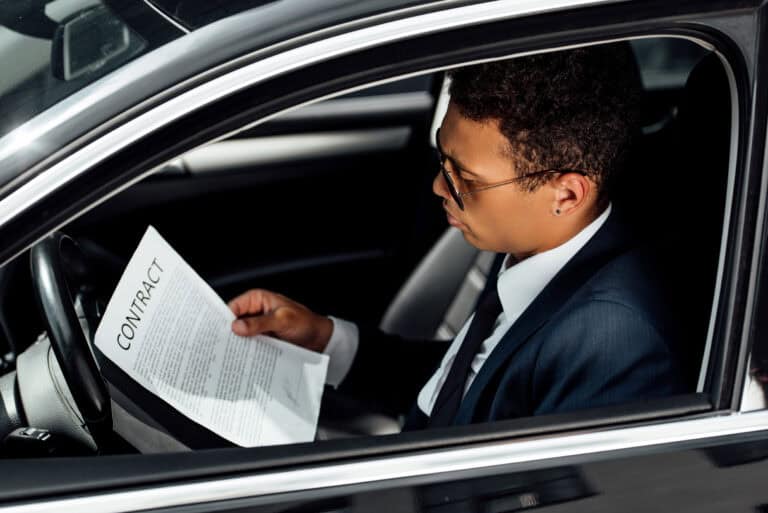
The Salaried Owner of a Service Business

Salon or repair shop owners do not require a bonus. U.S. labor rules under the Fair Labor Standards Act state that tips are for employees who regularly receive them, not for managers or business owners.
Owners set prices to cover their labor, costs, and profit. You might think a tip shows extra appreciation for excellent work. In reality, they already take home the largest share of profits.
Paying the posted price is sufficient when dealing with the owner. Federal guidance clarifies that managers may not retain employees’ tips, underscoring the law’s distinction between owners and tipped workers.
Owners typically do not earn low hourly wages as staff often do. Supporting their business through regular patronage and positive word-of-mouth is valued. Consider reserving tips for hourly workers who are not also owners.
Workers Who Pack Your Grocery Bags
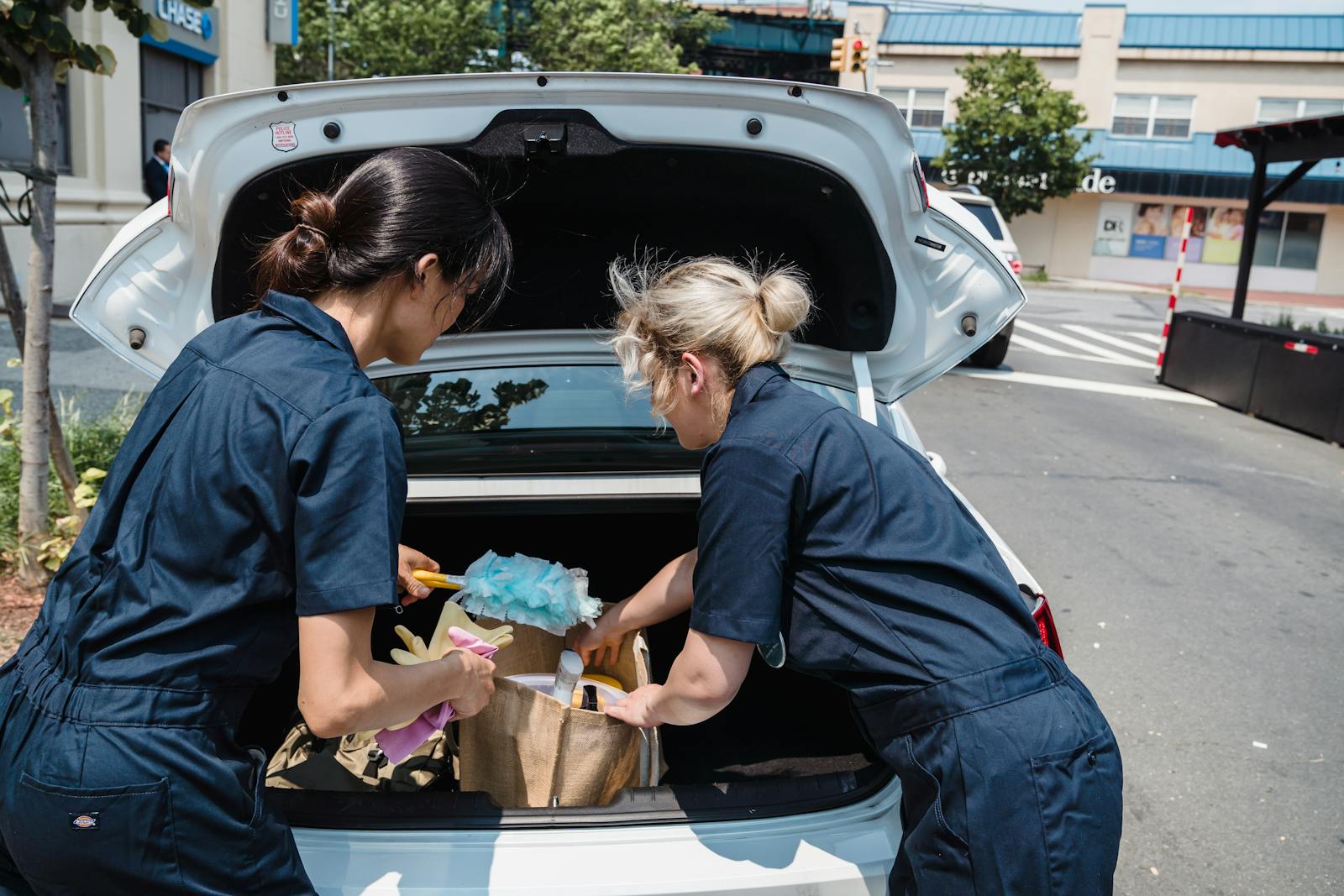
Store employees who bag groceries receive regular wages. While carrying heavy items to customers’ cars, these workers are subject to supermarket policies that often prohibit accepting cash tips. Accepting tips may result in consequences for employees under store rules.
A warm, polite thank-you is an appropriate way to recognize their hard work. You might also mention their service to the store manager as you leave. This can support their career growth more effectively than a cash tip. Keep your cash in your wallet at the local grocery store, and respect company policy to help these workers remain safe and employed.
Gate Agents and Flight Staff on Commercial Planes

Flight attendants keep you safe and comfortable. Airlines treat them as safety professionals with set pay and benefits. Major carriers do not allow cabin crew to accept cash tips, so they are not part of the normal tipping world.
You might think offering cash ensures better treatment or free drinks. But airline rules strictly forbid crew members from accepting money. It compromises their authority as safety officers in an emergency.
Bringing small wrapped treats for the whole crew is a better way to show thanks. Reports from National Geographic note that flight attendants prefer snacks or thank‑you notes to money. They love getting premium chocolates or snacks during a long shift. This friendly gesture builds goodwill without breaking aviation rules.s.
High School Teens Working Fast Food Drive‑Thrus

Handing over a bag of burgers through a window takes less than thirty seconds. These fast-food workers receive at least the state minimum wage for their hours worked. You might see a new tip jar sitting on the counter next to the cash register.
This placement is a method used by store owners that may supplement workers’ pay without adjusting base wages. The workers do not expect extra money for handing you a drink.
Tipping at a drive-thru is not customary for budget-conscious consumers. These employees do not offer table service or ongoing meal support. They take orders and process payments. Tipping is more common in sit-down restaurants where servers earn a lower tipped wage.
Government Employees and Postal Mail Carriers

Mail carriers work diligently to deliver packages in various weather conditions. USPS ethics guidance restricts postal workers from accepting cash or cash-equivalent gifts, including checks or gift cards. While some may want to offer money during holidays, federal rules limit the types of gifts that government employees can accept.
You can legally give them a small physical gift worth less than $20 instead. The USPS Holiday Ethics Guide states that employees may accept an unsolicited non‑cash gift valued at $20 or less from one person, provided that the total gifts from that source do not exceed $50 per year. So a small item, like snacks or a mug, is the safest way to say thank you.
A nice mug, some homemade cookies, or a warm pair of gloves works perfectly. These items bring holiday cheer without creating legal issues for your carrier. Keep the relationship safe by following the official government rules.
Professional Tradespeople and Home Contractors

Tradespeople such as plumbers, electricians, and carpenters charge rates that reflect their technical expertise. Tipping is not typically expected in this sector, as their compensation covers labor and profit. While some individuals may consider tipping after service, these professionals regard themselves as skilled experts.
Paying contractors promptly is an appropriate form of appreciation. Guides suggest that referrals and positive online reviews are beneficial for tradespeople, supporting ongoing business growth. Tipping is not commonly practiced in home improvement situations.
Medical Professionals and Hospital Staff

Nurses and physical therapists provide personal care during challenging moments. Hospital systems and ethics boards emphasize that medical staff should not accept cash from patients, as this may raise concerns about fairness and patient comfort.
Healthcare workers are not to accept money from patients. Offering cash can place staff in a difficult professional situation.
Handwritten notes describing staff contributions are valued gifts. Articles on tipping trends indicate that many hospitals prefer patients to provide feedback or write thank-you letters to supervisors, helping staff receive recognition. Sending fruit baskets to the team offers appreciation without violating institutional policies.
Customer Support Agents on Telephone Lines

Call center agents help resolve customer concerns and earn hourly wages, not tips. While customers may appreciate assistance, there is no established method for tipping by phone. Attempting to tip can create confusion and seldom benefits the agent.
The company measures its success through the survey at the end of the call. Staying on the line, call center agents help resolve customer concerns and earn hourly wages rather than tips.
They report directly to their supervisor for inclusion in their monthly performance reviews. This action ensures they keep their job and get promoted within the company. Say thank you clearly and take the survey to show your appreciation.
Hotel Concierges Who Give Simple Directions

Hotel concierges assist guests with city navigation and receive regular compensation for these duties. Tipping for simple guidance is not required. Some guests prefer to tip for every interaction, but this may affect their travel budget over time.
Cash tips are appropriate when concierges provide complex or unusual services. For routine actions such as providing a map, a polite acknowledgment may be appropriate. Distinguishing between ordinary desk duties and special favors can help manage travel expenses.
Retail Store Associates in Clothing Boutiques

Store clerks walk the floor to help you find the right size pants or shirts. They earn an hourly wage and sometimes a commission. For routine actions such as providing a map, a polite acknowledgment may be appropriate. ile payment tablet.
These screens are popping up in boutique shops across the entire country now. The machine is simply trying to exploit your good mood at the register.
Retail workers do not expect tips for unlocking a changing room door for you. Their job description includes keeping the racks neat and greeting people at the door. Tipping them rewards them for tasks that their hourly wage already covers completely.
Tap the no tip option without feeling awkward in front of the clerk. Keep your shopping trips simple and free from unnecessary extra costs.
Employees at Local Dry Cleaning Shops
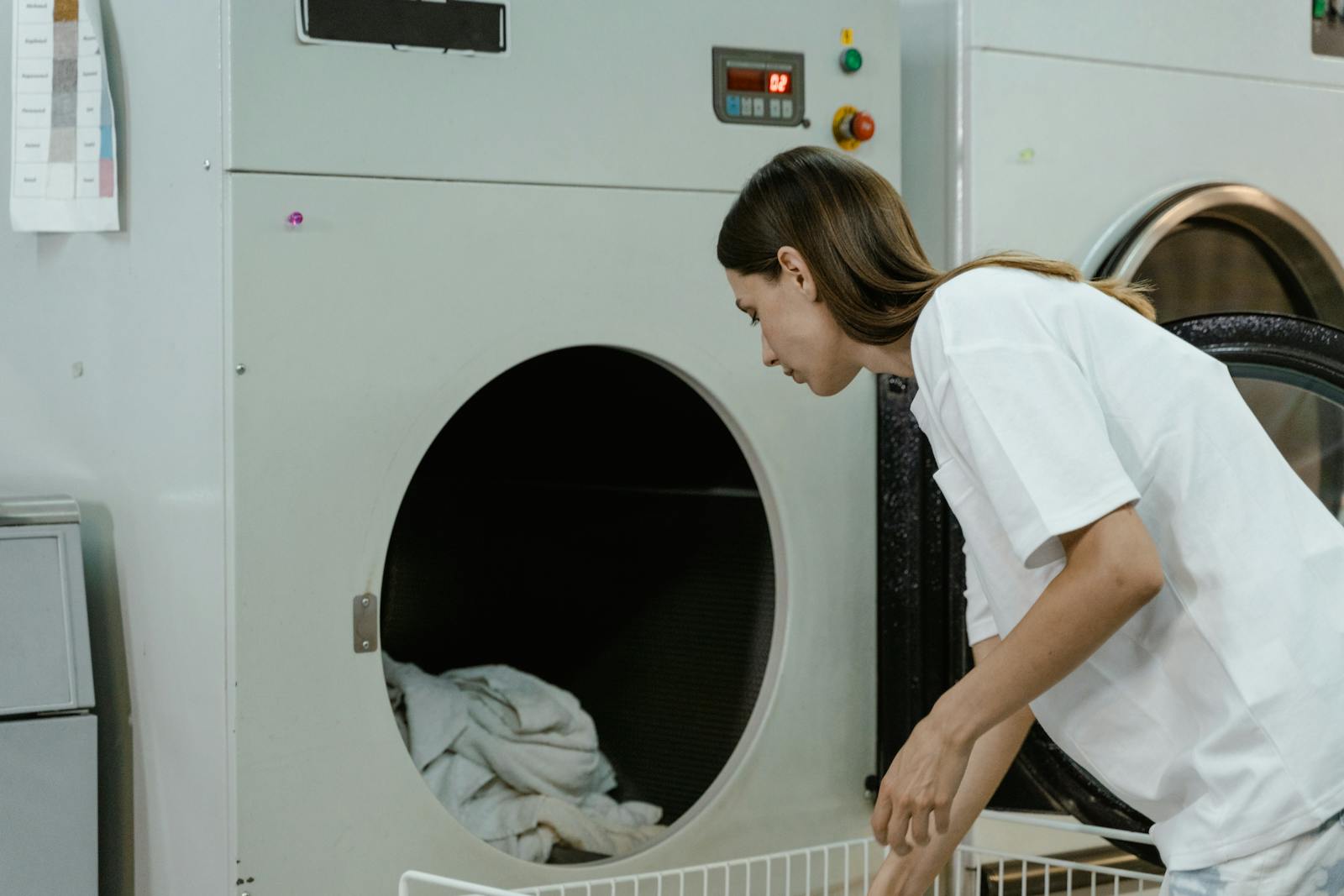
Dry cleaners take your dirty clothes and return them clean, pressed, and wrapped. The staff behind the counter retrieves your garments from a moving rack. They do not perform a personal service that requires an extra cash reward. You might see a tip jar sitting next to the credit card terminal anyway. This trend is an annoying example of tip creep in everyday life.
You are already paying a premium price to get your suits washed and pressed. The business owner must use those fees to pay their counter staff a fair wage. You do not owe extra money for someone lifting a hanger off a rack. Grab your clean clothes, say thank you, and walk out the door. Do not let modern payment screens guilt you into paying double.
Baristas Who Hand You a Cold Bottle of Water

Reaching into a fridge to hand you a sealed bottle takes zero skill or effort. Fox Business’s analysis of “guilt tipping” found that the average American spends hundreds of dollars a year on tips, mainly due to social pressure from digital screens rather than for actual service, underscoring how quickly small, empty tips can drain your savings and hurt your finances.
You might encounter a tipping screen that asks for 20% on that single item. This request is unreasonable and undermines the work of real restaurant servers.
Tipping for non-service items encourages companies to underpay their staff. The same report noted that many customers now actively push back on these prompts to protect their wallets and reduce frustration with constant requests for more money.
Hit the skip button whenever you buy an item that requires no actual preparation. Save your tipping dollars for people who perform real personal service for you. Stand your ground against these greedy machine screens.
Disclaimer: This list is solely the author’s opinion based on research and publicly available information. It is not intended to be professional advice.
Like our content? Be sure to follow us